A Tip You Shouldn’t Gloss Over
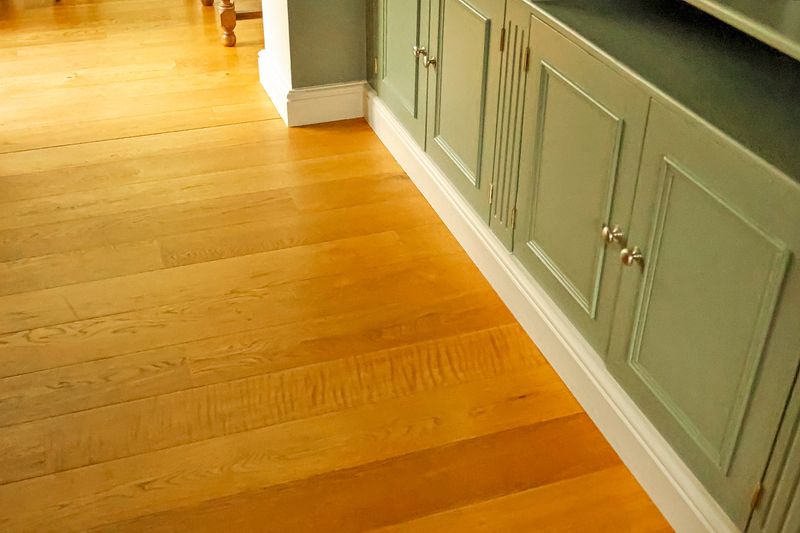
Coating baseboards in a glossy enamel paint finish is beneficial for myriad reasons. Of course, we’ve been talking about dust this whole time, so let’s dive into that first. Glossy enamel paint has a high resin content, resulting in a smooth, hard finish with fewer nooks and crannies for dust to settle into. Its slick surface also makes it easier to clean with a microfiber cloth or duster, as there’s less resistance compared with a softer, more textured paint finish like matte or eggshell.
Of course, if you don’t already have a glossy finish on your baseboards, you’ll need to repaint them. But trust us when we say it’s worth it. While painting takes a few hours up front, you’ll eventually make up for it with all the time you save dusting your baseboards.
Not only does glossy paint minimize dust accumulation, but it’s also highly durable. This means it’s resistant to scuffs, scratches, and chips. On top of that, glossy finishes prevent moisture from soaking in, reducing the risk of mold or mildew growth.
Before painting, clean them thoroughly with soapy water, patch nail holes and dents with spackle or wood filler, and sand the filled areas smooth. Next, wipe away any remaining dust and apply fresh caulk along the top seam where the baseboard meets the wall.
More from our network
House Outlook is part of Inbox Studio, which publishes content that uplifts, informs, and inspires.





High-Gloss vs. Semi-Gloss
The only remaining decision is whether to use a high-gloss or semi-gloss paint finish, both of which do an effective job of protecting baseboards. However, high-gloss finishes reflect a lot of light and can appear too bright depending on your taste. They may also draw unwanted attention to minor imperfections.
For this reason, the perfect middle-ground option is a semi-gloss enamel finish, which offers the best of both worlds. It provides protection while striking a pleasant visual contrast between the baseboards and walls, all without looking overly reflective.