What’s Good About Gravel?
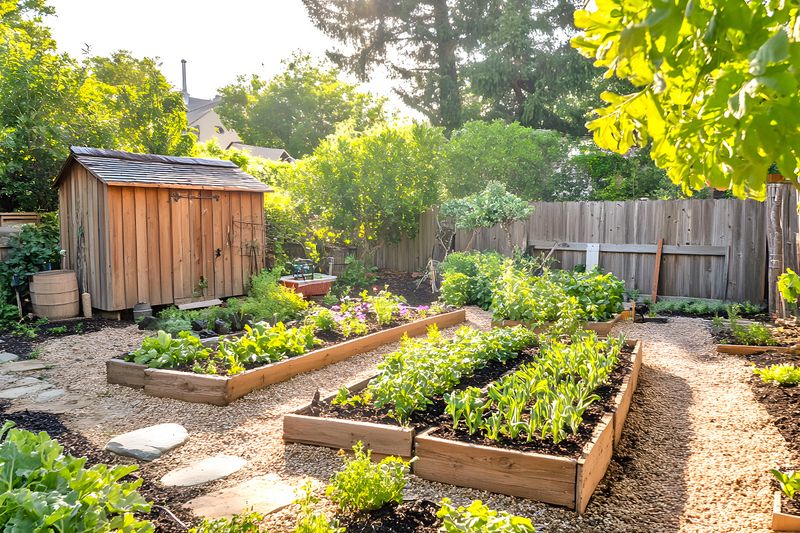
Have you ever seen a gravel-covered garden? People in drought-prone areas probably have — but you can add this ground cover to any yard, regardless of your location. Gravel gardens are a form of xeriscaping, a landscaping method that minimizes water use through careful design and plant selection.
Gravel can be a great alternative to traditional soil for drought-tolerant plants because it drains well and requires less watering. You’ll still need to weed a gravel garden, but the loose material makes weeds much easier to pull and keeps their roots from growing deep. It doesn’t require extra mulching — in fact, the gravel is the mulch — and it helps retain moisture in the soil underneath. However, since stone absorbs and radiates heat, stick to lighter-colored pea gravel or decomposed granite spread in a 2- to 3-inch layer, and create a 4- to 6-inch buffer around the bases of plants to prevent heat from scorching them.
How To Use Gravel in Your Garden
Before you start pouring truckloads of gravel into your yard, it’s worth clarifying which types of gardens will benefit most from xeriscaping. These include dry or drought-prone climates, steep slopes vulnerable to erosion, and large or low-maintenance yards.
It’s also important to select drought-tolerant plants that don’t require much water and that thrive in the heat. You’ll find plenty of options, no matter your region. For example, if you’re in the American Southwest, popular perennials and succulents such as rosemary, lavender, crepe myrtle, hollyhocks, and agave are great choices. Northeastern yards can host shrubs such as common juniper and sweet fern alongside hardy perennials like yarrow and echinacea. Because these plants require lean soil and time to establish roots, you shouldn’t switch out a traditional garden for gravel overnight.
More from our network
House Outlook is part of Inbox Studio, which publishes content that uplifts, informs, and inspires.



To get started, choose a sunny spot with good drainage, turn the soil, and remove any weeds. Next, lay down a landscape fabric like LAVEVE Weed Barrier and cut holes where each plant will go. Dig your holes and mix in a little compost from a local nursery, manure from a nearby farm, or a delivered option like Charlie’s Compost. Set your plants firmly in place, then cover the surface with about 2 to 3 inches of gravel, taking heed of the advice we outlined in the section above.
Don’t forget to water your gravel garden — just because it’s drought-tolerant doesn’t mean it never needs to drink. Gravel gardens benefit greatly from methods like drip irrigation, which delivers an even amount of water deep into the soil. Contact a local landscaping company if this sounds like the right fit, or pick up a DIY drip kit online or at your local hardware store.