What Is a Good Thread Count for Sheets?
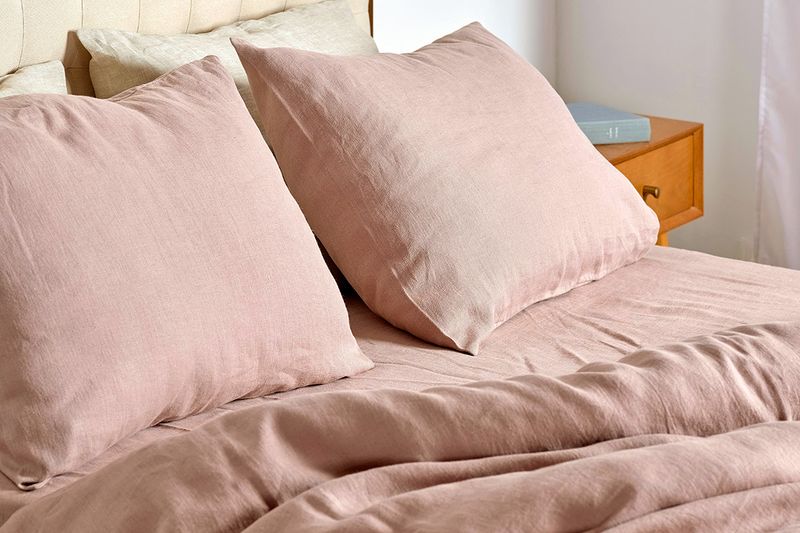
“Thread count plays a role in the feel and durability of a fabric but should not be the sole determinant of which one you buy,” says Frej Lewenhaupt, co-founder and chief product officer of Steamery, a garment-care brand based in Sweden. He notes that natural fibers such as cotton and linen have lower thread counts because they are lightweight and breathable. For instance, cotton sheets typically fall in the 200 to 500 range. Once you’re in that zone, fiber quality and construction matter more than the number on the label.
Why Higher Thread Count Sheets Aren’t Necessarily Better
So, how do brands get to 1,000 or more? Sol Fried, CEO of Downright, a textile-manufacturing company specializing in luxury down bedding products, says the inflation usually comes down to manufacturing tricks. “The misconception about extremely high thread counts comes from companies that double- or triple-ply their threads to get an impossibly misleading high thread-count number,” Fried explains. A 1,000-thread-count sheet might just be a 500-thread-count sheet with each thread doubled up — meaning it isn’t actually finer or higher quality.
A price tag that seems too good for the listed thread count is also a red flag for an inflated claim, Fried says. When in doubt, trust your hands over a label. A finely woven 400-thread-count sheet will feel smoother and more substantial than a coarsely double-plied 1,000-thread-count sheet.
Whether your sheets are cotton, linen, or silk, always follow the washing instructions on the label to maintain sound sleep for years to come. “Using a gentle detergent and avoiding high temperatures will help preserve both the softness and strength of the fabric over time,” Lewenhaupt says.
More from our network
House Outlook is part of Inbox Studio, which publishes content that uplifts, informs, and inspires.