1. Pouring Grease Down the Drain
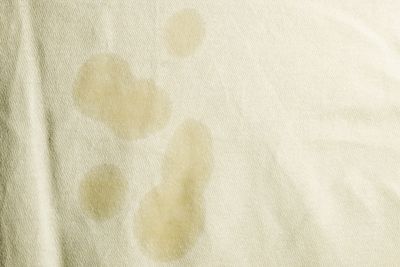
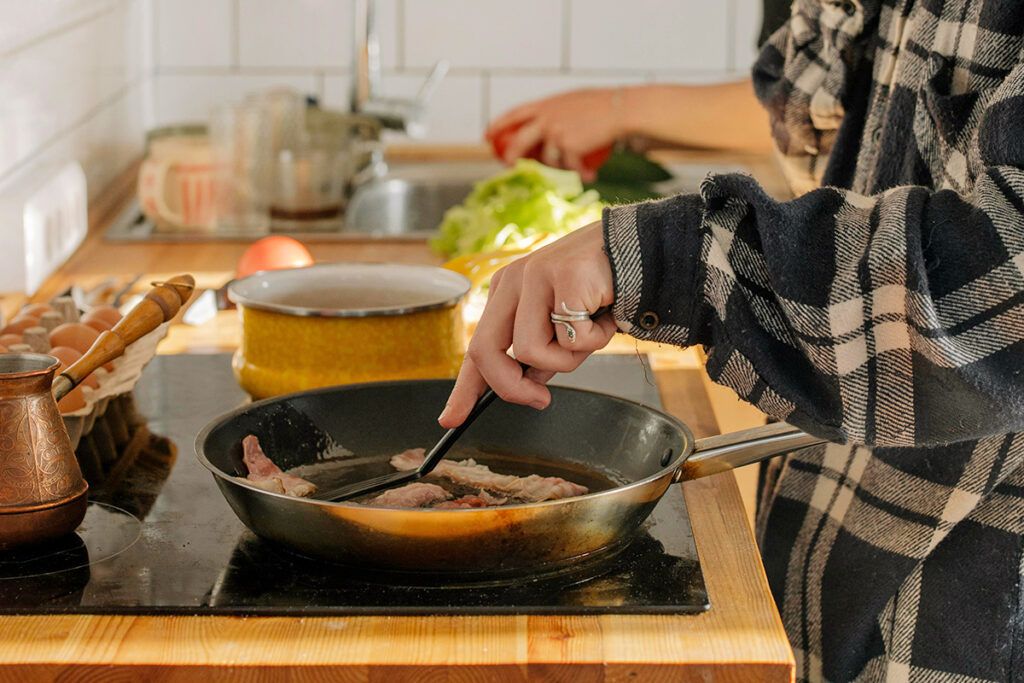
After cooking bacon, ground beef, or anything oily, it’s tempting to rinse the pan and send everything down the drain. The grease looks liquid while it’s hot, but once it cools, it hardens.
That hardened grease sticks to the inside of your pipes and acts like glue for food scraps passing through. Over time, the buildup thickens until water has nowhere to go.
Instead of pouring grease down the drain, let it cool in a container, then toss it in the trash or strain it for future cooking. Yes, it’s slightly less convenient, but it beats dealing with a flooded kitchen.
2. Treating Your Garbage Disposal Like a Trash Can
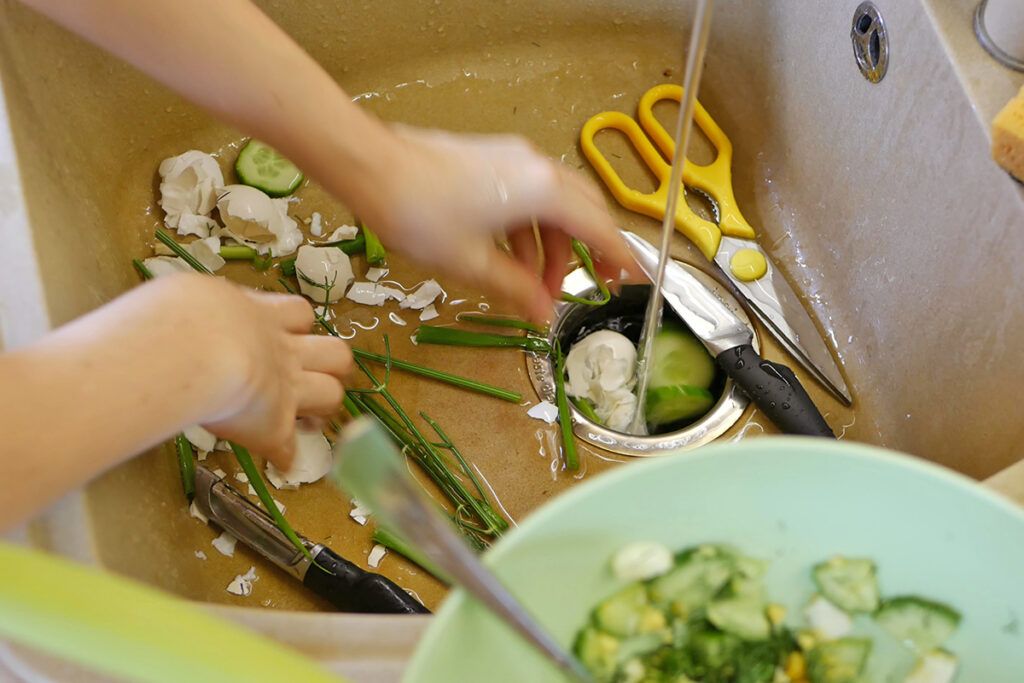
Garbage disposals are useful, but people tend to overestimate what they can handle. Fibrous foods such as celery, corn husks, onion skins, and asparagus can wrap around the internal components and cause jams. Starchy foods, including pasta, rice, and potato peels, expand with water and create a thick sludge. Coffee grounds are another sneaky problem because they clump together and settle deep in your pipes.
More from our network
House Outlook is part of Inbox Studio, which publishes content that uplifts, informs, and inspires.


A garbage disposal is meant for small leftover scraps, not half your dinner prep.
3. Using Liquid Drain Cleaner Too Often
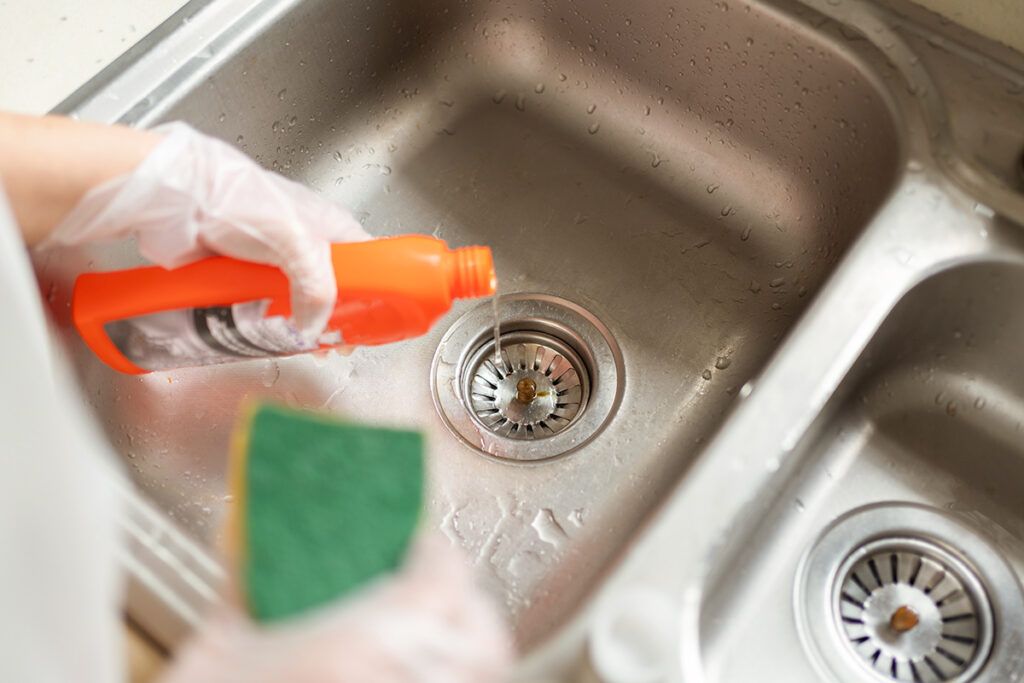
When you have a clog, liquid drain cleaner may seem like the easiest fix, but its short-term convenience can have long-term consequences. Many commercial cleaners rely on harsh chemicals to dissolve blockages. While they can sometimes clear minor clogs, repeated use can be rough on your plumbing system. These cleaners trigger intense chemical reactions that generate heat to melt clogs, but that same heat can warp PVC pipes and slowly corrode older metal fixtures.
For slow drains, first try using a plunger, a drain snake, or a mix of baking soda and vinegar followed by hot water.
4. Ignoring Small Leaks
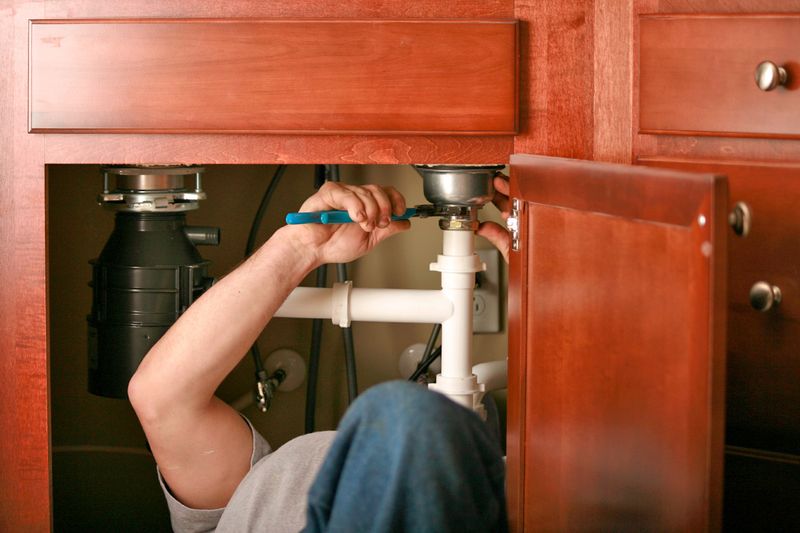
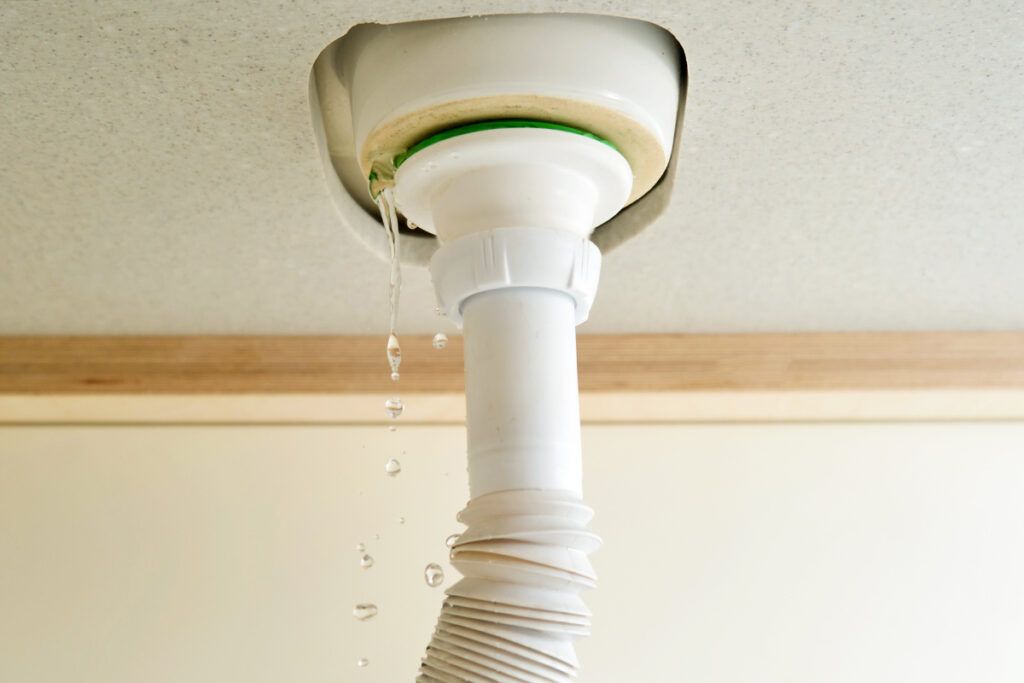
A dripping faucet or tiny leak under the sink doesn’t always feel urgent. But besides wasting water, small leaks can create bigger issues behind walls and inside cabinets. Over time, moisture encourages mold growth, rots wood, and warps flooring.
Often, a minor drip isn’t an isolated issue — it’s an early warning sign of high water pressure or a worn-out pressure-reducing valve that’s quietly straining all the pipes in your home. If you notice a leak, don’t wait until it turns into a full-blown plumbing emergency.
5. Letting Hair Go Down the Drain
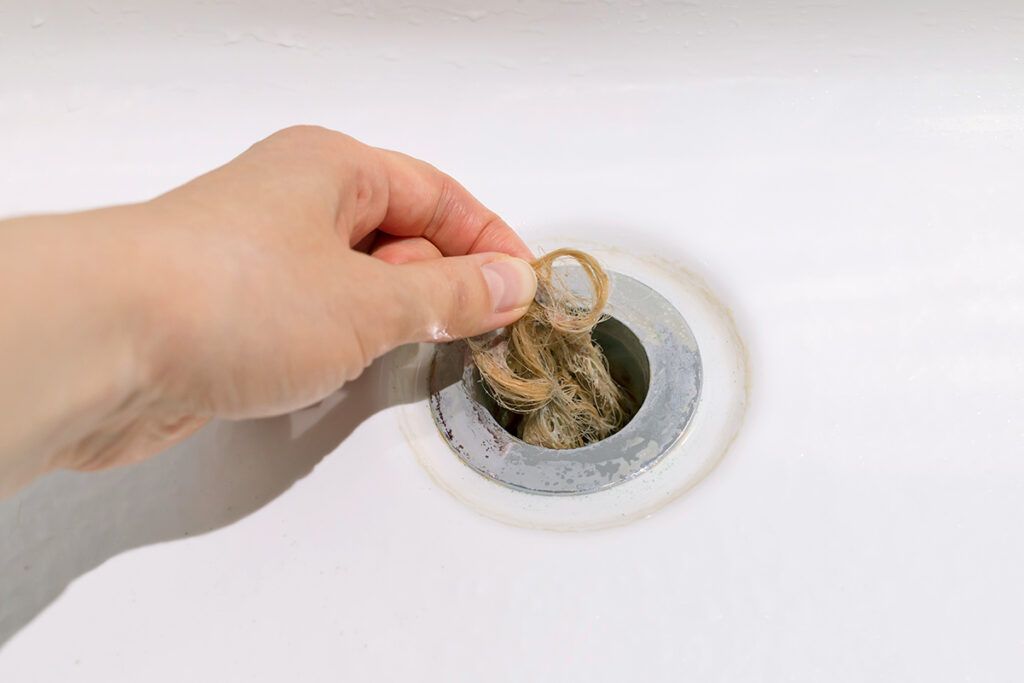
Hair doesn’t dissolve, and once it combines with soap residue, toothpaste, shaving cream, and whatever else ends up in your sink or shower, it forms a dense, stubborn clog. Using a simple hair catcher can make a huge difference. It’s not glamorous, but neither is fishing a wet blob of hair out of your drain with a plastic zip tool.
6. Using Your Toilet Like a Trash Can
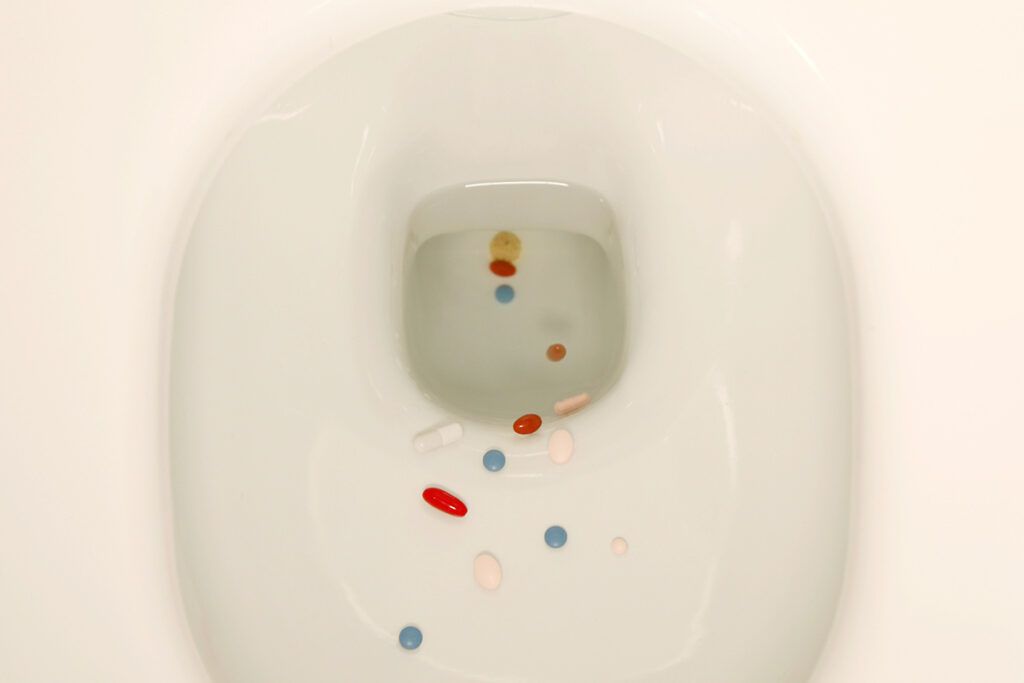
Toilets are surprisingly easy to clog. Beyond the obvious no-go items, people frequently flush things like medications, cat litter, dental floss, and food scraps. None of these belong in your plumbing — not even “flushable” wipes, which stay intact far longer than toilet paper, making them more likely to snag, bunch up, and create blockages. Flushed medications can also create environmental hazards by contaminating local water systems.
If it isn’t toilet paper or organic human waste, it shouldn’t go down the toilet.
The Takeaway
Most plumbing disasters don’t come out of nowhere. They build slowly through daily habits that seem harmless at the time. Making a few small changes to how you treat your drains can save you money, stress, and at least one deeply unpleasant plumbing emergency.