The Heat Factor
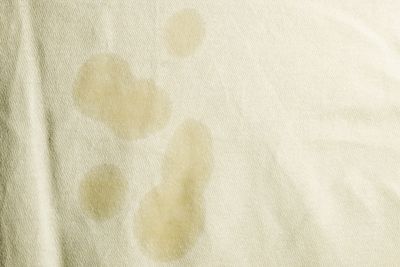
While it might seem like heat would loosen a stain and pull it away from the garment, it actually has the opposite effect. High temperatures “cook” a stain into the fabric by changing its chemical structure, causing it to permanently embed itself into the fibers. This applies to most types of stains, including those from proteins, plants, tannins, chemicals, starches, and sugars. (The only stains you should treat with heat are grease, cooking oil, and wax.)
This is why stain removal instructions often recommend washing the garment in cold water instead of hot. Similarly, you should avoid the dryer at all costs when trying to remove a stain. Before transferring the clothing item from the washing machine to the dryer, ensure the stain has been fully removed. To be on the safe side, you may want to air-dry the item, as damp clothing is darker and may disguise a stain that has faded but not fully lifted.
How To Remove Stains
When removing stains from clothing or other textiles, start by spot treating the fabric with your preferred stain remover (we swear by this cheap stain-remover bar). Use your fingertips, a laundry stain brush, or a soft-bristled toothbrush to gently work the stain remover into the fibers. Wait the recommended amount of time, then do one of the following: Either turn the garment inside out and thoroughly rinse the area with cool water (to prevent the stain from spreading), or toss it into the washing machine with your regular detergent on a cold-water cycle.
As we mentioned earlier, it’s best to let the garment air-dry after laundering, and then inspect for surviving stains. If the stain isn’t completely gone, skip the dryer and start the treatment over again.
More from our network
House Outlook is part of Inbox Studio, which publishes content that uplifts, informs, and inspires.