1. Bleach Products
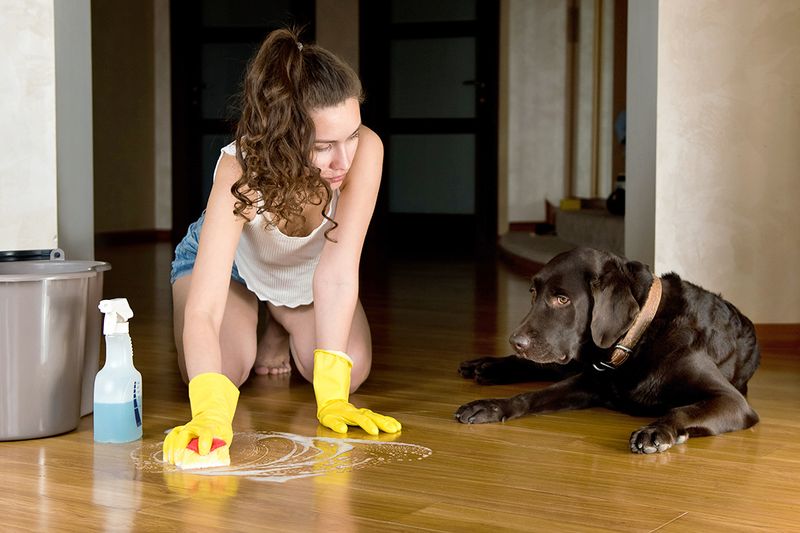
Ingesting bleach can cause major health issues for pets, such as vomiting and diarrhea. This sometimes happens accidentally when a pet parent is cleaning with an agent that they don’t realize contains bleach. Be sure to read the label of any product you plan to clean with, especially on the floor — cats and dogs will walk on the floor and then lick their paws, inadvertently ingesting the remnants of the cleaners.
You can still use bleach in your home cleaning if you exercise caution. When cleaning something with bleach that your pet may touch, such as a bathroom floor, make sure to block off that area from the pet, rinse the surface thoroughly with water after sanitizing, and let it dry completely. Ensure that your pet has no access to the area for this entire process. If you’re not able to restrict their access, opt for a pet-safe floor cleaner instead.
2. Toilet Cleaners
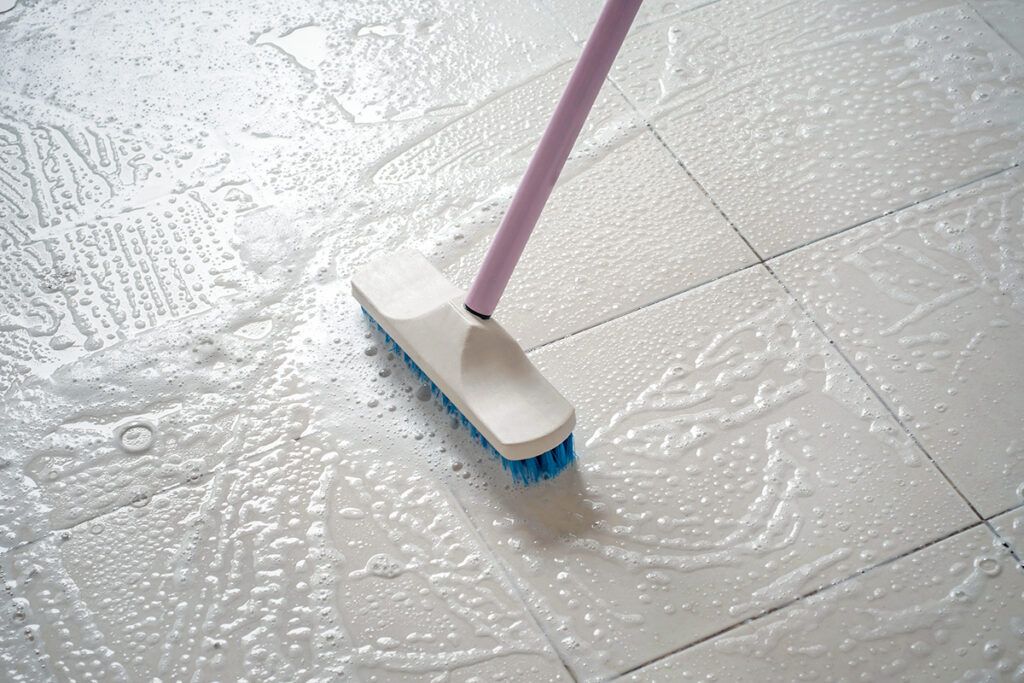
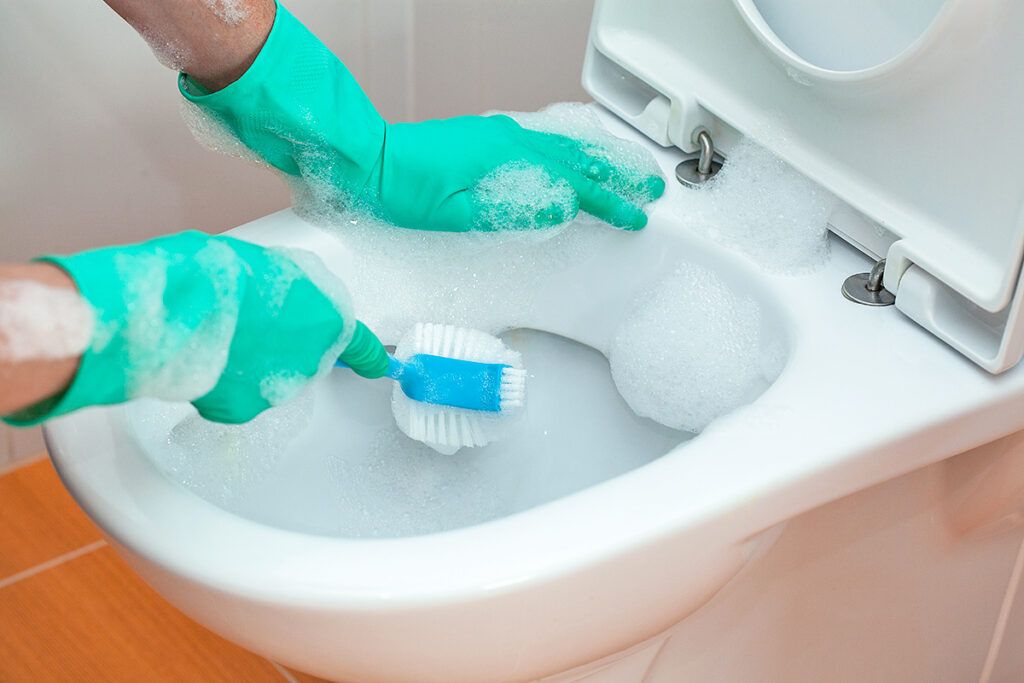
Toilet cleaners, in both liquid and tablet form, often contain bleach or other powerful agents designed to eliminate stains and kill bacteria. These can pose serious harm to pets, so ensure that you close the toilet lid while the cleaner sits and for at least the next few flushes. If your pet has learned to open the toilet lid (unusual but not unheard of), play it safe and keep the bathroom door closed on toilet cleaning day. You can also use a nonbleach toilet cleaner, but be aware that your pet still shouldn’t ingest it in any amount.
3. Ammonia
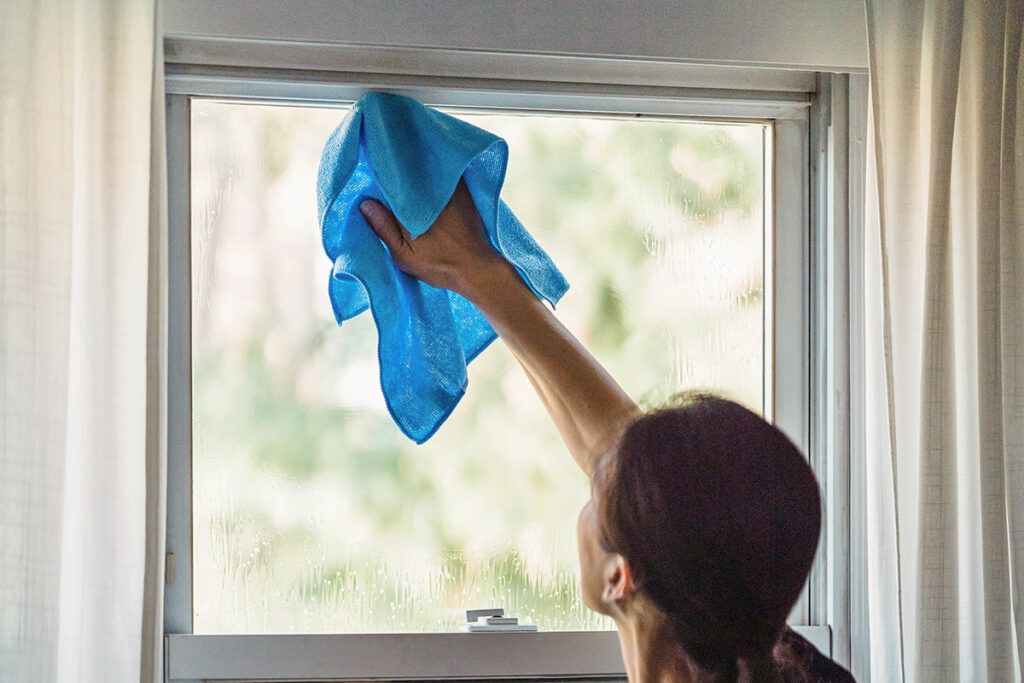
Ammonia, common in window and mirror cleaners, can also cause gastrointestinal upset in animals if ingested. If you have to clean with ammonia at a height your pet can reach, shut them out of the room during cleaning and for 30 minutes afterward, to make sure the cleaned item is fully dried. Pets also shouldn’t inhale large amounts of ammonia, so keeping the room closed off, and the rest of the windows open if possible, is the best course of action. You can also opt for a pet-safe glass and window cleaner.
More from our network
House Outlook is part of Inbox Studio, which publishes content that uplifts, informs, and inspires.



4. Rubbing Alcohol
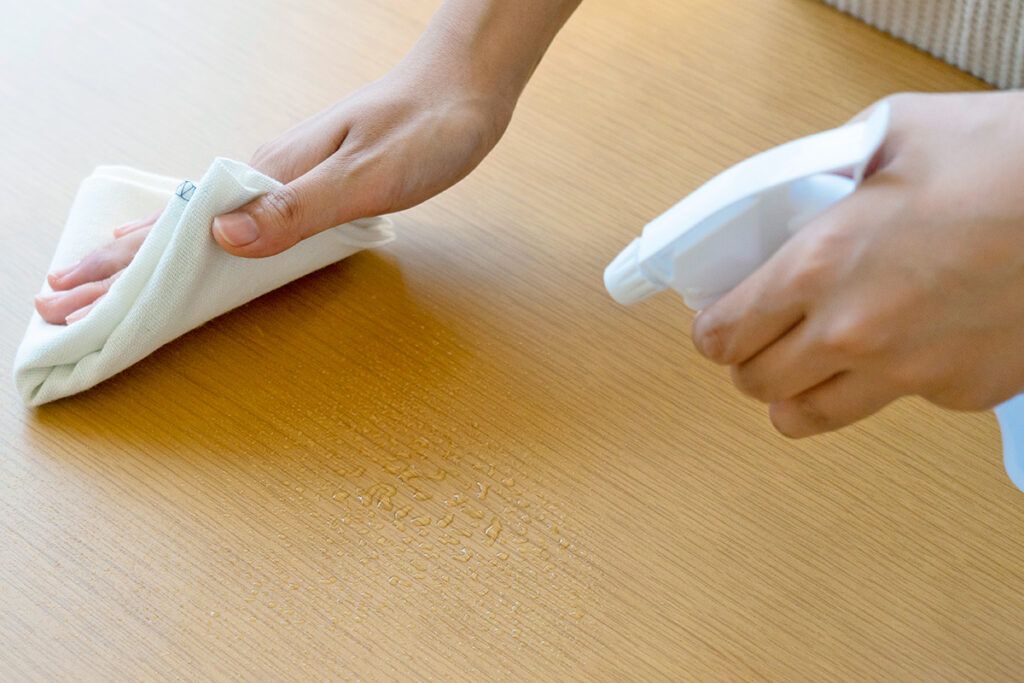
Although typically not used in large quantities or on floors, rubbing alcohol is toxic if ingested by animals (or humans). If you’re cleaning with rubbing alcohol, make sure to keep the bottle and any used cleaning implements in a place that your pet can’t access. If that’s not possible, close the pet out of the room while cleaning, and let the cleaned surface dry completely before allowing the pet back inside.
5. Vinegar
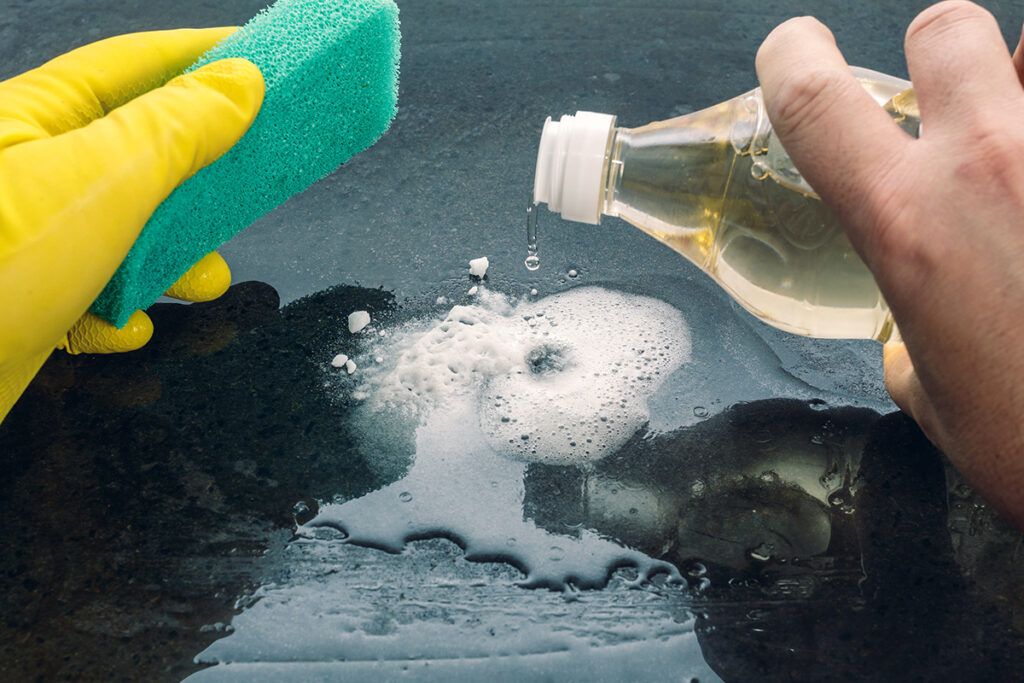
A diluted vinegar mix is often touted as a pet-safe alternative to other cleaning agents. While that’s generally true, the key word here is “diluted.” Cats and dogs are unlikely to come to harm walking on floors cleaned with a diluted vinegar and water solution, provided the surface has dried completely. However, if they ingest concentrated vinegar, which is highly acidic, they can get a seriously upset stomach. Make sure to keep any bottles of vinegar out of your pet’s reach at all times. Alternatively, you can use a pet-safe all-purpose cleaner and keep vinegar out of the mix entirely.
6. Essential Oils
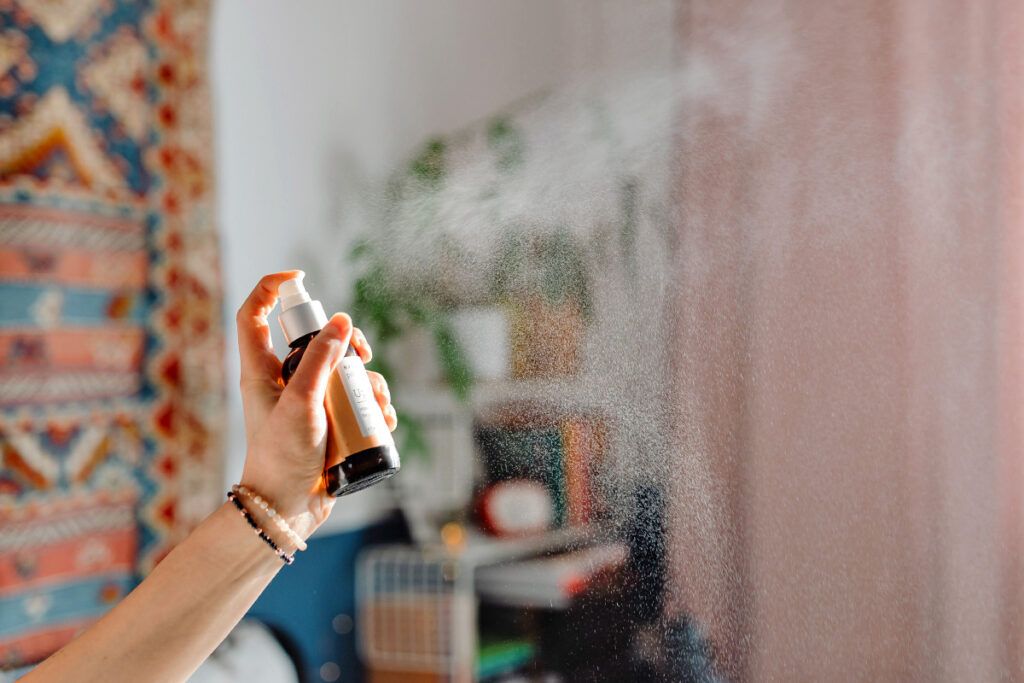
People often assume that essential oils are harmless, but they can cause significant issues in pets, especially in cats, if ingested or inhaled in large amounts. The level of toxicity varies depending on the type of essential oil, so it’s safest to avoid using them entirely if you have pets in your household. Keep in mind that essential oils are often an ingredient in products like room sprays. These are unlikely to harm your pet if you use only a spritz or two at a time, but if you want to play it safe, opt for a simmer pot to make your home smell good.
Always read ingredient lists carefully on all cleaning agents. Many products labeled “pet-safe” still contain ingredients that pets shouldn’t ingest in concentrated quantities (especially vinegar or essential oils). When in doubt, block off access to the room whenever possible to keep your cat or dog safe and healthy.