Advertisement
Home Improvement 3m read
1,070

Are Dents Ruining Your Hardwood Floors? Try This

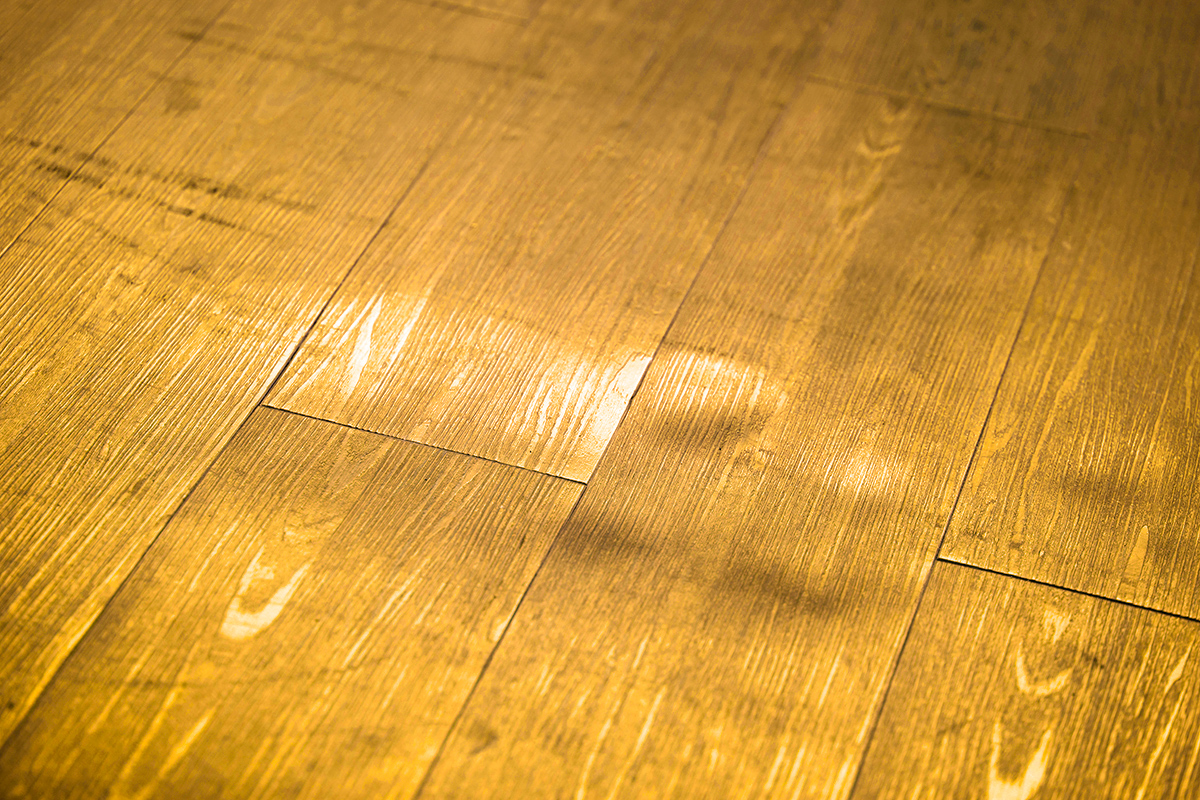
Hardwood flooring is the pride of many homeowners, and its beauty and durability are well worth the investment. Yet, no matter how many rugs you lay down or furniture pads you use to protect the wood, dents are bound to happen over time.

All featured products and deals are selected independently and objectively by the author. House Outlook may receive a share of sales via affiliate links in content.

Hardwood flooring is the pride of many homeowners, and its beauty and durability are well worth the investment. Yet, no matter how many rugs you lay down or furniture pads you use to protect the wood, dents are bound to happen over time.

When they appear, you might assume a costly repair is the only fix. In reality, all it takes is a bit of water, steam, and elbow grease to make your hardwood floors look as good as new. Here’s how to erase those blemishes in just a few hours.

A Solution That’s Gaining Steam

The general idea behind this hack is using moisture and heat to swell the wood fibers back to their original shape. But before you give it a shot, you’ll need a few tools: a handheld steam iron, a water supply, shop rags, a clean cloth, and a box cutter or another sharp knife that’s safe to handle.

Related: Quiet Creaky Floors With This Household Item

Begin by locating the dent(s), using small pieces of painter’s tape to mark the affected areas. If your hardwood floors are sealed, use the box cutter to poke a few tiny holes within the dent, following the woodgrain pattern so they blend in naturally. The aim is to pierce the clear coating just enough for water to absorb into the wood. Next, tear a shop rag into small strips sized to the circumference of the dent(s) and submerge them in water. Once they’re soaking wet, wad each strip into a ball and dab the perforated areas so moisture seeps into the holes. Then, place one wad over each dent and let them sit for about five hours.

Advertisement

When you return, you may see tiny, discolored spots in the wood. Don’t worry — this is just absorbed water that will evaporate in time, causing the spots to disappear. Turn the iron to its hottest setting, and as it heats up, soak another clean cloth in water. Lay the wet cloth over the dent and press the iron onto it for about 20 seconds. You should hear a lot of hissing as the steam is released; this is perfectly normal. After 20 seconds, remove the iron and set it aside. If the dent remains, you can repeat the process — just make sure the cloth is still damp, or you risk leaving an iron mark on the floor.

Ideally, when you lift the cloth, you should notice the dent has swollen due to all the absorbed moisture. In fact, it may be so swollen that it feels more like a bump than a dent. If this is the case, don’t fret; the wood will shrink back down as the water evaporates, leaving the surface nice and flush.

After 24 to 48 hours, once the water has fully evaporated, run your hand over the area. If there’s still a prominent bump, sand it back down with a high-grit sandpaper. To protect against dirt or future water damage, reseal the spots with a product (e.g., a water-based polyurethane) that matches your floor’s specific sheen. In the end, you won’t be able to tell that anything was ever amiss.

Advertisement
Featured Image Credit:  Andrey Popov/ Adobe Stock | Updated  Jan 7, 2026 |
Bennett Kleinman
Staff Writer
Bennett Kleinman is a New York City-based staff writer for Inbox Studio, covering topics for several brands including House Outlook and Better Report. He previously contributed to television programs such as "Late Show With David Letterman" and "Impractical Jokers," and digital publications like The Onion. Bennett is also a devoted New York Yankees and New Jersey Devils fan, and thinks plain seltzer is the best drink ever invented.
This article is for general informational purposes only.
Featured Image Credit:  Andrey Popov/ Adobe Stock | Updated  Jan 7, 2026 |
Advertisement
Decorating 3m read
17,773

This One Decor Item Is Always Worth Thrifting

Before you click “add to cart” on new — and probably expensive — pillow inserts, try this thrift-store hack from TikToker Carrie Anne Harmon of Moonlight Market Co. The home DIY creator has a true “Why didn’t I think of that?” tip: Stop buying brand-new pillow inserts and browse your local secondhand shop instead. High-quality pillow inserts, especially those filled with feathers or down, are notoriously expensive when purchased new. But there may be some hiding in plain sight at your local thrift store, tucked inside ugly throw pillows.

Before you click “add to cart” on new — and probably expensive — pillow inserts, try this thrift-store hack from TikToker Carrie Anne Harmon of Moonlight Market Co. The home DIY creator has a true “Why didn’t I think of that?” tip: Stop buying brand-new pillow inserts and browse your local secondhand shop instead. High-quality…

What To Look For in Thrifted Pillow Inserts

Next time you’re wandering the aisles of a thrift shop’s home section, skip the novelty mugs and head straight for the pillows. Pick up each throw pillow and give it a solid squeeze. If it feels soft, springy, and slightly weighty — rather than lumpy or lifeless — there’s a good chance it’s filled with feathers or down instead of polyester fill.

Next, look for a zipper on the pillow. Decorative pillows are often designed with removable covers so the insert can be easily reused. Unzip the pillow and check for a tag; that’s the key to verifying the fill content. Feather and down inserts are preferred because they hold their shape far better (and far longer) than synthetic alternatives.

Related: How To Make Your Throw Pillows Extra Fluffy

When bought new, feather inserts can cost a pretty penny — and the bigger the pillow, the higher the price tag. Thrift stores, however, often price entire pillows — inserts and covers — for just a few dollars. Discard or donate the outer cover if it’s not your style and keep the high-quality insert for your own covers at home.

Advertisement

Why You Should Buy Feather or Down Inserts

You can’t see an insert, but you can definitely feel the difference. Compared to polyester fill, feathers and down are more durable, breathable, and long-lasting.

How To Wash Thrifted Pillow Inserts

Much like thrifted clothing, secondhand pillow inserts require a deep clean before use. Wash them on a gentle cycle with mild detergent and warm (not hot) water. Run an extra rinse cycle to ensure all the soap washes away. Dry the pillows thoroughly on low heat with a couple of clean tennis balls or dryer balls to help restore their fluffy shape. To prevent mildew, make sure the inserts are completely dry before putting them back in their covers.

Advertisement
Featured Image Credit:  Alex Potemkin/ iStock | Updated  Jan 7, 2026 |
Megan McCarty
Writer
Megan McCarty is a Los Angeles-based writer who covers the fun stuff: design, travel, wellness, beauty, and fashion. She has written for publications including Domino, The Spruce, MyDomaine, Bustle, and Rue Magazine. Her life rules include, but are not limited to, zipper when merging, contribute to your IRA, and do the nice thing.
This article is for general informational purposes only.
Featured Image Credit:  Alex Potemkin/ iStock | Updated  Jan 7, 2026 |
Advertisement
Cleaning 2m read
1,140

One Little Trick That Makes Changing Sheets Faster

Wrestling with sheets — specifically the stubborn fitted kind — is one of the worst parts of laundry day. Whether you struggle to get that last corner over the mattress or can never seem to figure out which side is the short one, it’s frustrating enough to make you wonder who invented fitted sheets and if they did it out of pure malice.

All featured products and deals are selected independently and objectively by the author. House Outlook may receive a share of sales via affiliate links in content.

Wrestling with sheets — specifically the stubborn fitted kind — is one of the worst parts of laundry day. Whether you struggle to get that last corner over the mattress or can never seem to figure out which side is the short one, it’s frustrating enough to make you wonder who invented fitted sheets and…

As it turns out, Bertha Berman patented the fitted sheet in 1959 as an improvement to flat sheets, ensuring the corners would fit snugly around the mattress every time. And while fitted sheets can be frustrating to deal with, you only need one trick to get them on the bed correctly on your first try.

Related: The Secret to Luxuriously Soft Bed Sheets

Locate the Care Label

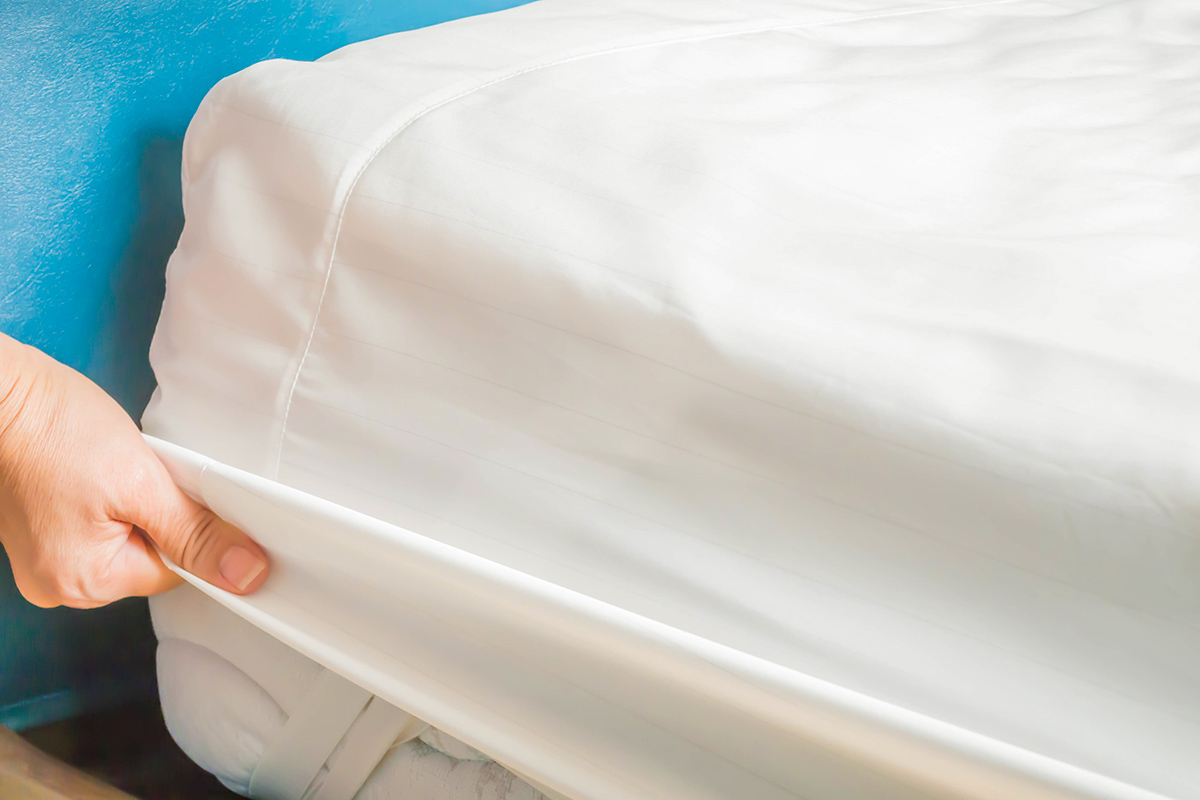
When it comes to distinguishing the short side of a fitted sheet from the long one, there’s a secret indicator most of us have completely overlooked. While some manufacturers make it easy for you by including tags labeled “top” or “bottom,” many do not. In those cases, look for the interior care label — it’s almost always intended for the bottom right corner of the mattress, making it easy to align the sheet every time. For a total cheat, opt for a patterned sheet (such as a vertical stripe) so you never have to second-guess the direction again.

Advertisement

More Tips for Taming a Fitted Sheet

If getting that last corner onto your mattress is the bane of your existence, YouTube creator Clean That Up recommends the U-shape method. Start by putting the fitted sheet over the bottom-right corner, then move to the top-right, followed by the top-left, and finally the bottom-left. This prevents it from popping off and undoing your hard work. To secure that tricky final corner, use the bear claw technique: Pin the sheet against the mattress with one hand while using your other hand to pull the elastic edge over the corner.

Advertisement
Featured Image Credit:  penkanya/ iStock | Updated  Jan 7, 2026 |
Jessie Quinn
Writer
Jessie Quinn is a Los Angeles-based lifestyle journalist with words published in PEOPLE, StyleCaster, Apartment Therapy, The Spruce, Byrdie, and more. She has a Bachelor's Degree in fashion journalism from Academy of Art University and her work spans across many categories, including style, beauty, home, health, crafts, and more.
This article is for general informational purposes only.
Featured Image Credit:  penkanya/ iStock | Updated  Jan 7, 2026 |
Advertisement
Home Improvement 2m read
94

Want To Know If a Battery’s Dead? Do This

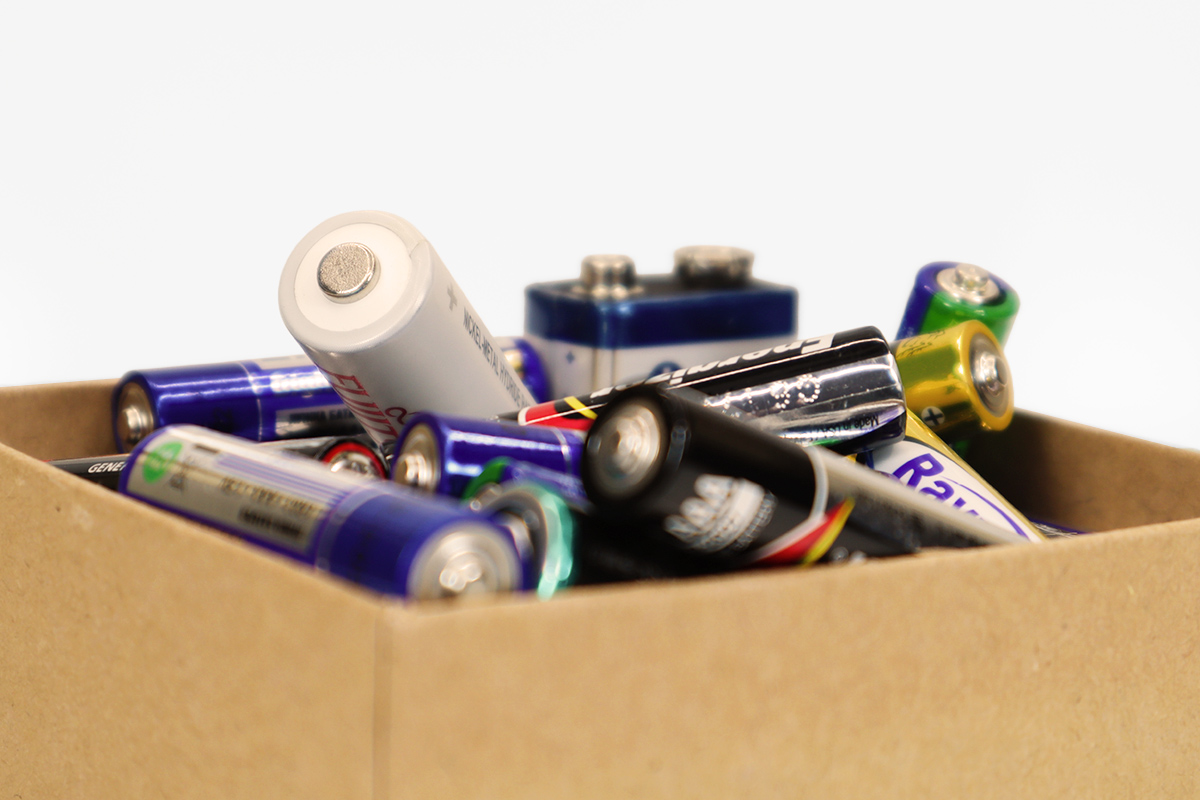
Batteries seem to die at the most inopportune moments. Imagine settling into the couch to watch the latest episode of your favorite TV show, only to discover the remote control is dead. To make matters worse, the “spares” in your storage case might be just as lifeless. Depending on how organized your collection is, you might have to test multiple batteries before finding one that works — especially since they begin to degrade after five to 10 years. There is one trick, however, that can expedite the process and would make Sir Isaac Newton proud. Here’s how to tell if a battery is new, used, or dead simply by using gravity.



All featured products and deals are selected independently and objectively by the author. House Outlook may receive a share of sales via affiliate links in content.

Batteries seem to die at the most inopportune moments. Imagine settling into the couch to watch the latest episode of your favorite TV show, only to discover the remote control is dead. To make matters worse, the “spares” in your storage case might be just as lifeless. Depending on how organized your collection is, you…

A Supercharged Solution

Inside every alkaline battery is a layer of zinc. When the battery powers a device, that zinc turns into zinc oxide to create electricity. However, before a battery is used, this internal zinc is a dense, gel-like paste that absorbs kinetic energy upon impact.

Related: Out of AA Batteries? Try This Quick Fix

For this reason, if you drop a brand-new battery from a low height, the internal zinc gel will absorb the impact when it hits the floor. You should notice a dull “thud” and little to no bounce. When a battery is dead, the internal zinc oxide stiffens, losing its ability to cushion the fall and causing a slight bounce. Word to the wise: A drop of just a few inches is sufficient; any higher and you risk damaging the battery or the floor.

Advertisement

The Limits of the Bounce Test

In 2015, researchers at Princeton University sought to prove the validity of the bounce test. Their findings showed that while the test works to some degree, there’s a bit of a gray area. It’s true that new batteries won’t bounce while dead ones will, but partially charged batteries have some spring in them too. In fact, batteries hit their maximum bounce level at around the 50% charge mark, meaning a battery will bounce just as high whether it’s half-full or dead.

Because of this, don’t rely on gravity to determine a battery’s exact charge. The test works very well for identifying a brand-new battery, but for a specific reading of how much charge is left, you’re better off using a handheld battery tester.

Advertisement
Featured Image Credit:  Yevhen Roshchyn/ Adobe Stock | Updated  Jan 7, 2026 |
Bennett Kleinman
Staff Writer
Bennett Kleinman is a New York City-based staff writer for Inbox Studio, covering topics for several brands including House Outlook and Better Report. He previously contributed to television programs such as "Late Show With David Letterman" and "Impractical Jokers," and digital publications like The Onion. Bennett is also a devoted New York Yankees and New Jersey Devils fan, and thinks plain seltzer is the best drink ever invented.
This article is for general informational purposes only.
Featured Image Credit:  Yevhen Roshchyn/ Adobe Stock | Updated  Jan 7, 2026 |
Advertisement
Food & Drink 3m read
34

Why Every Baker Should Keep Flour in the Freezer

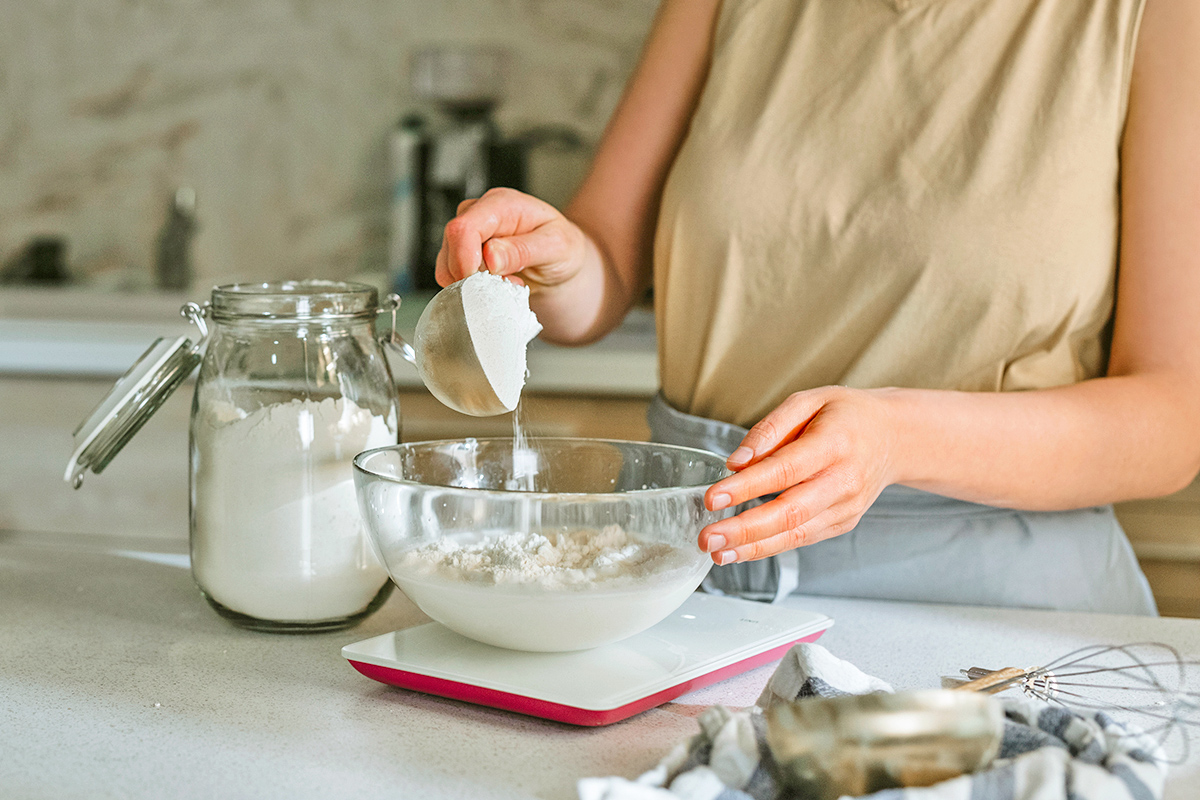
Baking is like chess: You can learn the basics in just a few hours, but true mastery is a lifelong pursuit, and there are always new things to learn if you want to keep getting better. The difference between a mediocre loaf and the best bread you’ve ever pulled from the oven — and achieving the best baking results in general — usually comes down to what you learn along the way. Consider flour, for example. It’s fundamental to almost all baking, yet most of us aren’t storing it properly. For the best results, you should be keeping it in the freezer.

All featured products and deals are selected independently and objectively by the author. House Outlook may receive a share of sales via affiliate links in content.

Baking is like chess: You can learn the basics in just a few hours, but true mastery is a lifelong pursuit, and there are always new things to learn if you want to keep getting better. The difference between a mediocre loaf and the best bread you’ve ever pulled from the oven — and achieving…

Flour Can, and Will, Spoil

Flour is one of those pantry staples we broadly think of as dry goods. Because it’s shelf-stable and doesn’t need much special handling, most of us simply bring it home, pop it into a cupboard or pantry, and forget about it.

Related: Why You Should Store Potato Chips in the Freezer

But proper storage makes food last longer, and flour is no exception. For instance, heat and humidity can cause it to spoil or even develop mold. There’s also the risk of flavor transfer, where flour absorbs odors from nearby spices or fragrant foods (like onions), which then show up in your baked goods. And for whole-wheat flour and other whole grains, rancidity is the biggest threat. This happens when the grain’s natural oils oxidize and break down, developing bitter “off” flavors. In fact, many people who don’t care for wheat breads may just be sensitive to those early traces of rancidity.

Advertisement

Your Best Bets for Flour Storage

If you consistently use up your flour within a couple of months, room-temperature storage is likely sufficient. You should still make a point of storing your flour in a cool, dry, well-ventilated spot — ideally in a sturdy bag or container that keeps out moisture, pests, and odors. However, you should opt for freezer storage if you:

• Bake only occasionally

• Keep a variety of flours on hand that aren’t used regularly

• Stock up on flour at wholesale retailers or during sales

• Work primarily with whole-grain flour

If any of these scenarios apply to you, it may be time to up your flour storage game. For long-term storage, transfer the flour to heavy-duty, airtight containers or bags, label them, and keep them in the freezer. Your flour will be protected from heat and moisture, and its oils won’t oxidize. The popular reference site EatByDate estimates the shelf life of white flour at room temperature at six to eight months, but it’s only four to six months for whole-wheat or self-rising flour — and that’s under ideal storage conditions. Moving your supply to the freezer extends that lifespan to two years for white flour and up to one year for whole-grain flours.

Advertisement
Featured Image Credit:  FreshSplash/ iStock | Updated  Jan 7, 2026 |
Fred Decker
Writer
Fred Decker is a trained chef and former restaurateur. Since closing his restaurants over a decade ago he has been a prolific freelance writer, publishing several thousand articles on dozens of high-volume websites including Taste Of Home, Hunker, Tasting Table, Week&, eHow, and GOBankingRates. He lives on a rural acreage shared with a big garden, chickens, rabbits, and grandkids.
This article is for general informational purposes only.
Featured Image Credit:  FreshSplash/ iStock | Updated  Jan 7, 2026 |
Advertisement
Gardening 7m read
1,709

12 Common Houseplants That Could Harm Your Pets

At first glance, you might not think houseplants and pets have a lot in common. A thumbnail-sized succulent isn’t much like a Great Pyrenees, any more than your calico kitten resembles a tall, dramatic snake plant. Yet, both bring life and happiness to a home in their respective ways, and both require TLC to thrive.

At first glance, you might not think houseplants and pets have a lot in common. A thumbnail-sized succulent isn’t much like a Great Pyrenees, any more than your calico kitten resembles a tall, dramatic snake plant. Yet, both bring life and happiness to a home in their respective ways, and both require TLC to thrive.

If you’re a pet parent and a plant parent, there’s one specific area where their care overlaps: knowing which houseplants are toxic to your pets. While some greenery may cause unpleasant digestive issues, other toxins can lead to life-threatening kidney or liver failure. To keep your furry friends safe, here’s a list of 12 popular houseplants that should be approached with caution.

1. Aloe

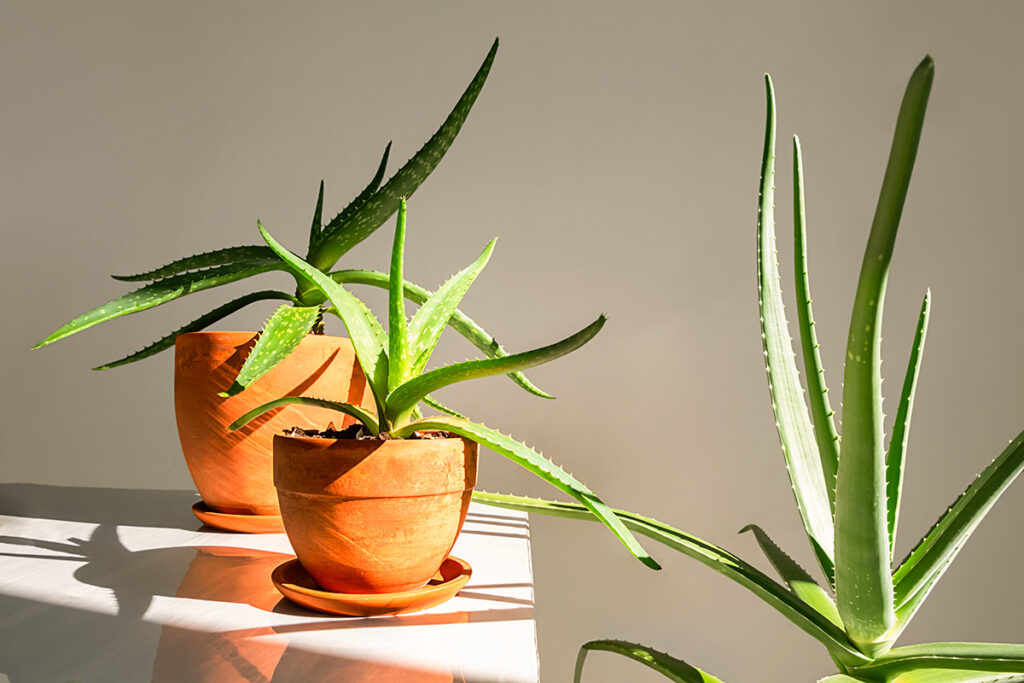
Aloe’s familiar spikes are a common sight in many homes. A lot of people keep one handy not only for its decorative value but also to treat minor kitchen burns. However, if you have pets, keep them away from this succulent plant. While the clear gel is technically nontoxic, the outer green skin and yellowish sap contain saponins and anthraquinones — substances that can cause vomiting, diarrhea, and lethargy.

Toxic to Dogs: Yes

Toxic to Cats: Yes

Credit: Evgeniya Pavlova/ iStock

2. Draceana

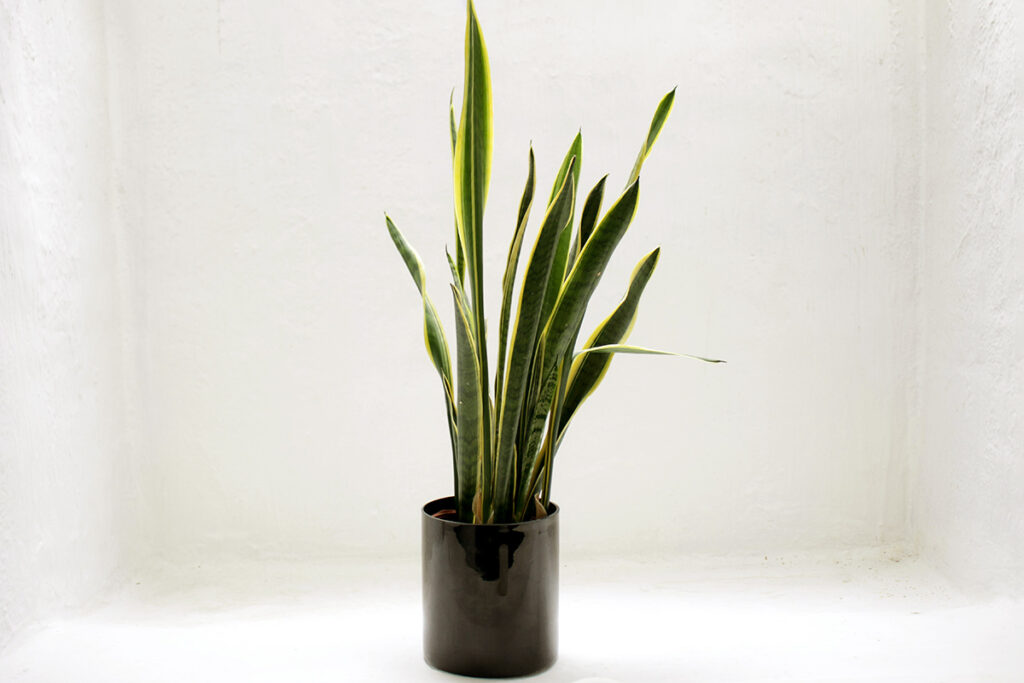
The Dracaena genus gives us a number of popular houseplants, including the snake plant, the corn plant, the sweet-blossoming Dracaena fragrans, and lucky bamboo. You wouldn’t guess it by looking at them, but these plants are distant relatives of the aloe plant. Similar to their botanical cousins, they are toxic to pets and can cause vomiting (sometimes with blood), drooling, loss of appetite, and extreme lethargy. In cats, you may also notice dilated pupils.

Toxic to Dogs: Yes

Toxic to Cats: Yes

Credit: Fabian Stroobants/ Pexels
Advertisement

3. Jade Plant

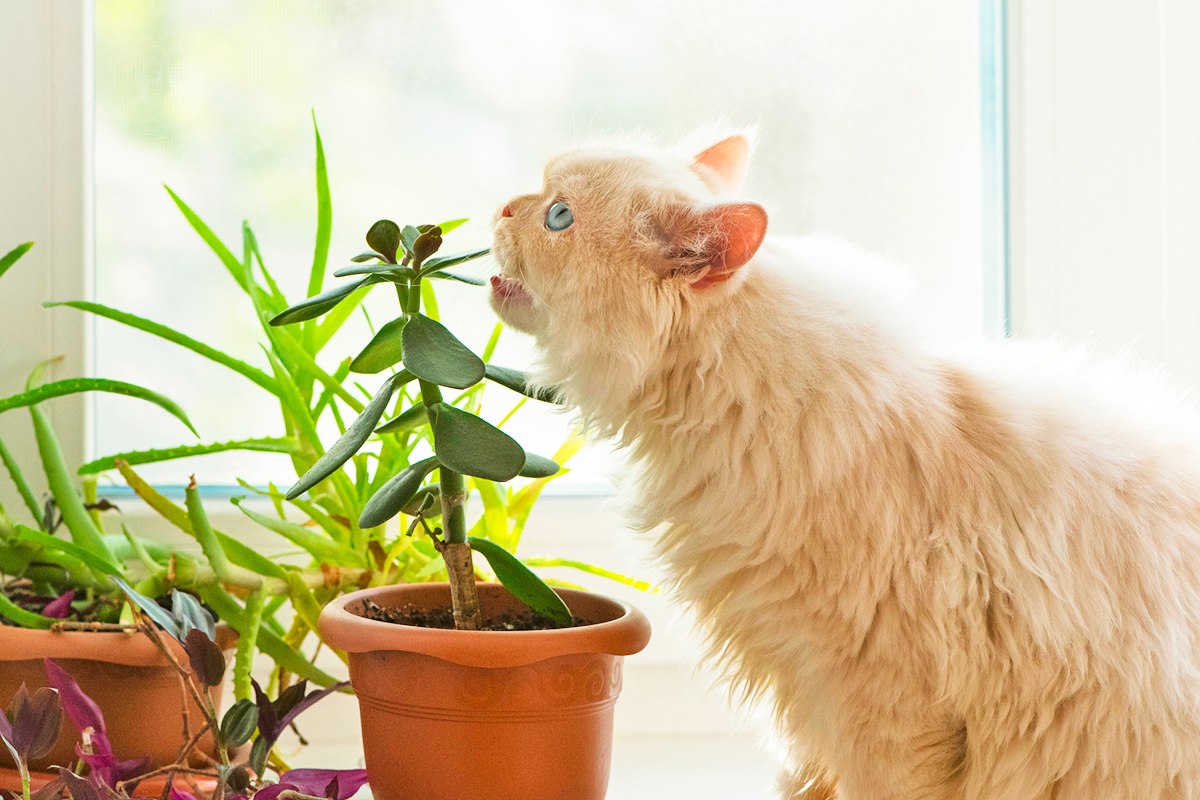
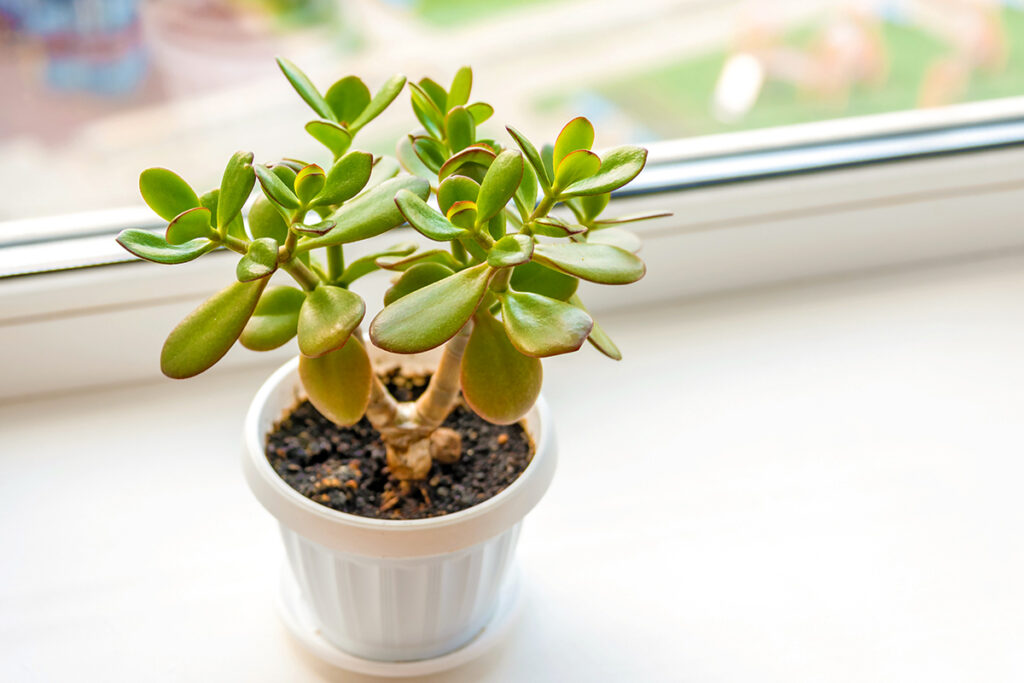
The jade plant (Crassula ovata), with its glossy round leaves, is one of the most popular succulents of all. Researchers haven’t yet isolated the specific toxin that makes jade dangerous to pets, but dangerous it is. Symptoms include vomiting, lethargy, and a loss of coordination.

Toxic to Dogs: Yes

Toxic to Cats: Yes

Credit: Andrey Nikitin/ iStock
Related: 10 Easy Ways To Fix Common Houseplant Problems

4. Easter Lily

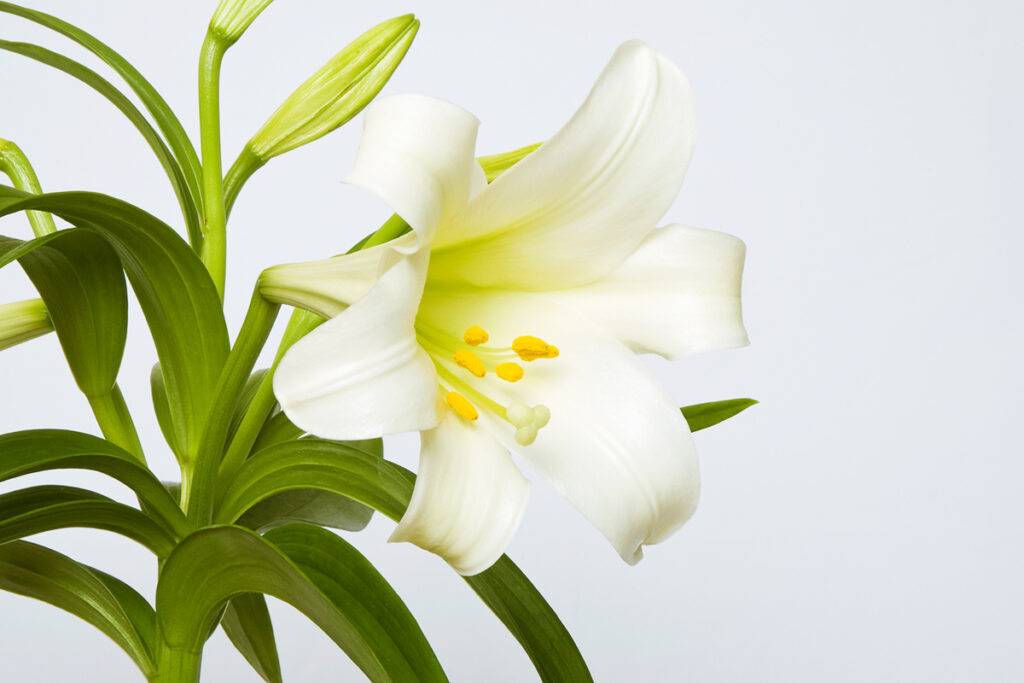
Even if you have a well-curated selection of winter-blooming plants to keep the blues away, by late in the season, many of us look for new greenery to brighten our space. One popular choice is the Easter lily (Lilium longiflorum), sold at grocery stores and home improvement stores as spring approaches. Unfortunately, while its “active ingredient” is unknown, the Easter lily is one of the most toxic houseplants for cats. It can cause vomiting, lethargy, loss of appetite, acute kidney failure, and even death. Among dogs, it can result in mild stomach upset. Another lily that’s often enjoyed indoors, the peace lily (Spathiphyllum spp.), is mildly toxic to both dogs and cats.

Toxic to Dogs: No

Toxic to Cats: Yes, severely

Credit: AK2/ iStock
Advertisement

5. Asparagus Fern

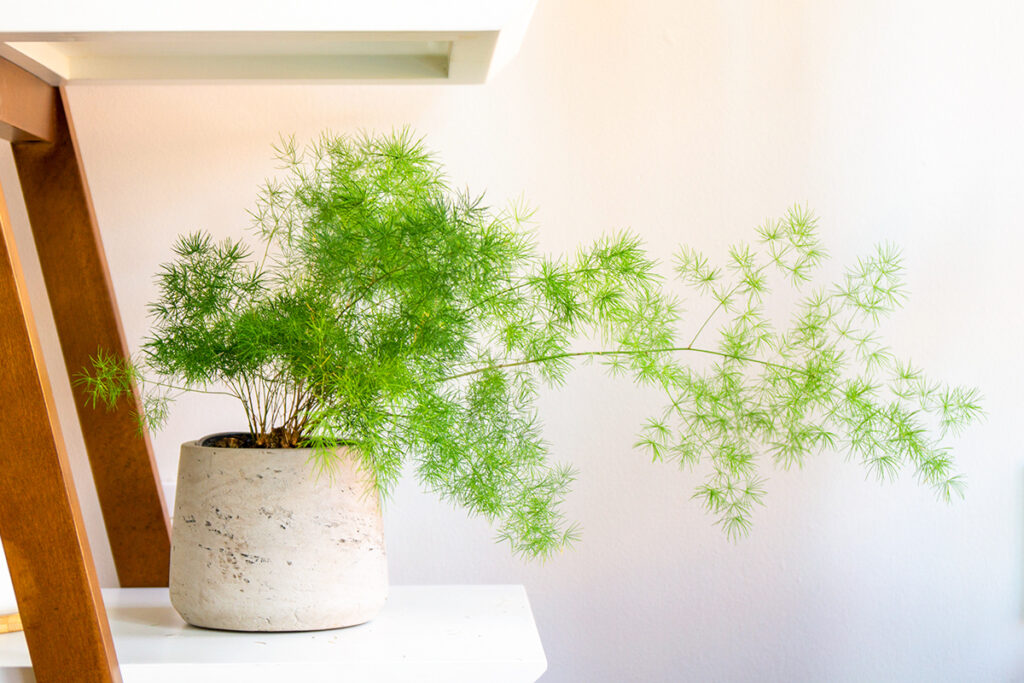
The asparagus fern — or foxtail fern (Asparagus densiflorus), if we’re being formal — is sought after for its dense, feathery foliage. It’s close kin to the asparagus we eat and even produces similar colorful berries. The plant itself is only mildly toxic, resulting in contact dermatitis (a rash, basically) with repeated exposure, but those berries are a different story. If eaten, they can cause your pet pain, vomiting, and diarrhea.

Toxic to Dogs: Yes

Toxic to Cats: Yes

Credit: jtap.io/ Adobe Stock

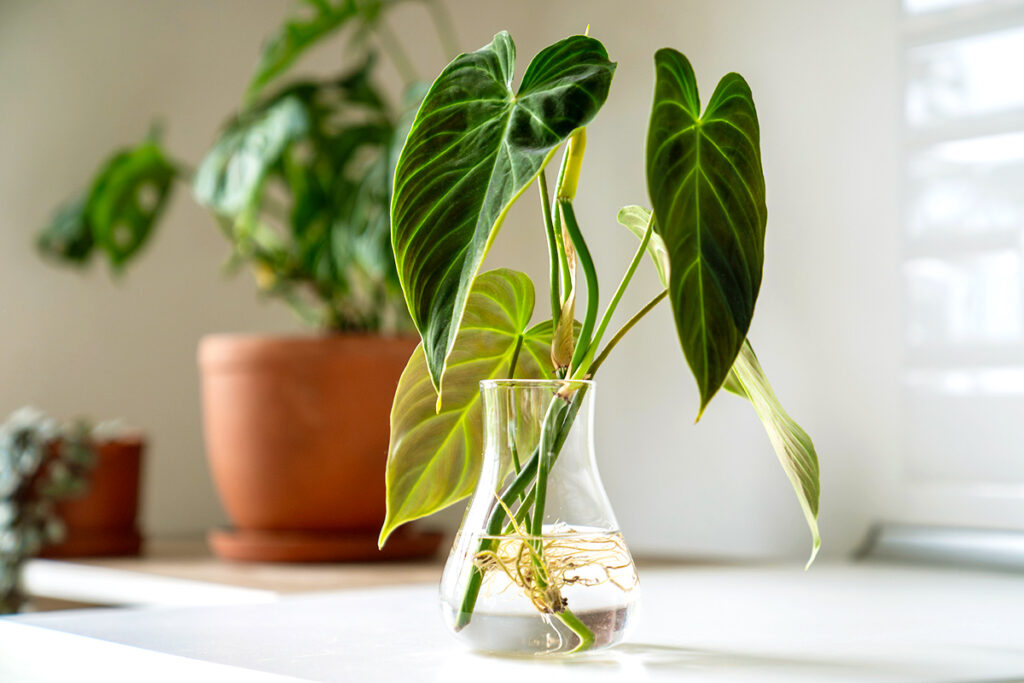
6. Philodendron

Philodendrons are a large genus of plants, with some growing as upright shrubs and others as trailing vines. Unfortunately, all philodendron species produce high quantities of calcium oxalates, the same chemicals that give nettles their sting. If a vomiting pet also shows signs of pain, mouth swelling, drooling, and difficulty swallowing, it may be due to chewing on a philodendron. These plants are just as irritating to humans, so keep young children away from them too.

Toxic to Dogs: Yes

Toxic to Cats: Yes

Credit: EyeEm Mobile GmbH/ iStock
Advertisement

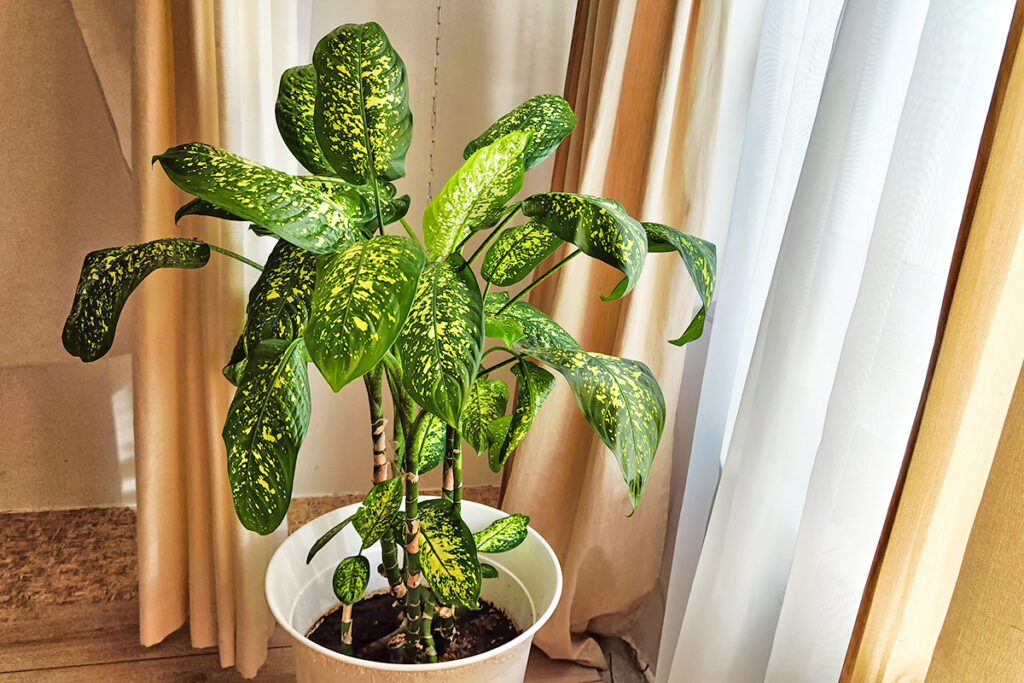
7. Dieffenbachia

Dieffenbachia’s large, variegated leaves bring year-round visual interest to any room, whether on their own or as the focal point for a cluster of houseplants. Although beautiful, Dieffenbachia packs the one-two punch of calcium oxalates and a proteolytic enzyme that breaks down proteins — similar to the enzymes found in pineapple. Ingestion causes intense, burning irritation of the mouth, tongue, and lips, as well as vomiting, excessive drooling, and difficulty swallowing.

Toxic to Dogs: Yes

Toxic to Cats: Yes

Credit: keleny/ Adobe Stock

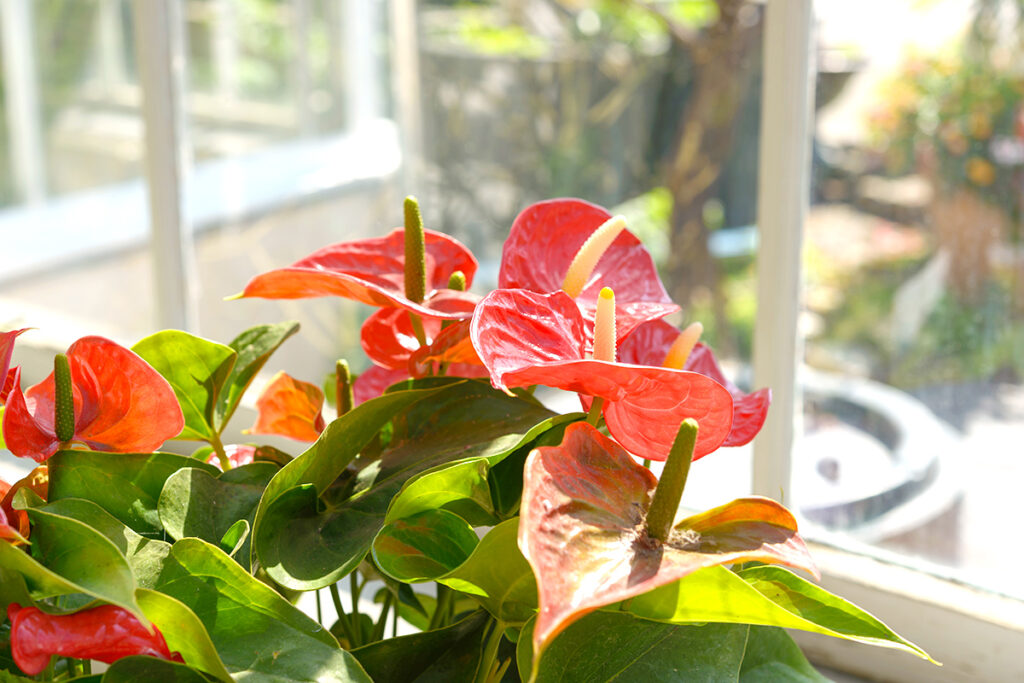
8. Flamingo Flower

The flamingo flower (Anthurium scherzeranum) — sometimes inaccurately called the flamingo lily due to its appearance — features a brightly colorful spathe (a modified leaf) surrounding a central flower spike. Similar to other plants on this list, it contains calcium oxalates that will cause oral pain and swelling, drooling, vomiting, and difficulty swallowing in pets.

Toxic to Dogs: Yes

Toxic to Cats: Yes

Credit: eugen/ Adobe Stock
Advertisement

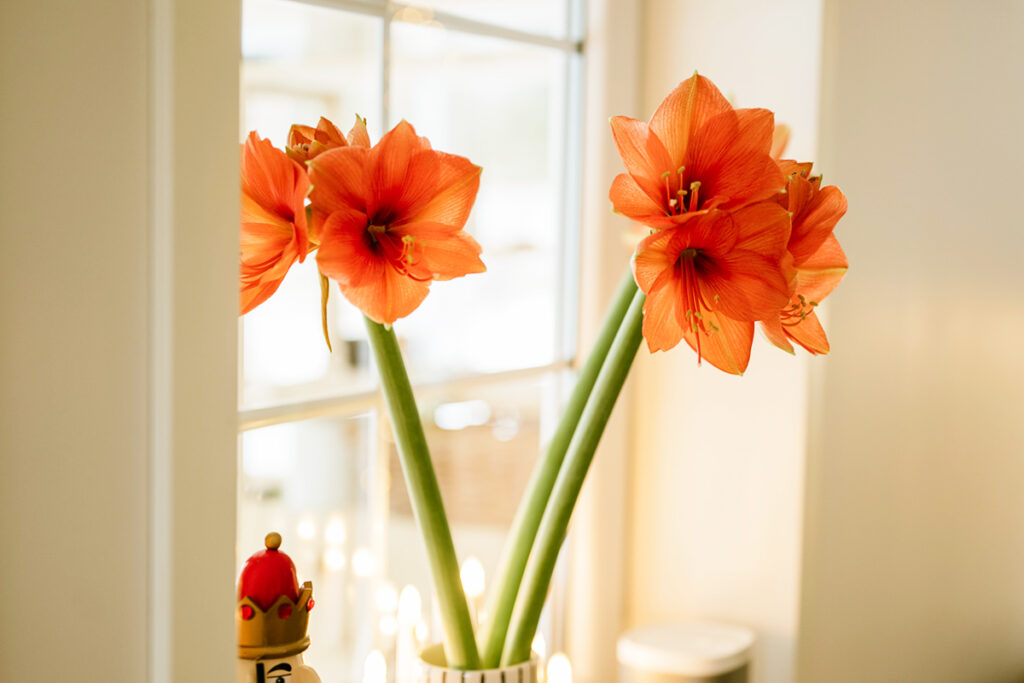
9. Amaryllis

To combat the winter blues, many indoor gardeners “force” bulbs into early blossoming. One popular option is the amaryllis, widely sold ready-potted in midwinter for a pop of color. Sadly, this beauty contains a toxic alkaloid called lycorine, which causes drooling, vomiting, diarrhea, lethargy, and even tremors or respiratory issues. While the toxin is present throughout the plant, it’s most concentrated in the bulb.

Toxic to Dogs: Yes

Toxic to Cats: Yes, and more acutely than for dogs

Credit: knape/ iStock
Related: 20 Essential Hacks Every Plant Parent Needs To Know

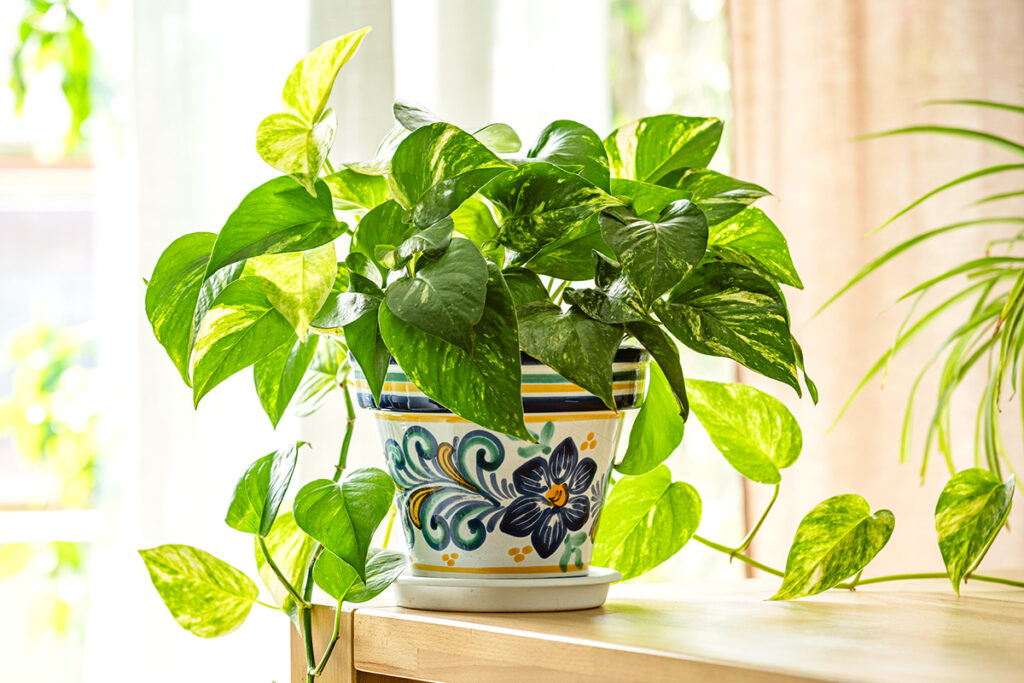
10. Pothos

This one hurts, because pothos is one of the best houseplants for both beginners and low-light settings. It’s a vining plant, capable of delivering vigorous growth even with inconsistent watering or poor light. However, similar to many others on this list, it produces oxalates that cause drooling, oral pain and swelling, vomiting, and difficulty swallowing. On the upside, pothos is commonly grown in hanging baskets or positioned atop bookshelves, where it’s safely out of reach for all but the most intrepid pets.

Toxic to Dogs: Yes

Toxic to Cats: Yes

Credit: fcafotodigital/ iStock
Advertisement

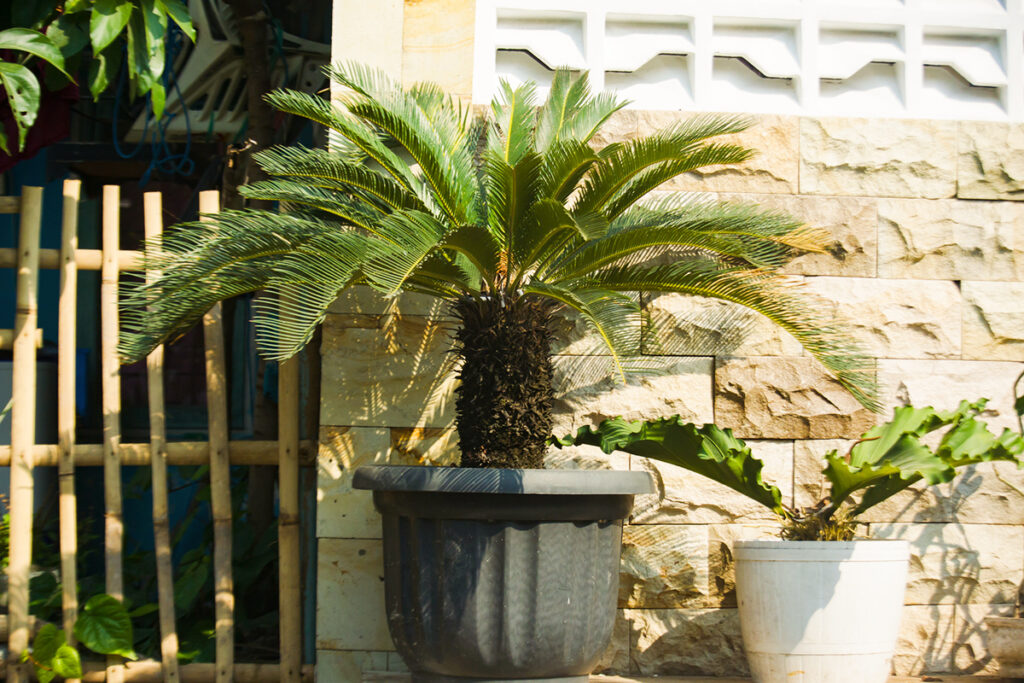
11. Sago Palm

Sago palms — a loose term used for several palmlike cycad plants, such as Cycas and Zamia — are commonly used for landscaping in warm climates and to bring a dramatic tropical look indoors. However, if you have pets, you should not keep sago palms in your home. Sago palms are among the most dangerous houseplants, containing severe toxins that are lethal in the majority of cases. Ingestion causes vomiting, increased thirst, and internal hemorrhaging (watch for blood in the stool, or black, tarry stool), as well as liver damage and potential liver failure. The nuts are the most toxic part of the plant, and just one can kill a medium-sized dog.

Toxic to Dogs: Yes; dogs are especially susceptible, as many like the taste

Toxic to Cats: Yes

Credit: raden yogana/ iStock

12. Hyacinth

Our last high-profile offender is the hyacinth, another flower that’s often forced in winter for early blossoms. Its toxicity comes from a combination of calcium oxalates and alkaloids such as lycorine, similar to those found in amaryllis, narcissus, and other flowers grown from bulbs. Hyacinth can cause intense vomiting and diarrhea — sometimes with blood — along with tremors and lethargy.

Toxic to Dogs: Yes

Toxic to Cats: Yes

Credit: t sableaux/ iStock
Advertisement
Featured Image Credit:  Irina Orlova/ iStock | Updated  Jan 7, 2026 |
Fred Decker
Writer
Fred Decker is a trained chef and former restaurateur. Since closing his restaurants over a decade ago he has been a prolific freelance writer, publishing several thousand articles on dozens of high-volume websites including Taste Of Home, Hunker, Tasting Table, Week&, eHow, and GOBankingRates. He lives on a rural acreage shared with a big garden, chickens, rabbits, and grandkids.
This article is for general informational purposes only.
Featured Image Credit:  Irina Orlova/ iStock | Updated  Jan 7, 2026 |
Advertisement
Food & Drink 3m read
47

Why You Shouldn’t Cook Garlic Right After Chopping

Garlic is one of the world’s favorite flavors, and you’d have to think long and hard to name a cuisine that doesn’t use it. It pairs perfectly with just about anything savory, and while garlic powder is a handy pantry staple, fresh garlic is the undisputed king. It delivers bigger, bolder flavor and more versatility, and it won’t leave behind that bitter, metallic aftertaste garlic powder sometimes has. However, there is one important nuance to be aware of: Adding garlic to the pan as soon as you’ve finished chopping it isn’t ideal. Here’s why.

Garlic is one of the world’s favorite flavors, and you’d have to think long and hard to name a cuisine that doesn’t use it. It pairs perfectly with just about anything savory, and while garlic powder is a handy pantry staple, fresh garlic is the undisputed king. It delivers bigger, bolder flavor and more versatility,…

The Chemistry of Garlic Flavor, and Why It Matters

Garlic’s flavor comes from a high concentration of sulfur compounds inside its juicy cloves — a trait it shares with the rest of the onion family. This is important because sulfur is a highly reactive element. When you chop fresh garlic, you’re breaking down the cell walls and allowing the garlic’s own enzymes to mingle with those compounds. The biggest players here are a molecule called alliin and an enzyme called alliinase. Once the garlic’s cell walls are crushed, the enzyme converts the alliin to allicin — the molecule responsible for garlic’s pungent flavor.

Related: A Simple Trick for Getting the Garlic Smell Off Your Hands

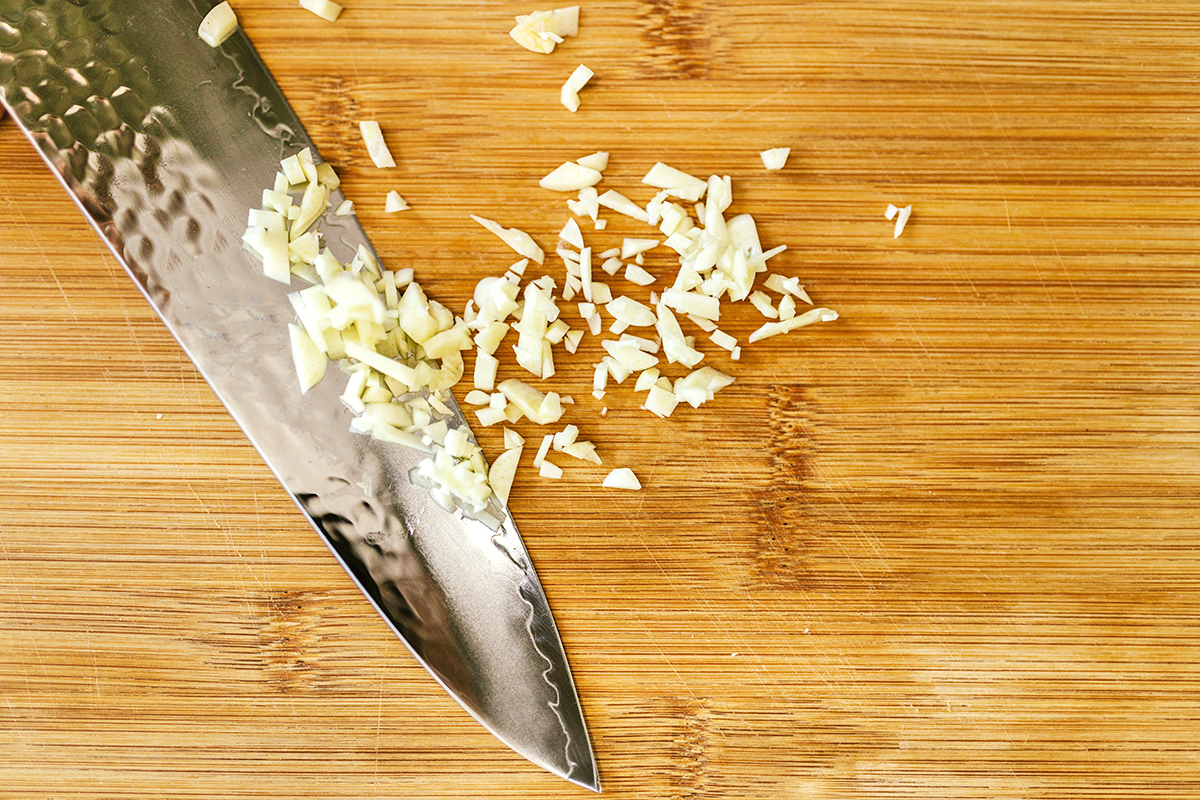
Chefs know that the finer you chop garlic, the more allicin is produced. A coarse chop, for example, smashes fewer cell walls, resulting in a lower concentration of allicin. If you chop your garlic finely or mince it to a paste, you’re creating significantly more allicin. Either way, allowing it to rest for 10 to 15 minutes after putting down your knife gives the alliinase time to do its work, building a richer and more complex garlic flavor.

Advertisement

Patience Is a Virtue

There’s another benefit to that resting time: Many cooks tend to put their chopped garlic into the pan too early, while the onions and other aromatic ingredients are just beginning to soften. This makes it easy to scorch the garlic, which makes it bitter and unpleasant. If you wait and add the garlic at the last minute, stirring frequently before adding any liquids or other ingredients, it has all the time it needs to mellow out and become aromatic.

Advertisement
Featured Image Credit:  RDNE Stock project/ Pexels | Updated  Jan 7, 2026 |
Fred Decker
Writer
Fred Decker is a trained chef and former restaurateur. Since closing his restaurants over a decade ago he has been a prolific freelance writer, publishing several thousand articles on dozens of high-volume websites including Taste Of Home, Hunker, Tasting Table, Week&, eHow, and GOBankingRates. He lives on a rural acreage shared with a big garden, chickens, rabbits, and grandkids.
This article is for general informational purposes only.
Featured Image Credit:  RDNE Stock project/ Pexels | Updated  Jan 7, 2026 |
Advertisement
Cleaning 2m read
469

The Best Way To Clean Salt Residue Off Your Floors

When you think of winter, chunky knit blankets, roaring fireplaces, and steaming mugs of hot cocoa might come to mind. But for anyone who lives in a snowy climate and likes a spotless home, the season also means contending with salt trickling in after each snowstorm. Salt may be helpful for melting ice and providing traction outdoors, but it’s a pain to deal with indoors, especially when it leaves behind stubborn residue. If your go-to cleaners aren’t cutting it, follow this step-by-step guide to get your floors looking pristine again.

All featured products and deals are selected independently and objectively by the author. House Outlook may receive a share of sales via affiliate links in content.

When you think of winter, chunky knit blankets, roaring fireplaces, and steaming mugs of hot cocoa might come to mind. But for anyone who lives in a snowy climate and likes a spotless home, the season also means contending with salt trickling in after each snowstorm. Salt may be helpful for melting ice and providing…

What You’ll Need

• Vacuum or broom

Soft mop

Spray bottle

• Microfiber cloth or towel

• Distilled white vinegar

• Warm water

Liquid dish soap (optional)

Advertisement

How To Get Rid of Salt Residue on Floors

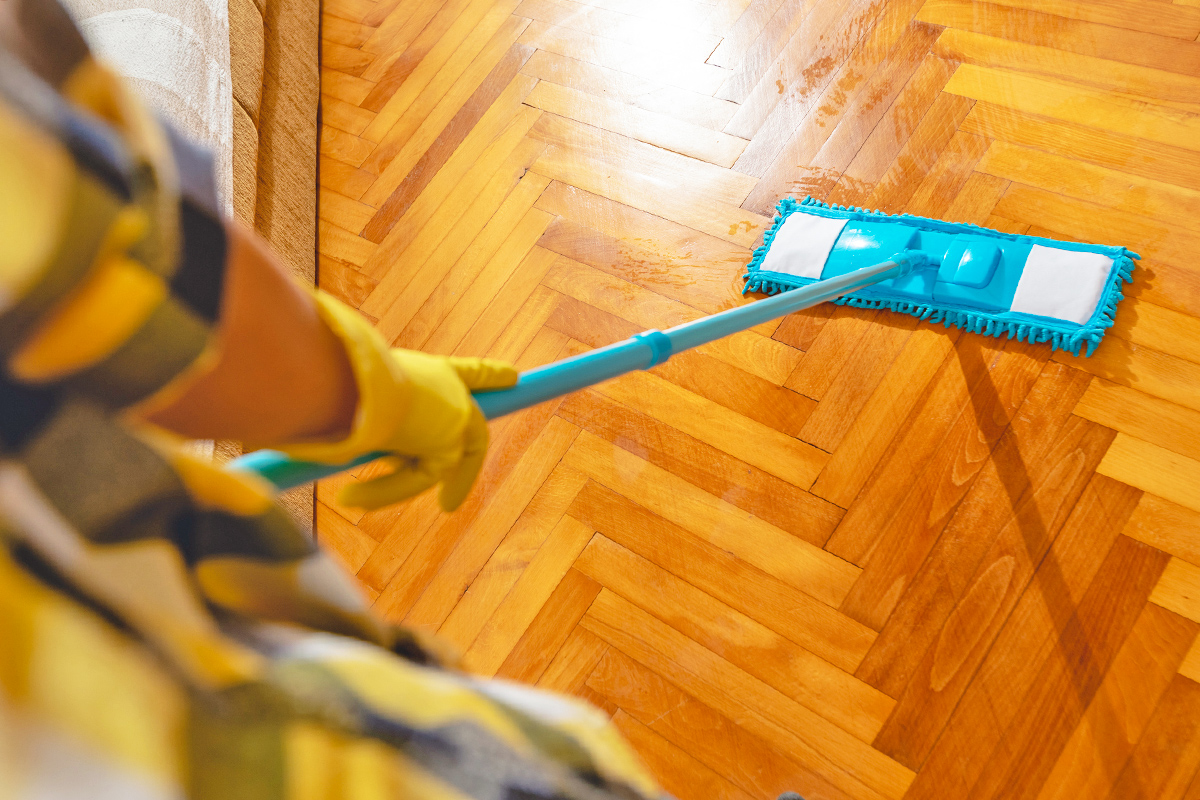
Start by vacuuming or sweeping to clear away any loose salt and debris. Next, create a cleaning solution using 1/3 cup of distilled white vinegar per gallon of warm water and transfer it into a spray bottle. For particularly stubborn stains, add a few drops of liquid dish soap to the bottle and shake well.

Related: 9 Messes You Should Never Clean With a Vacuum Cleaner

Spray the solution onto the floor and let it sit for 10 to 15 minutes to break down the minerals. Then, dampen a clean mop or cloth with lukewarm water and go over the area again. Vinegar is acidic, and if you don’t rinse it away, it could dull the floor’s finish over time. Finally, use a dry mophead, microfiber cloth, or towel to wipe down the floor, making sure it’s completely dry and no moisture remains.

Advertisement

Give It a Test Run First

There’s no denying that tracked-in salt can damage floors. However, using certain cleaners can be just as harsh. This hack is intended only for sealed floors; if you want to be extra cautious, perform a patch test in a discreet corner first. Apply a small amount of the cleaner to see how the finish holds up. The last thing you want to do is go all-in with a cleaning spray only to realize you’ve created a bigger mess than the one you were trying to clean.

Advertisement
Advertisement
Decorating 5m read
4,863

The Interior Design Trends Set To Take Over in 2026

Interior designers agree: 2026 is all about a return to spaces that feel uniquely yours. After years of pared-back minimalism, design enthusiasts are leaning into character by embracing nostalgic patterns, textured neutrals, and pieces with stories behind them. The year ahead is shaping up to be richly layered and deeply personal. House Outlook spoke to a dozen interior designers, including a few you may recognize from HGTV, to uncover the trends set to transform our spaces in 2026.

Interior designers agree: 2026 is all about a return to spaces that feel uniquely yours. After years of pared-back minimalism, design enthusiasts are leaning into character by embracing nostalgic patterns, textured neutrals, and pieces with stories behind them. The year ahead is shaping up to be richly layered and deeply personal. House Outlook spoke to…

’90s Nostalgia

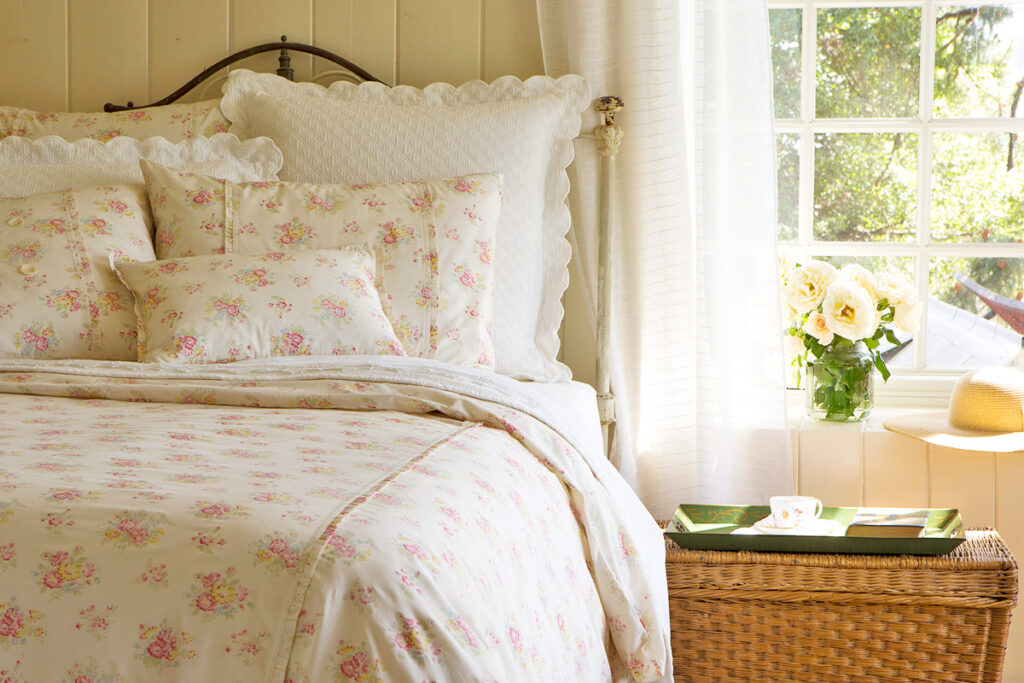
Forget minimalism — Erin Napier of HGTV’s Home Town says it’s giving way to nostalgic color and patterns reminiscent of our childhoods. “There’s something so comforting to me about the ’90s and the nostalgia of upholstered furniture and living rooms full of maximal color and patterns,” Napier says. “I want a house to feel like your story. It should be full of things you’ll love long after the magazines have moved on.”

Credit: rickszczechowski/ iStock

Darker Woods

Interior designer Amy Pigliacampo predicts dark woods will return in softer, modern ways. If you’re hesitant to fully commit, try a single piece, such as a coffee table or shelving. “It is all about adding contrast and warmth so the home feels grown-up, collected, and personal without feeling heavy,” Pigliacampo says.

Credit: Clay Banks/ Unsplash+
Advertisement

The Return of Maximalism

Designer Kathy Kuo is thrilled about a more thoughtful form of maximalism. “It’s not the approach that more is more, but a kind of maximalism that layers collected, personal objects throughout a home,” Kuo says. “They’re the kinds of nostalgic pieces that have been slowly picked up on travels or passed down from family members over time that tell the story of the people who live there.”

Credit: Annie Spratt/ Unsplash

Textured Neutrals 2.0

“Neutrals aren’t going anywhere, but 2026 is going to bring more dimensional neutrals — brushed stone, matte limewash, ribbed woods,” says Cole DeBoer, co-star of HGTV’s Down Home Fab and owner of the home goods store Down Home by DeBoers. Cole and his wife, Chelsea, recommend incorporating textured neutrals into your home via limewashed walls or fireplaces, upholstery with depth (think bouclé, heavy twill, or ribbed velvets), chunky wool or jute rugs, or ribbed cabinet fronts.

Credit: sergiophoto84/ iStock
Advertisement

Elevated Western

“Cowboy contemporary, which is so our vibe, is becoming more popular — earthy tones, rugged textures, metalwork, handcrafted pieces,” Chelsea DeBoer says. To try the style at home, she recommends refined cowhide accents, leather-wrapped cabinet pulls, warm woods (such as walnut, oak, or ash), and hardware in blackened steel, aged brass, or bronze.

Credit: JSB Co./ Unsplash+

Artisanal Craftsmanship

A renewed appreciation for handmade pieces is growing, according to Paige Henney of Bunkhouse Hotels and JdV by Hyatt. “After years of minimalist, almost anonymous interiors, there’s a real desire for pieces that feel handmade, textured, and personal,” Henney says. “These items have a history or a sense of narrative behind them.”

Credit: Fernanda Neitzel/ Pexels
Advertisement

A Shift Toward Ambient Lighting

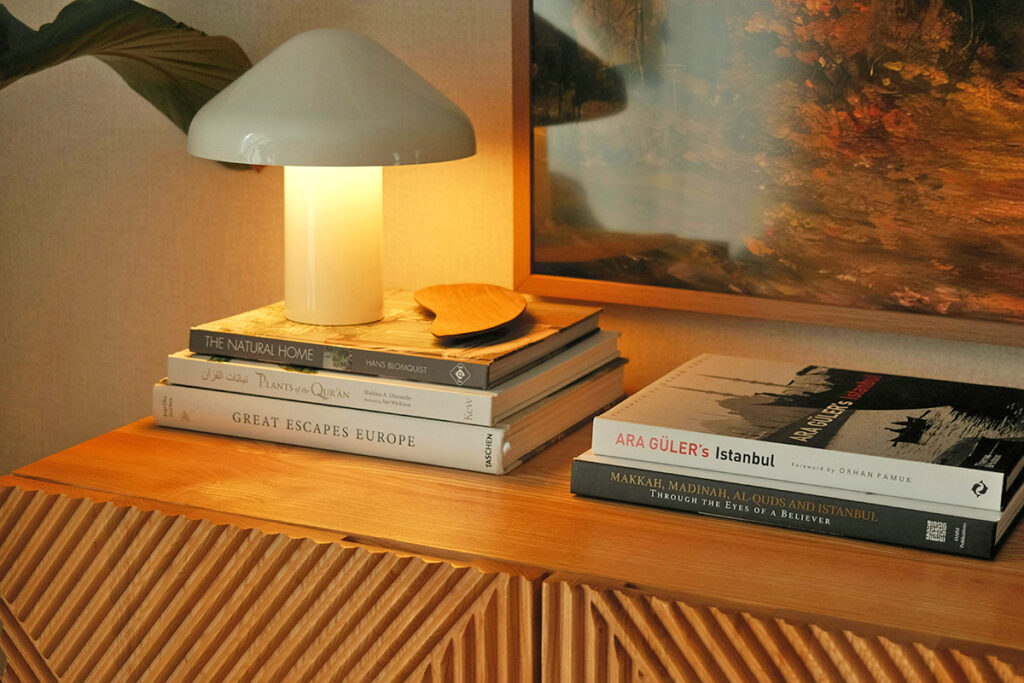
People are finally moving beyond harsh overhead lighting, much to interior designer Alicia Roche’s delight. Wall sconces, portable and non-hard-wired fixtures, and mini lamps create softer, layered light. “This trend offers a great opportunity to introduce playful design elements through ceramic, stone, or metal bases, patterned or pleated fabric shades, and unique glass treatments that double as functional art,” Roche says.

Credit: Sheyds Yıldız/ Pexels

Hospitality-Inspired Features

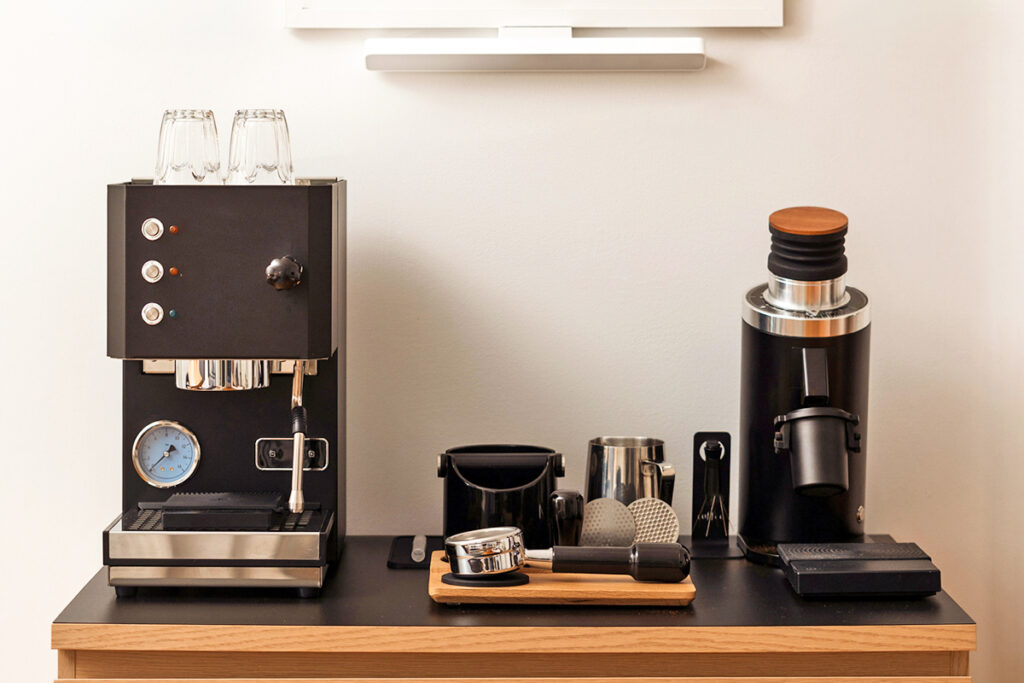
Designer Andrea Goldman is seeing increased demand for boutique hotel comforts at home, including floating bars in living spaces and in-suite coffee stations. “These details bring a sense of quiet luxury to daily life,” Goldman says.

Credit: brizmaker/ iStock
Advertisement

Heritage Design, Reimagined

Lindsey Jamison, partner and lead designer at Rumor Designs, is calling it: Classic elements such as wall paneling, checkerboard floors, and gallery walls are returning in 2026. This time they’ll have cleaner lines and tonal palettes.

Credit: Eoneren/ iStock

Living Finishes

Materials that age gracefully — including stone, wood, and metals — are gaining favor, according to interior designer Sarah Hart. “Clients are embracing imperfection and patina as part of a home’s evolving character,” Hart says.

Credit: Mesut çiçen/ Unsplash+
Advertisement

Incorporating More Vintage Pieces

There’s an upside to rising product costs, Roche shares, as more people will opt for preloved items. “These pieces bring character, charm, and a sense of history into the home,” Roche says, citing everything from framed art to cane chairs to decorative plates.

Credit: Polina Kuzovkova/ Unsplash

Wall-to-Wall Bedroom Carpeting

Wall-to-wall carpeting has returned in a strong way, according to Ashley Nath, studio director of interiors at Marmol Radziner, as it provides warmth, softness underfoot, and a quieting effect.

Credit: KatarzynaBialasiewicz/ Adobe Stock

Honoring Your Home’s Inherent Character

Designer Chad Hogan of Chandler Farms says individuals are moving away from forcing their homes into aesthetics that don’t suit them. Instead, folks are embracing original architecture and “the roots of the style and design that was intended.”

Credit: Clay Banks/ Unsplash
Advertisement
Featured Image Credit:  Clay Banks/ Unsplash | Updated  Dec 19, 2025 |
Megan McCarty
Writer
Megan McCarty is a Los Angeles-based writer who covers the fun stuff: design, travel, wellness, beauty, and fashion. She has written for publications including Domino, The Spruce, MyDomaine, Bustle, and Rue Magazine. Her life rules include, but are not limited to, zipper when merging, contribute to your IRA, and do the nice thing.
This article is for general informational purposes only.
Featured Image Credit:  Clay Banks/ Unsplash | Updated  Dec 19, 2025 |
Advertisement
Organizing 5m read
3,547

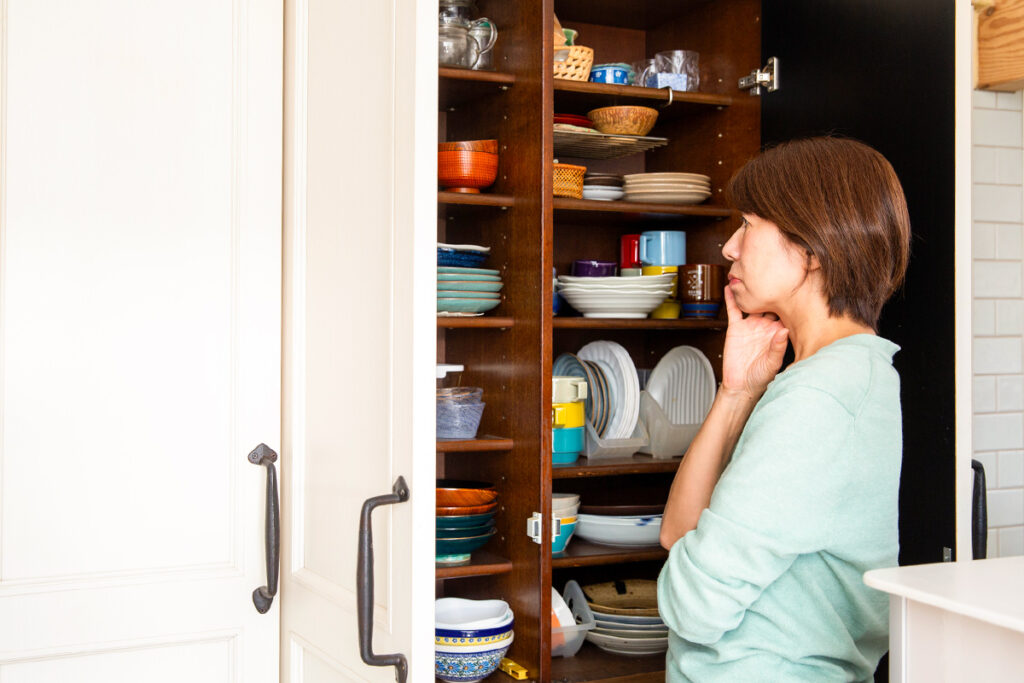
15 Things To Declutter From Your Kitchen Right Now

A functional kitchen isn’t about owning one more cookie sheet or coffee mug — it often relies on what you don’t have. Pantry staples past their prime and takeout containers with unidentifiable contents quietly steal precious space, making navigating your kitchen harder than it needs to be. Here are 15 things professional organizers say you can confidently clear out of your kitchen today.

A functional kitchen isn’t about owning one more cookie sheet or coffee mug — it often relies on what you don’t have. Pantry staples past their prime and takeout containers with unidentifiable contents quietly steal precious space, making navigating your kitchen harder than it needs to be. Here are 15 things professional organizers say you…

1. Stale Pantry Food

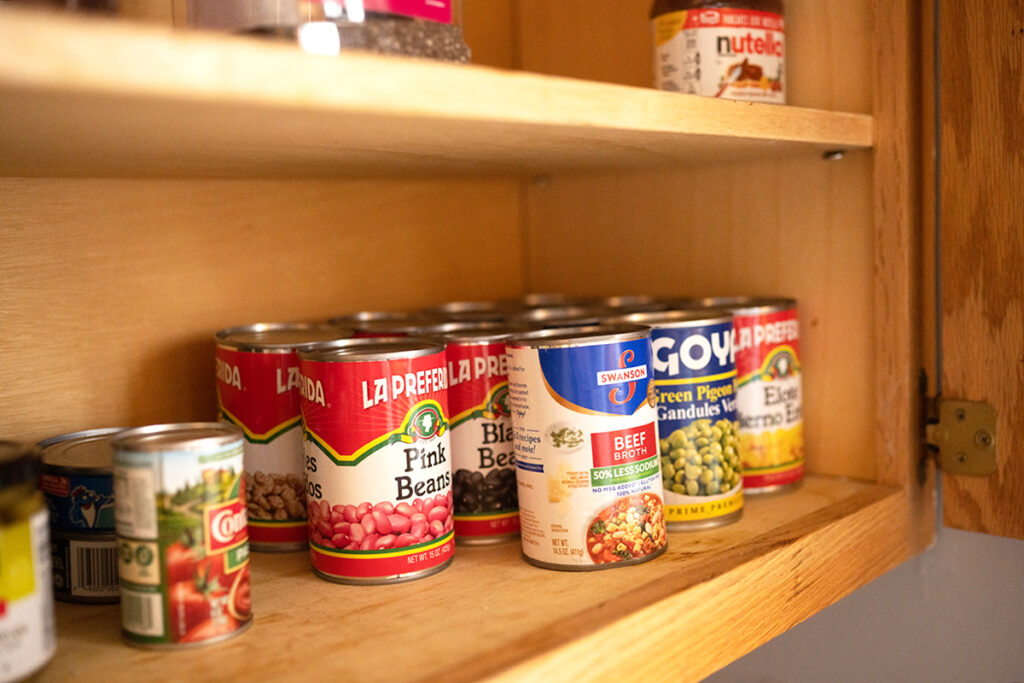
Start in the pantry by tossing stale grains and consolidating any half-used bags of flour. “Getting rid of expired or stale pantry items makes cooking, baking, packing lunches, and everyday grocery shopping so much easier,” says Olivia Parks, owner and lead organizer of Professional Organizer New Orleans. Not only does it help you reclaim valuable space, but it also makes it easier to access what you actually use.

Credit: Boogich/ iStock

2. Expired Spices

A dash of cinnamon from a decade-old jar won’t hurt you, but it won’t add much flavor either. Expired spices are dull and offer fewer health benefits, whereas fresher options taste and smell better.

Advertisement

3. Cookbooks You Never Open

“Favorite recipes come and go like fashion trends,” says Laurie Hise of Passionate Penny Pincher. Cookbooks can have nostalgic charm, but if one hasn’t inspired a meal in over a year, it doesn’t deserve prime kitchen real estate. Either store it elsewhere or simply take photos of the recipes you use and donate the book to your local Little Free Library.

Credit: Brett Jordan/ Unsplash
Related: 15 Things You Need To Get Rid of in Your Home

4. Excess Water Bottles

Water bottles multiply quickly, from freebies at work events to those “oops, I forgot a water bottle” airport purchases. Hise recommends keeping the two or three you use most often and letting the rest go.

Advertisement

5. Raggedy Kitchen Towels

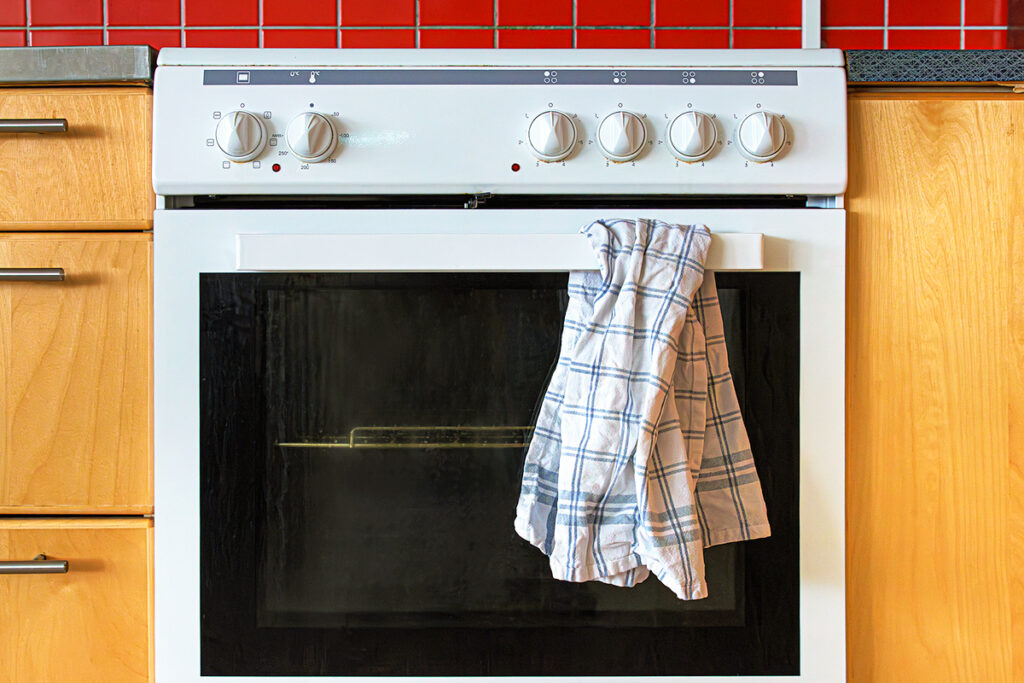
There’s a place for stained, ripped, and frayed towels, but it isn’t in your kitchen. Move those to the cleaning rag bin.

Credit: Dina Ivanova/ iStock

6. Chipped Mugs

That novelty mug from your family’s road trip to Mount Rushmore is cute, but if it’s chipped, it’s taking up valuable cabinet space. If a chipped mug has sentimental value, move it to a safer spot instead of letting it clutter your coffee zone.

Advertisement

7. Old Food in the Fridge and Freezer

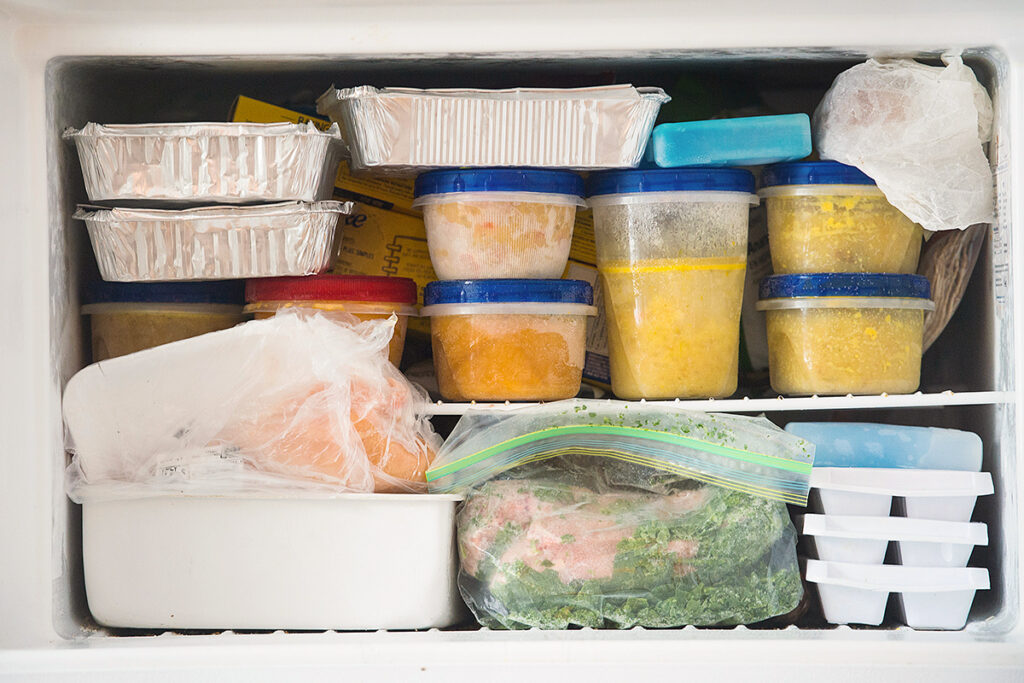
Freezer-burned ice cream, wilted produce, and moldy leftovers should all be tossed. “It makes it easier to keep your fridge and freezer clean and helps prevent [further] food waste,” Parks says.

Credit: Graham/ Adobe Stock

8. Cracked or Lidless Containers

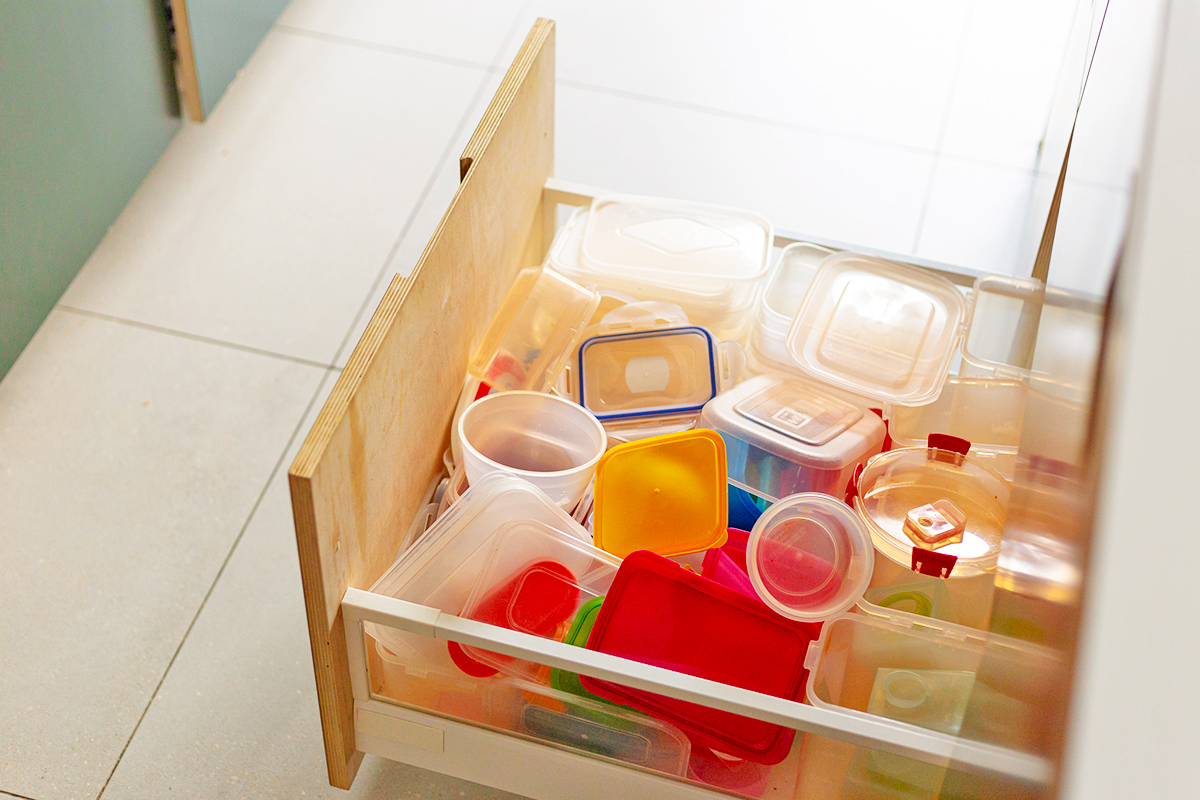
We all dream of an organized drawer full of matching food storage containers. But the reality is often a chaotic pile of lidless tubs and spaghetti sauce-stained containers. Toss anything cracked, warped, stained, or missing its counterpart. “If you’ve got a drawer full of mystery lids hoping to reunite with long-lost tubs, it’s time to let them go,” Hise says. 

Advertisement

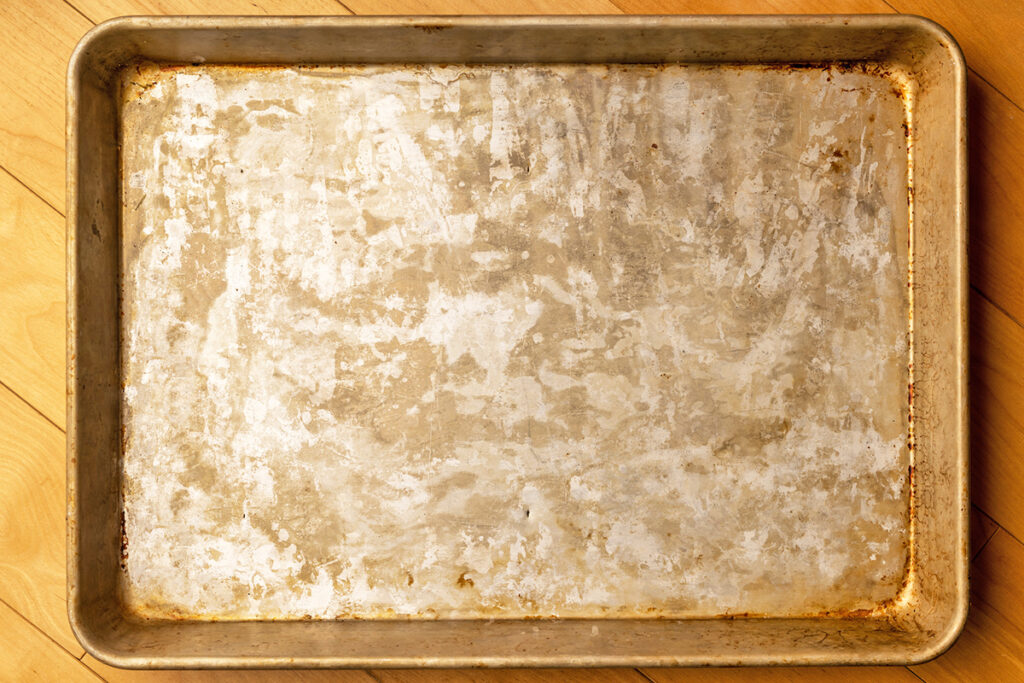
9. Worn-Out Baking Sheets

“Old baking sheets that are scratched or heavily stained don’t cook evenly and often cause food to stick,” Hise says. Clear out old or duplicate pans so you have reliable ones ready for everyday cooking and baking.  

Credit: Vitaly Sergachiov/ iStock

10. Duplicate Utensils

Two or three spatulas are useful, but six is excessive. “Every extra one you don’t use is just taking unnecessary drawer space or, even worse, cluttering your countertops,” Hise says. “Keep the best ones you use consistently and ditch the rest.”

Advertisement

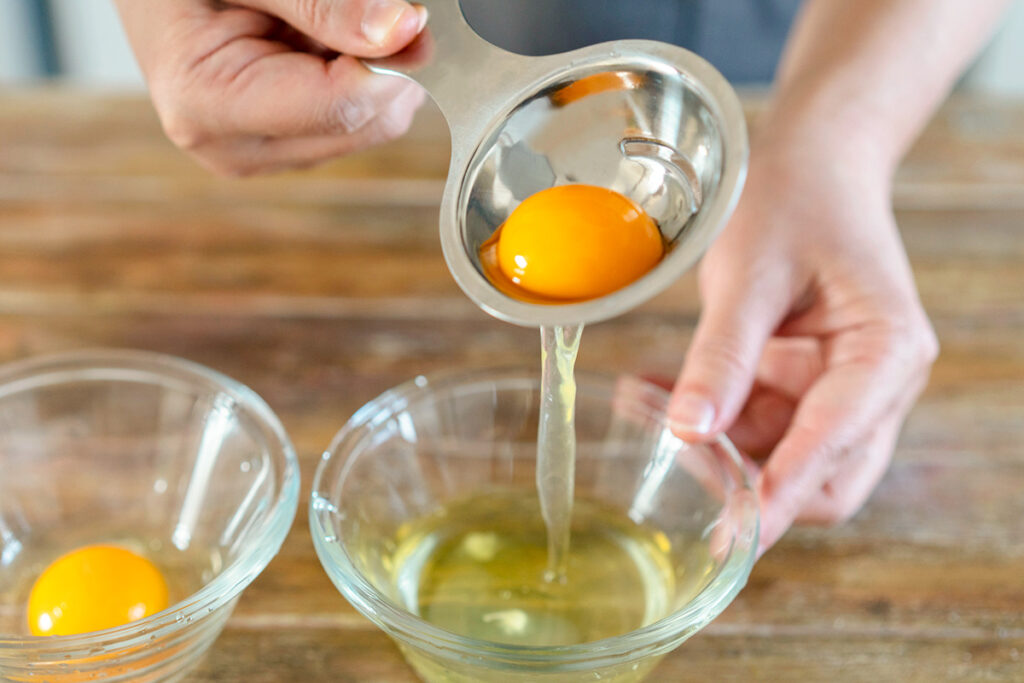
11. Single-Use Gadgets

“Unique, single-use gadgets that looked cool on social media — think watermelon cubers, egg separators, corn strippers, or even banana slicers — can go,” Hise says. A single good knife can do it all instead. 

Credit: yipengge/ iStock

12. Junk Drawer Fillers

A junk drawer is meant to be helpful in times of dead remotes or the rare occasion you need a rubber band. Don’t let it become a museum of random receipts and expired coupons. “Junk drawers fill up fast, so clearing out dried pens, broken crayons, and old keys will free up space and make finding the things you actually need much easier,” Parks says. 

Advertisement

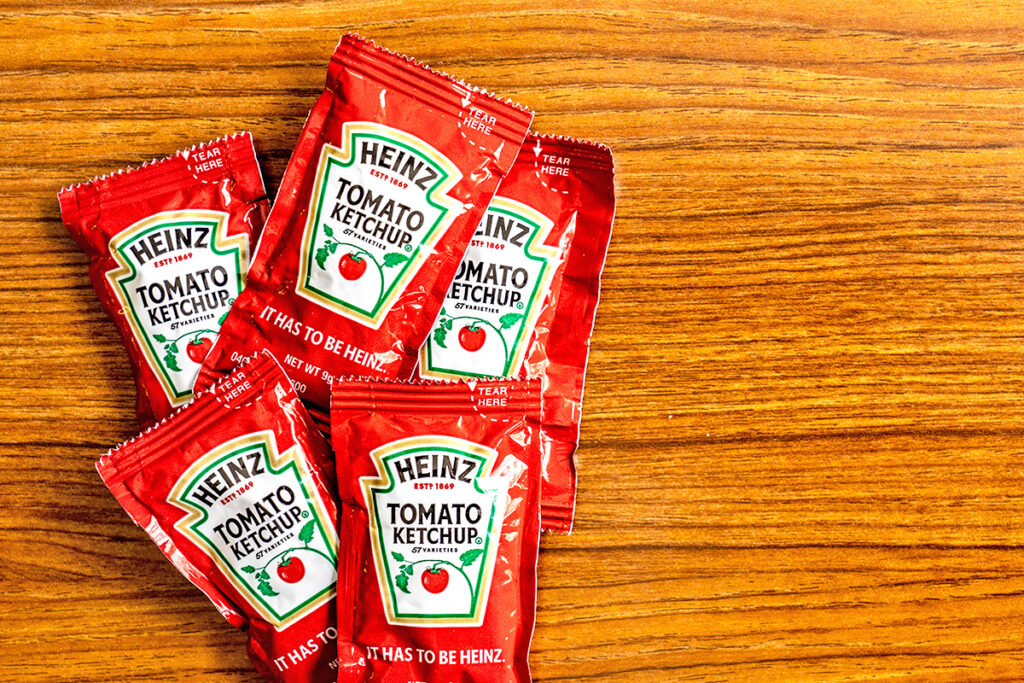
13. Takeout Condiment Packs

Be honest: Will you ever use those ketchup packets? Probably not. Toss any condiment packs and plastic cutlery you’ve accumulated from takeout orders.

Credit: Rosemarie Mosteller/ Adobe Stock

14. Scratched Cutting Boards

Bacteria love to hang out in grooves and gouges before making their way into your dinner. If your cutting board is full of deep scores, retire it not just for style, but for safety.

Related: 14 Things To Declutter From the Garage Right Now

15. Anything You Haven’t Used in a Year

A good rule of thumb: If you haven’t used something in a year, and it’s not seasonal or sentimental, you likely won’t miss it.

Credit: kazoka30/ Unsplash
Advertisement
Featured Image Credit:  coldsnowstorm/ iStock | Updated  Dec 19, 2025 |
Megan McCarty
Writer
Megan McCarty is a Los Angeles-based writer who covers the fun stuff: design, travel, wellness, beauty, and fashion. She has written for publications including Domino, The Spruce, MyDomaine, Bustle, and Rue Magazine. Her life rules include, but are not limited to, zipper when merging, contribute to your IRA, and do the nice thing.
This article is for general informational purposes only.
Featured Image Credit:  coldsnowstorm/ iStock | Updated  Dec 19, 2025 |