Advertisement
Food & Drink 3m read
332

Make Restaurant-Style Pizza in Your Own Oven

There’s a reason most of us prefer pizzeria pizza over homemade, and it isn’t always because we don’t feel like cooking. The primary reason is heat: Commercial pizza ovens reach temperatures far beyond home ovens, which typically max out at 500 degrees Fahrenheit. The wood-fired oven at that trendy pizza place across town, on the other hand, routinely hits 800 degrees or more. That intense blast of heat rapidly puffs the crust, creating a leopard-spotted underside and a flavor-enhancing char while quickly browning the cheese and other toppings.

All featured products and deals are selected independently and objectively by the author. House Outlook may receive a share of sales via affiliate links in content.

There’s a reason most of us prefer pizzeria pizza over homemade, and it isn’t always because we don’t feel like cooking. The primary reason is heat: Commercial pizza ovens reach temperatures far beyond home ovens, which typically max out at 500 degrees Fahrenheit. The wood-fired oven at that trendy pizza place across town, on the…

So how can you replicate this in a home oven that lacks the heat capacity, stone floor, and domed roof of a commercial model? A simple workaround can give you some of the best homemade pizza you’ve ever tasted with minimal fuss and investment.

Restaurant-Quality Home Oven Pizza

First, you must replicate the floor — or hearth — of a commercial oven. For that, you’ll need a pizza stone or steel large enough to hold the biggest pizza you plan to cook. While a steel is more expensive, it’s more durable and arguably more effective. Place it in your oven at its maximum temperature (usually 500 degrees Fahrenheit) for at least 30 minutes before baking.

Related: This Chef-Approved Trick Keeps Herbs Fresher for Longer

To recreate the tomato-blistering, cheese-browning top-down heat of a commercial oven, switch from the bake setting to the broiler. Your elements ordinarily heat the oven’s air, and it’s the air that heats the food. Your broiler uses infrared radiation from the red-hot element (usually a metal coil) to cook the surface of the food directly. 

Advertisement

The Best Homemade Pizza, Step by Step

Preheat the hearth: Put the pizza steel or stone in the oven and preheat to 500 degrees Fahrenheit (or as high as your oven will go) for at least 30 minutes.

Prepare the pie: Assemble your pizza and add your desired toppings.

Switch to the broiler: Once the oven is preheated, turn it off and immediately switch to the broil setting. If your broiler offers both high and low settings, select high.

Slide and bake: Carefully slide the pizza onto the hot stone or steel. Using cornmeal — or better yet, semolina flour — under the dough makes this easier. Take care not to burn yourself (a pizza peel is especially handy for this step). Broil until the cheese is bubbly and the crust is browned, then remove the pizza from the oven.

Advertisement
Featured Image Credit:  amirali mirhashemian/ Unsplash | Updated  Feb 10, 2026 |
Fred Decker
Writer
Fred Decker is a trained chef and former restaurateur. Since closing his restaurants over a decade ago he has been a prolific freelance writer, publishing several thousand articles on dozens of high-volume websites including Taste Of Home, Hunker, Tasting Table, Week&, eHow, and GOBankingRates. He lives on a rural acreage shared with a big garden, chickens, rabbits, and grandkids.
This article is for general informational purposes only.
Featured Image Credit:  amirali mirhashemian/ Unsplash | Updated  Feb 10, 2026 |
Advertisement
Decorating 3m read
1,296

3 Design Fixes for Your Home’s Biggest Eyesores

When it comes to interior design, it’s the little things that matter most. According to interior designer Hans Lorei, the smallest elements in a room are often the ones that become the biggest eyesores.

All featured products and deals are selected independently and objectively by the author. House Outlook may receive a share of sales via affiliate links in content.

When it comes to interior design, it’s the little things that matter most. According to interior designer Hans Lorei, the smallest elements in a room are often the ones that become the biggest eyesores.

Great design is about two things, Lorei says: Highlighting the beauty and quieting the not-so-pretty necessities. With color drenching in style, details such as vents, light switches, and outlet covers can suddenly stand out for all the wrong reasons.

Fortunately, there are simple solutions. Read on for three quick, easy fixes that will make your home look instantly more polished.

1. Make Outlets and Light Switches Disappear — Or Stand Out

Nothing ruins a beautifully painted wall faster than bright white outlet covers. Since paintable outlet covers cost only a couple of dollars, swapping them out is a no-brainer. Paint them the same color as the wall and watch the magic happen as they visually recede.

Related: Design Trends Homeowners Regret the Most, According to Interior Designers

Alternatively, you could turn your light switches into a design moment. While the metal switches you see in high-end interiors are undeniably chic, they often come with an eye-popping price tag — especially if you’re outfitting an entire home. A stylish middle ground, Lorei says, is mother-of-pearl push-button switches paired with elegant cover plates. They offer a classic feel and add subtle texture, all without blowing your budget.

Advertisement

2. Tone Down Can Lights

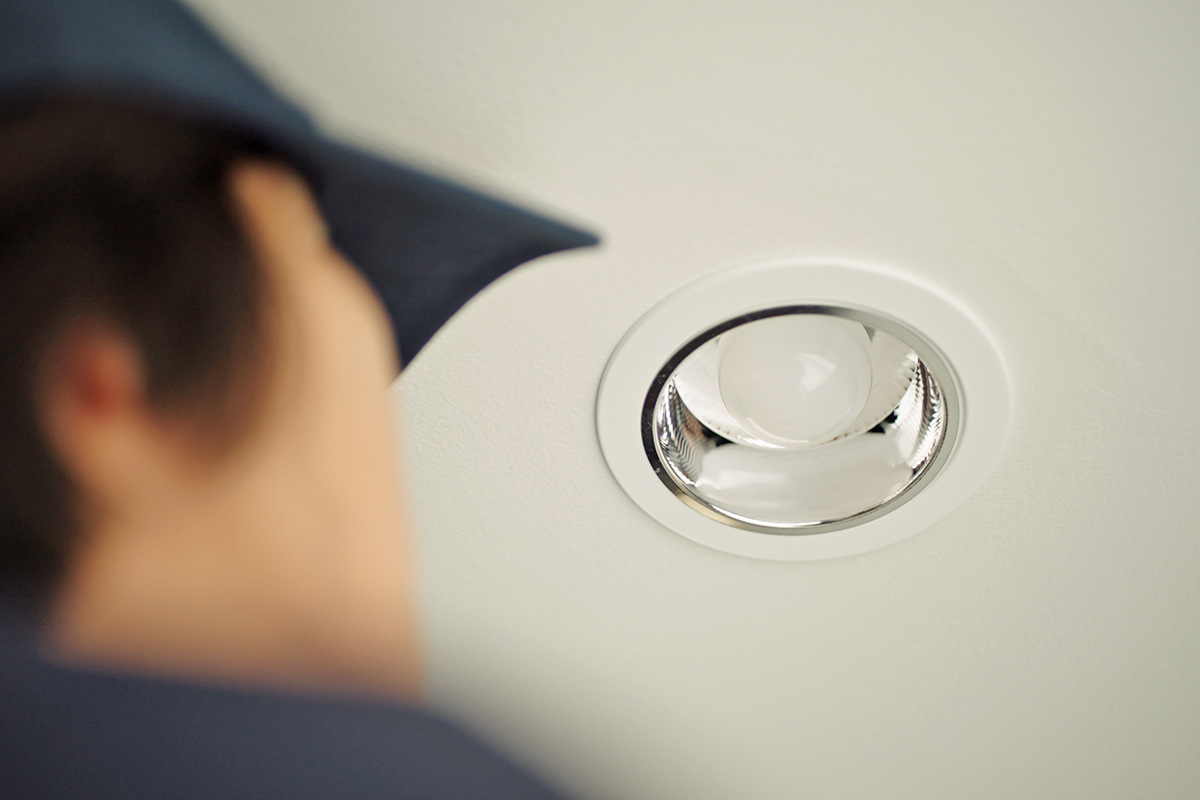
Take a look at your ceiling. The white plastic trim around recessed lights can really pop against a painted ceiling — and rarely in a good way. The quickest fix is to paint the trim to match the ceiling, even if it’s only a slightly different shade of white. For a sleeker, more modern look, consider switching to trimless cans.

Another solution is to eliminate them entirely. Many modern homes are “overlit,” according to Lorei, meaning you may be able to nix recessed cans in favor of layered ambient lighting. Floor lamps, sconces, table lamps, and even candles provide a far more inviting glow. 

3. Camouflage Vents and Registers

Decorative vent covers exist, but finding the right size and style can be tricky. Mud-in (or flush-mounted) options offer a sleek, custom look but are difficult to install and best left to the professionals. The easiest DIY option is to paint vents and registers the same color as your walls or ceiling. They’ll blend in seamlessly, no longer drawing unwanted attention.

Advertisement
Featured Image Credit:  pocketlight/ iStock | Updated  Feb 10, 2026 |
Megan McCarty
Writer
Megan McCarty is a Los Angeles-based writer who covers the fun stuff: design, travel, wellness, beauty, and fashion. She has written for publications including Domino, The Spruce, MyDomaine, Bustle, and Rue Magazine. Her life rules include, but are not limited to, zipper when merging, contribute to your IRA, and do the nice thing.
This article is for general informational purposes only.
Featured Image Credit:  pocketlight/ iStock | Updated  Feb 10, 2026 |
Advertisement
Home Improvement 3m read
553

Why You Should Always Put Tape on Your Drill Bit

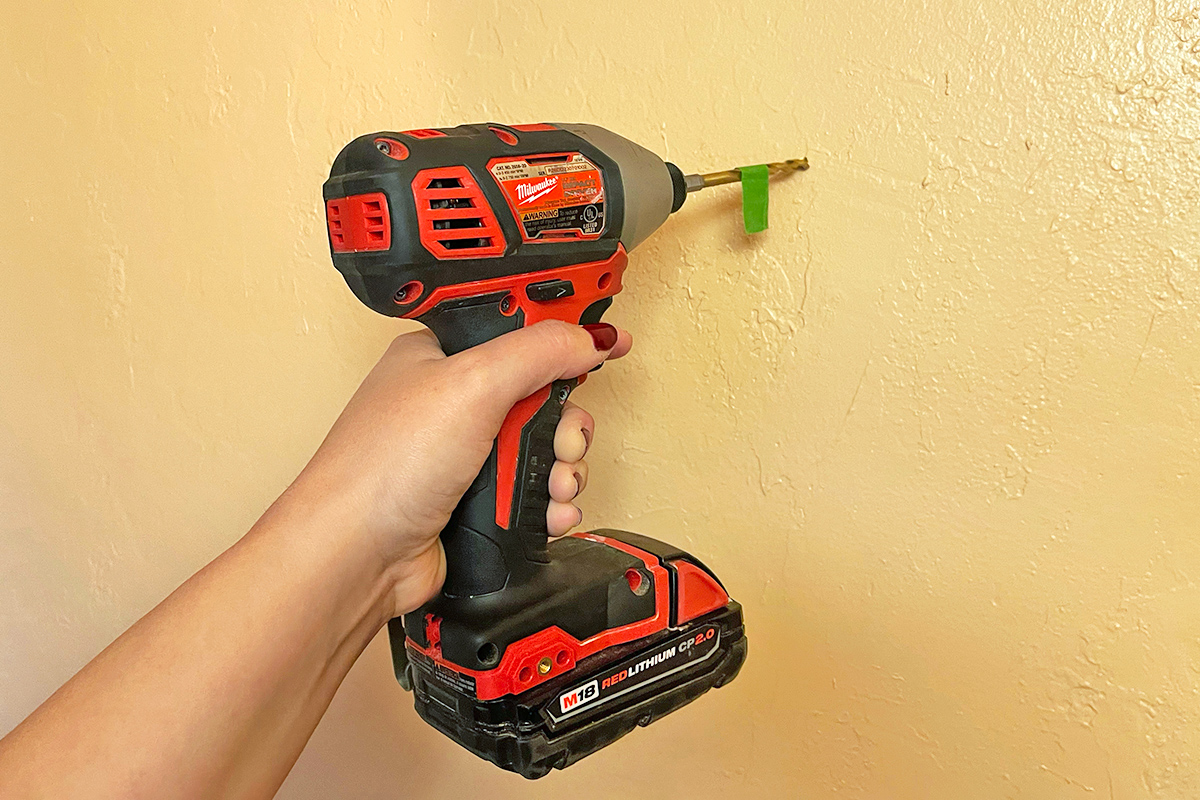
Some DIYers don’t take proper precautions before drilling into a wall or cabinet. For example, there are those who think they can just eyeball it, only to drill straight through the drywall and hit a hidden gas pipe. To avoid a potential disaster, it’s a good idea to use a visual aid that warns you when to stop. One easy way to do this is by wrapping a bit of tape around the drill bit — here’s how it works.

All featured products and deals are selected independently and objectively by the author. House Outlook may receive a share of sales via affiliate links in content.

Some DIYers don’t take proper precautions before drilling into a wall or cabinet. For example, there are those who think they can just eyeball it, only to drill straight through the drywall and hit a hidden gas pipe. To avoid a potential disaster, it’s a good idea to use a visual aid that warns you…

A Bit of Advice

The first step is to determine the exact depth of the hole you need to drill. This is typically done by measuring the hardware being inserted — such as a screw, anchor, or dowel — and transferring that measurement onto the drill bit using a tape measure. Mark the stopping point with a permanent marker or pencil, then wrap a piece of painter’s tape around the bit at that point. If you don’t have painter’s tape on hand, other durable options such as electrical tape or duct tape are solid alternatives, though they may leave behind a sticky residue.

Related: How To Drill Into Drywall Without Making a Mess

For example, if you need to drill exactly 2 inches into the wall, measure 2 inches from the tip of the drill bit and wrap it with painter’s tape, leaving only that 2-inch section exposed. The tape acts as a visual “stop sign,” alerting you when to stop drilling. In other words, you will know you’ve drilled 2 inches deep as soon as the tape sits flush against the wall. Because the edge of the tape can be difficult to see, try adding a 1-inch flag that extends from the bit, providing a more obvious visual marker for when you’ve drilled to your desired depth.

Advertisement

Beyond reducing the risk of drilling into hidden wires or pipes, this method ensures holes of a consistent depth. If you need to drill 10 holes that are each 2 inches deep, a little painter’s tape guarantees they will be equal depths without the need to remeasure every time.

A word to the wise: Don’t press too hard while drilling, as the extra pressure can cause the tape to slide up the drill bit ever so slightly. Maintain a steady, careful hand to ensure the tape stays put and the method remains effective.

Advertisement
Featured Image Credit:  Kelsey Morrison/ House Outlook Editor | Updated  Feb 10, 2026 |
Bennett Kleinman
Staff Writer
Bennett Kleinman is a New York City-based staff writer for Inbox Studio, covering topics for several brands including House Outlook and Better Report. He previously contributed to television programs such as "Late Show With David Letterman" and "Impractical Jokers," and digital publications like The Onion. Bennett is also a devoted New York Yankees and New Jersey Devils fan, and thinks plain seltzer is the best drink ever invented.
This article is for general informational purposes only.
Featured Image Credit:  Kelsey Morrison/ House Outlook Editor | Updated  Feb 10, 2026 |
Advertisement
Decorating 5m read
16,667

Design Trends Homeowners Regret the Most, According to Interior Designers

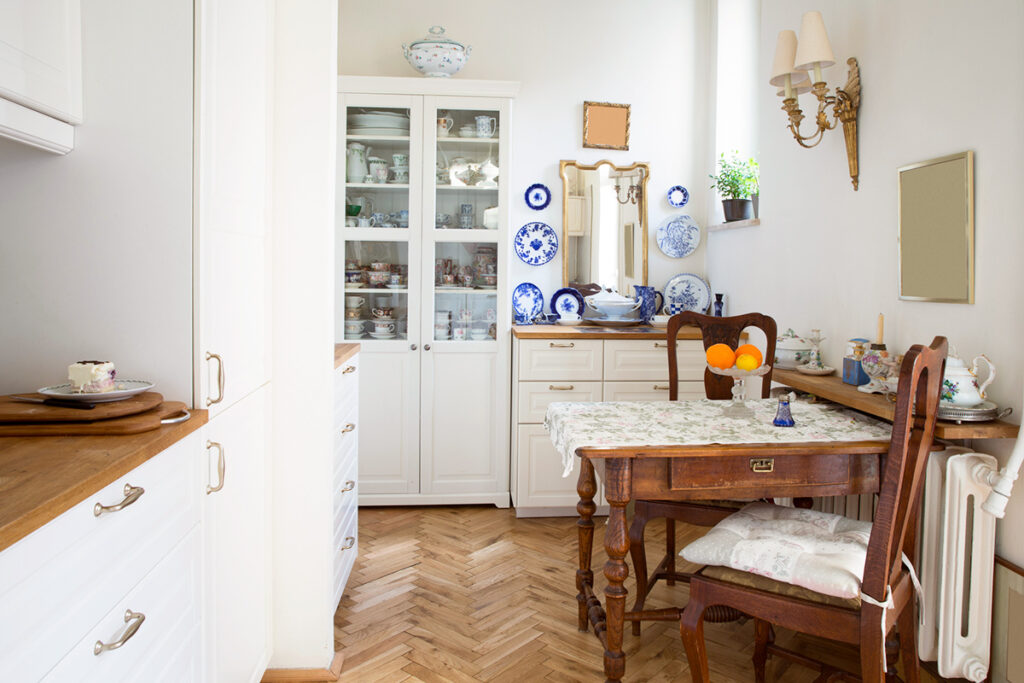
Home design trends come and go — some faster than others. Consider the sponge-painted walls of the ’90s, the ornamental Tuscan kitchens of the early 2000s, and the all-white-everything aesthetic of the 2010s. What feels fresh in the moment can quickly turn into regret, leaving homeowners wishing they had taken a more measured approach to design, prioritizing longevity and livability over fleeting trends.

All featured products and deals are selected independently and objectively by the author. House Outlook may receive a share of sales via affiliate links in content.

Home design trends come and go — some faster than others. Consider the sponge-painted walls of the ’90s, the ornamental Tuscan kitchens of the early 2000s, and the all-white-everything aesthetic of the 2010s. What feels fresh in the moment can quickly turn into regret, leaving homeowners wishing they had taken a more measured approach to design,…

Before you embark on an expensive renovation or redesign, consider these common design trends that interior designers say homeowners regret the most.

Granny Chic Style

Santa Monica and Montecito, California-based interior designer Janette Mallory consistently cautions clients against the current “granny chic” trend — an explosion of loud colors, bold patterns, and heavily layered visuals applied to everything from wallpaper and rugs to upholstery.

“I’ve never seen a trend move this fast, and spaces designed around it tend to age almost immediately,” Mallory says. “In my experience, I tend to tire quickly of intense colors and patterns, especially on sofas, chairs, and other foundational pieces. What feels exciting today can often feel overwhelming just a year or two later.”

Credit: mikolajn/ iStock

Barn Doors

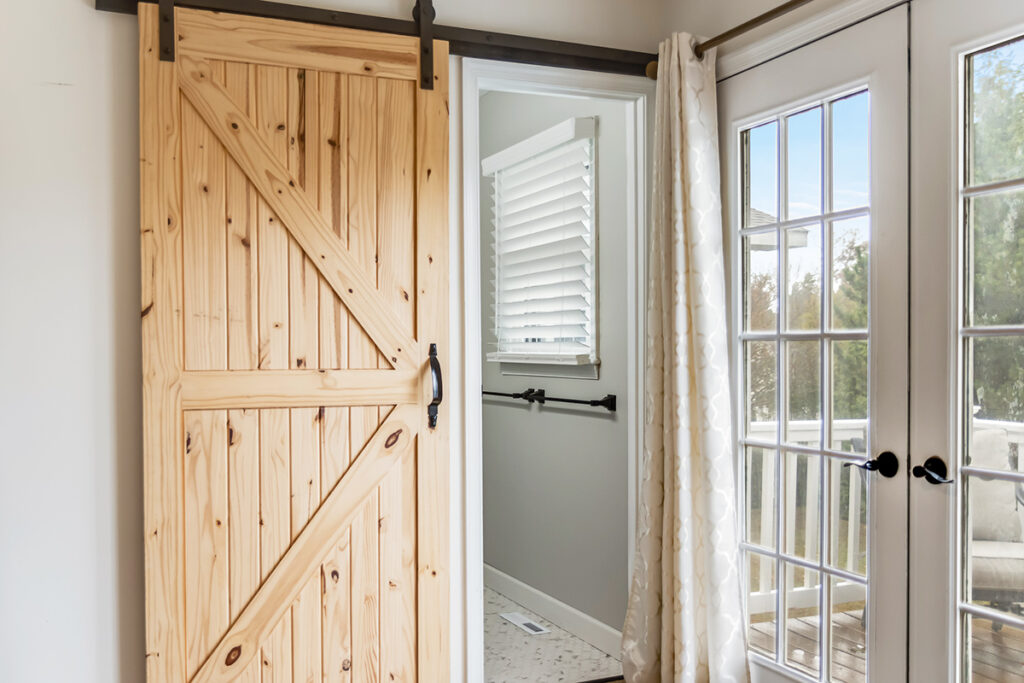
Barn doors can be charming, but they’re often impractical, says Jake Fry, founding owner and partner of the construction and design company Smallworks. They tend to slam against light-colored walls, causing scuffs and damage, and since they don’t sit flush, they do little to block out light, noise, or odors. Unless you can hear cows mooing from your front porch, barn doors can appear gimmicky over time.

Credit: Tyler Smiley/ iStock
Advertisement

Going All In on a Trend

Design trends don’t just come and go — they rise, peak, saturate, and inevitably fade. You don’t want to find yourself playing catch-up to a trend already on the downturn.

“A regrettable mistake is to go all in on any trend, especially if you are late to the party,” says Carey Karlan of the Stamford, Connecticut, firm Last Detail Interior Design. “So many clients resisted the recently departed neutral-gray trend until it was almost over and then embraced it too enthusiastically to try to be current. Because of late decisions like that, we were then playing catch up when the mood shifted to the next [trend].”

Credit: AzmanJaka/ iStock
Related: The Interior Design Trends Set To Take Over in 2026

Open Shelving

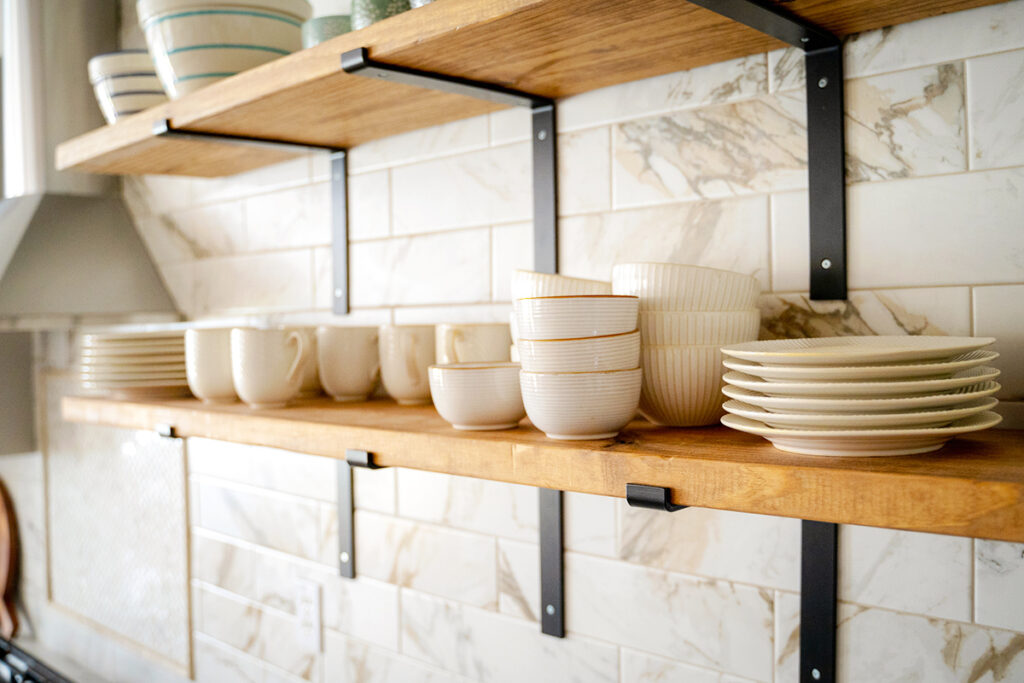
Think twice before you ditch cabinet fronts. Mallory warns that open shelving, especially in kitchens and bathrooms, often creates more stress than style. The drawbacks range “from constant dust and visual clutter to reduced storage and the pressure to keep everything perfectly styled at all times,” she says.

Credit: Kirpal Kooner/ iStock
Advertisement

High-Maintenance Tiles

Some of the most covetable tile selections come with long-term drawbacks. Jamie Chappell, vice president of brand and product at Fireclay Tile, points to two popular choices homeowners often regret.

“Zellige tile is undeniably beautiful, but it’s often more trouble than it’s worth,” Chappell says. Because each piece is handmade — resulting in variations in size and thickness — installation is often slow and tricky. Plus, the tiles are prone to surface chips and stains and must be sealed regularly to stay protected.

Cement tile presents similar challenges. “Cement tile’s bold patterns are stunning, but the upkeep can be a nightmare,” Chappell says. “It’s highly porous, so it stains and etches easily — think lemon juice or tomato sauce leaving permanent marks. It needs frequent sealing and careful maintenance, and it’s heavy and labor-intensive to install. Many versions are also made overseas with high water and energy use, which makes it less sustainable than it looks.”

Credit: Alexander Nevmerzhitsky/ iStock

Matte Black Fixtures

Matte black fixtures may look sleek when first installed, but they’re notoriously unforgiving in real life. Fry advises against them, noting they are prone to scratching and showing water spots. Instead, he suggests choosing more durable materials, such as unlacquered brass, polished nickel, or polished chrome, which are inherently timeless and wear beautifully as they age.

Credit: sergei scherbak/ iStock
Advertisement

The All-White Farmhouse Look

The popular all-white, white oak, modern farmhouse style may seem like a safe choice, but designers warn it can appear tired. Mallory describes the look as “an overly minimal white box.” While it once felt fresh, she says it has “quickly become flat, predictable, and dated as the trend [has saturated] the market.” Fry agrees, noting that these white-on-white designs show every single mark, creating stress and constant upkeep for homeowners.

Credit: Astronaut Images/ iStock
Related: Pantone’s Color of the Year for 2026 Is Its Most Divisive Yet

Bold Materials on Permanent Surfaces

Think twice before committing to statement finishes on surfaces that are difficult — not to mention expensive — to change. “I usually caution clients against committing to very loud tiles, high-contrast patterned stone, or overly saturated colors on permanent surfaces,” Mallory says. “They’re trending now, but they tend to dominate a space and feel dated much faster than quieter, more timeless materials.”

Credit: Wirestock/ iStock
Advertisement
Featured Image Credit:  Wirestock/ iStock | Updated  Feb 3, 2026 |
Megan McCarty
Writer
Megan McCarty is a Los Angeles-based writer who covers the fun stuff: design, travel, wellness, beauty, and fashion. She has written for publications including Domino, The Spruce, MyDomaine, Bustle, and Rue Magazine. Her life rules include, but are not limited to, zipper when merging, contribute to your IRA, and do the nice thing.
This article is for general informational purposes only.
Featured Image Credit:  Wirestock/ iStock | Updated  Feb 3, 2026 |
Advertisement
Cleaning 3m read
443

Clean Hood Vent Filters Without Lifting a Finger

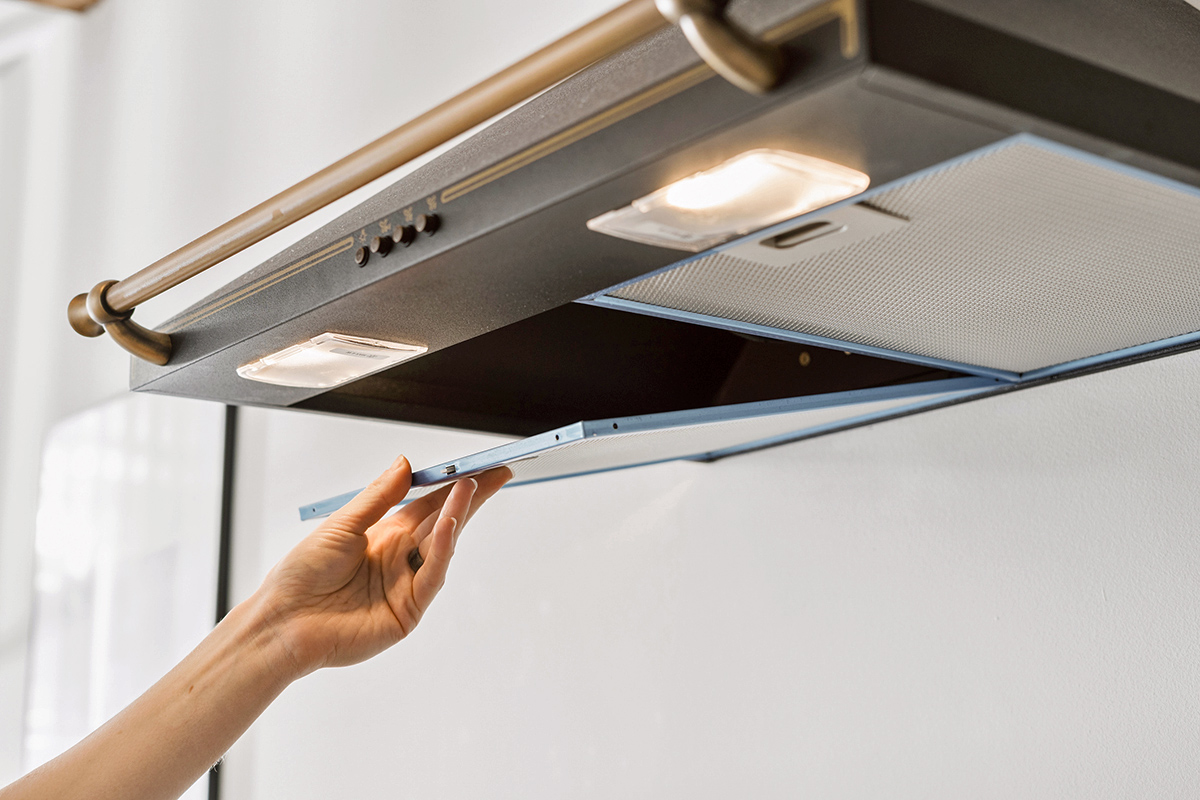
Range hoods are easy to overlook, but they’re among the most important appliances in your kitchen. These vents are designed to capture smoke, steam, and airborne grease to improve indoor air quality and prevent sticky buildup on your cabinets. In short, if you have a stove, you need a range hood. While the suction draws away pesky particles with ease, cleaning the filters that trap them is anything but effortless.

All featured products and deals are selected independently and objectively by the author. House Outlook may receive a share of sales via affiliate links in content.

Range hoods are easy to overlook, but they’re among the most important appliances in your kitchen. These vents are designed to capture smoke, steam, and airborne grease to improve indoor air quality and prevent sticky buildup on your cabinets. In short, if you have a stove, you need a range hood. While the suction draws…

Don’t Fret Over Greasy Filters

Cleaning your range hood filters is one of the most important things you can do to prevent fire hazards and maintain your home’s air quality. However, it’s not enough to simply wipe down these filters. Because they’re designed to trap oil (and do so quite effectively), grease gets stuck deep inside the mesh, making them difficult (and annoying) to scrub clean. What many people don’t realize is that you can often just pop these filters into the dishwasher and move on with your life.

Related: 9 Forgotten Household Filters You Need To Clean or Replace
Maintenance Tip

Clean your range hood filters every one to three months to ensure peak performance and better air quality throughout the home. If you do a lot of high-heat cooking or deep frying, consider cleaning the filters every two to four weeks. If you cook infrequently, once every six months is likely enough.

Advertisement

Let the Dishwasher Do the Work

Just like it does for your dirty dishes, a dishwasher can work magic on a filter’s stubborn grease and grime. The high-pressure jets and concentrated detergent break down heavy buildup far better than hand-scrubbing, ensuring your range hood runs both efficiently and effectively.

It’s best to wash the filters alone to prevent cross-contamination. Place them on the bottom rack of the dishwasher, spaced far apart and angled slightly downward. Select a cycle with a higher water temperature and longer wash time to cut through the grease. Once the dishwasher cycle is complete, check the filters for any remaining residue. A rinse under hot water may be necessary before drying them completely and reinstalling.

This method works well for many range hood filters, though there are some exceptions. If a filter is made of aluminum or contains charcoal, it’s not dishwasher-compatible. Harsh detergents can cause aluminum filters to discolor or oxidize, so you’ll want to clean them by hand with hot water and grease-cutting soap. (If you’re renting and find that the old, crusty aluminum filters in your range hood are beyond saving, you can also replace them.) Charcoal filters cannot be washed at all and must be replaced periodically. Refer to the owner’s manual for your specific model’s maintenance schedule.

Advertisement
Featured Image Credit:  brizmaker/ iStock | Updated  Feb 3, 2026 |
Jessie Quinn
Writer
Jessie Quinn is a Los Angeles-based lifestyle journalist with words published in PEOPLE, StyleCaster, Apartment Therapy, The Spruce, Byrdie, and more. She has a Bachelor's Degree in fashion journalism from Academy of Art University and her work spans across many categories, including style, beauty, home, health, crafts, and more.
This article is for general informational purposes only.
Featured Image Credit:  brizmaker/ iStock | Updated  Feb 3, 2026 |
Advertisement
Food & Drink 2m read
381

A Genius Way To Store Leftover Cake

From birthdays to bridal showers, any celebration is better with a little (or a lot of) cake. Whether you baked it from scratch or bought it from the grocery store, cutting and serving it to your guests is generally pretty easy. Storing the leftovers is another story. Do you leave the cake in that flimsy cardboard box or the disposable, comically loud plastic container to inevitably dry out? Or cover it in plastic wrap that’s sure to smudge the icing? A genius hack using a basic, reusable food storage container is about to make your life easier.

All featured products and deals are selected independently and objectively by the author. House Outlook may receive a share of sales via affiliate links in content.

From birthdays to bridal showers, any celebration is better with a little (or a lot of) cake. Whether you baked it from scratch or bought it from the grocery store, cutting and serving it to your guests is generally pretty easy. Storing the leftovers is another story. Do you leave the cake in that flimsy…

The Best Way To Store Leftover Cake

Storing leftover cake in its original packaging — especially a cardboard box — is a risky move. More often than not, the packaging isn’t airtight. In just a matter of days, your cake can dry out, turn stale, or, worse, absorb other food odors in the fridge.

An easy way to store leftover cake is to use a food storage container, but not in the way you’d expect. You could try to scoop some slices into the container the traditional way, but there’s a chance they’ll tip over or the frosting will smear.

For this hack, choose a food storage container tall enough to house your cake without squishing the top. This trick is particularly useful for stashing individual slices, allowing you to use the standard containers you already have on hand instead of hunting for an oversized one.

Advertisement
Related: The Baking Trick for Perfectly Flat Cake Layers

Take the lid of the food storage container and flip it over so the grooves are facing up; this will serve as the base. Slide the leftover cake onto the lid, then secure the container onto the lid like a dome. Think of it as a DIY cake stand, but with a much tighter seal. Your leftovers will stay moist and delicious, rather than drying out in a cardboard box.

Advertisement
Advertisement
Gardening 3m read
338

Cut Flowers Perfectly To Fit Any Vase

Creating a floral arrangement is one of those things that looks much easier than it actually is. It seems as simple as placing a few flowers into a vase, but in reality, there’s an art to it — you have to consider everything from the vase itself to the exact length and angle at which the stems are cut. Let’s start with the latter.

All featured products and deals are selected independently and objectively by the author. House Outlook may receive a share of sales via affiliate links in content.

Creating a floral arrangement is one of those things that looks much easier than it actually is. It seems as simple as placing a few flowers into a vase, but in reality, there’s an art to it — you have to consider everything from the vase itself to the exact length and angle at which…

How To Cut Stems To Fit Any Vase

As much as we’d love to have a vast collection of vases, most of us rotate through a trusty few. If that’s the case for you, this handy trick will save you a lot of guesswork.

To cut stems for a perfect fit in almost any vase, use the golden ratio: Ideally, your arrangement should be about 1.5 to 2 times the height of the vase. The stems should be long enough to reach the water and tall enough for the blooms to sit above the rim. If they’re over that sweet spot, it’s time to break out the shears. For example, if you have a 7-inch-tall vase, you would multiply that height by 1.5 to get 10.5 inches — or by 2 to get 14 inches. So, the length of your stems should be roughly 11 to 14 inches for a vase of this size.

While you could pull out a ruler, most florists simply eyeball it. Hold each stem against the outside of the vase so the base of the flower head sits about half a vase-length above the rim. This places the bottom of the bloom at about 1.5 times the vase height, with the petals extending slightly beyond that line.

Advertisement

Don’t just cut straight across the stem and call it a day. Instead, use sharp shears to trim each one at a 45-degree angle. This allows for better water absorption, making sure your bouquet stays hydrated. Next, remove any leaves that fall below the waterline to prevent bacterial growth. Once the stems are cut to the perfect length and angle, you can begin designing an arrangement that looks like it came straight from the florist.

Advertisement
Advertisement
Cleaning 3m read
12,195

Are You Overworking Your Dishwasher by Doing This?

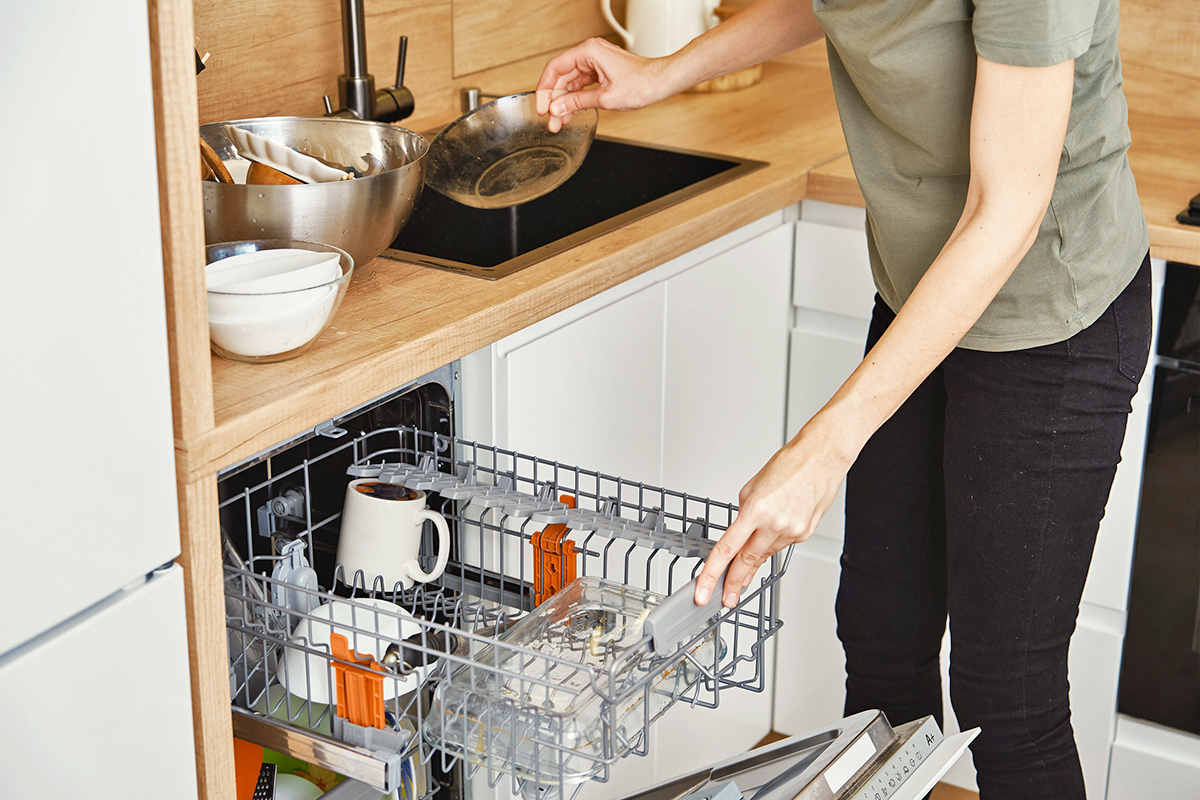
Sometimes our appliances break down because we work them too hard, but dishwashers are different. They actually perform better when we stop trying to do their job for them. If your post-dinner ritual involves standing over the kitchen sink, spraying every last crumb off your plate, you’re about to save a lot of time — and water.

Sometimes our appliances break down because we work them too hard, but dishwashers are different. They actually perform better when we stop trying to do their job for them. If your post-dinner ritual involves standing over the kitchen sink, spraying every last crumb off your plate, you’re about to save a lot of time —…

Let Your Dishwasher Do the Dishes

Maybe we think we’re helping by giving the machine less work, or maybe we’re just stuck in the old-school habit of washing dishes by hand before arranging them on the rack. Whatever the reason, if you have a modern dishwasher made within the last 15 years, experts recommend that you stop rinsing before loading. Why? Rinsing too much can actually prevent your dishwasher from working properly.

Related: 12 Things You Should Never Put in the Dishwasher

Modern dishwashers include optical sensors that determine exactly how much water, heat, and force are needed to clean a load effectively. In short, they use beams of light to gauge how cloudy the water is with food particles. Rinsing your dishes not only wastes time and water but can also fool the sensors into detecting a lighter load. This may prompt the appliance to use less water, lower the temperature, and shorten the cycle time, resulting in less-than-spotless dishes. Instead, scrape large food scraps into the bin, add your favorite detergent, and let your dishwasher handle the rest.

Advertisement

How To Help Your Dishwasher

There are a couple of ways to ensure your dishwasher works its magic. While you don’t need to rinse with most modern dishwashers, you should still scrape away large food scraps that could be hard to spray off or clog the filter. Think bones, seeds, pasta, rice, potato peels, eggshells, or anything that’s particularly fatty or greasy. It’s also a good idea to clean your dishwasher’s filter and spray arms every couple of months — or sooner if the machine doesn’t seem as powerful as usual.

Of course, you should always consult your specific dishwasher’s instructions before you decide to skip the rinse. An owner’s manual outlines the best practices for getting the most out of your appliance. If you discarded or misplaced yours, you can usually find a PDF version on the manufacturer’s website or contact their customer service team for guidance.

Advertisement
Advertisement
Food & Drink 3m read
939

This Trick Stretches Ground Beef Without Sacrificing Flavor

Ground beef is a staple in many American kitchens, and for good reason. It’s highly adaptable, lending itself to countless recipes, from pasta bolognese to shepherd’s pie. It’s also easily divided up into smaller portions, making it easy to cook some now and save the rest in the freezer for later.

All featured products and deals are selected independently and objectively by the author. House Outlook may receive a share of sales via affiliate links in content.

Ground beef is a staple in many American kitchens, and for good reason. It’s highly adaptable, lending itself to countless recipes, from pasta bolognese to shepherd’s pie. It’s also easily divided up into smaller portions, making it easy to cook some now and save the rest in the freezer for later.

In the past, ground beef was significantly cheaper than other meats, which helped make it a household favorite. According to data from the Bureau of Labor Statistics, however, the price of ground beef rose 15.5% between December 2024 and December 2025, suggesting it’s no longer the ultra-cheap protein it once was. By comparison, prices for poultry, pork, and seafood ticked up 1.4%, 0.8%, and 4.4%, respectively, during the same period.

The good news is you can stretch a pack of ground beef without sacrificing flavor by using a low-cost plant protein: lentils.

Related: The Meat-Freezing Hack That Saves Time and Storage Space

Beef (and Lentils): It’s What’s for Dinner

Lentils are small but mighty legumes that are rich in protein, fiber, and iron. Because of their nutritional benefits and mild flavor, lentils are commonly used as a meat substitute in American vegetarian cooking. But you don’t have to be a vegetarian to enjoy lentils. They are a reliable ingredient for stretching ground beef, making it go further while remaining virtually unnoticeable to those eating it.

Here’s how to do it: Use 1 cup of dried (uncooked) lentils for every 1 pound of ground beef. (This may seem like a small amount of lentils, but remember that 1 cup of dried lentils yields about 2 1/2 cups once cooked.) For example, if you’re making 2 pounds of ground beef, you will need 2 cups of dried lentils.

Advertisement

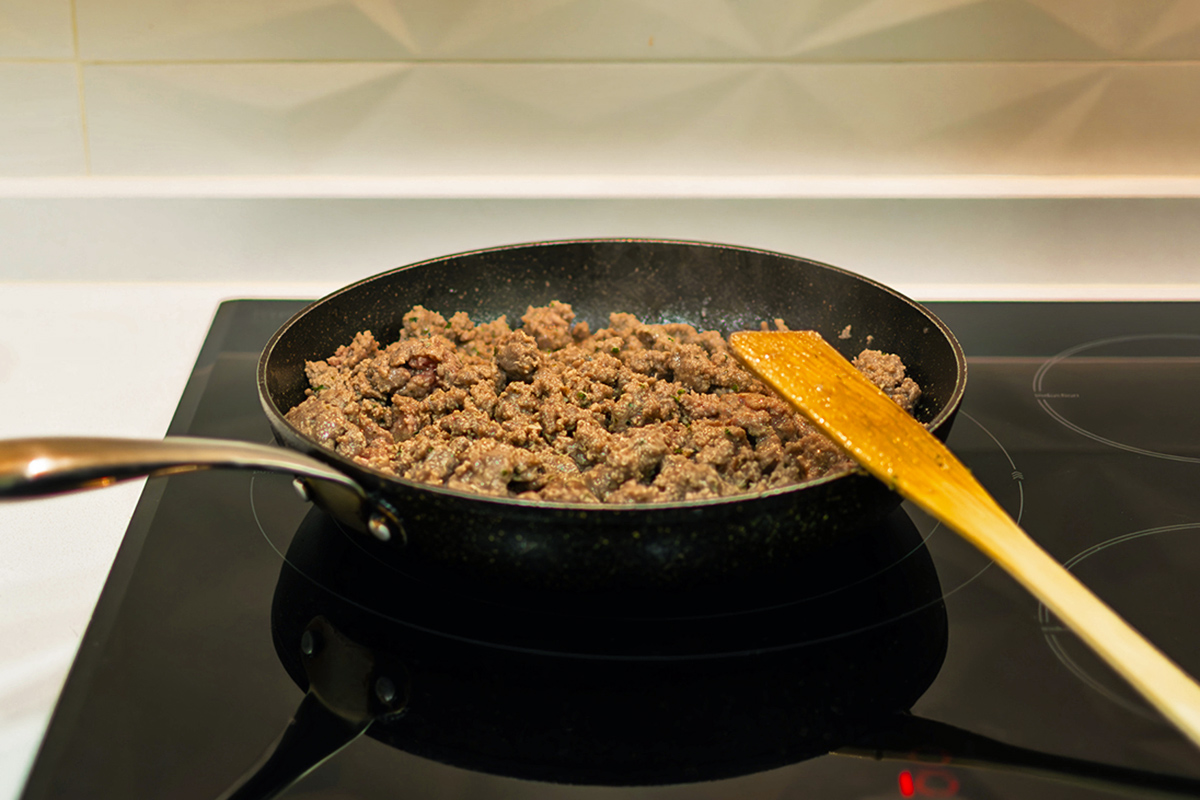
Cook the lentils according to the package directions until they are soft but not mushy; if a time range is listed, err on the shorter side. Next, brown the ground beef in a skillet and drain the excess fat. Once the meat is ready, stir in the cooked lentils along with your desired seasonings. You can also add a small amount of liquid, such as water or broth, and simmer for about 10 minutes to let the flavors meld. Then, serve as usual. This mixture works well for nearly any recipe that calls for ground beef, including meatloaf, chili, pasta sauce, tacos, casseroles, and more.

Tips and Tricks

Brown or green lentils are the best choice here because their mild flavor profile allows them to soak up the other flavors they’re cooked with. Avoid using red lentils, which have a more distinct taste and a texture that doesn’t blend well with ground beef. Also, keep in mind that lentils can cause digestive issues for some people. If you’re cooking for others, ask about their food sensitivities before incorporating the legumes into your meal.

Advertisement
Advertisement
Home Improvement 3m read
774

This Food Coloring Trick Can Catch a Toilet Leak

If you’ve ever attempted to figure out if your toilet is leaking, you know how difficult it can be to diagnose with the naked eye. But ignoring the problem leads to wasted water and higher utility bills, which is why you want to address it as soon as possible. Fortunately, a common pantry staple can help you do just that. Here’s how a few drops of food dye can solve this bathroom headache.

All featured products and deals are selected independently and objectively by the author. House Outlook may receive a share of sales via affiliate links in content.

If you’ve ever attempted to figure out if your toilet is leaking, you know how difficult it can be to diagnose with the naked eye. But ignoring the problem leads to wasted water and higher utility bills, which is why you want to address it as soon as possible. Fortunately, a common pantry staple can…

A Drop in the Bucket

First, grab a bottle of liquid food coloring. Opt for a darker shade like blue or green rather than yellow, which can be difficult to see against the white bowl. It’s also worth noting that red dye can sometimes stain older or worn porcelain, so stick to blue or green if you want to play it safe.

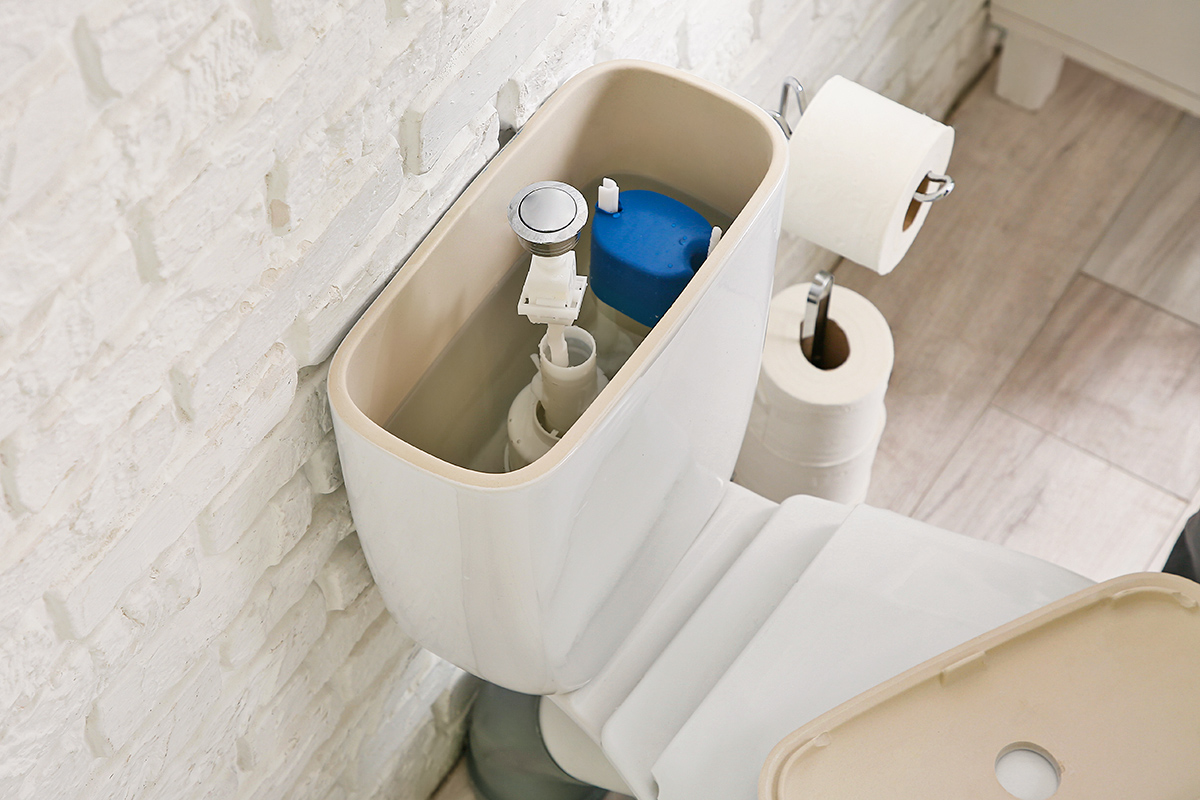
After removing the toilet tank lid, squeeze 10 to 15 drops of food coloring directly into the tank water. It’s important to put these drops into the tank, not the bowl. Doing the latter will invalidate the experiment before it even begins.

Let the dye sit for 20 minutes before checking the toilet bowl. If the water has changed from clear to tinted, your toilet probably has a leak. This means that the flapper valve inside the tank — which is meant to create a tight seal that keeps water from draining into the bowl — likely needs replacing. If the water in the bowl stays clear, however, your flapper is working correctly and there’s no cause for concern.

Advertisement

Fix the Flapper

If you’ve identified a leak, the next step is to replace the flapper valve. Flappers typically come in 2-inch, 3-inch, and 4-inch sizes, so consult the owner’s manual to determine which fit is right for your toilet. These parts cost about $10 each and are easy to replace yourself — installation takes only a few minutes.

Related: Why You Should Clean Your Toilet With Ice

Once the flapper has been replaced, repeat the food coloring test. Ideally, this will result in a clear toilet bowl, confirming that the leak has been resolved. If the dye still seeps through, however, you may need to contact a plumber for further assistance.

Advertisement
Featured Image Credit:  Pixel-Shot/ Adobe Stock | Updated  Feb 3, 2026 |
Bennett Kleinman
Staff Writer
Bennett Kleinman is a New York City-based staff writer for Inbox Studio, covering topics for several brands including House Outlook and Better Report. He previously contributed to television programs such as "Late Show With David Letterman" and "Impractical Jokers," and digital publications like The Onion. Bennett is also a devoted New York Yankees and New Jersey Devils fan, and thinks plain seltzer is the best drink ever invented.
This article is for general informational purposes only.
Featured Image Credit:  Pixel-Shot/ Adobe Stock | Updated  Feb 3, 2026 |