Advertisement
Food & Drink 3m read
291

What To Do With Leftover Tomato Paste

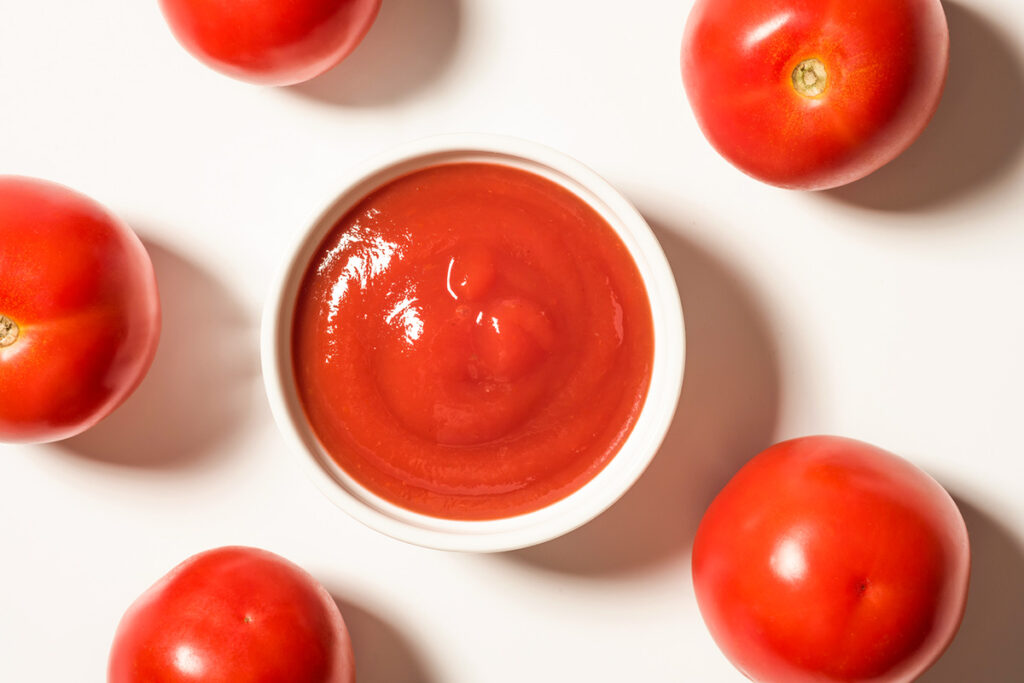
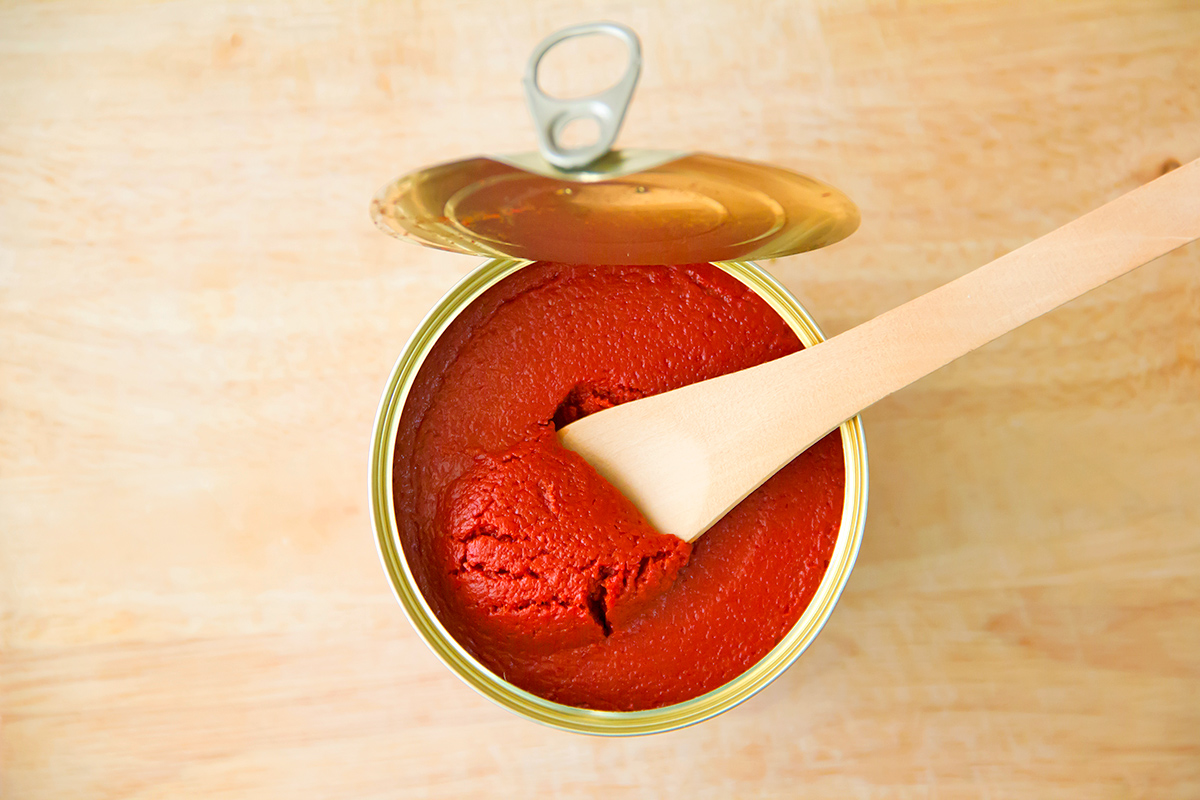
Tomato paste is something of a miracle ingredient. It serves as the base for many pasta sauces, stews, soups, and braises, adding a rich umami quality that’s crucial to the flavor of dishes across different cultures.

All featured products and deals are selected independently and objectively by the author. House Outlook may receive a share of sales via affiliate links in content.

Tomato paste is something of a miracle ingredient. It serves as the base for many pasta sauces, stews, soups, and braises, adding a rich umami quality that’s crucial to the flavor of dishes across different cultures.

What Is Tomato Paste?

Tomato paste is made by simmering tomatoes for many hours to reduce their water content. This process also removes the skin and seeds. What remains is a thick, deep-red concentrate.

Because the flavor is so intense, most recipes call for only a small amount. This presents a problem: What do you do with the leftover tomato paste?

How To Save and Store Leftover Tomato Paste

Small as those cans may be, you’re often left with an awkward amount of remaining paste. Fortunately, there’s an easy solution, and it involves a little help from your freezer.

Here’s what to do: Scoop the leftover tomato paste into a freezer-safe, resealable bag. Use a rolling pin or an empty wine bottle to flatten the paste in the bag, aiming for a thickness of about 1/4 inch. To remove excess air, leave 1 inch of the zipper unsealed as you roll out the paste; seal it completely when you’re finished. You can also use the back of a butter knife to score the sheet into individual serving sizes. This makes the portions easier to break off and use as needed.

You don’t even have to wait for the frozen tomato paste to thaw before tossing it into your pan. Because it’s rolled so thin, it will begin to melt almost instantly. Remember to cook your tomato paste in some oil or butter, allowing the color to deepen. This mellows out its highly acidic flavor, lending it a caramelized sweetness.

Advertisement

Tomato Paste Pro Tips

Measuring is helpful, but tomato paste isn’t the type of ingredient where a slight discrepancy will make or break your dish. Experienced cooks often eyeball the amount they use in their recipes, and may even learn exactly how much frozen paste to break off without needing a tablespoon.

Related: 10 Chef-Approved Storage Hacks To Make Food Last Longer

If you’d rather spend a little more to skip the freezer step, you can purchase tomato paste in tubes. Some people prefer the convenience of a squeeze tube, which closes securely with a cap and stores safely in the fridge. However, keep in mind that it won’t last as long as frozen tomato paste. In the fridge, it stays fresh for six to eight weeks, compared to three to six months in the freezer.

Advertisement
Advertisement
Cleaning 3m read
581

Toothpaste Isn’t Just for Teeth — Try It on Headlights

Ask any dentist and they’ll tell you toothpaste is essential for keeping your pearly whites bright and shiny. But talk to a car mechanic and they may suggest using it on something far removed from the world of dentistry — your car’s headlights.

All featured products and deals are selected independently and objectively by the author. House Outlook may receive a share of sales via affiliate links in content.

Ask any dentist and they’ll tell you toothpaste is essential for keeping your pearly whites bright and shiny. But talk to a car mechanic and they may suggest using it on something far removed from the world of dentistry — your car’s headlights.

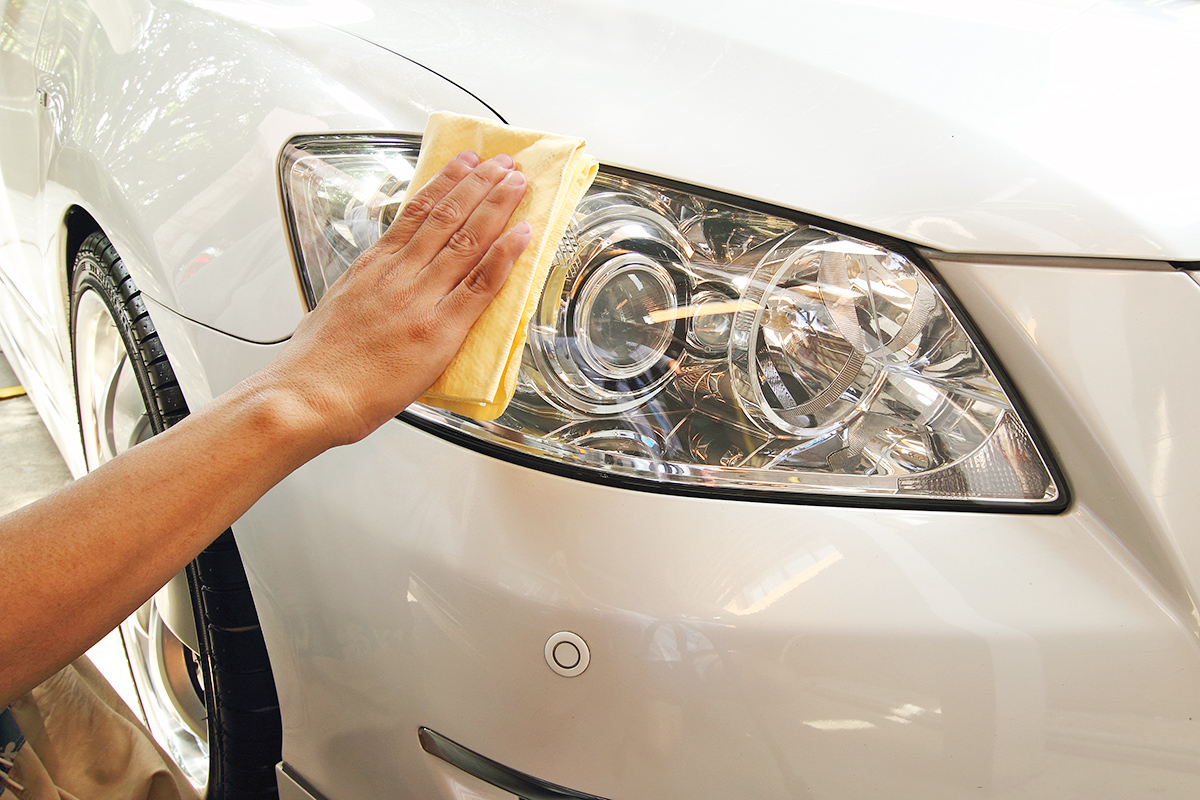
When your headlights start to look cloudy or discolored, you may be tempted to replace them altogether. But before you shell out cash for a costly repair, try cleaning them first with a tube of toothpaste.
A Hack Worth Sinking Your Teeth Into

Headlights typically become foggy or discolored from repeated exposure to the elements. This includes yellowing from the sun’s powerful UV rays or dirt trapped in tiny surface cracks. Whatever the cause may be, hazy headlights are a major safety risk, as they make it harder for other drivers to see your vehicle.

One of the best DIY hacks for this problem is using toothpaste — preferably a whitening toothpaste or one that contains baking soda. You’ll also need a water supply and a few rags you don’t mind getting dirty.

Buff Away the Fog

First, soak a clean rag in lukewarm water and wipe down the headlights to remove any superficial dirt or gunk. Then, apply a dab of toothpaste to a different clean cloth and scrub the headlight in circular motions for several minutes. There’s no exact amount of time to scrub, as all headlights age differently. As a rule of thumb, plan for two to three minutes per headlight for mild fog and five-plus minutes for persistent yellowing.

Advertisement

As you scrub, the whitening elements lift stains while the toothpaste’s abrasive texture dislodges dirt trapped in tight cracks. Apply extra pressure to particularly cloudy areas. After a few minutes, rinse the headlight with clean water; you should notice a massive improvement in clarity and, more importantly, safety.

Related: A Gentle Way To Get Bug Splatter Off Your Car

Mistakes To Avoid

While this hack is easy to perform, there are a few guidelines worth noting. Be careful to avoid getting toothpaste on the car’s finish, as the abrasives could damage the paint or chrome. Also, use a traditional toothpaste over a gel; gel formulas are usually less effective at whitening and lack the grit needed to remove embedded dirt.

Advertisement
Featured Image Credit:  nattzkamol/ iStock | Updated  Feb 17, 2026 |
Bennett Kleinman
Staff Writer
Bennett Kleinman is a New York City-based staff writer for Inbox Studio, covering topics for several brands including House Outlook and Better Report. He previously contributed to television programs such as "Late Show With David Letterman" and "Impractical Jokers," and digital publications like The Onion. Bennett is also a devoted New York Yankees and New Jersey Devils fan, and thinks plain seltzer is the best drink ever invented.
This article is for general informational purposes only.
Featured Image Credit:  nattzkamol/ iStock | Updated  Feb 17, 2026 |
Advertisement
Home Improvement 3m read
273

Is Your Exhaust Fan Actually Pulling Air? Test It in Seconds

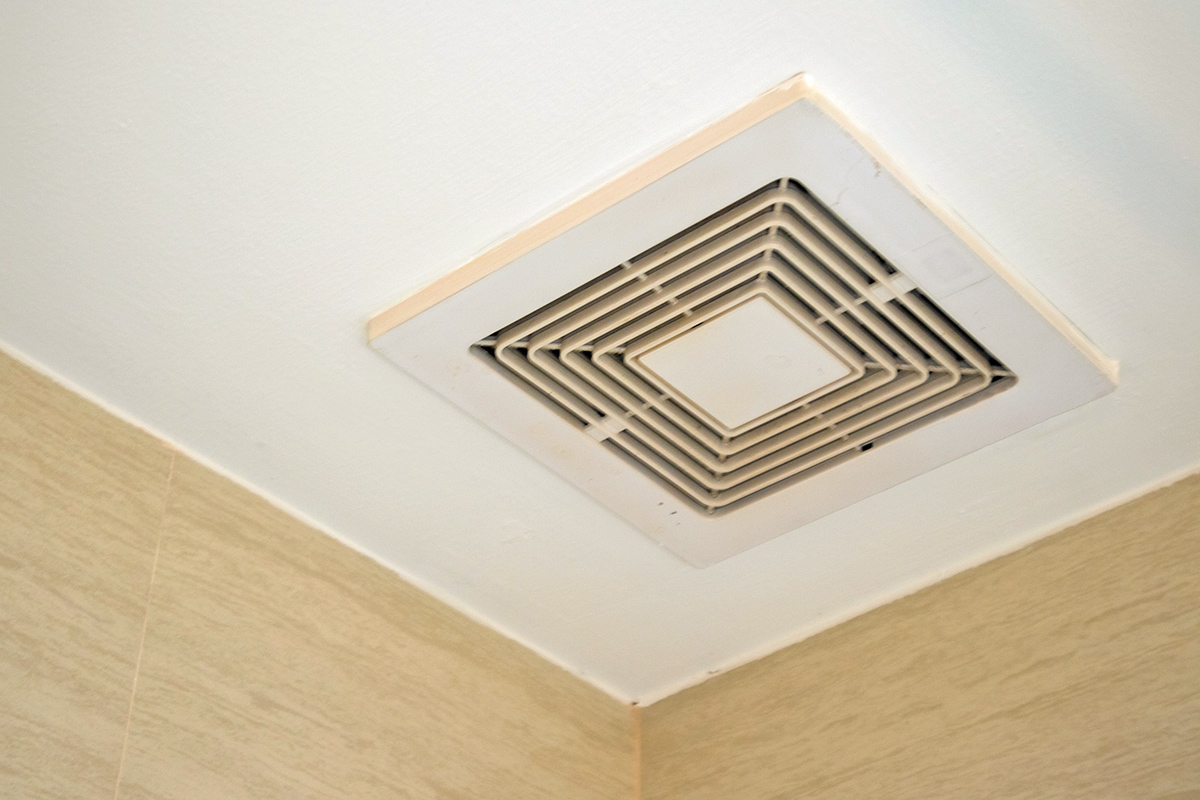
While it’s impossible to prevent moisture from forming in the bathroom, it’s important to mitigate it. Too much dampness leads to mold and mildew, which bring odors, stains, and potential health risks. That’s why a working exhaust fan — one that sucks in moist air and sends it outside your home — is a must. But knowing if your ventilation system is functioning properly is easier said than done … until now. Here’s a three-second hack to test your exhaust fan’s suction.

While it’s impossible to prevent moisture from forming in the bathroom, it’s important to mitigate it. Too much dampness leads to mold and mildew, which bring odors, stains, and potential health risks. That’s why a working exhaust fan — one that sucks in moist air and sends it outside your home — is a must. But…

Put Your Exhaust Fan to the Test

Every bathroom vent is different, and it’s hard to tell if yours is actually pulling air or just making noise. But a single sheet of toilet paper — or any lightweight scrap material — can reveal if the fan is running at full capacity, half-power, or not at all.

With the fan on, place a single sheet of toilet paper directly against the vent and remove your hand. If it sticks firmly in place, that means the vent is working properly. But if the paper droops and barely hangs on, your exhaust fan may not be working at full capacity. Should the paper fall to the floor, it’s a clear sign the fan is officially kaput.

Dusty vs. Dead

This hack determines only whether the exhaust fan is working — it doesn’t identify the cause. Most often, the culprit is dust obstructing the airflow. To check if this is the case, start by cutting power to the fan at your electrical panel. Remove the grate, wash it with mild dish soap and warm water, and then dry it completely. If you frequently use hair spray or notice considerable dust buildup, soak the grate in hot water and dish soap for 15 to 30 minutes.

Advertisement

Use your vacuum’s crevice tool or soft brush attachment to vacuum dust from inside the fan, paying close attention to the rotating blades and the corners of the metal housing. Then replace the grate and turn the power back on. Rerun the toilet paper test: If the sheet sticks, the problem is solved. If it still falls, the issue may be mechanical.

Related: 8 Things You Should Never Store in Your Bathroom

If it’s mechanical, you may need to replace the motor or the entire unit. In this case, we recommend contacting a professional handyperson for their expertise, as they can ensure the wiring and ductwork are handled safely. If you’d rather attempt a cheaper DIY replacement, do your research before jumping into the project.

Advertisement
Featured Image Credit:  Aekprachaya Ayuyuen/ iStock | Updated  Feb 17, 2026 |
Bennett Kleinman
Staff Writer
Bennett Kleinman is a New York City-based staff writer for Inbox Studio, covering topics for several brands including House Outlook and Better Report. He previously contributed to television programs such as "Late Show With David Letterman" and "Impractical Jokers," and digital publications like The Onion. Bennett is also a devoted New York Yankees and New Jersey Devils fan, and thinks plain seltzer is the best drink ever invented.
This article is for general informational purposes only.
Featured Image Credit:  Aekprachaya Ayuyuen/ iStock | Updated  Feb 17, 2026 |
Advertisement
Food & Drink 2m read
305

Protect Pantry Shelves From Sticky Ingredients

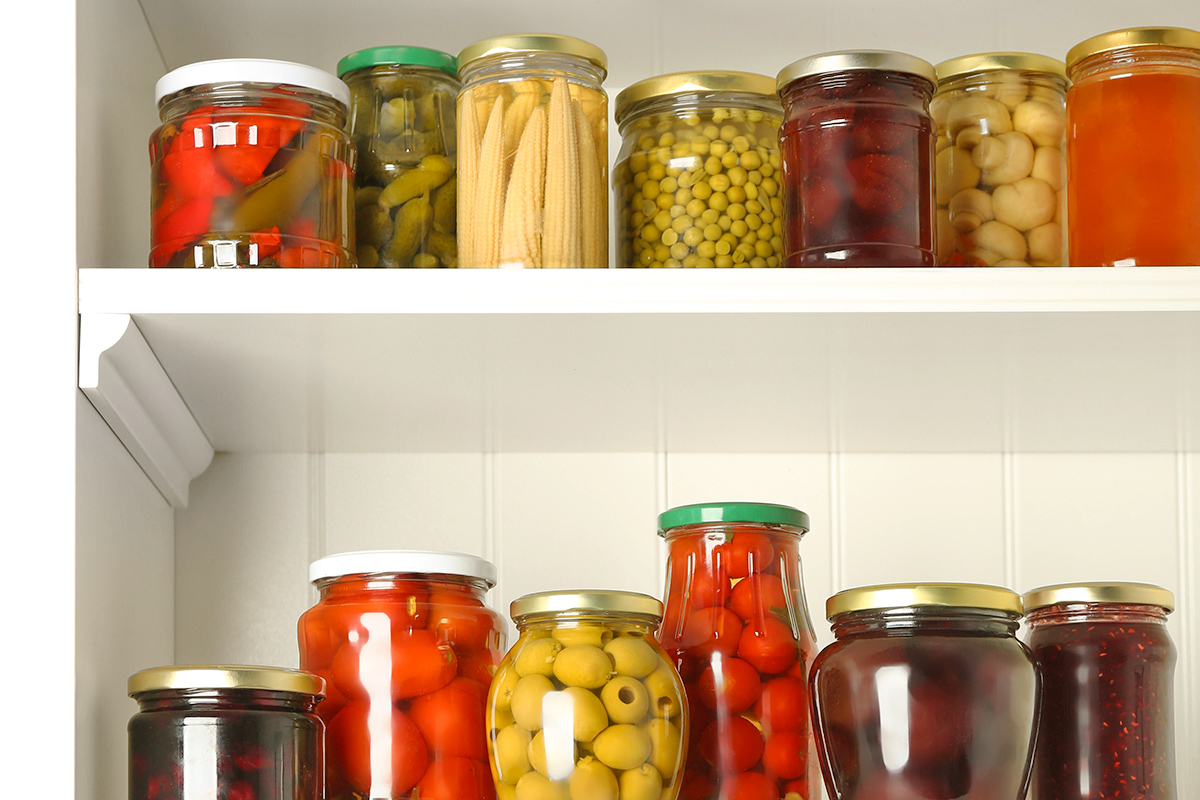
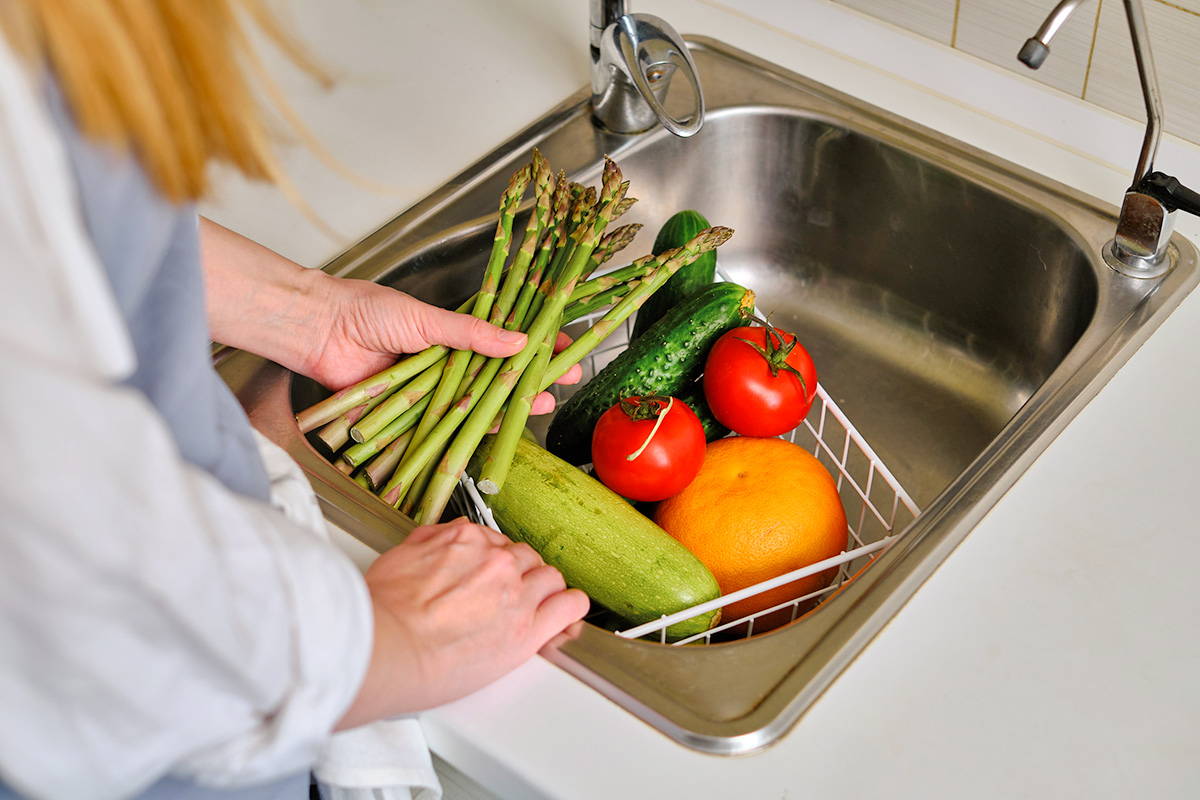
Much like a refrigerator, pantry shelves are prone to residue rings from sticky, syrupy ingredients. No matter how well you wipe them down after use, jars of honey, corn syrup, maple syrup, and molasses often leave behind a trail of sweetness. Unlike a refrigerator, however, pantry shelves are notoriously difficult to scrub, so doing what you can to prevent a mess is essential. Taking a moment to secure your syrup bottles will save you the headache of scraping off dried, hardened substances later.

All featured products and deals are selected independently and objectively by the author. House Outlook may receive a share of sales via affiliate links in content.
Much like a refrigerator, pantry shelves are prone to residue rings from sticky, syrupy ingredients. No matter how well you wipe them down after use, jars of honey, corn syrup, maple syrup, and molasses often leave behind a trail of sweetness. Unlike a refrigerator, however, pantry shelves are notoriously difficult to scrub, so doing what…

What You’ll Need

Basket coffee filters or cupcake liners

Rubber bands

Keep Pantry Surfaces Spotless

In addition to inspecting ingredients and wiping down jars and bottles before putting them back on the shelf, try placing a basket coffee filter under the base and securing it around the container with a rubber band. For smaller jars and bottles, a cupcake liner works perfectly — and even makes for a great makeshift lid if you happen to misplace the original.

Related: 32 Genius Life Hacks Using Only Things From Your Pantry

Coffee filters and cupcake liners act as a barrier between the bottle and shelf, catching drips before they collect in a ring shape. Just remember to remove the filter before using the ingredient to keep it from getting covered in sticky residue itself. This hack works just as well for leaky cooking oils, balsamic vinegar, soy sauce, and chili crisp. You can even use it in your fridge for greasy salad dressings or sticky jam jars.

Advertisement

Get a Grip on Stubborn Lids

Securing the filter with a rubber band also comes in handy if the jar is glued shut by sticky residue. The rubber material helps create a firm grip, similar to a gripper pad. Simply wrap the rubber band around the lid a couple of times and twist it open. Running the jar under hot water for 30 to 60 seconds can also help melt the crystallized sugar, making it easier to open.

Advertisement
Featured Image Credit:  Liudmila Chernetska/ iStock | Updated  Feb 17, 2026 |
Jessie Quinn
Writer
Jessie Quinn is a Los Angeles-based lifestyle journalist with words published in PEOPLE, StyleCaster, Apartment Therapy, The Spruce, Byrdie, and more. She has a Bachelor's Degree in fashion journalism from Academy of Art University and her work spans across many categories, including style, beauty, home, health, crafts, and more.
This article is for general informational purposes only.
Featured Image Credit:  Liudmila Chernetska/ iStock | Updated  Feb 17, 2026 |
Advertisement
Home Improvement 6m read
26,249

12 Things Silently Draining Your Wallet Every Month

When you look at your monthly bills, it’s easy to fixate on the heavy hitters, such as your rent, mortgage, or utilities. But countless hidden costs lurk beneath the surface of everyday life — subtle habits and overlooked inefficiencies that quietly drain your wallet without triggering alarm bells. Tackling these expenses can meaningfully shrink your spending without sacrificing comfort.

All featured products and deals are selected independently and objectively by the author. House Outlook may receive a share of sales via affiliate links in content.

When you look at your monthly bills, it’s easy to fixate on the heavy hitters, such as your rent, mortgage, or utilities. But countless hidden costs lurk beneath the surface of everyday life — subtle habits and overlooked inefficiencies that quietly drain your wallet without triggering alarm bells. Tackling these expenses can meaningfully shrink your spending…

Here are 12 surprising money drains many homeowners and renters overlook, and how to cut those costs.

1. Phantom Power From “Off” Electronics

You might think a TV that’s turned off isn’t costing you anything, but that’s not true. Many devices continue to use electricity even when they are switched off — a phenomenon known as “phantom” or “vampire” power. Plugged‑in chargers, gaming consoles, cable boxes, and even coffee makers with LED clocks draw energy 24/7. These phantom loads can account for as much as 5% to 10% of a household’s total energy use, according to AP News, adding roughly $100 to $200 per year to utility bills.

The Fix: Plug electronics into smart power strips and switch them off at night or when they aren’t in use.

Credit: laura adai/ Unsplash

2. A Second Fridge or Freezer You Forget About

Extra refrigerators or freezers in the garage or basement might seem convenient, but older units — especially those without Energy Star certification — can use significantly more power than your main fridge. Many people forget to unplug these secondary units even when they’re empty.

The Fix: Assess whether you actually need the extra storage. If you do, consider replacing it with a mini fridge or a modern, energy‑efficient model.

3. Hot Water Heater Set Too High

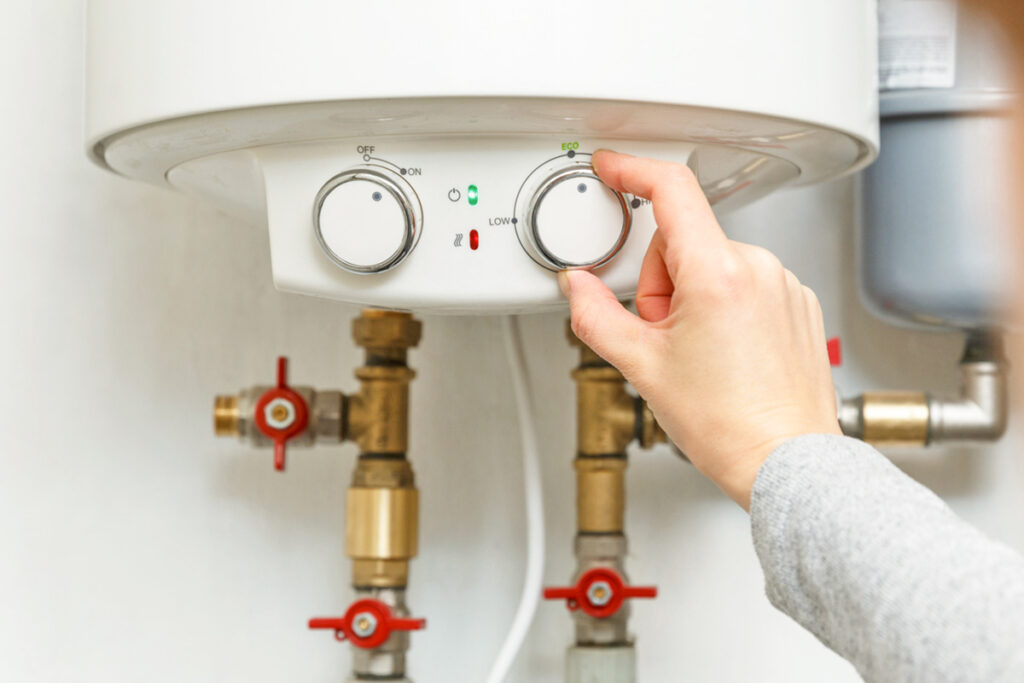
Your water heater uses energy every time it reheats water. If it’s set above 120 degrees Fahrenheit, you’re wasting energy, paying for heat you never use, and posing a scalding risk to your household. (Most appliances are factory-set to 140 degrees Fahrenheit, so it’s worth checking the thermostat dial.) A lower, optimal setting — 120 degrees Fahrenheit is considered the “sweet spot” — still provides comfortable hot water while cutting energy consumption. According to the U.S. Department of Energy, lowering your water heater from 140 to 120 degrees Fahrenheit can save households more than $400 per year.

The Fix: Dial your water heater down.

Credit: VladimirGerasimov/ iStock
Advertisement

4. Poor Insulation and Drafts

Invisible drafts around windows, doors, and attic hatches allow conditioned air to escape, forcing your HVAC system to work overtime. Even small gaps in ductwork add to bills dramatically.

The Fix: Add or replace worn weather stripping, seal gaps with caulk, and insulate attic or crawl spaces where feasible.

Related: Why Your Home Feels Colder Than It Should

5. Leaky Faucets and Toilets

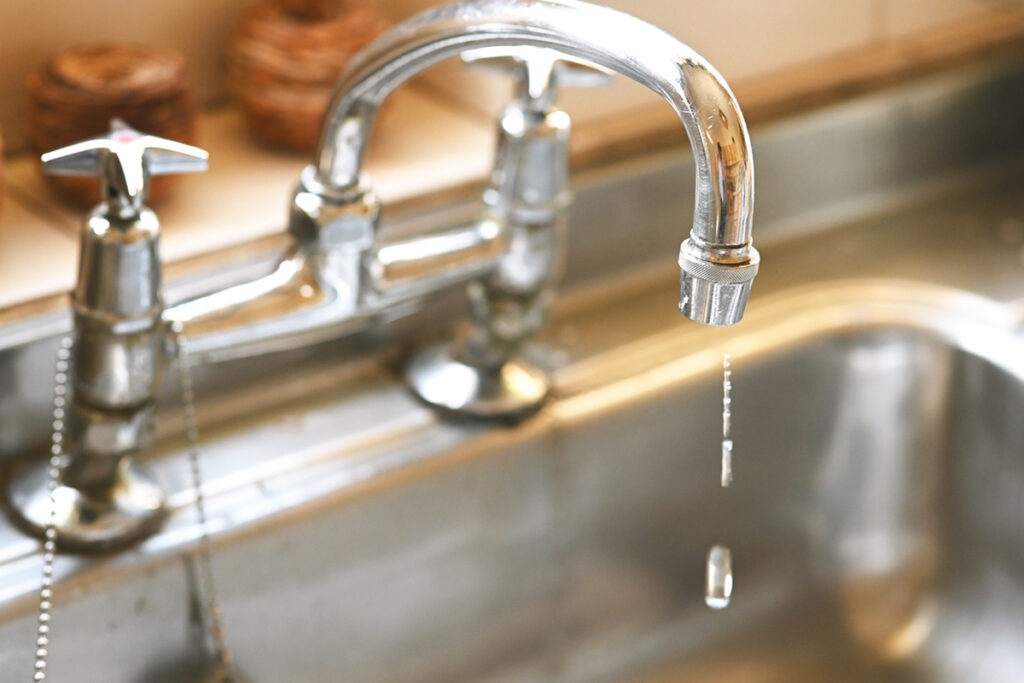
A dripping faucet or a silently running toilet doesn’t just waste water — it raises your water and sewer bills, too. If that leaky faucet is on the hot water side, you’re also paying to heat water that is literally going down the drain. Those tiny drips add up over time, turning a minor annoyance into an unnecessary expense.

The Fix: Replace worn washers, seals, or entire fixtures. Installing low‑flow aerators and dual‑flush toilets can also cut water waste significantly.

Credit: Adene Sanchez/ iStock

6. Running Appliances Half‑Empty

Modern dishwashers and washing machines often have sensors to adjust for smaller loads, but they are still most efficient when packed to capacity. To get the most bang for your buck, consider running fewer, fuller cycles.

The Fix: Only run these appliances when they’re fully loaded, and wash clothes in cold water when possible to maximize your savings.

Advertisement

7. Multiple Streaming Services or Subscriptions You Don’t Use

It’s easy to rack up subscriptions to streaming platforms, apps, and premium services during free‑trial periods and forget to cancel. What starts as a small $5 to $10 monthly fee can quickly add up to hundreds of dollars a year in forgotten expenses. According to a recent CNET survey, Americans spend an average of $1,080 per year on subscriptions — roughly $200 of which goes toward services they don’t even use.

The Fix: Review all recurring charges quarterly. Cancel anything you haven’t watched or used in 30 days and consider switching to shared family plans where possible to lower the cost per person.

Credit: Oscar Nord/ Unsplash

8. Energy Inefficiencies in the Kitchen

Major appliances such as dishwashers, ovens, and refrigerators draw more power when they are dirty, poorly maintained, or improperly set. When fridge coils are covered in dust or dishwasher filters are clogged, the machines are forced to work harder — using more electricity while delivering poorer results.

The Fix: Clean refrigerator coils quarterly, clear out dishwasher filters once a month, and utilize “eco” settings where available on dishwashers and ovens to conserve energy.

9. Running HVAC Around the Clock

According to the U.S. Department of Energy, heating and cooling usually accounts for half of your monthly energy costs, making constant operation a major drain on your wallet. Adjusting your thermostat by 7 to 10 degrees Fahrenheit for eight hours a day can lower your bill by as much as 10% annually.

The Fix: Install a programmable thermostat and set seasonal schedules to automate your savings. In winter, aim for cooler temperatures when you’re away; in summer, raise the thermostat a few degrees when sleeping.

Credit: Douglas Rissing/ iStock
Advertisement

10. Neglected Air Filters

Dirty HVAC filters restrict airflow, forcing your system to work harder and stay on longer to reach your desired temperature. This inefficiency can show up on your bill and even damage your system, leading to expensive repairs that could have been avoided.

The Fix: Replace or clean filters every 30 to 90 days, depending on how often the system runs and whether you have shedding pets in the home.

Related: 9 Forgotten Household Filters You Need To Clean or Replace

11. Time‑of‑Use Costs and Peak Demand Charges

In some regions, electricity prices fluctuate depending on the time of day. Running high‑energy appliances during “peak hours” (typically late afternoon through early evening) can cost more than using them at off‑peak times.

The Fix: Check if your provider uses time-of-use pricing. If so, shift laundry, dishwashing, and EV charging to late evenings or early mornings to take advantage of the lowest rates. Many modern appliances also have “delay start” features to make adjusting your energy use easier.

Credit:Annie Spratt/ Unsplash

12. Ignoring Small but Consistent Habits

Tiny habits — such as leaving exterior lights on all night, keeping curtains open on hot summer days, or letting your bathroom exhaust fan run for hours — may seem inconsequential. But cumulatively, they add a surprising amount to your monthly expenses.

The Fix: Use timers or motion sensors for outdoor lighting, draw curtains during peak sunlight hours in the summer, and run exhaust fans for only 20 to 30 minutes after a shower.

Advertisement
Featured Image Credit:  Karolina Grabowska/ Pexels | Updated  Feb 10, 2026 |
Jill Layton
Writer
Jill Layton started writing professionally when she realized her emails and texts were kinda funny. She’s an affiliate shopping writer and lifestyle contributor for Scary Mommy, Bustle, Mic, and Best Products. She’s the mom of two alarmingly witty kids and the world’s most perfect dog.
This article is for general informational purposes only.
Featured Image Credit:  Karolina Grabowska/ Pexels | Updated  Feb 10, 2026 |
Advertisement
Food & Drink 8m read
45,103

10 Foods You Should Never Microwave

The microwave oven is one of the most revolutionary cooking devices of the last two centuries, yet it remains oddly unloved. We’ve seen a steady parade of other countertop appliances offering fast, convenient cooking and reheating — from the George Foreman Grill to the Instant Pot and the air fryer — each inspiring intense loyalty in its prime. But none has shown the same staying power as the microwave, despite its lack of cachet.

The microwave oven is one of the most revolutionary cooking devices of the last two centuries, yet it remains oddly unloved. We’ve seen a steady parade of other countertop appliances offering fast, convenient cooking and reheating — from the George Foreman Grill to the Instant Pot and the air fryer — each inspiring intense loyalty in…

It’s been over 70 years since the first domestic microwaves hit the market and 50 since they became a household staple. According to government research, nearly every home in America now has “at least one.” You could argue they get so little love because they’re commonplace. Despite that familiarity, we often forget that some foods just don’t — or at least shouldn’t — go in the microwave. In some cases, it’s a matter of quality; in others, it’s a question of actual safety. Here are 10 examples to be aware of. 

1. In-Shell Eggs

Whole eggs in their shells are a prime example of what not to microwave. You might think “nuking” a couple of eggs is a quick way to hard-cook them for salads or sandwiches, but it’s actually a recipe for disaster. Eggshells are porous enough to slowly exchange air and moisture, but they can’t cope with the rapid steam production of microwave cooking. The result is a violent explosion that, at best, makes a mess and, at worst, can damage your microwave or cause physical injury.

To cook eggs safely in the microwave, you must first crack them into a greased, microwave-safe dish. Be sure to pierce the yolk and whites a few times with a fork to allow steam to escape. Even then, eggs tend to pop and sputter, so it’s best to stir them midway through cooking.

Credit: Olivie Strauss/ Unsplash

2. Uncooked Chile Peppers

This one often comes as a nasty surprise. While it’s perfectly fine to reheat peppers that are already cooked, raw chiles are a different story. For one thing, a whole pepper can explode, leaving a spicy mess behind. But more importantly, heating raw chiles — whether whole or cleaned — releases intensely hot steam loaded with capsaicin. That’s the chemical compound that triggers a burning sensation when it comes into contact with your mouth or skin.

When you open the door, that steam hits the sensitive membranes of your eyes, nose, sinuses, throat, and lungs like a stinging cloud. If you’ve ever accidentally rubbed your eyes after chopping jalapeños, just imagine that sensation, only inhaled. It’s deeply unpleasant.

Credit: Nurma Agung Firmansyah/ iStock
Advertisement

3. Alcoholic Beverages

Whether it’s a mug of mulled wine on a snowy evening or a “spiked” hot chocolate after a day on the slopes, there are plenty of boozy beverages to keep you warm when the mercury dips. Some especially showy cocktails are ignited, and they catch fire more easily when preheated. The microwave isn’t a good place to warm these drinks, however. Heating high-proof alcohol releases flammable vapors that become trapped inside the microwave’s walls. If the appliance produces a random spark, these vapors can catch fire or potentially explode. For safety reasons, it’s best to warm your spirits on a stovetop over low heat.

Credit: Sunny Forest/ Adobe Stock
Related: 8 Things a Food Safety Expert Would Never Eat

4. Sauces

Most of us have used a microwave to heat tomato sauce, and nearly all of us have regretted it. Any moderately thick sauce will “bloop” as it heats, spattering the interior and leaving a mess that’s a pain to clean up. Aside from that inconvenience, there are culinary reasons to avoid this shortcut.

Because microwaves heat unevenly, sauces made from scratch using raw ingredients will result in a mix of over- and undercooked pockets. Reheating leftover sauces can be equally dangerous, as those cold pockets may fail to reach a food-safe temperature. Dessert sauces are particularly temperamental — custards tend to “break” into grainy lumps, while sugary, syrupy sauces can become superheated, posing a burn risk.

Credit: Andrii Shablovskyi/ iStock
Advertisement

5. Plain Water

It seems harmless, but microwaving plain water is a real safety risk. If you regularly use your microwave to heat water for coffee or tea, you may be setting yourself up for an ER visit. When water boils in a saucepan, small bubbles form on the bottom and rise to the top; this process allows steam to escape and prevents the water from exceeding 212 degrees Fahrenheit.

If you’re microwaving water in a smooth mug or measuring cup, however, those bubbles may never form. The water can superheat well beyond the boiling point while its surface remains deceptively still. When that excess heat is finally released — usually when you drop in a tea bag or move the cup — the water erupts violently, often scalding whoever’s holding the cup.

Credit: MarioGuti/ iStock

6. Raw Kale and Other Vegetables

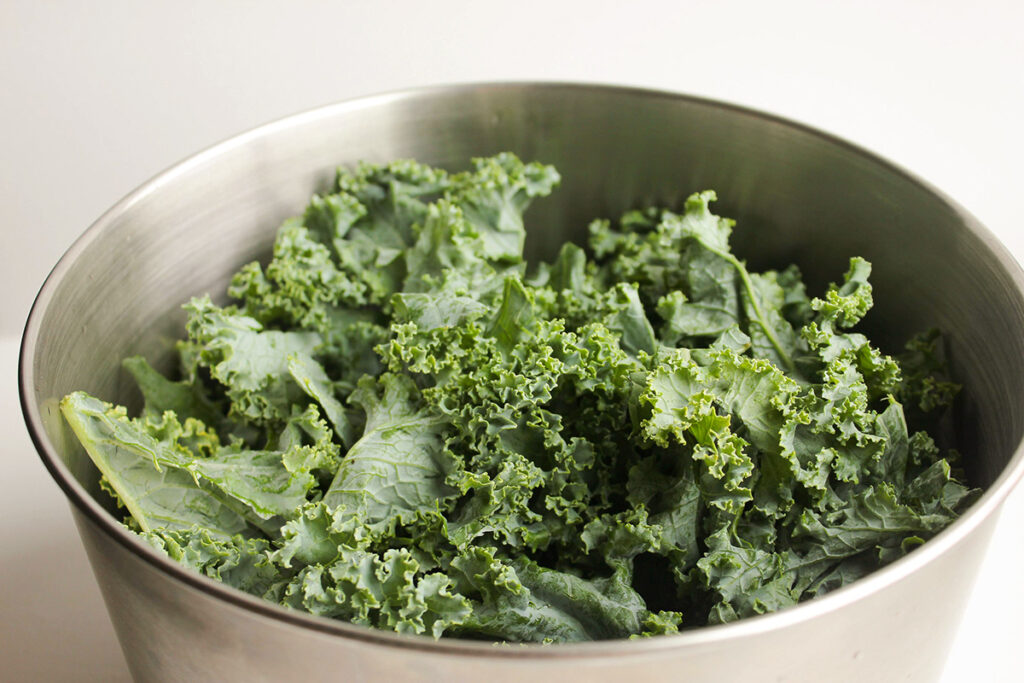
Kale’s popularity comes and goes, but a lot of people love it for its versatility and nutritional benefits. It’s especially addictive in the form of kale chips — thin, delicately crispy treats reminiscent of nori sheets. But as one NPR contributor learned, attempting to make them in the microwave can lead to fireworks.

The experts NPR spoke to had varying explanations. Other vegetables, including carrots, green beans, and some leafy greens, can produce the same effect. It’s likely these vegetables absorb minerals, such as iron and magnesium, from the soil, which then act as tiny conductors. Shape seems to matter, too; lots of thin, crinkly edges increase the likelihood of sparks. It’s best to choose another cooking method for these vegetables or at least parcook them beforehand to lower the risk.

Credit: SC Studio/ Pexels
Advertisement

7. Anything You’ve Previously Microwaved

Most of us have used the microwave to gently reheat and freshen slightly stale baked goods. They’ll return to their original soft, moist texture, but only for a short time. If you let them cool, they’ll end up even harder than before. This happens because the microwave forces water out of the starches as steam, leaving the bread bone-dry.

Many other foods experience a similar decline in texture when reheated in the microwave — especially for a second or third time. But beyond this issue lies a more serious concern: food safety. As we’ve mentioned, microwaves heat unevenly. This creates a risk that some portions of your meal stayed in the food-safety “danger zone” longer than you realized, and could do so again when you heat them the next time. The more time bacteria have to grow, the more likely they are to make you sick.

Credit: ilkermetinkursova/ iStock
Related: Kitchen Items Professional Chefs Say You’re Storing Wrong

8. Raw Meats, Fish, and Poultry

It’s almost dinnertime and you forgot to defrost the chops. What do you do? For many of us, the answer is “throw them in the microwave for a minute or two.”This method is a bad idea for a couple of reasons, even if you use the “defrost” setting instead of full power.

Because microwaves heat unevenly, some parts of the meat may start cooking while other parts stay frozen. When you cook it the rest of the way, those precooked parts will become tough and unpalatable. With delicate proteins such as fish or boneless chicken, it can really ruin their texture. More importantly, it presents a food-safety risk. The USDA warns that microwave-thawed meats should always be cooked immediately because certain parts may have reached temperatures where bacteria can thrive.

Credit: Lazy_Bear/ iStock
Advertisement

9. Breaded and Fried Leftovers

Even those of us with the healthiest intentions often find it hard to resist breaded, battered, and fried foods. There’s something about that crisp outer layer paired with a tender, juicy center that makes for an irresistible combination.

Unfortunately, you’ll lose that entirely if you reheat your leftovers in the microwave. Your meal will keep much more of its original appeal in a toaster oven or air fryer, which recrisps the coating as it heats. If you’re in a hurry,l microwave the food briefly to take the chill off before finishing it in the oven or air fryer.

Credit: Kanawa_Studio/ iStock

10. Grapes

This next one is a bit of a curveball, since few of us cook grapes on purpose (though they make a great garnish for chicken or herb-crusted fish). However, a quirk of physics makes the humble grape surprisingly dangerous in a microwave.

Here’s the gist: Microwaves are actually a form of radio waves. While their wavelength is roughly 4.7 inches long, it shrinks significantly upon entering the high-moisture interior of a grape. Once the waves match the size of the fruit, they become trapped inside. When two grapes touch, they act as a bridge for that trapped energy, resulting in a burst of super-hot plasma that can completely destroy a microwave.

Anything small and juicy, such as a blueberry, cherry tomato, or quail egg, can cause a similar effect. As for the impact, the researchers who nailed down the science of this one went through a lot of microwaves — 12, to be exact.

Credit: Polverini Lian/ Pexels
Advertisement
Featured Image Credit:  Farknot_Architect/ iStock | Updated  Feb 10, 2026 |
Fred Decker
Writer
Fred Decker is a trained chef and former restaurateur. Since closing his restaurants over a decade ago he has been a prolific freelance writer, publishing several thousand articles on dozens of high-volume websites including Taste Of Home, Hunker, Tasting Table, Week&, eHow, and GOBankingRates. He lives on a rural acreage shared with a big garden, chickens, rabbits, and grandkids.
This article is for general informational purposes only.
Featured Image Credit:  Farknot_Architect/ iStock | Updated  Feb 10, 2026 |
Advertisement
Cleaning 3m read
522

Most People Use Disinfecting Products Incorrectly

Spritz and wipe — that’s all it takes to leave your kitchen countertops germ-free, right? Not necessarily. If you don’t give your favorite household disinfectant time to work, you’re merely cleaning the surface, not killing viruses and bacteria. The secret to eliminating pathogens is contact time — here’s how to use disinfectants correctly to ensure your surfaces are sufficiently sanitized.

All featured products and deals are selected independently and objectively by the author. House Outlook may receive a share of sales via affiliate links in content.

Spritz and wipe — that’s all it takes to leave your kitchen countertops germ-free, right? Not necessarily. If you don’t give your favorite household disinfectant time to work, you’re merely cleaning the surface, not killing viruses and bacteria. The secret to eliminating pathogens is contact time — here’s how to use disinfectants correctly to ensure…

Cleaning vs. Disinfecting

To get the most out of your cleaning products, you’ll want to learn the difference between two key terms: cleaning and disinfecting.

Cleaning is simply the act of removing dirt and debris from surfaces. This includes everything from kitchen counters to bathroom sinks and dining tables. According to professional house cleaner and TikTok creator Kellsie Zapata, cleaning should be done daily, while disinfecting should be reserved for “sick days, high-touch areas, bathroom cleanups, or when the [product] label specifically calls for it.”

Disinfecting goes a step further by destroying the germs that cause illness, including cold viruses and the bacteria responsible for food poisoning. Zapata stresses that you don’t need to disinfect every day; in fact, doing so can trigger respiratory issues, skin irritation, and even lead to antimicrobial resistance or health risks for pets.

Advertisement

How To Properly Disinfect 

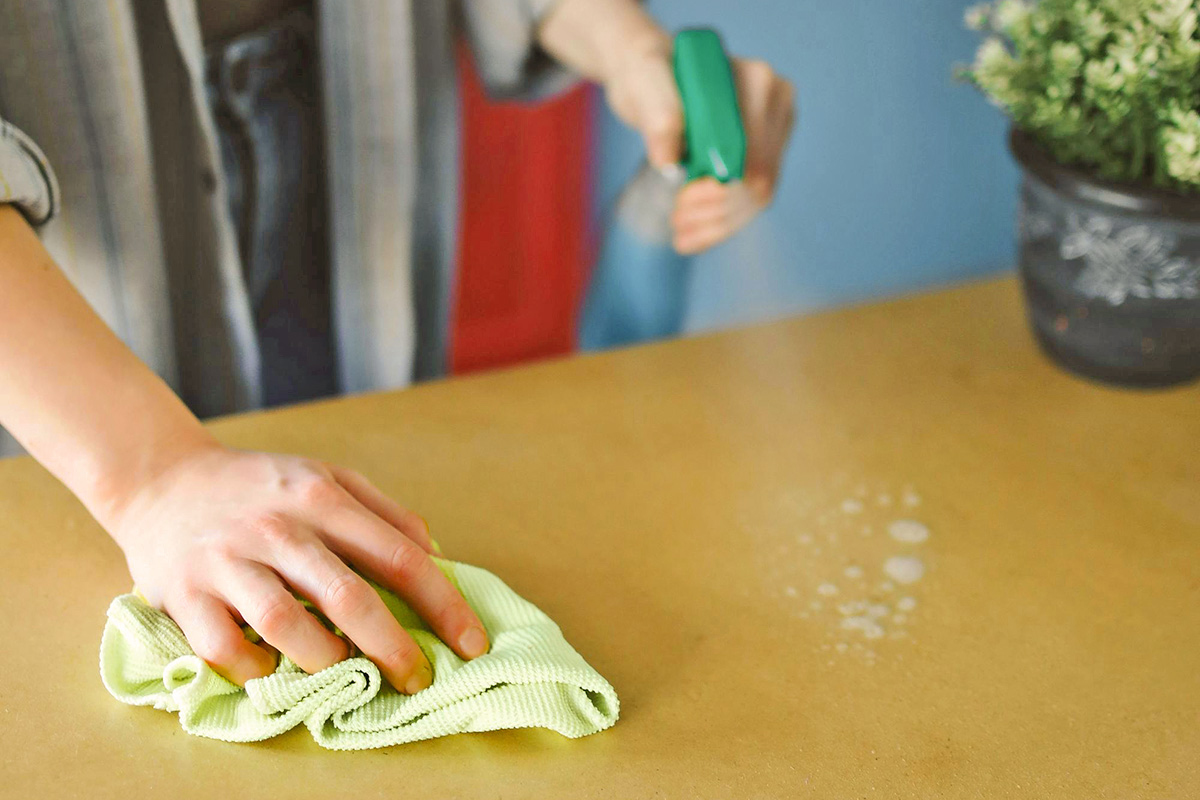
Disinfecting requires more than just a quick wipe; it needs contact time to actually work. Zapata recommends spraying the surface until it’s visibly wet. The surface must remain visibly wet for the entire recommended contact time, which can range from 2 to 10 minutes depending on the brand. (Remember to check the product label to confirm.) If the disinfectant dries before your timer goes off, you need to spray more to keep the surface wet.

Some disinfectants require rinsing with water, especially on food-prep surfaces such as cutting boards, sinks, and countertops. To do this, wet a clean microfiber cloth and wipe down the area a few times — rinsing the cloth with clean water in between — until all the product is gone. Now your surfaces aren’t just clean; they’re thoroughly disinfected and safe to use.

Advertisement
Advertisement
Home Improvement 2m read
464

The Trick for Cabinet Hardware That Never Loosens

Cabinets are among the hardest-working pieces of furniture in any home. Whether they’re built-ins or freestanding credenzas, the constant opening and closing often results in loose screws. If you have cabinet hardware that always loosens up, no matter how often you tighten it, you could buy threadlocker to glue the fastener in place — or you could look in your bathroom cabinet. You likely have an alternative that works just as well.

All featured products and deals are selected independently and objectively by the author. House Outlook may receive a share of sales via affiliate links in content.

Cabinets are among the hardest-working pieces of furniture in any home. Whether they’re built-ins or freestanding credenzas, the constant opening and closing often results in loose screws. If you have cabinet hardware that always loosens up, no matter how often you tighten it, you could buy threadlocker to glue the fastener in place — or…

Get a Grip

Whether you’re fixing a loose screw or want to prevent hardware from wiggling, add a thin drop of clear nail polish to the screw threads before inserting the screw and tightening it into place. Similar to commercial threadlocker, nail polish acts like a light adhesive that fills the gaps between threads to lock them into place. Clear nail polish dries almost instantly and stands up to the constant vibration of opening and closing cabinets and drawers.

Related: Why You Should Always Put Tape on Your Drill Bit

If you don’t have clear nail polish, you can achieve a similar result using super glue, rubber cement, or even Teflon tape. You can also opt for specialized fasteners, such as nylon insert nuts, lock washers, or safety wire to keep hardware locked in place.

Advertisement

Other Household Uses for Clear Nail Polish

Clear nail polish doesn’t just belong in your manicure kit — it’s one of the most useful tools to have around the house. Beyond its use as a threadlocker alternative, clear nail polish is great for stopping runs in stockings or tights before they spread. It also works well for temporarily patching small holes in window screens or preventing cut rope from fraying. And if you’re an avid camper or building an emergency kit, you can waterproof matches by dipping the heads in clear nail polish.

Advertisement
Featured Image Credit:  brizmaker/ iStock | Updated  Feb 10, 2026 |
Jessie Quinn
Writer
Jessie Quinn is a Los Angeles-based lifestyle journalist with words published in PEOPLE, StyleCaster, Apartment Therapy, The Spruce, Byrdie, and more. She has a Bachelor's Degree in fashion journalism from Academy of Art University and her work spans across many categories, including style, beauty, home, health, crafts, and more.
This article is for general informational purposes only.
Featured Image Credit:  brizmaker/ iStock | Updated  Feb 10, 2026 |
Advertisement
Food & Drink 3m read
571

Do This One Thing Before Eating Fresh Produce

We all know that eggs, undercooked chicken, and questionable shellfish are potential causes of food poisoning, but don’t overlook the risks from fresh produce. We typically cook meats and eggs, but produce such as lettuce, sprouts, and fresh fruit — just to name a few — are almost always eaten raw. If they’re carrying any bacteria (and with all the handling they get between the field and your table, who knows?), those pathogens will end up in your gut, where they become a problem for your immune system.

All featured products and deals are selected independently and objectively by the author. House Outlook may receive a share of sales via affiliate links in content.

We all know that eggs, undercooked chicken, and questionable shellfish are potential causes of food poisoning, but don’t overlook the risks from fresh produce. We typically cook meats and eggs, but produce such as lettuce, sprouts, and fresh fruit — just to name a few — are almost always eaten raw. If they’re carrying any…

You’ll find plenty of commercial produce washes on store shelves, but the USDA remains skeptical. The agency argues that these washes haven’t been well studied and raises concerns about the chemical residues they leave behind. Fortunately, a science-backed alternative exists that is inexpensive and relies on ingredients you likely already have on hand. Here’s how it works to keep your produce safe.

Cleaning Fresh Produce With Hydrogen Peroxide and Vinegar

Back in 1996, researcher Susan Sumner — then at the University of Nebraska and later Virginia Tech — discovered that two common household products could be a produce-cleaning powerhouse. By pairing distilled white vinegar with 3% hydrogen peroxide, she found they could kill nearly all salmonella, shigella, and E. coli bacteria, even on produce deliberately contaminated at high levels. Here’s the process:

• Fill a spray bottle with distilled white vinegar, or find a spray mechanism to fit the vinegar bottle. Do the same with 3% hydrogen peroxide; make sure the bottle is dark or opaque, as light breaks down the active ingredient.

• Wash your produce first under clean, running water to remove any dirt that might give bacteria a hiding place.

• Spray the produce thoroughly with the vinegar, then immediately follow up with the hydrogen peroxide. Your produce should be visibly wet and glistening.

• Allow the produce to sit for at least 20 minutes.

• Rinse the produce under cool, running water for 30 to 60 seconds to remove any remaining vinegar or hydrogen peroxide. (Note: Trace amounts of hydrogen peroxide are generally considered safe to consume, as the compound eventually breaks down into water and oxygen when exposed to light and air.)

Advertisement

The Do’s and Don’ts

A couple of final notes: First, to avoid cross-contamination, wash your hands thoroughly before you begin. Second, don’t combine the distilled white vinegar and hydrogen peroxide in the same bottle — mixing them ahead of time reduces their effectiveness.

Related: 5 Tips for Ripening Your Favorite Fruits Faster

For delicate produce such as greens and berries, wait until you’re ready to use them before washing. For sprouts, swish them in a bowl of hydrogen peroxide followed by a dip in vinegar (or vice versa). Finally, don’t use this hack on cantaloupes. Their rinds are too porous and rough for the treatment to work, and the fruit can absorb the taste. Scrub those under running water with a stiff brush instead.

Advertisement
Featured Image Credit:  Iuliia Pilipeichenko/ iStock | Updated  Feb 10, 2026 |
Fred Decker
Writer
Fred Decker is a trained chef and former restaurateur. Since closing his restaurants over a decade ago he has been a prolific freelance writer, publishing several thousand articles on dozens of high-volume websites including Taste Of Home, Hunker, Tasting Table, Week&, eHow, and GOBankingRates. He lives on a rural acreage shared with a big garden, chickens, rabbits, and grandkids.
This article is for general informational purposes only.
Featured Image Credit:  Iuliia Pilipeichenko/ iStock | Updated  Feb 10, 2026 |
Advertisement
Cleaning 3m read
295

How To Remove Lingering Odors From Plastic Containers

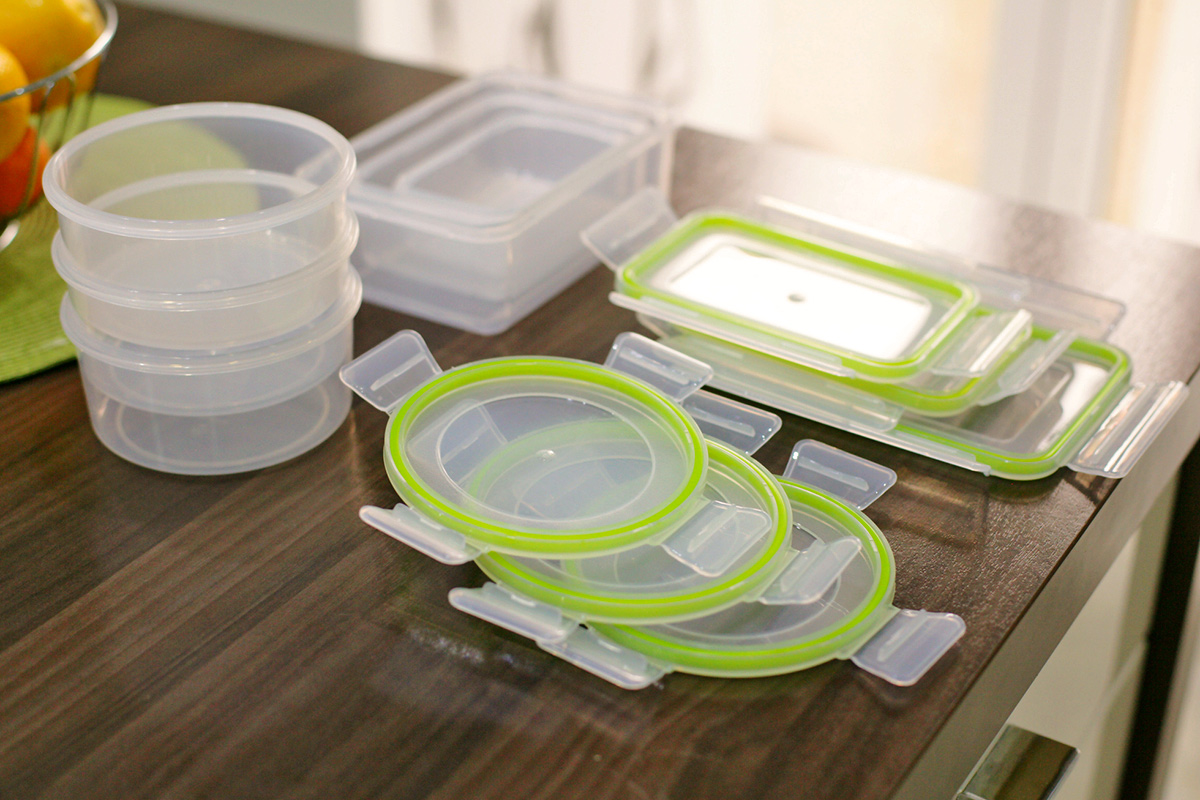
Plastic food storage containers have a way of multiplying in our cupboards. They sneak in through takeout deliveries and the inevitable transfer of custody that happens whenever a friend sends you home with leftovers. While glass is aesthetically pleasing, plastic containers are considerably more affordable, shatterproof, and lightweight — making them the ideal choice for bringing your lunch to work. But whether you prefer the name-brand Tupperware or a budget-friendly alternative, the convenience comes with a catch.

All featured products and deals are selected independently and objectively by the author. House Outlook may receive a share of sales via affiliate links in content.

Plastic food storage containers have a way of multiplying in our cupboards. They sneak in through takeout deliveries and the inevitable transfer of custody that happens whenever a friend sends you home with leftovers. While glass is aesthetically pleasing, plastic containers are considerably more affordable, shatterproof, and lightweight — making them the ideal choice for bringing…

Ink Out the Stink

Since plastic is porous, food odors can easily seep into the material, leaving behind an off-putting scent that seems impossible to get rid of, even after the container is run through the dishwasher. Instead of scrubbing, reach for a sheet of black-and-white newspaper to get rid of the smell.

Related: The Smartest Way To Label All of Your Food Containers

Newspaper is made of highly porous fibers and carbon-based ink. The fibers absorb the odor-causing molecules like a sponge, and the ink works to neutralize them. To get rid of food smells in plastic containers, crumple a sheet of newspaper, stuff it inside the container, and secure the lid. For best results, place the container in a sunny spot in your home. The warmth helps release the odor-causing molecules, making them easier to trap, while UV rays help break down the chemical bonds of those lingering scents. Let the container sit overnight for a quick refresh. If you’re dealing with a particularly stubborn smell, you can leave it for a few days (up to four) until you’re satisfied with the results.

Advertisement

A Bright Idea for Stained Plastic

If your clear plastic containers are sporting an orange glow — whether it be from spaghetti and meatballs or coconut chicken curry —  you’re going to want to try this trick. Direct sunlight can significantly fade and reduce discoloration on plastic food storage containers. You can up the ante by rubbing a cut lemon over the stained areas; the citric acid acts as a natural bleach, working with the UV rays to lift away stains. For more stubborn cases, mix 3 tablespoons of baking soda with 1 tablespoon of water until it forms a thick paste. Apply it generously to the stained areas and let it sit for 30 minutes to an hour before scrubbing. The baking soda cuts through grease and acts as a mild abrasive, buffing out those deep-set stains.

Advertisement
Featured Image Credit:  Bibica/ iStock | Updated  Feb 19, 2026 |
Jessie Quinn
Writer
Jessie Quinn is a Los Angeles-based lifestyle journalist with words published in PEOPLE, StyleCaster, Apartment Therapy, The Spruce, Byrdie, and more. She has a Bachelor's Degree in fashion journalism from Academy of Art University and her work spans across many categories, including style, beauty, home, health, crafts, and more.
This article is for general informational purposes only.
Featured Image Credit:  Bibica/ iStock | Updated  Feb 19, 2026 |