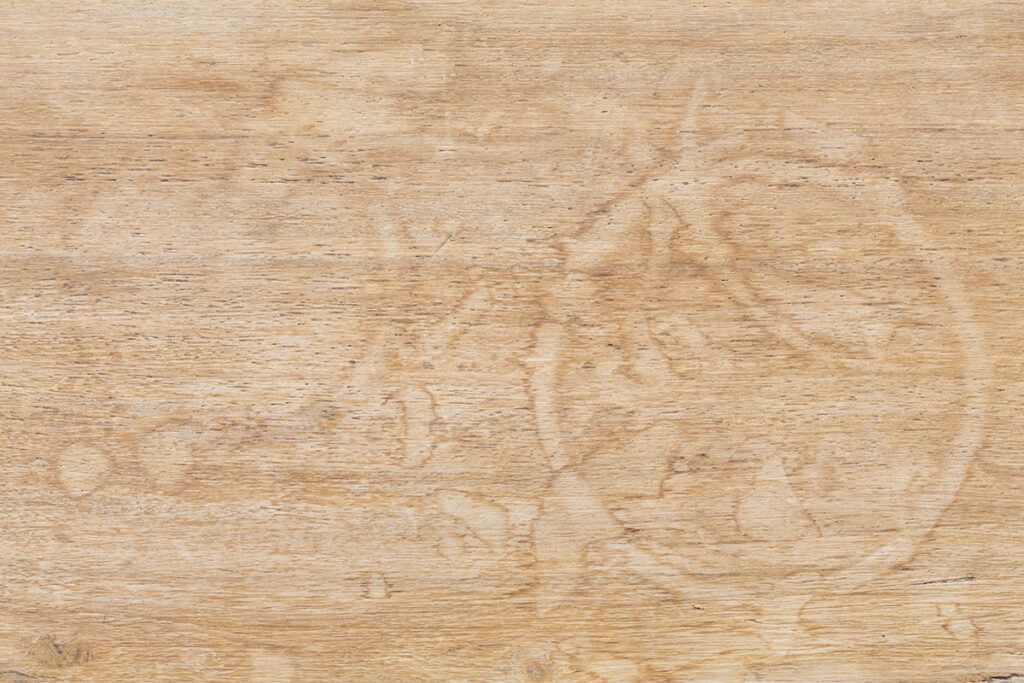
1. Get Rid of White Water Rings on Wood
A cold glass can leave a cloudy white ring on a wood table. The cloudiness is moisture trapped in the finish, and petroleum jelly can help coax it out. Spread a thin layer over the mark, leave it for several hours or overnight, then wipe it off with a soft cloth. Stubborn rings may require a second round. Test it on a hidden spot first to ensure it doesn’t stain the finish, especially on antiques.
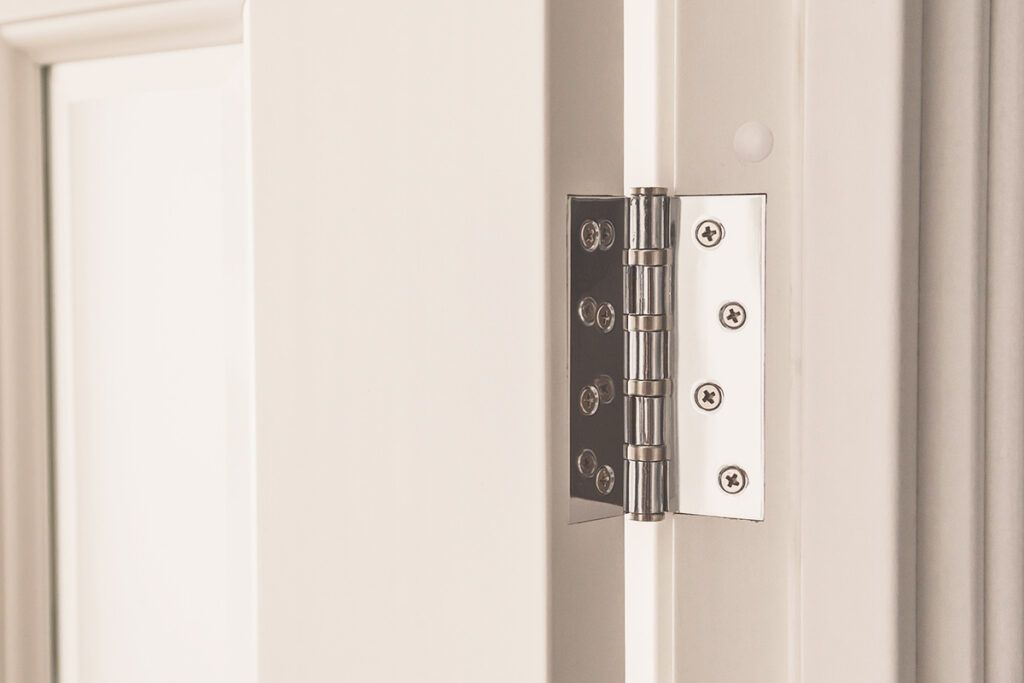
2. Quiet a Squeaky Door Hinge
A squeaky bedroom door is hard to sneak past. Work a little petroleum jelly into the hinge and swing the door back and forth a few times to spread it around. Wipe off the excess so it doesn’t collect dust and grime.
3. Help Shower Curtains Slide More Easily
If you have to tug each shower curtain ring over the same rough patch of the rod, rub a thin coat of petroleum jelly along the spot where they catch, and slide the curtain back and forth. The same trick works on regular curtain rods when rings or grommets stick.

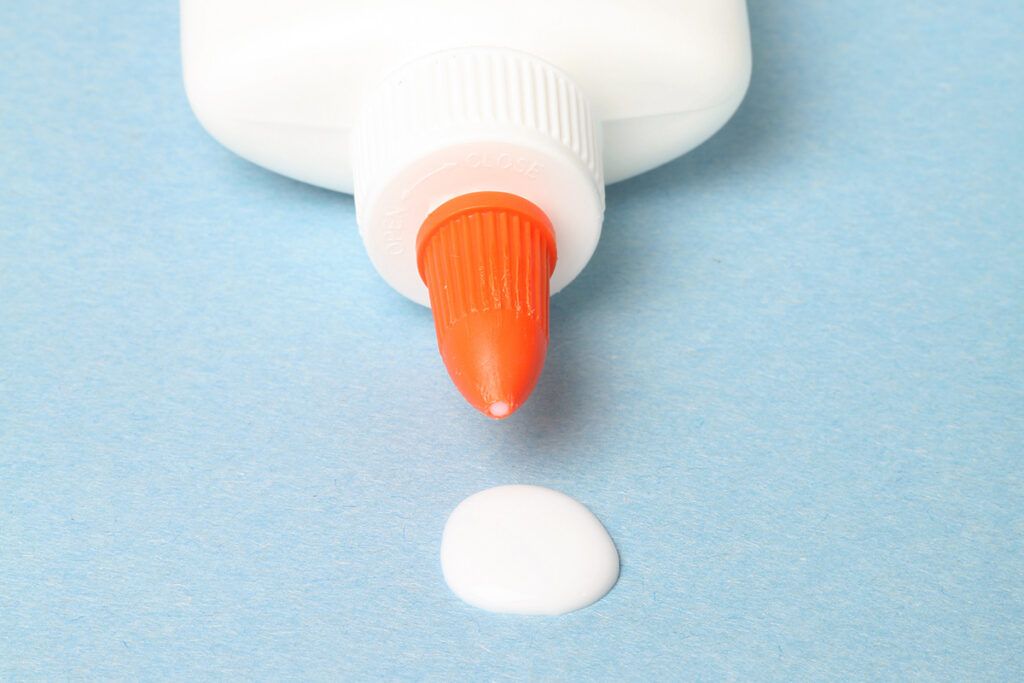
4. Keep Glue Bottles From Sealing Themselves Shut
Crafters and kindergarteners alike know that dried glue builds up around the mouth of the bottle and can eventually cement the cap in place. After each use, wipe the opening clean and smear a tiny bit of petroleum jelly on the threads or rim before closing the bottle. The cap should twist off more easily next time.
More from our network
House Outlook is part of Inbox Studio, which publishes content that uplifts, informs, and inspires.



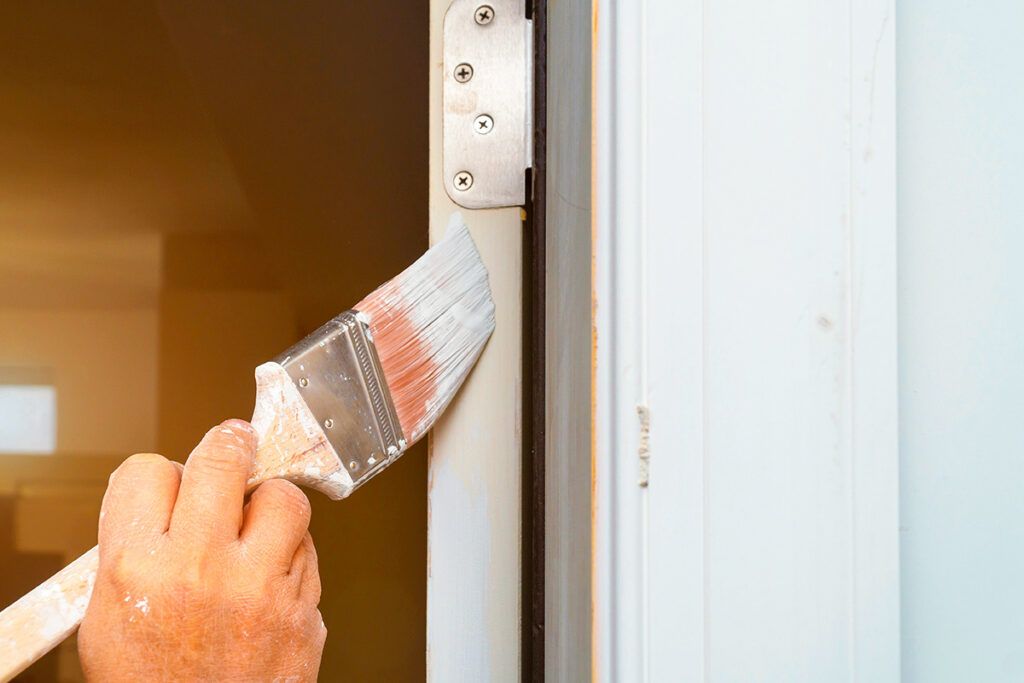
5. Protect Hardware During a Paint Project
Taping around every hinge and screw is tedious. For small hardware that’s awkward to cover with painter’s tape, a thin coat of petroleum jelly can serve as a temporary barrier, since paint doesn’t stick to it well. When you’re done, wipe away the jelly and any stray paint. Keep it off surfaces you actually want painted, since greasy residue can keep new paint from adhering.
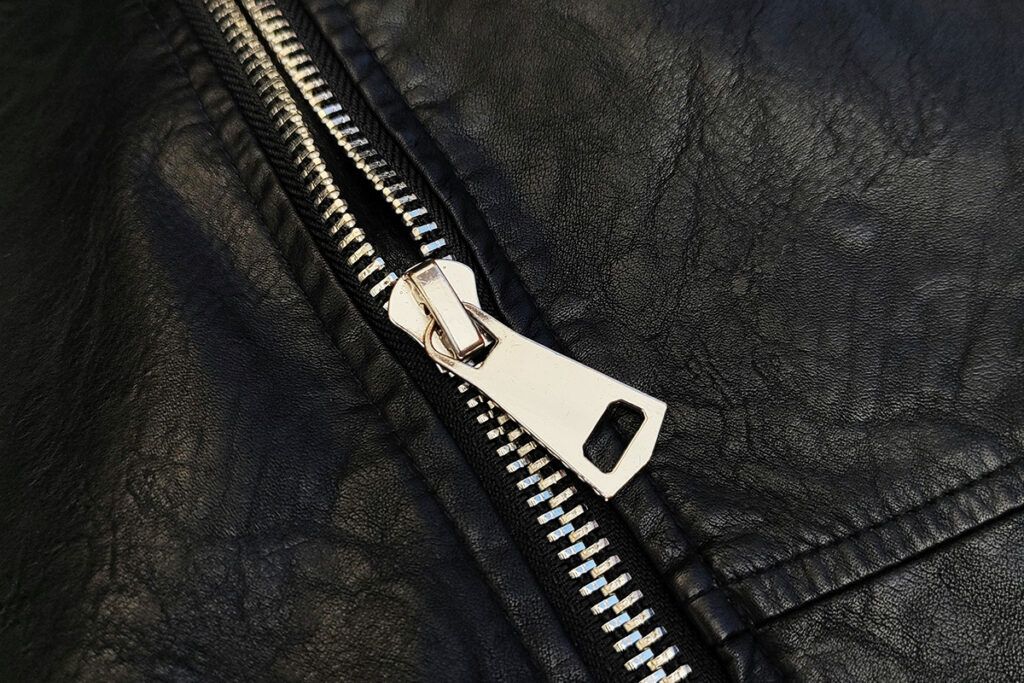
6. Loosen a Stuck Zipper
Yanking on a stuck zipper usually jams it further. Put a dab of petroleum jelly on a cotton swab, run it along the teeth near the snag, and work the pull gently back and forth until it moves. Stay on the teeth and away from the fabric, because the oil can stain some materials.
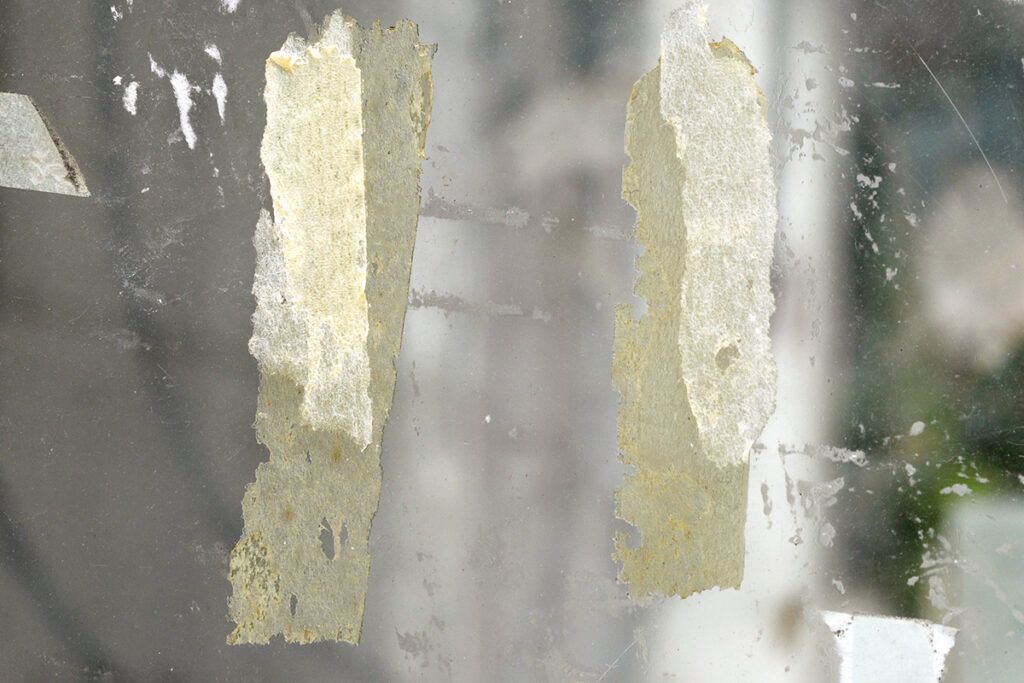
7. Remove Sticky Label Residue
Peeling a price tag off of a new vase or picture frame often leaves sticker remnants behind. Rub petroleum jelly over the residue and wait a few minutes. The adhesive should soften enough to wipe away. Wash the item with dish soap afterward to remove the oily residue. This works on glass, metal, and some plastics.
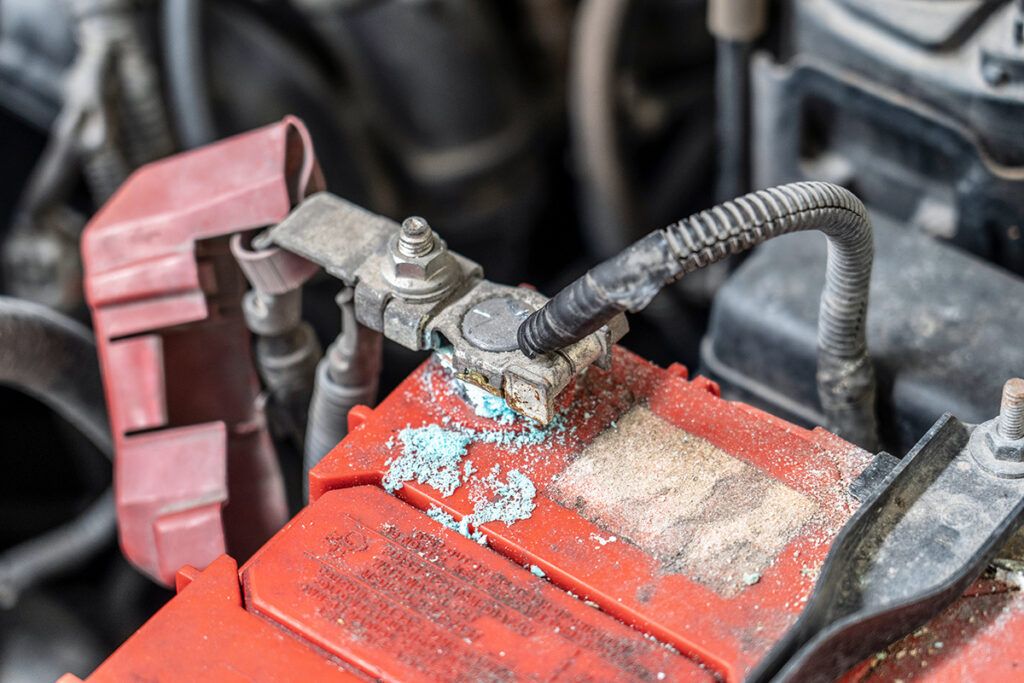
8. Stop Corrosion on Battery Terminals
That crusty white or bluish buildup on a car battery is corrosion, and too much of it can interfere with the electrical connection. Once the terminals are cleaned and reconnected, brush a thin coat of petroleum jelly over the metal. It creates a barrier against moisture that can help slow corrosion. Wear gloves and eye protection when cleaning old corrosion, and check your owner’s manual for the correct order to disconnect and reconnect the cables.
9. Protect Metal Tools From Rust
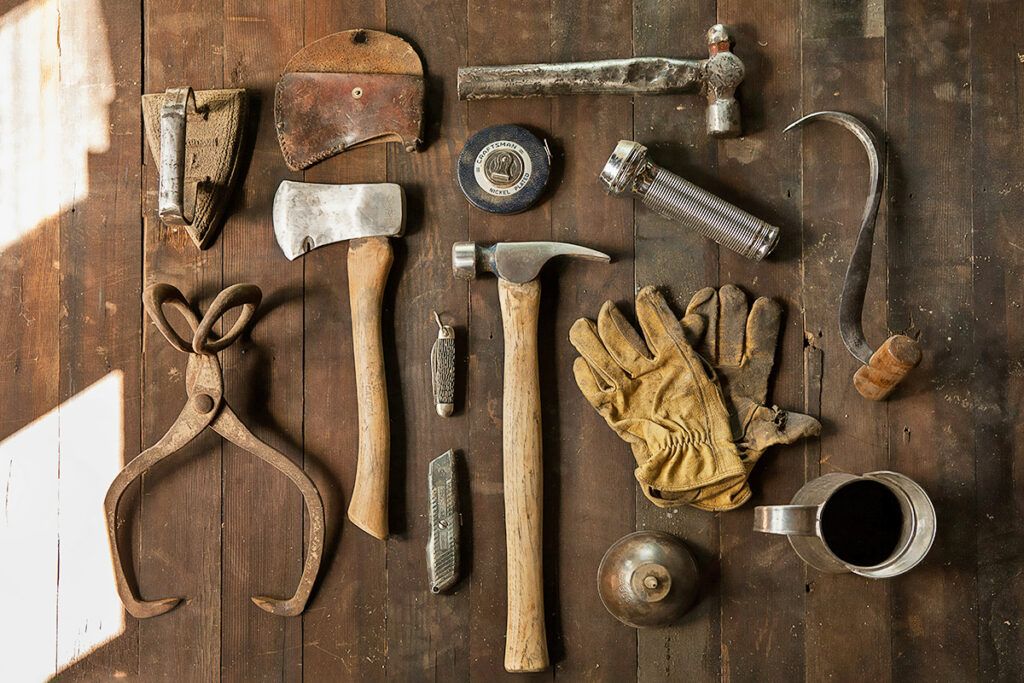
Humid garages, basements, and sheds are hard on metal tools. Clean and dry them completely, then wipe a very thin coat of petroleum jelly over the bare metal before putting them away. The coating creates a moisture barrier that can help prevent rust. Wipe it off before you use them again.
10. Make Scuffed Leather Look Better
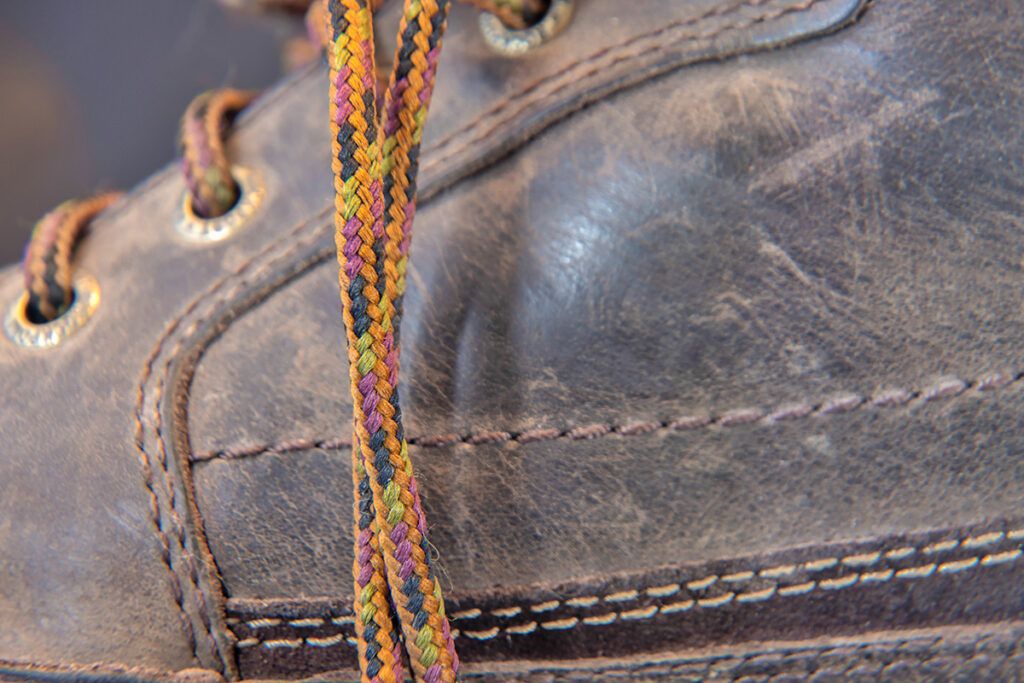
A scuff on a leather chair, bag, or shoe tends to draw the eye — and not in a good way. Rub a tiny amount of petroleum jelly over the entire surface with a soft cloth and buff. It can condition the material, add some shine, and make light scuffs less noticeable. Beware that petroleum jelly can darken some leathers, so test a hidden spot first and let it sit for a while. Skip suede and unfinished leather entirely.
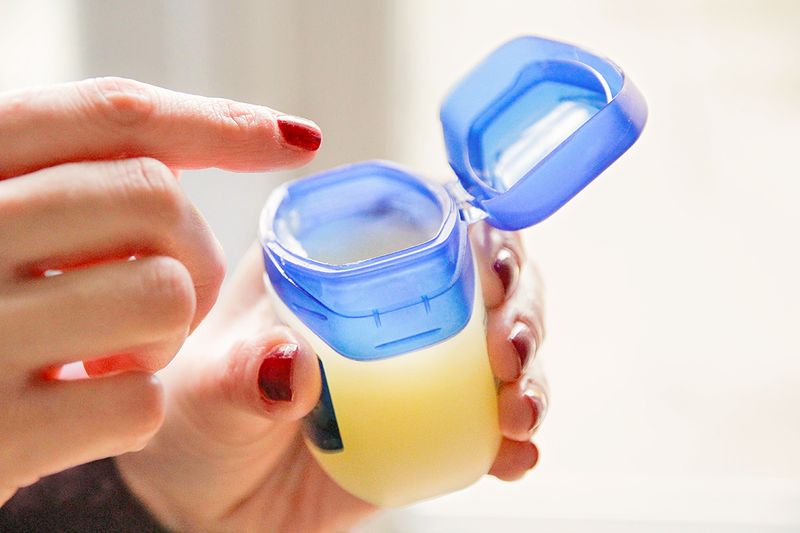
Petroleum jelly won’t replace your toolbox, but since most of these fixes take only a dab, a single jar can go a surprisingly long way.