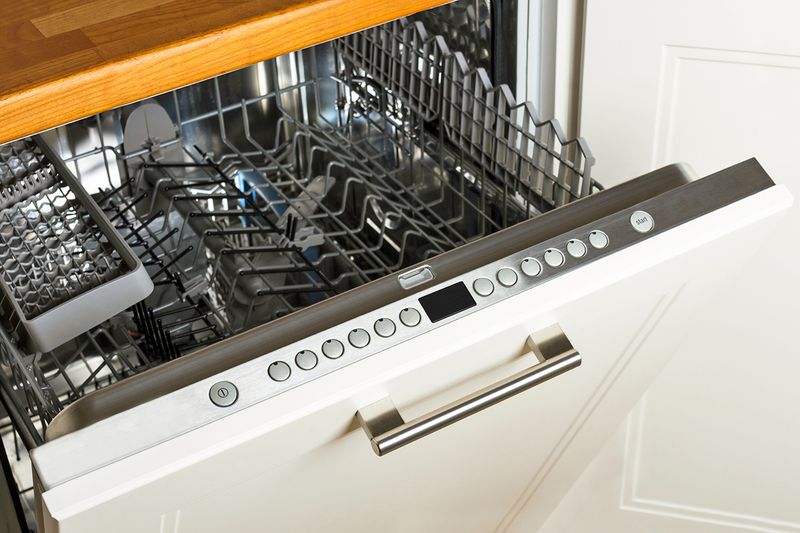
Discover surprising things you can safely wash in the dishwasher below. While you should always check the manufacturer’s recommendations, the dishwasher can save you time and elbow grease while delivering sparkling results.
1. Range Hood Filters
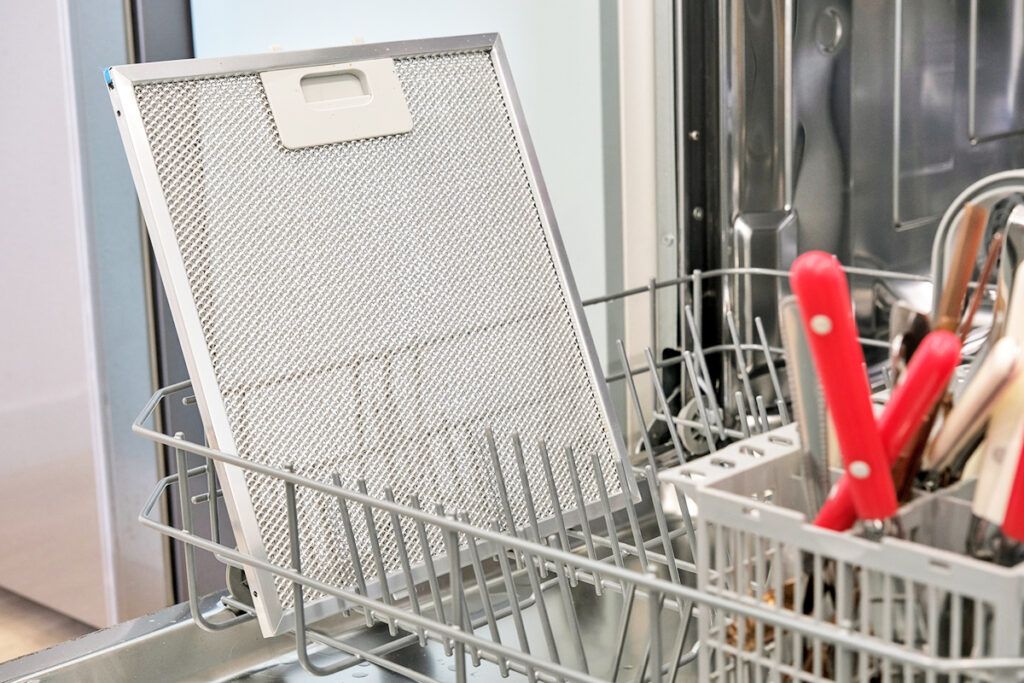
Cleaning greasy range hood filters is one of those chores we tend to put off, but you can let your dishwasher do the dirty work for you. Simply remove the metal filters, place them on the bottom rack, and run a normal cycle with your usual detergent. To prevent cross-contamination, wash the filters in their own load. Space them several inches apart and angle them slightly downward to allow the grease to drain. The hot water and detergent will dissolve the built-up grease and grime, keeping the air in your kitchen cleaner and improving ventilation. Note: Charcoal filters are not dishwasher-compatible; aluminum versions can be washed, but they are prone to discoloration.
2. Refrigerator Shelves and Bins
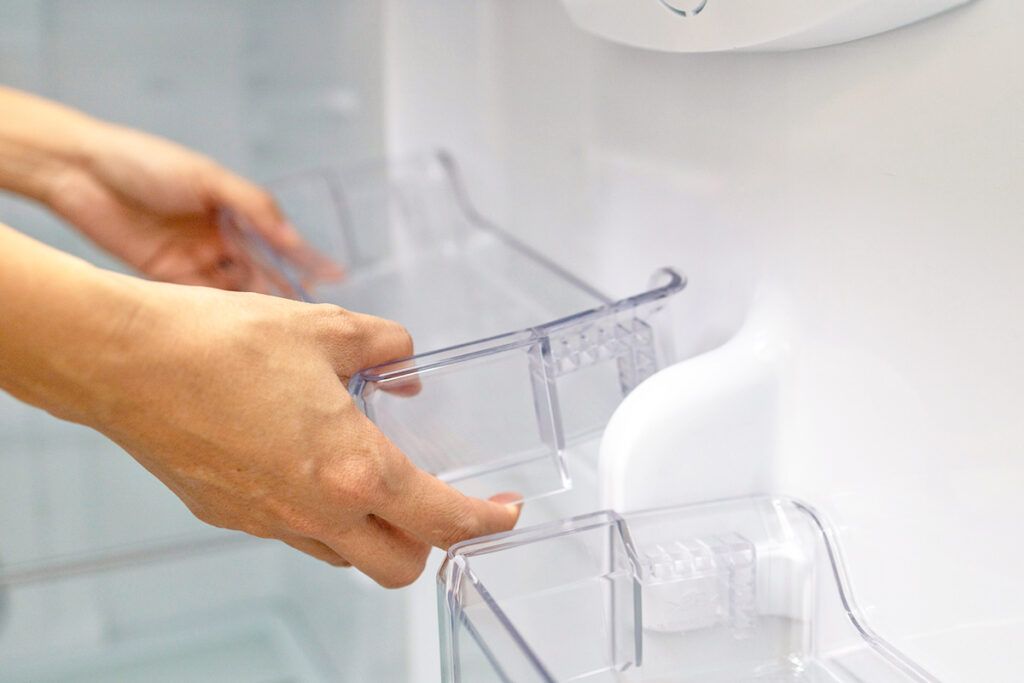
Glass shelves and plastic bins from your fridge often get gunky with spills and stains. Rather than scrubbing them in the sink, place removable parts on the bottom rack of your dishwasher. Use a gentle cycle and a mild detergent, and skip the high-heat drying cycle for plastics to avoid warping or melting. Once the cycle ends, just dry them off with a kitchen towel and slide them back in.
3. Microwave Turntables and Plates
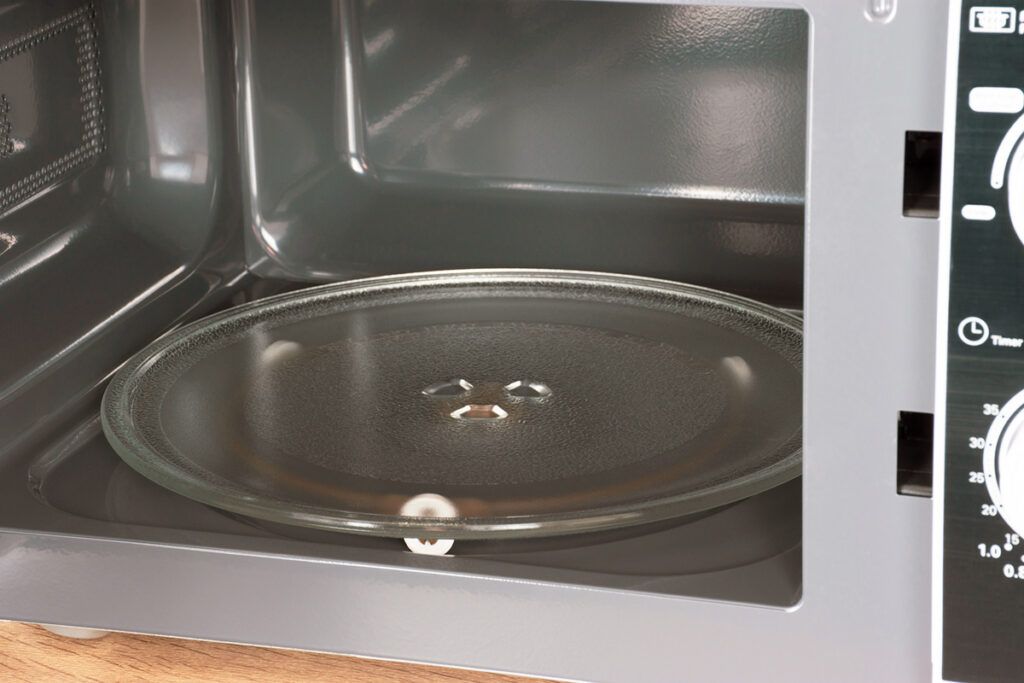
That microwave turntable is a magnet for stains and splatters. Instead of scrubbing it by hand, pop it in the dishwasher and select a normal cycle. It fits perfectly on the bottom rack and usually comes out spotless. If the support ring is also speckled with sauce, toss it in along with the turntable. Just remember to place it on the top rack to keep it secure during the wash cycle.
More from our network
House Outlook is part of Inbox Studio, which publishes content that uplifts, informs, and inspires.



4. Glass Light Fixture Covers
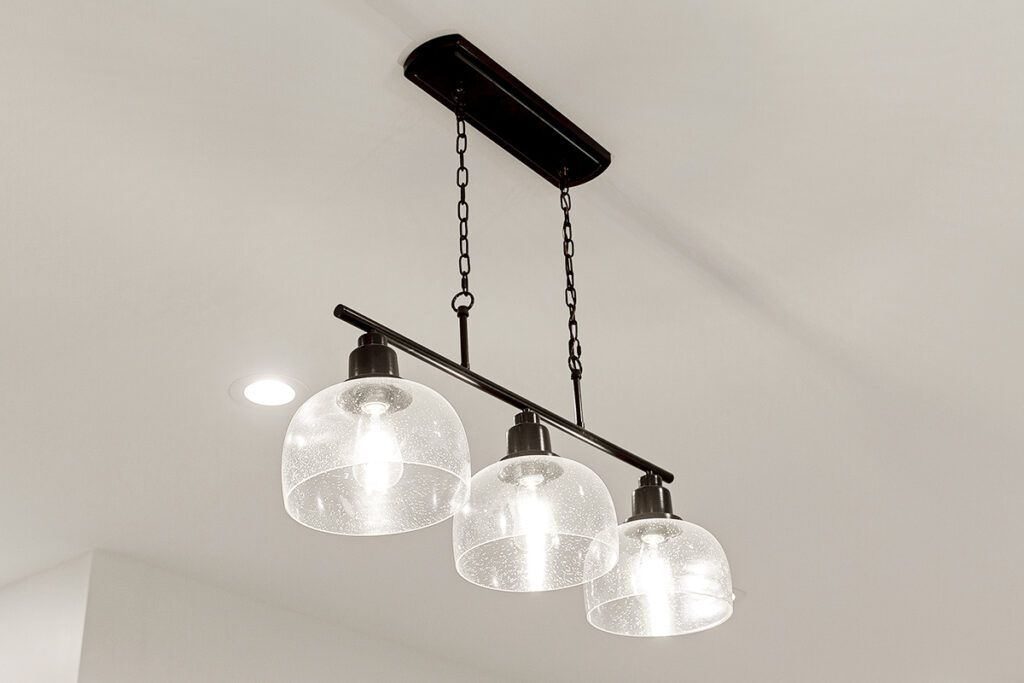
Dusty or sticky glass covers from light fixtures often seem too bulky for the sink and too delicate to scrub. Your dishwasher can handle the grime — just be sure the pieces are made from dishwasher-safe glass and place them carefully on the top rack. To prevent thin glass from cracking, avoid the high-heat drying cycle.
5. Toothbrush Holders and Soap Dishes
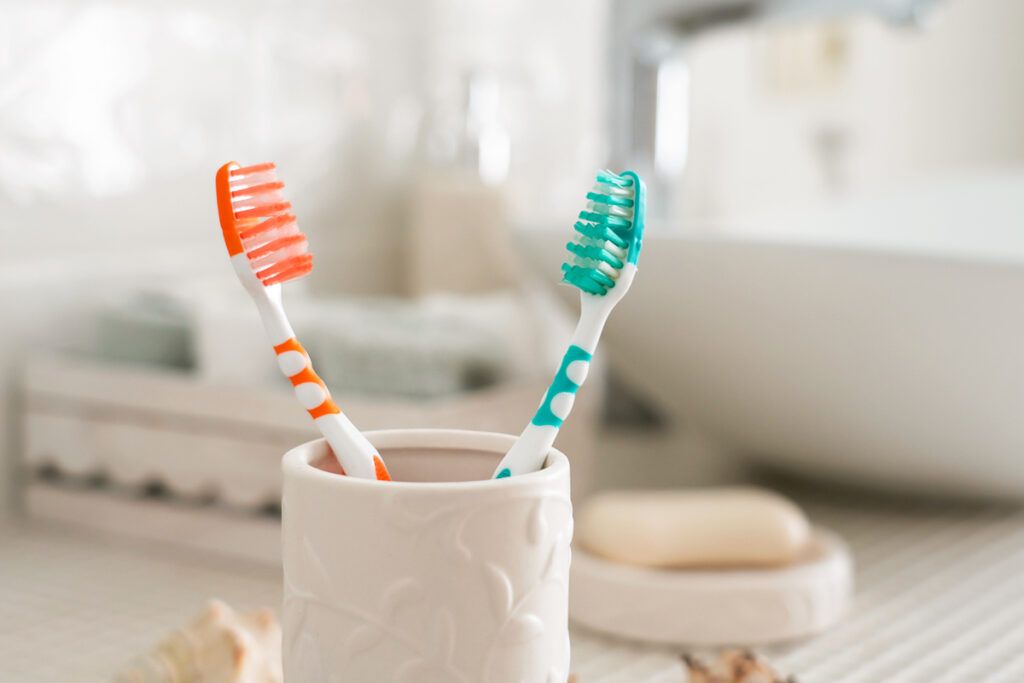
Bathroom accessories can accumulate toothpaste, mildew, and soap scum. Items such as toothbrush holders and soap dishes made from plastic, ceramic, or stainless steel are prime candidates for the dishwasher. Place them upside down on the top rack and let the machine handle the buildup.
6. Hairbrushes and Combs
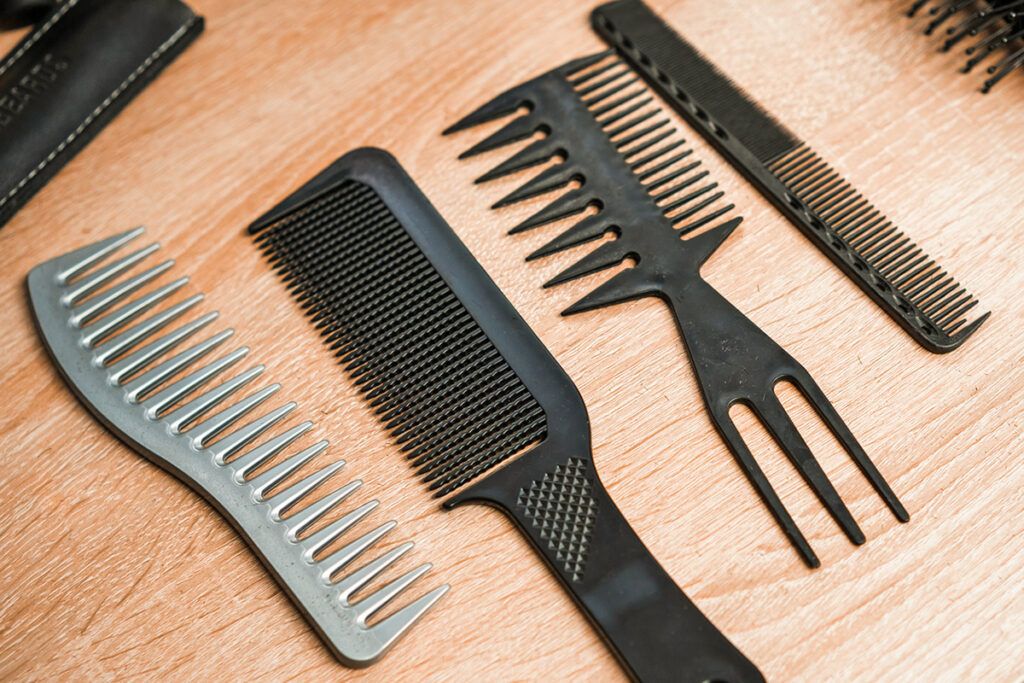
Plastic hairbrushes and combs can go in the dishwasher, but a little prep goes a long way. Remove hair from the bristles first, then place the items on the top rack in a basket to keep them secure. (Avoid using the utensil holder, which sits too close to the heating element on some older models and can melt or warp plastic.) The machine’s warm water and detergent will disinfect the hair tools and dissolve product buildup, leaving them like new. Never put hairbrushes with wooden handles, natural boar bristles, or rubber cushions through a dishwasher cycle, as this can lead to damage or mold growth.
7. Plastic Shower Caddies and Soap Trays
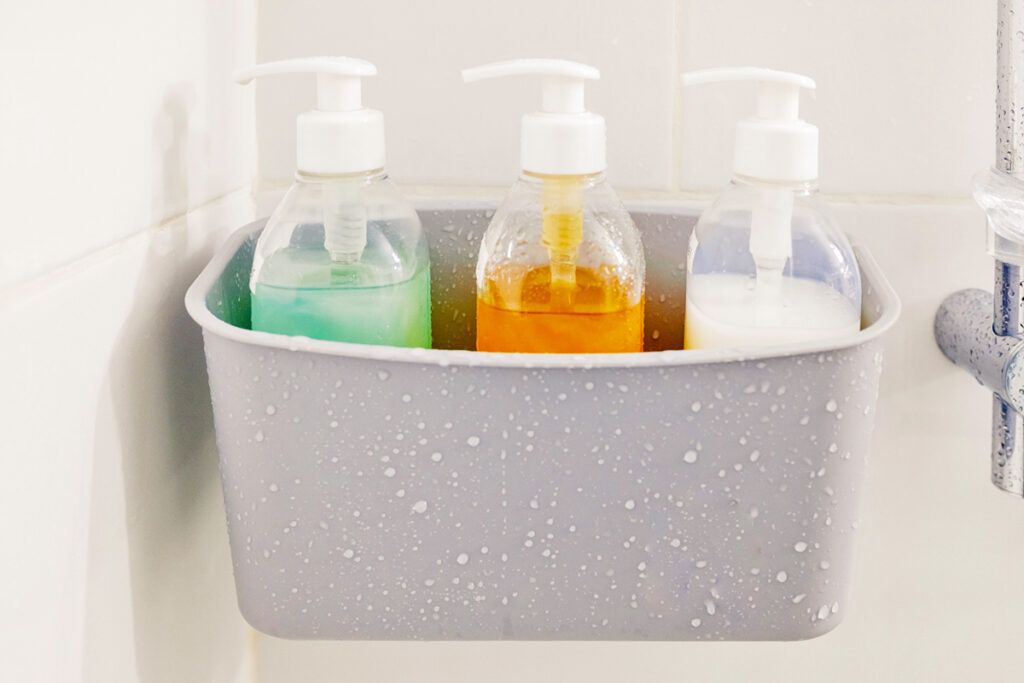
Your shower caddy is a host to soap scum, hard water buildup, and who knows what else. Toss it in the dishwasher’s top rack and run a normal cycle. The hot water and detergent blast away grime better than a spray bottle ever could. While stainless steel, plastic, and silicone caddies are generally dishwasher-safe, skip the chrome-plated versions. Their protective coatings can be stripped by harsh detergents, causing them to rust.
8. Kids’ Plastic Toys
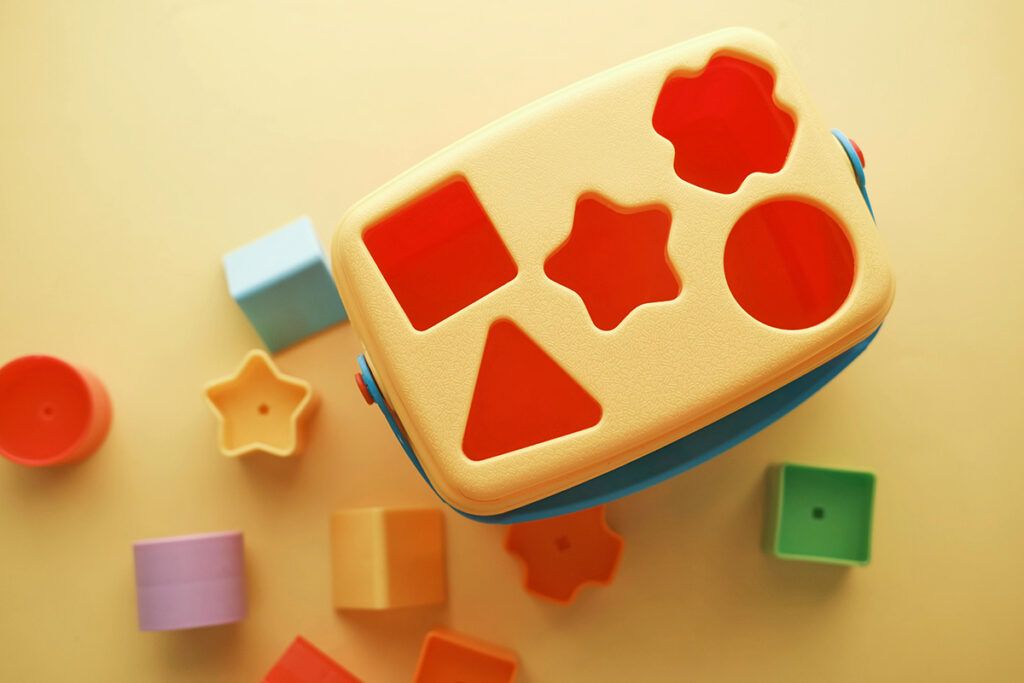
Many plastic children’s toys — without batteries or electronics — can be refreshed in the dishwasher. Place them on the top rack and avoid the heat-dry setting if the plastic is lightweight. For smaller pieces, use a mesh bag or a stainless steel basket to prevent them from falling through the rack. It’s also best to hand-wash any “squeeze” toys, such as rubber ducks, to prevent trapped water from turning into mold.
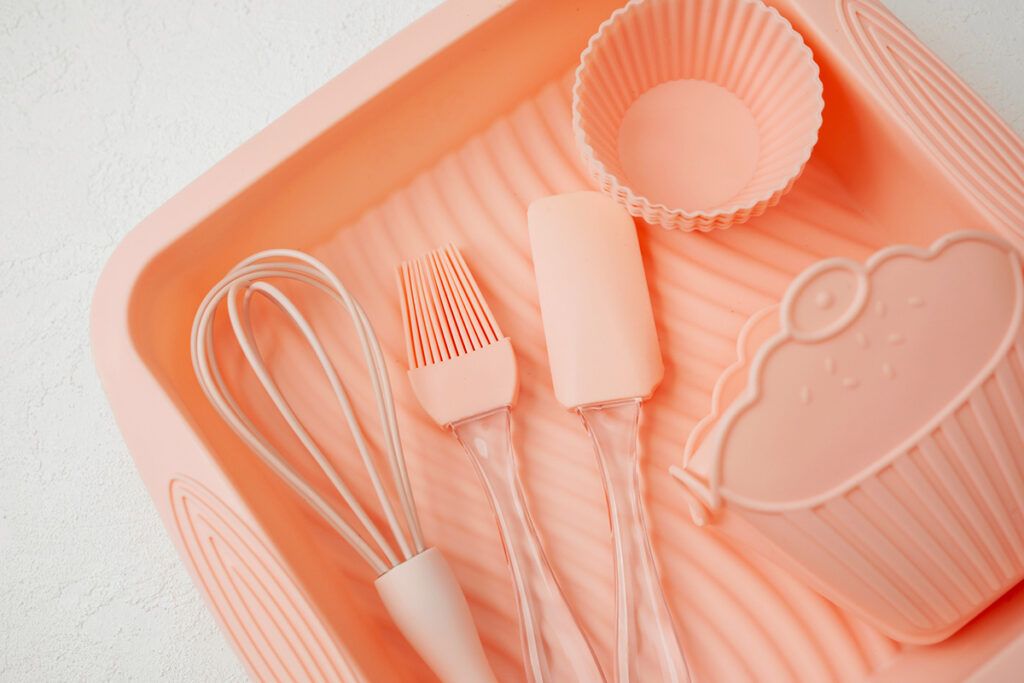
9. Silicone Baking Tools and Utensils
From silicone cupcake liners to spatulas and baking mats, most silicone baking tools are dishwasher-safe. Lay them on the top rack, where the heat and water circulation will reach nooks and crannies more effectively than hand-washing.
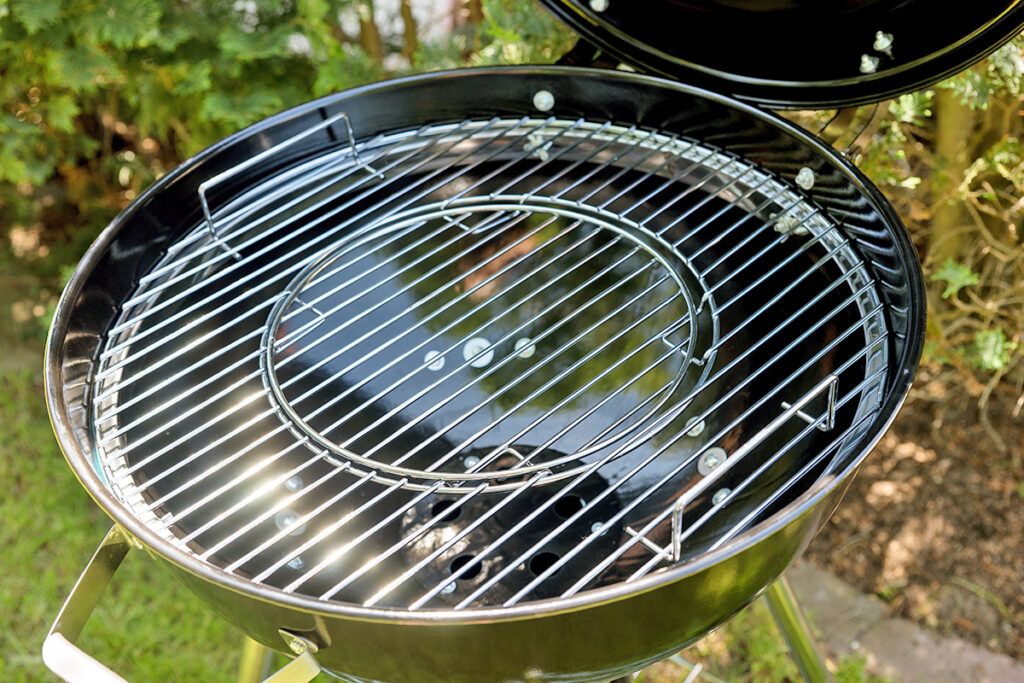
10. Grill Grates and Small Barbecue Parts
For small grill components that fit, the dishwasher can remove cooking grease faster than elbow grease. Place removable stainless steel or porcelain-enameled grill grates on the bottom rack and run a heavy-duty cycle. Avoid this method for cast iron, as the detergent and moisture will strip the seasoning and cause rust.
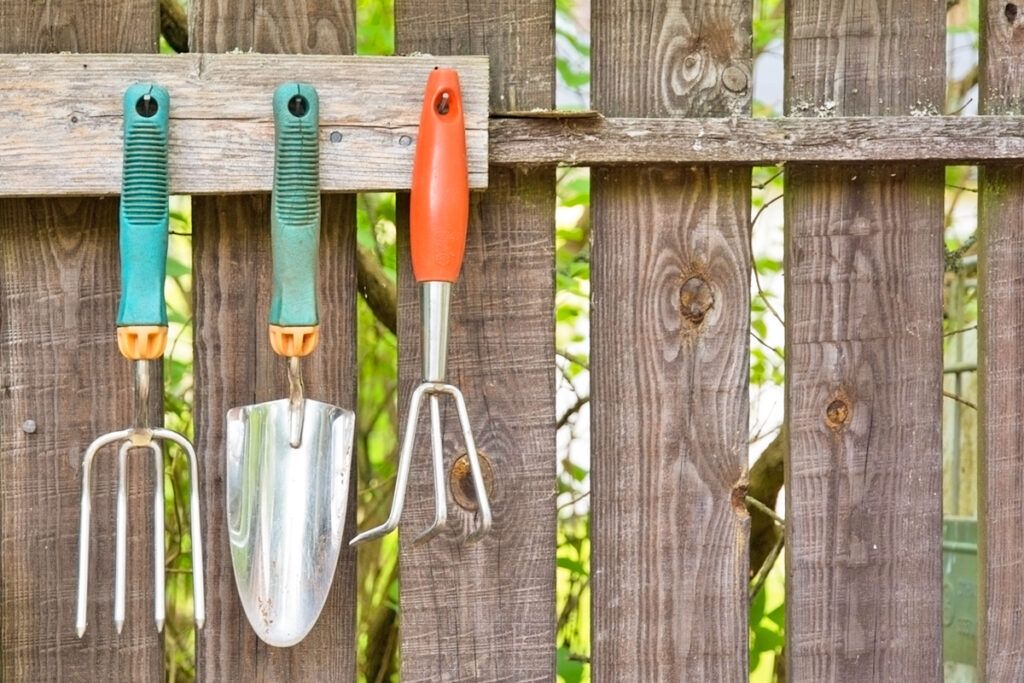
11. Small Garden Tools and Pots
Gardening gear made from hard plastic, stainless steel, glazed ceramic, or rubber is typically dishwasher-safe. After rinsing off any visible dirt that could clog the filter, position your small hand tools, planters, saucers, seed starting trays, watering cans, and other equipment on the top rack. It’s best to wash these in a dedicated load and follow up with a quick empty cycle to keep dirt away from your dinnerware. Avoid the dishwasher when cleaning tools with wooden handles, terra-cotta pots, cast iron items, or copper and chrome-plated instruments.
Dishwasher Safety Tips
Before washing nontraditional items:
Check materials: Avoid wood, cast iron, electronics, and anything labeled “hand-wash only.”
Secure small pieces: Use baskets or mesh bags to prevent smaller items from falling through racks.
Skip high heat for plastics: High-heat drying can warp lightweight plastics. Opt for air-dry or low heat settings.
Separate your loads: Run a dedicated cycle for especially greasy or grimy items rather than mixing them with dishes.
Your dishwasher can be one of your best cleaning allies when you know which items are safe to load. Next time you’re about to scrub stubborn grime by hand, consider letting the machine do the heavy lifting for you.