Of course, like any other living thing, houseplants can also be frustratingly uncooperative. Just when you have everything set up the way you like it, one or another of your plants will often start having problems or showing signs of stress. Any number of things can go wrong with houseplants, but a handful — such as spider mites, root rot, or watering issues — are especially common. Here are 10 houseplant problems you might face, along with easy fixes for them.
1. Your Plant Is Dropping Leaves
Sometimes a plant that’s been flourishing nicely will suddenly seem to have a “fit of the vapors” (to use a charming 18th-century phrase) and start dropping leaves for no apparent reason. While other problems can also cause leaves to drop off, if it happens abruptly without them curling or changing color first, it usually means the plant has been subjected to some kind of environmental shock.
This often indicates exposure to a cold draft. The easy fix is to simply move the plant away from the source of the draft. If that’s not practical, for whatever reason, you will have to address the source of the draft, or add some protection for your plant. This could mean using spray-foam insulation to fill window gaps, or doing something simpler, like putting a small decorative screen between the plant and the draft.
2. A Plant Is Leaning Badly, or Falling Over
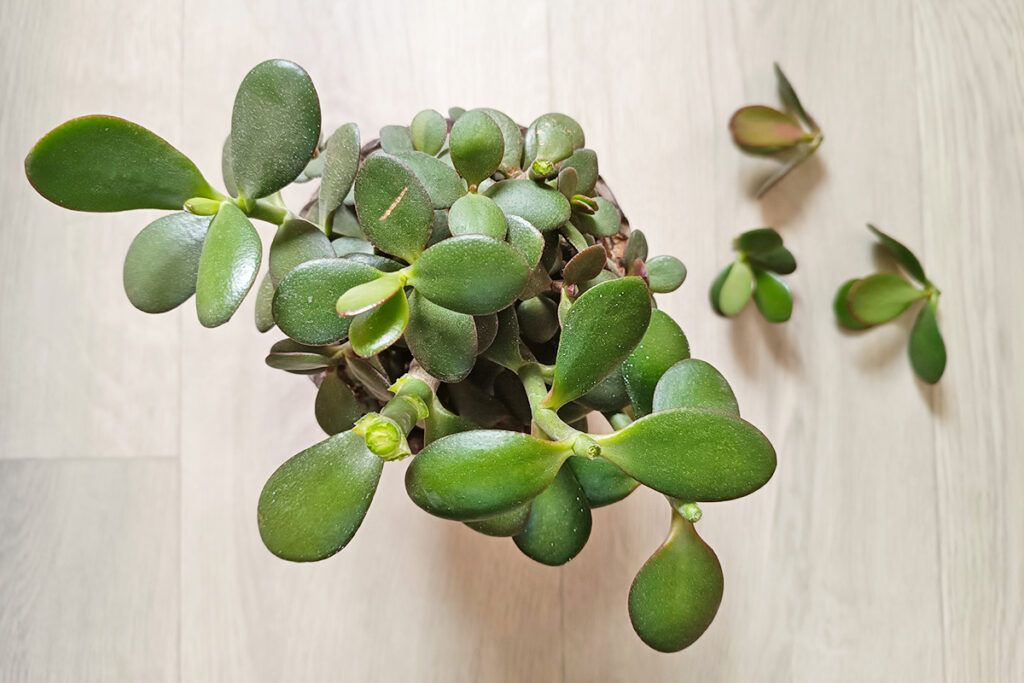
This issue has a few potential causes, depending on your situation. One is that your plant is becoming “leggy,” meaning it’s tall and spindly; we’ll return to that shortly. The second is that your plant is stretching toward its light source. This is easy to check for (look where the light is coming from — is the plant leaning that way?), and thankfully, easy to fix. Just rotate your plant regularly and it will straighten out. Blowing a fan on the plant can also help it develop stronger stems.
The third possibility is that the plant is overgrown relative to the size of its pot and the amount of soil around its roots, making it top-heavy. You have a couple of options, depending on your plant’s needs: First, you can prune or cut it back. Second, you can transplant it into a pot with a wider base, which gives it more stability. A heavier pot can also help, as long as it’s not too heavy to move around conveniently. Note that potting up to a larger container adds stability through weight, but it can also encourage the plant to get bigger, which just aggravates the problem.
More from our network
House Outlook is part of Inbox Studio, which publishes content that uplifts, informs, and inspires.





3. Your Plant Has Yellow Leaves
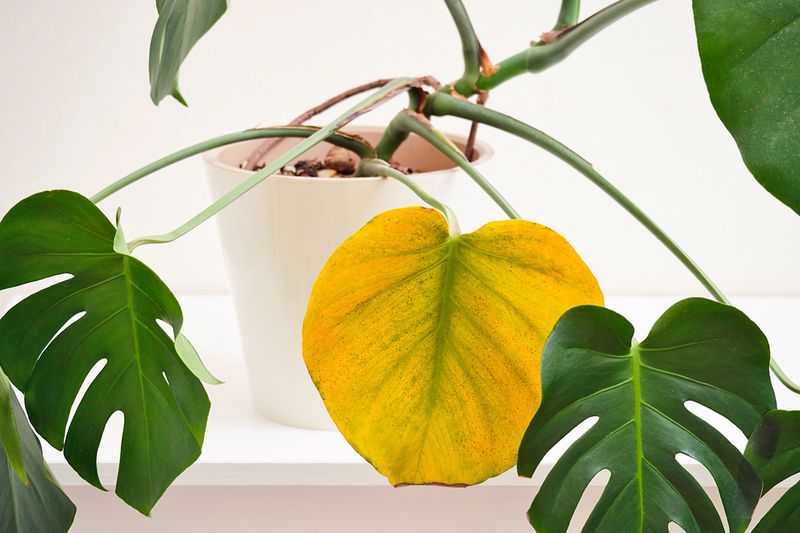
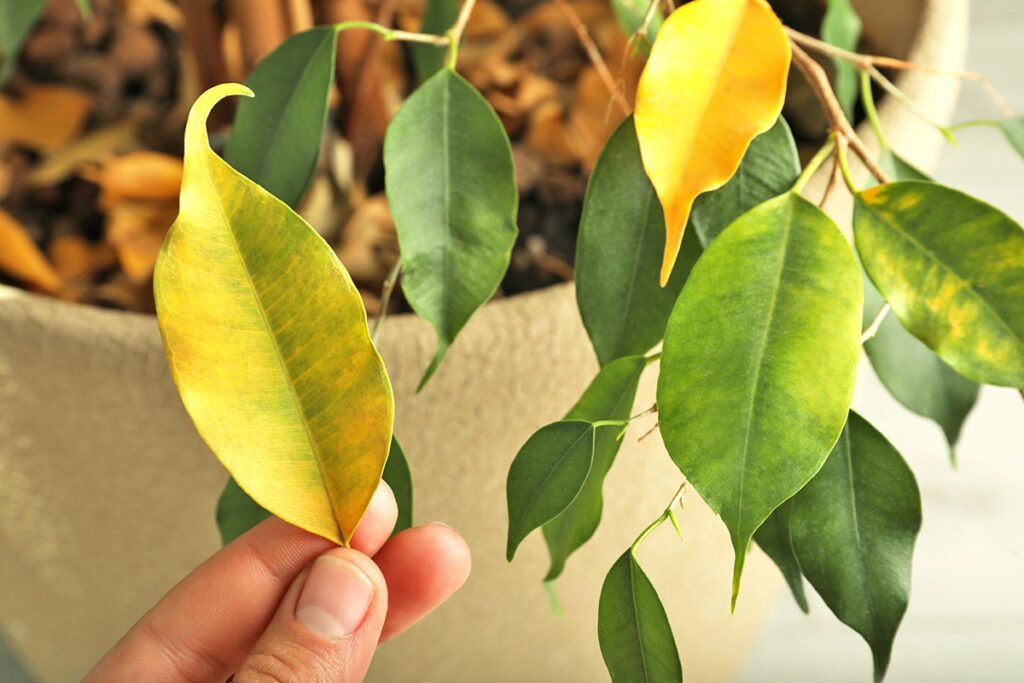
Unless it’s October and your “houseplant” is a birch or poplar tree, yellow leaves almost always mean the soil is too wet. Usually, this suggests overwatering, but not always. You might have used a moisture-retaining potting soil for a plant that needs quick-draining soil, or the pot itself might not have enough drainage (especially if it’s a decorative one). Occasionally, a nutrient deficiency can also be the cause.
The simplest solution is to cut back on watering. Generally, you should water only if the top 1.5 to 2 inches of soil are dry when you push a finger into it. It’s also a good idea to check online, or with your local nursery or extension service, to see if you’ve used the wrong type of potting soil. Soil-testing kits can help you identify nutrient deficiencies. Finally, you can improve your plant’s drainage by switching to a different pot or by drilling drainage holes in the one you already have.
4. Your Plants Are Long, Frail, and Skinny
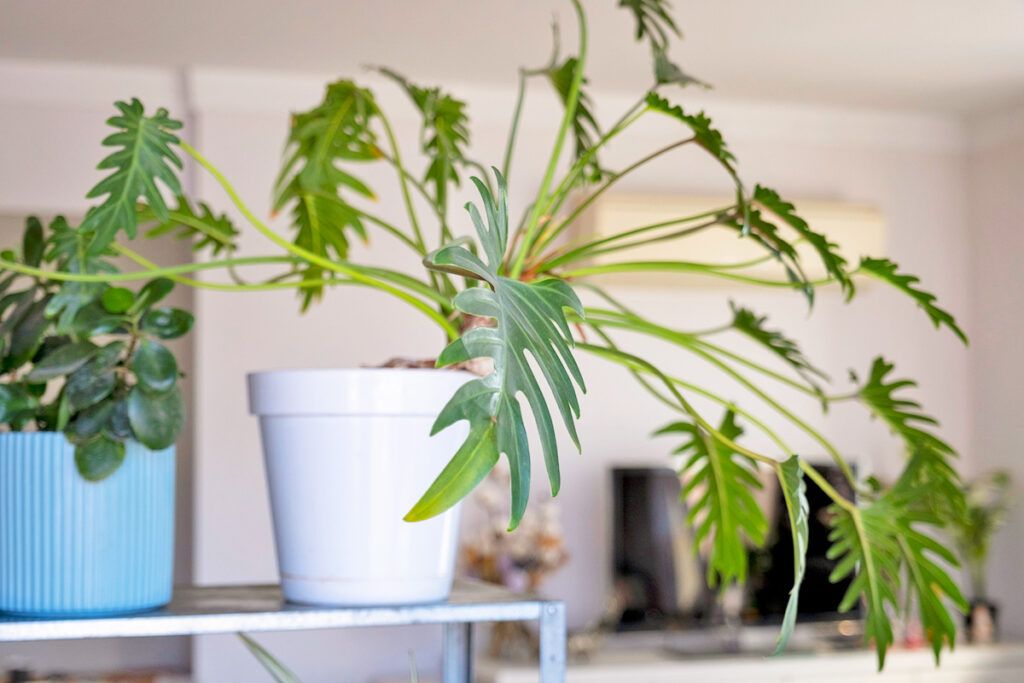
Another common issue is when your plants grow long and skinny instead of sturdy and robust. Gardeners call that “leggy,” and it’s a clear sign your plants aren’t getting enough light. Instead of pushing out lush foliage and blossoms, they’re stretching every which way to find a brighter spot.
The fix is pretty intuitive: Your plants need more light. That might mean moving them around your living space or arranging them so the plants that need more light sit closer to the window than the ones that can tolerate shade. If your space doesn’t get much natural light, you have two options: Add supplemental lighting with grow lights, or select plants that do well in low-light conditions.


5. A Plant Is Wilting, Even Though the Soil Is Moist
Plants will wilt if they’re neglected and underwatered, although some are more resistant than others (which is why they feature prominently on lists of the best houseplants for beginners). If your plant is wilting, but the soil is moist, this suggests another outcome of overwatering or soil that retains too much water. In this situation, your plant may be a victim of root rot, which develops when the roots stay wet for too long.
Soil that’s downright soggy, not just moist, prevents roots from taking up oxygen, as the little air pockets they need are filled with water. When this happens, the roots begin to rot. The fix is to gently slide your plant from its pot and carefully brush or rinse away most of the old soil. Healthy roots will look white or pale yellow, but damaged ones will be dark and mushy. Cut those away to stop the rot, and then repot the plant using a new soil that’s suited to its moisture needs.
You may also see fungus gnats, which can cause similar symptoms and often appear alongside root rot. The adult gnats are irritating but won’t harm your plant. It’s their larvae that cause damage by chowing down on the plant’s roots. Since they don’t do well in dry soil, keeping the topsoil dry is your best “ounce of prevention.” If you already have an infestation, put a slice of raw potato cut-side down in the pot. The larvae will be attracted to this high-value food source, so you can simply discard the slice of potato and replace it with a fresh one every day. Doing this for a week or two will help remove a large number of larvae from the pot.
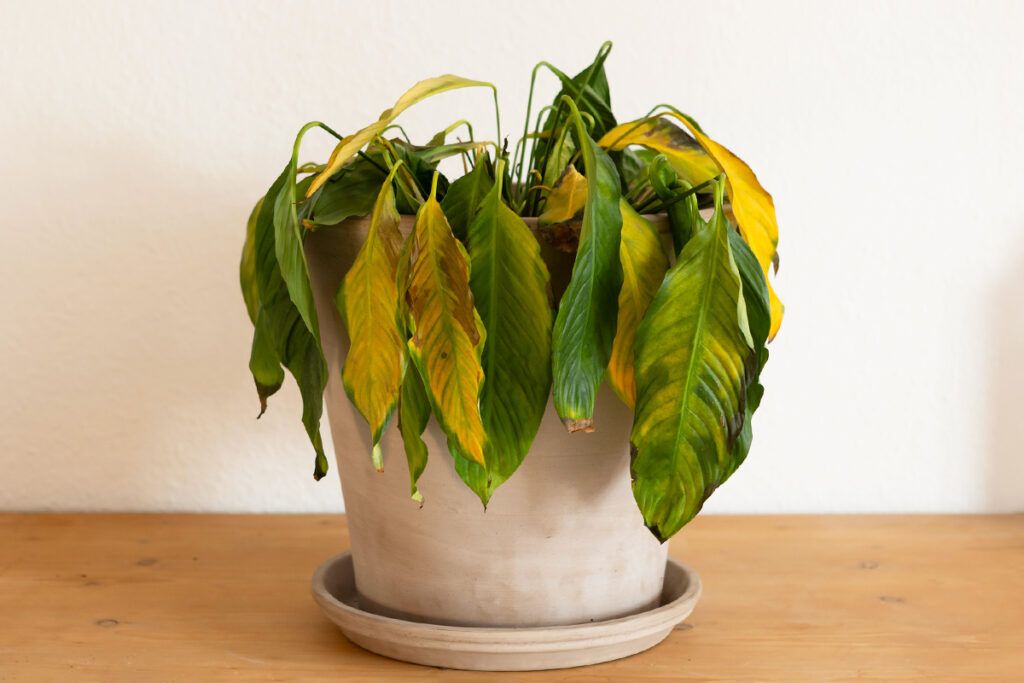
6. The Edges of a Plant’s Leaves Get Brown and Crispy
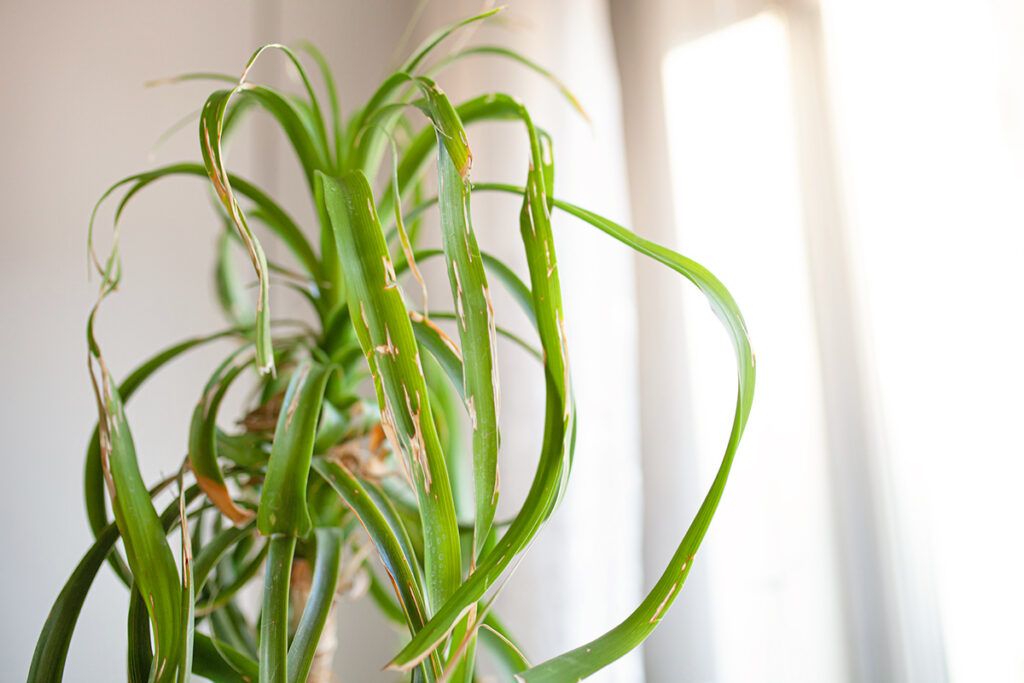
Sometimes you may notice that the edges of a plant’s leaves have started to turn brown, becoming dry and brittle. This usually happens with tropical plants, though not always. When we hear “tropical,” we tend to think of heat, but humidity is equally important. Many popular houseplants originated in tropical rainforests, and those desiccated leaves are a sign that they’re not getting enough ambient humidity. In temperate climates, this is usually seen in winter, when home heating dries out the air. However, in hot, arid climates, the issue may arise during the summer instead.
One easy way to “hack” humidity is to cluster plants together. Alternatively, try moving plants closer to existing sources of humidity in your house, such as a bathroom or a busy kitchen. (You could even shower with your plants.) Investing in a cool-mist humidifier will also do wonders for your plants, but this must be balanced against considerations like the comfort of those in your household or the risk of mold growth. If you’re in a hot, dry climate, using a swamp cooler instead of conventional air conditioning is a great way to keep your plants comfortable.
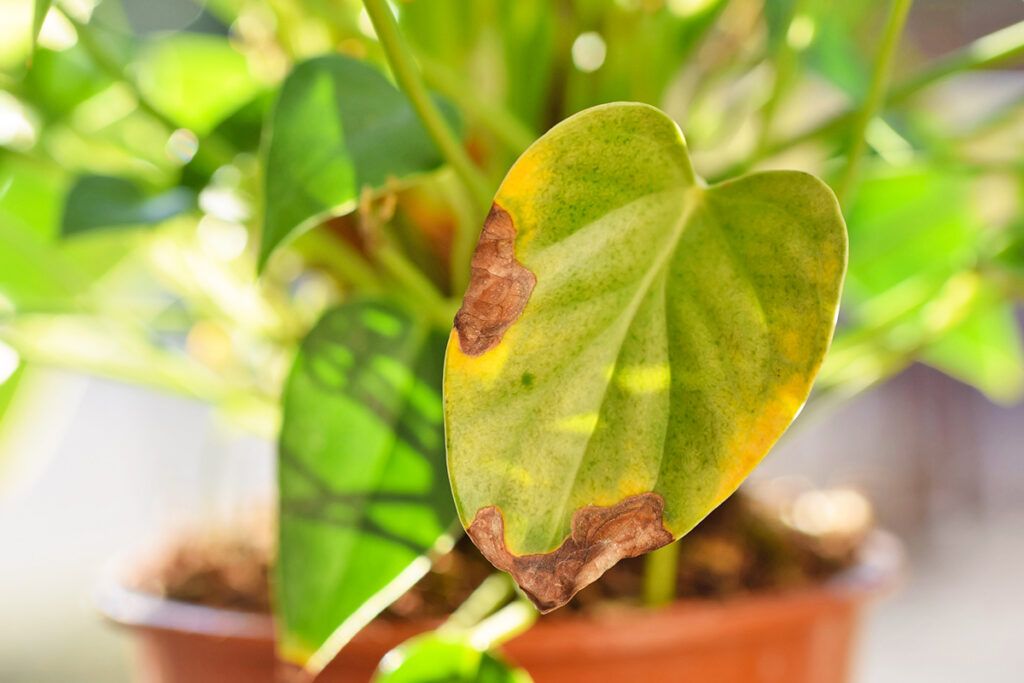
7. The Leaves of Your Plant Are Curling
Curling is another way plants respond defensively to different forms of stress (it reduces the leaves’ exposed surface area), so you’ll need to do a bit of detective work to find the culprit in your case.
One possibility is that the plant isn’t getting enough water. You might be underwatering it, for example, or it might be rootbound, meaning there isn’t enough soil left in the pot to hold the moisture the plant needs. It’s also possible you’ve used a quick-draining potting soil that dries out too quickly for this particular plant’s needs.
Curled-up leaves can also signal that pests are attacking your plants. Carefully unfurl a few leaves and check them for insects, eggs, sticky residues from feeding, or other signs of an infestation. If you spot anything, wash the leaves with insecticidal soap (read the instructions first) or apply a suitable pesticide for the pest you’ve identified.
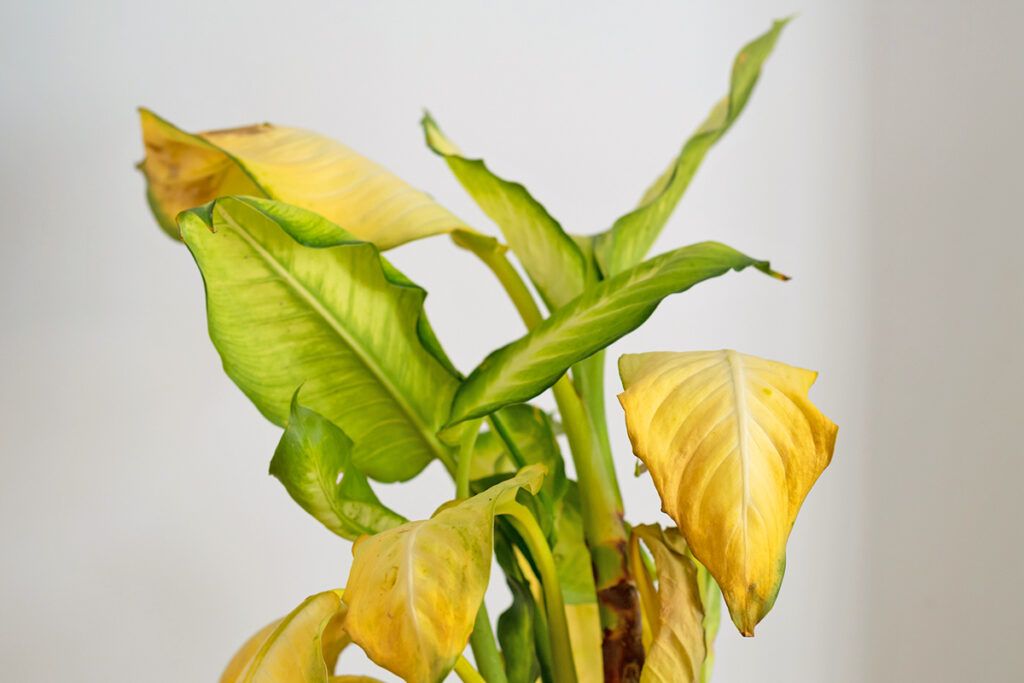
8. You’ve Found Spider Mites on Your Plants
Spider mites are among the most common plant pests, and fortunately, they’re easy to identify. You’ll spot gauzy, spiderlike webs on your plants, and the leaves will start to look speckled. If you look closely, you’ll see the mites themselves — tiny, spider-shaped specks in shades of green, yellow, red, or brown.
They’re the opposite of the fungus gnats mentioned earlier: Gnats show up when soil stays too wet, while spider mites prefer hot, dry conditions. To get rid of them, you can blast them off the leaves with a strong stream of water from a spray bottle or gently wipe them away with a damp cloth. Insecticidal soap and miticides also work well. Greenhouse growers often use predatory insects to control them, but that’s a step further than most houseplant parents want to go (though predatory mites can help without filling your home with creepy-crawlies). For prevention, just keep your plants properly watered and make sure they have enough humidity.
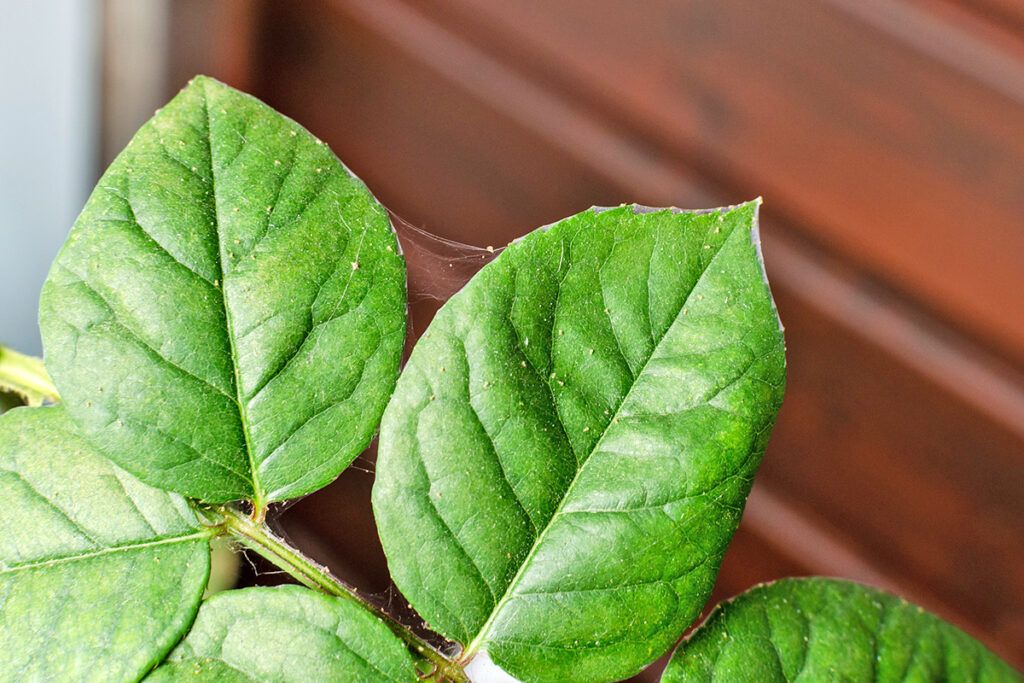
9. Your Plants Have Spots on Their Leaves
The word “spots” is doing some heavy lifting here — it can mean anything from tiny freckles to big, ugly bullseye rings of yellow, brown, and black. Here are a few common possibilities:
• Small speckles, bumps, and yellowed spots often point to insect pests. Check closely for eggs or the pests themselves.
• Small brown spots can indicate watering issues in certain plants, or potentially a mineral deficiency. Test your soil and double-check your plant’s watering needs.
• Large, irregular spots with dark or dried-out centers and brown or yellow edges usually indicate leaf spot disease or a similar fungal infection.
Removing the damaged leaves and treating the underlying cause — with an appropriate fungicide, pesticide, or fertilizer — usually clears things up. If you need help diagnosing the underlying issue, your local nursery or extension service can be a great resource.
10. Your Plants’ Leaves Look Bleached or Scorched
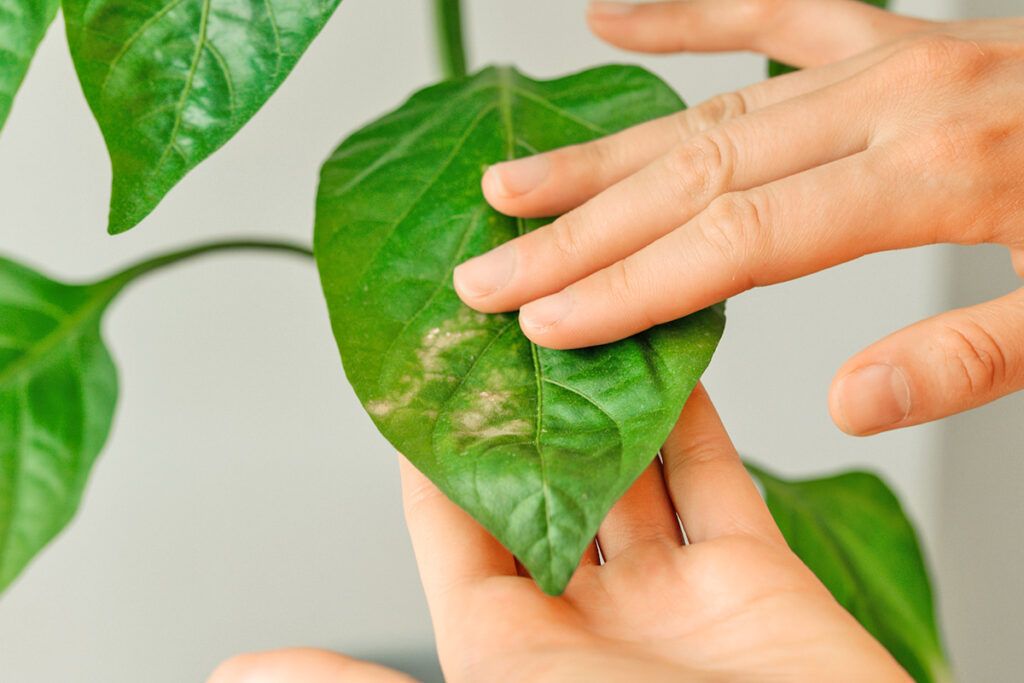
This is basically the flip side of the “legginess” issue. Plants get leggy when they’re not getting enough light, but they get bleached, yellowed, or scorched-looking when they’re exposed to too much. As mentioned earlier, many houseplants are tropical and expect warm, humid conditions. Many of them are also forest-floor plants, adapted to dappled, indirect light.
Yellow leaves are frequently a sign of overwatering, but you can tell the difference if you look closely. Overwatering makes the leaves uniformly yellow, while sunburn affects only the parts of the leaf exposed to direct light. Sunburn can also cause the edges of the leaves to develop brown, crispy patches.
Your best bet is to move the plant to a spot where it won’t get so much light. You can also shade it using taller plants, blinds, or decorative elements, such as a small lattice or rice-paper screen. And if you have the option, gradually increasing the plant’s exposure to light can help “harden it off” so it can tolerate a sunnier spot if needed.
Bonus Tip: Your Plant Is Just Not Flourishing Like It Used To
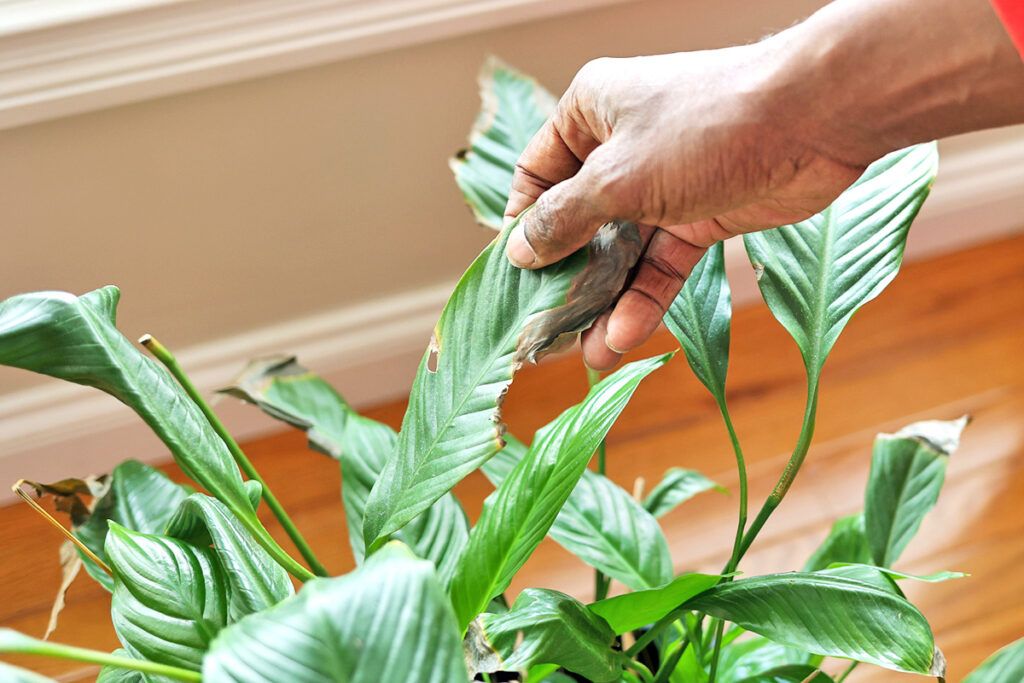
This one can be a little tricky. Sometimes you won’t see any specific symptoms, but a plant that was once flourishing and healthy-looking just starts to lose its oomph. New growth slows to a crawl, blooms stop appearing, and the whole plant starts looking tired and feeble.
If this happens, and you don’t see any signs of pests or disease, it might simply be time to repot your plant into a larger container. Over time, potting soil loses nutrients, and roots can become tightly packed, making it hard for the plant to thrive even with regular fertilizing. Select a pot that is just an inch or two larger than the current one and provides good drainage.
Gently remove the plant from its current pot and brush away as much of the old soil as possible. If you see roots encircling the entire pot, snip them with sanitized scissors or a knife. Trim any roots that look damaged or dark and mushy. Then fill the new pot with fresh soil, make a well in the middle for the root ball, and nestle the plant in before packing the soil around it. (Here’s a hack for getting a perfect fit when repotting.) With fresh soil and room to grow, your plant should bounce back pretty quickly.