1. Countertops: Avoid Harsh Chemicals and Abrasives
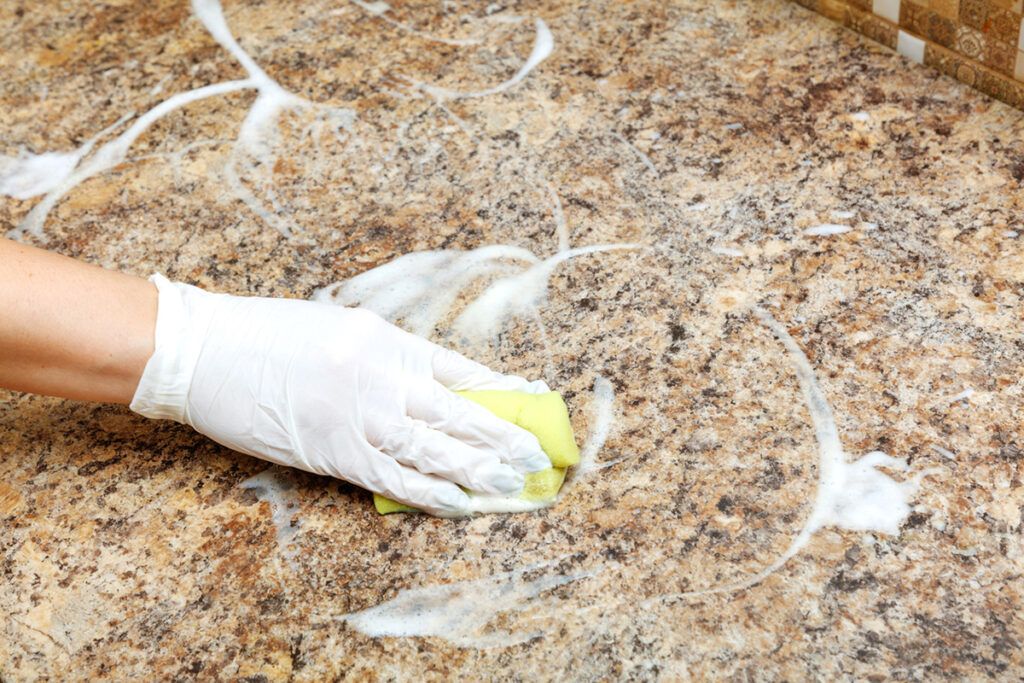
Countertops come in many materials — granite, quartz, laminate, marble — and each reacts differently to cleaning products. A common mistake is using abrasive pads or cleaners intended for tough stains on delicate surfaces. For example, steel wool or scouring powders can scratch stone or dull polished finishes, leaving behind permanent marks. Likewise, acidic cleaners, such as vinegar and lemon juice, can damage natural stone, resulting in a cloudy appearance.
Pro Tip: Stick to mild dish soap and warm water for daily cleaning. For tough stains, choose a product specifically formulated for your countertop material, and always test it in a hidden spot first. A little care now prevents years of regret later.
2. Wood Floors: Skip Excess Water and Harsh Scrubbing
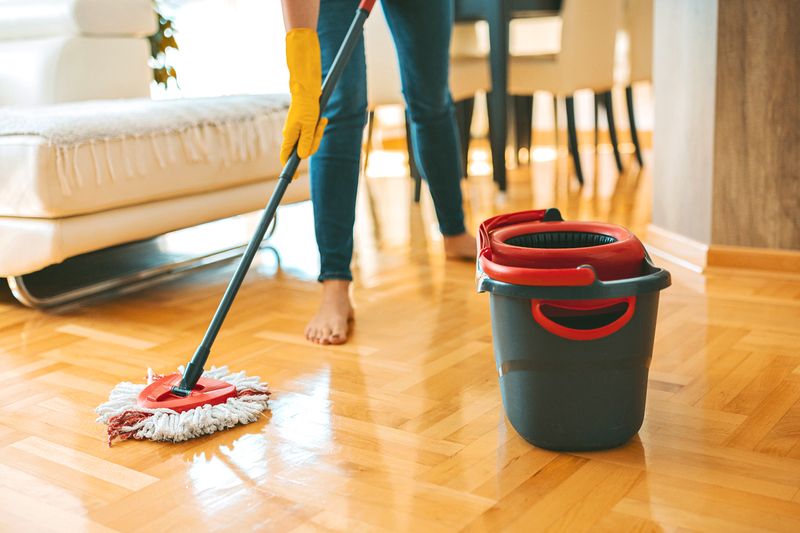
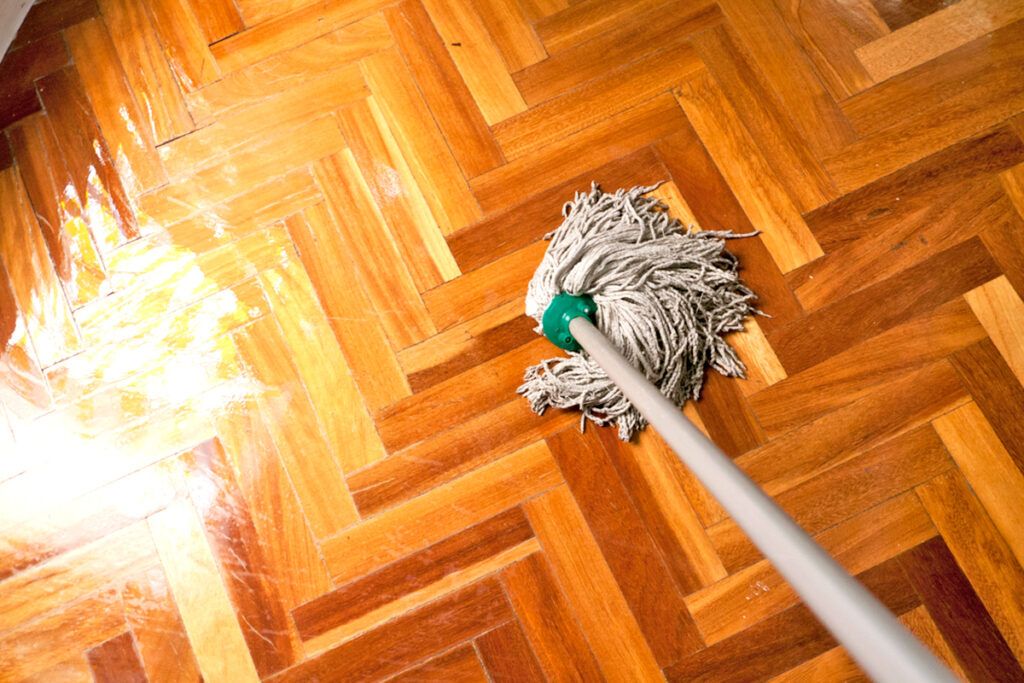
Wood floors are beautiful but fragile. The most common regrets stem from using too much water or scrubbing too hard. Water seeping into the seams can cause the floor to warp or swell, while rough brushes or abrasive pads may strip the protective finish. Even natural cleaners, such as highly concentrated vinegar, can dull or damage a wood finish.
Pro Tip: Use a damp (not soaking) mop with a gentle cleaner formulated for hardwood floors. Dry the area immediately with a microfiber cloth. For minor scratches, apply a wood-specific touch-up solution rather than trying to sand and polish the area yourself. Protecting the finish today avoids costly repairs tomorrow.
More from our network
House Outlook is part of Inbox Studio, which publishes content that uplifts, informs, and inspires.



3. Appliances: Don’t Ignore Product Instructions
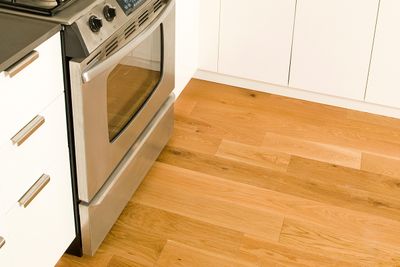
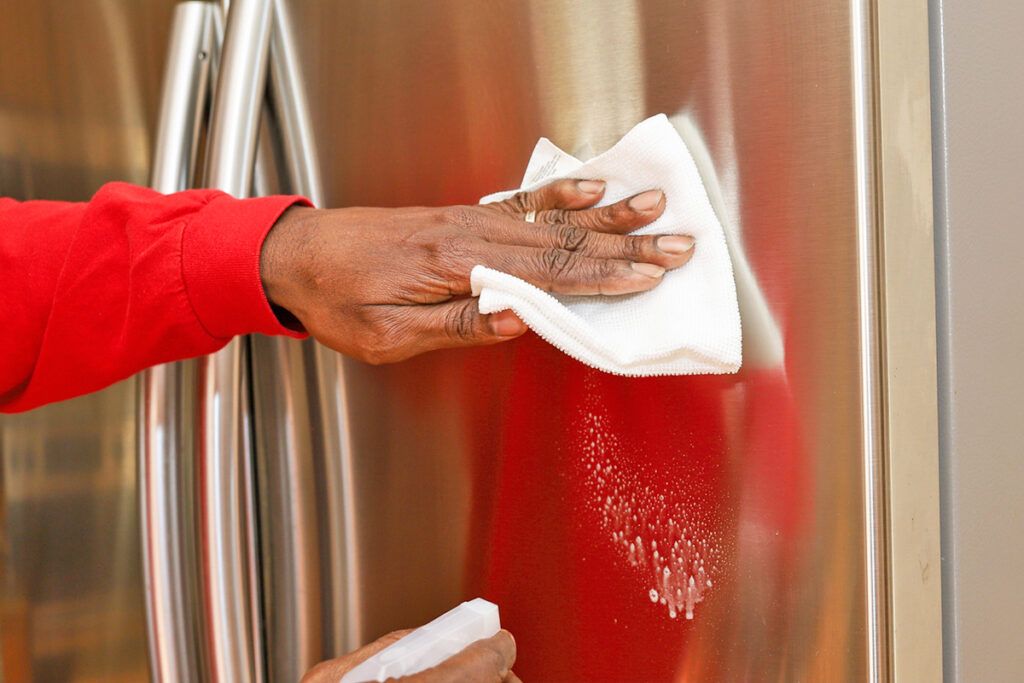
From refrigerators to ovens, appliances are susceptible to damage from improper cleaning. Using bleach on stainless steel can stain the surface and remove protective coatings. Spraying water or cleaners directly into electrical components risks a short circuit. Additionally, oversaturating filters, vents, or seals can lead to mold growth or mechanical problems.
Pro Tip: Always read the manufacturer’s cleaning instructions. Use nonabrasive sponges or microfiber cloths, and apply cleaners to the cloth instead of spraying directly onto the appliance. Regular maintenance with safe, approved products keeps appliances running and looking new.
4. Textiles: Avoid Hot Water, Bleach, and Wrong Detergents
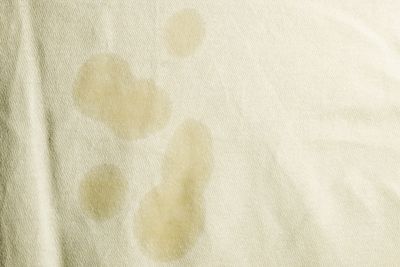
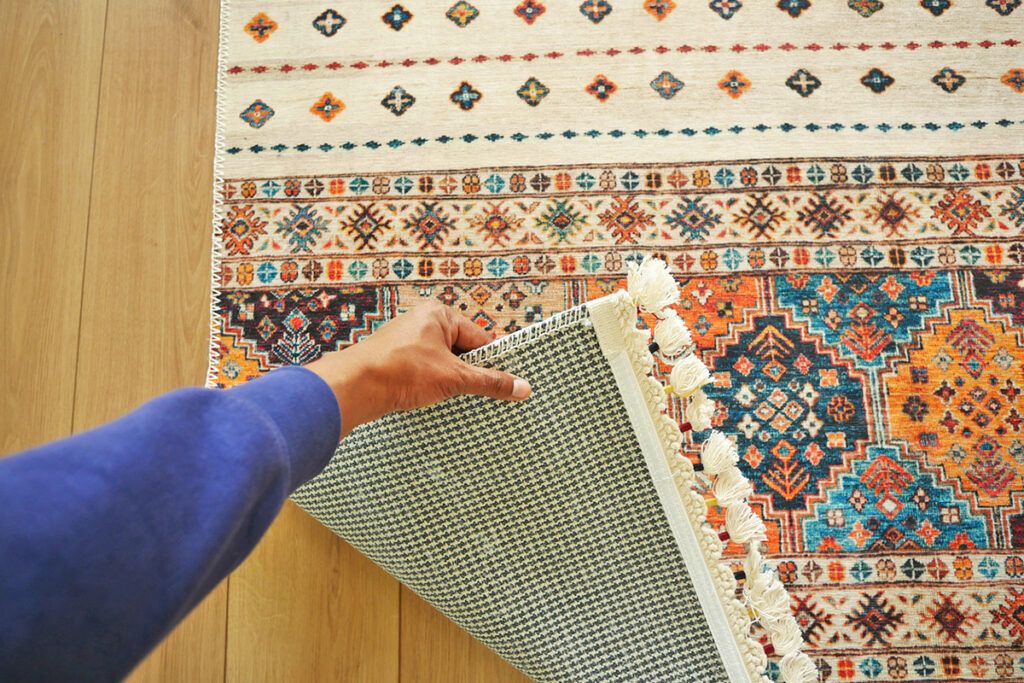
Upholstery, curtains, and rugs are easy to damage if you’re not careful. Many people regret using hot water or bleach on delicate fabrics, which causes shrinkage, color fading, or weakened fibers. Even aggressive vacuuming can fray textiles, while using the wrong detergent can leave residue that attracts dirt.
Pro Tip: Check care labels before washing or spot-cleaning. Use cold water and mild detergents on delicate fabrics, and blot stains rather than rubbing. For upholstery, test any cleaner on a hidden area first. Gentle handling now keeps your fabrics soft, vibrant, and long-lasting.
5. Painted Surfaces: Avoid Scratches and Chemical Reactions
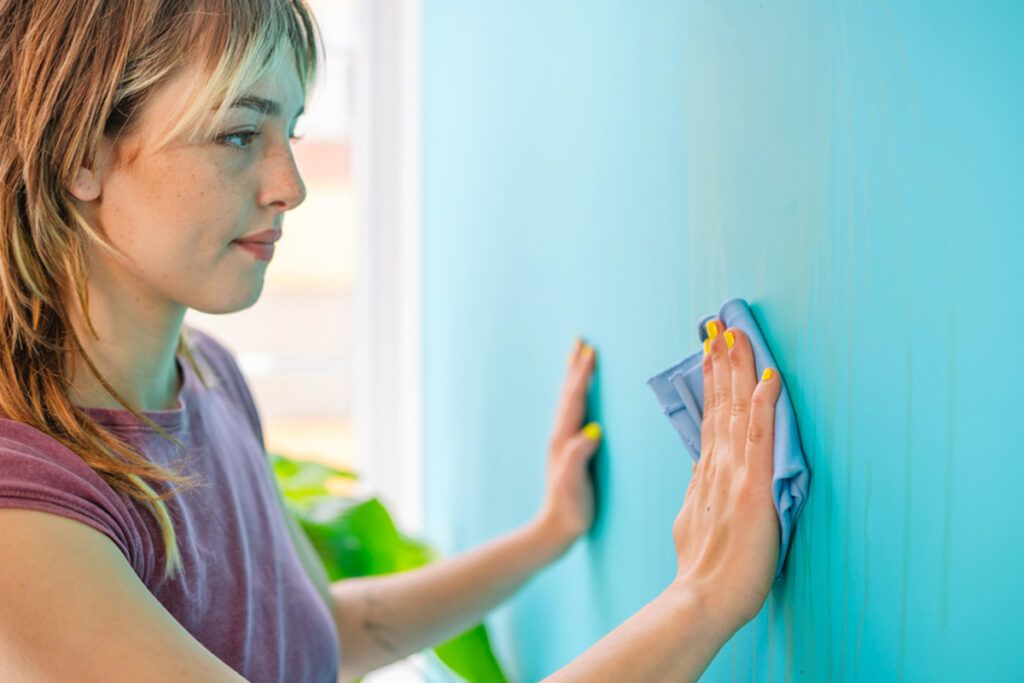
Painted walls, trim, and cabinets are easily damaged if the wrong approach is used. Heavy scrubbing or abrasive pads can remove or scratch the paint, while harsh chemical cleaners may discolor or react with the finish. The result is uneven patches, streaks, or peeling paint that’s expensive to repair.
Pro Tip: Use a soft sponge or microfiber cloth with warm water and a mild detergent for routine cleaning. For stubborn stains, consider a melamine sponge specifically formulated for painted surfaces, and use it gently. Protecting paint now prevents costly repainting later — and spares you the regret of accidentally ruining a fresh wall.
To Sum Things Up
Cleaning smarter isn’t just about efficiency; it’s about preserving the beauty, safety, and longevity of your space. With careful attention to what each surface needs, your cleaning victories will come without the bitter taste of regret.