1. Your Phone
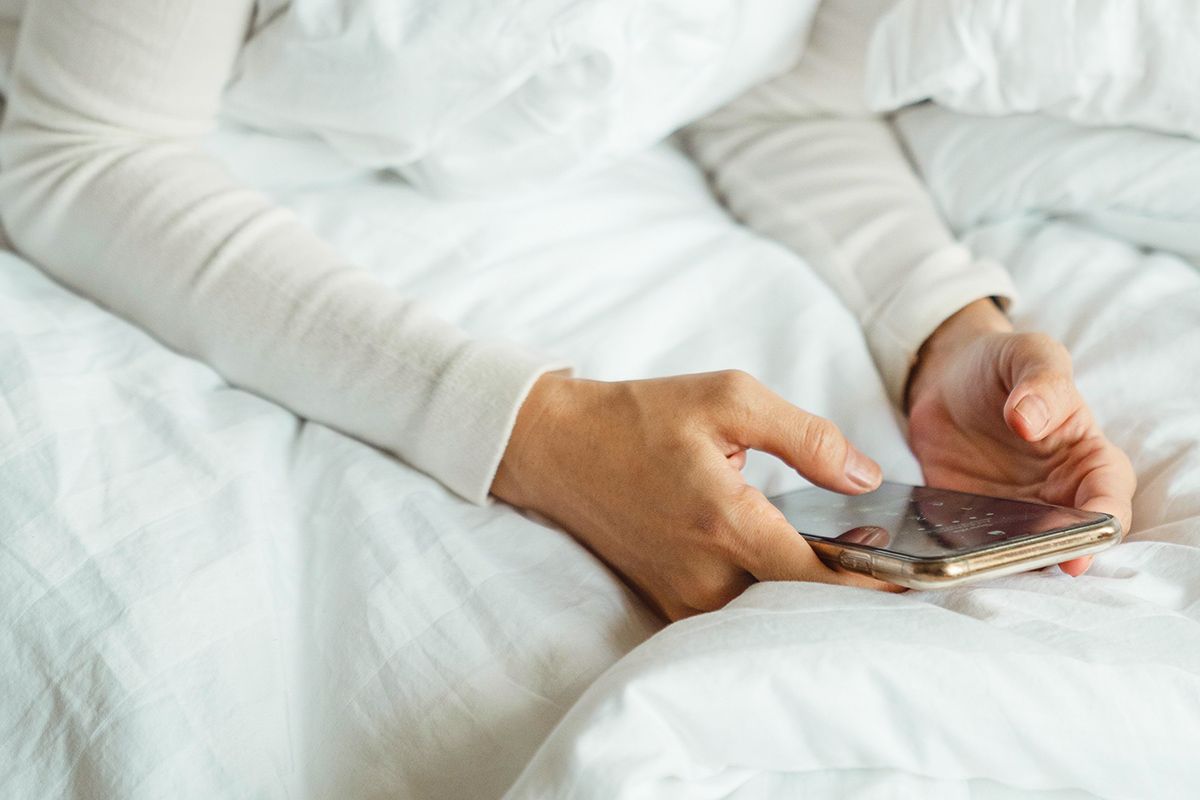
The temptation to scroll is real: one more game of solitaire, one more swipe through social media, one more peek at your inbox. Getting sucked into your phone is the last thing you need when you’re winding down or waking up. Even if you can resist checking it, a glowing screen full of notifications can disrupt a good night’s rest. Sleep experts often recommend charging your phone across the room at night, which has the bonus of forcing you out of bed to turn off your alarm. If you can’t bear to keep your device out of arm’s reach, at the very least, flip it face down and schedule Do Not Disturb to turn on an hour before your bedtime.
2. Glass Items
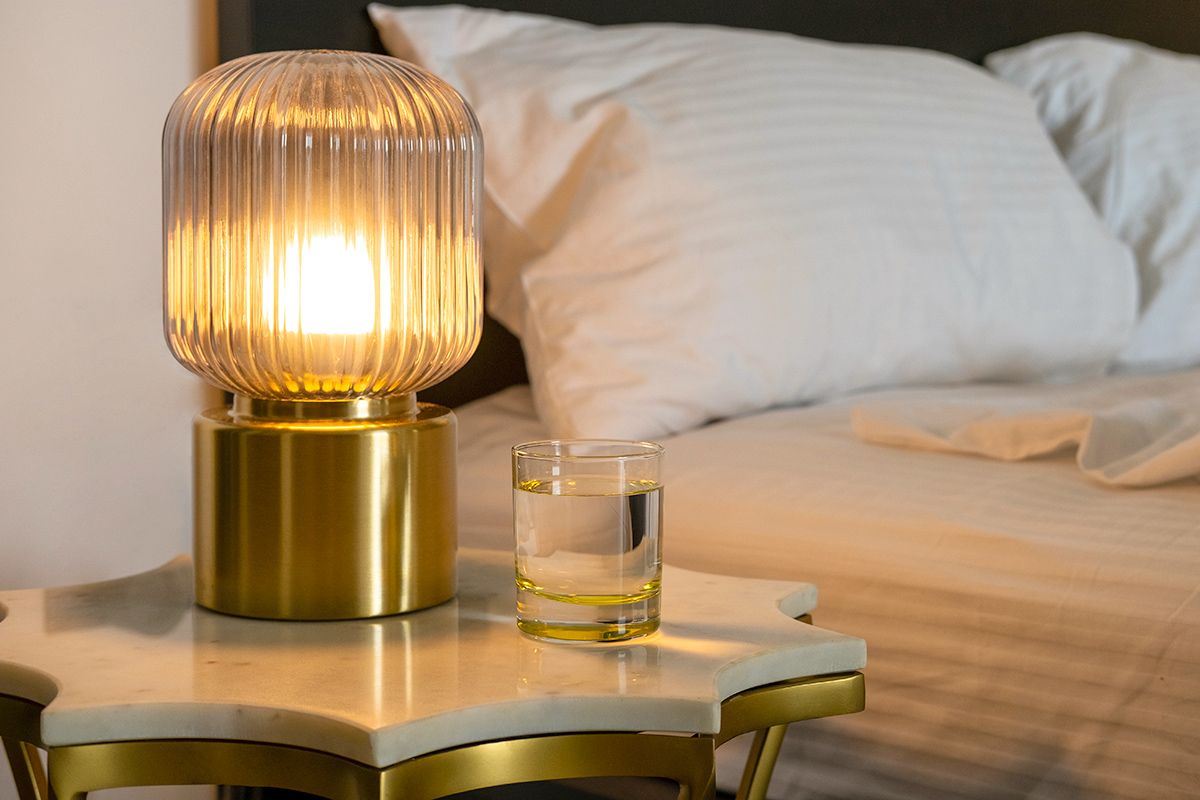
Picture it: The alarm blares and you swat blindly at the table, sending a glass of water, a picture frame, or a vase crashing to the floor. Tiptoeing around shattered glass with bare feet is a rough way to start a day. Swap breakable pieces for sturdier options, like a lidded plastic or silicone water bottle and a picture frame with plastic instead of glass.
3. Candles
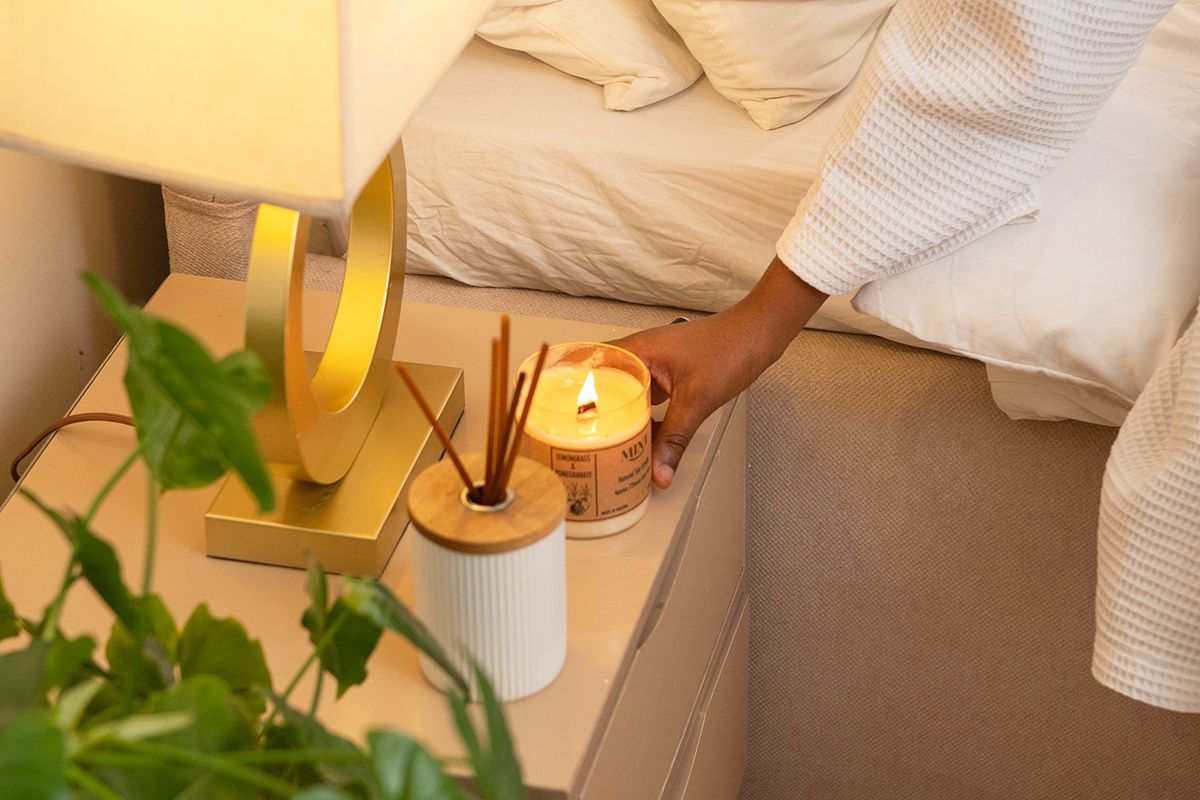
A glowing candle sets a relaxing mood, but a lit one has no business next to the bed. It’s easy to doze off before you blow it out, which is especially dangerous since bedding, curtains, and books are all flammable. Save candles for the living room or bathroom, and snuff them out before heading to bed. If you can’t give up the ambiance, a flameless LED candle on a timer gives you the mood without the fire risk.
4. A Glaring Alarm Clock
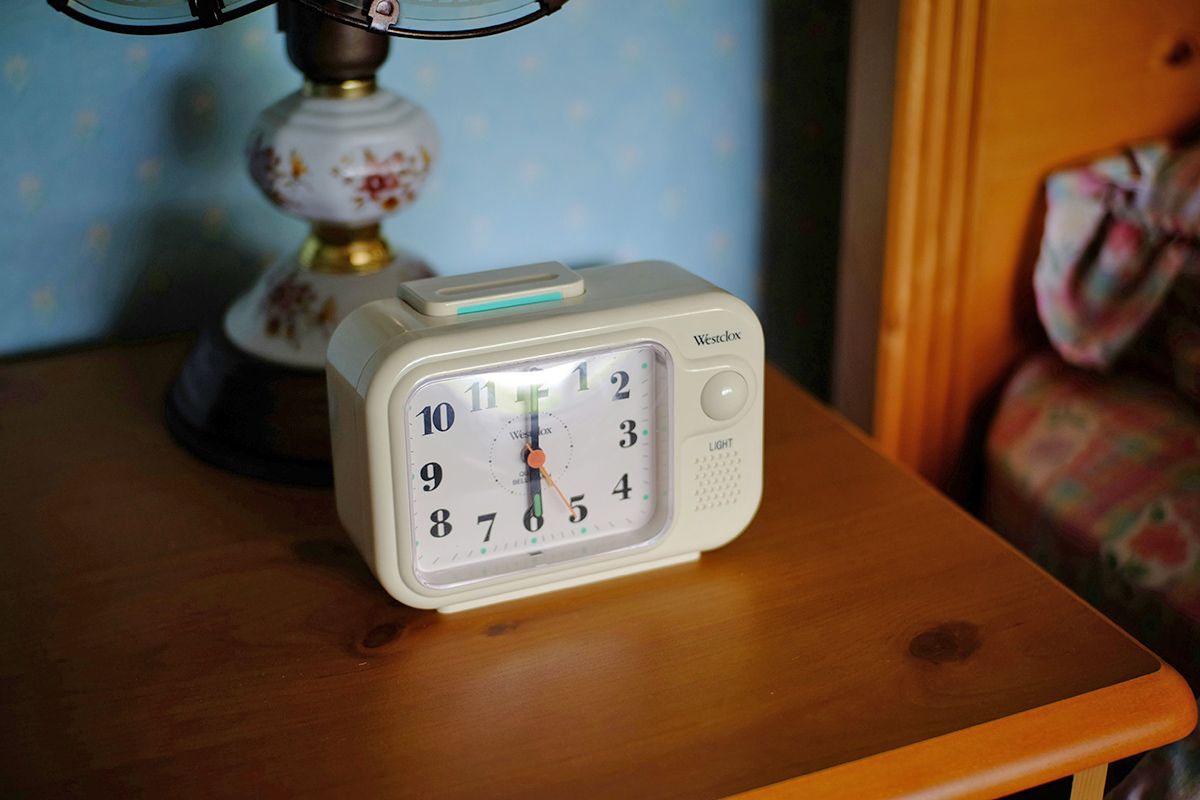
Bright digital displays can keep a dark bedroom aglow all night, and light signals the brain that it’s time to be awake. A clock within sight of your pillow can also tempt you to count the hours until your alarm goes off, which makes falling back asleep harder. If you like having a clock on your nightstand, choose an analogue option or one with a dimmable display.
More from our network
House Outlook is part of Inbox Studio, which publishes content that uplifts, informs, and inspires.


5. Work Materials
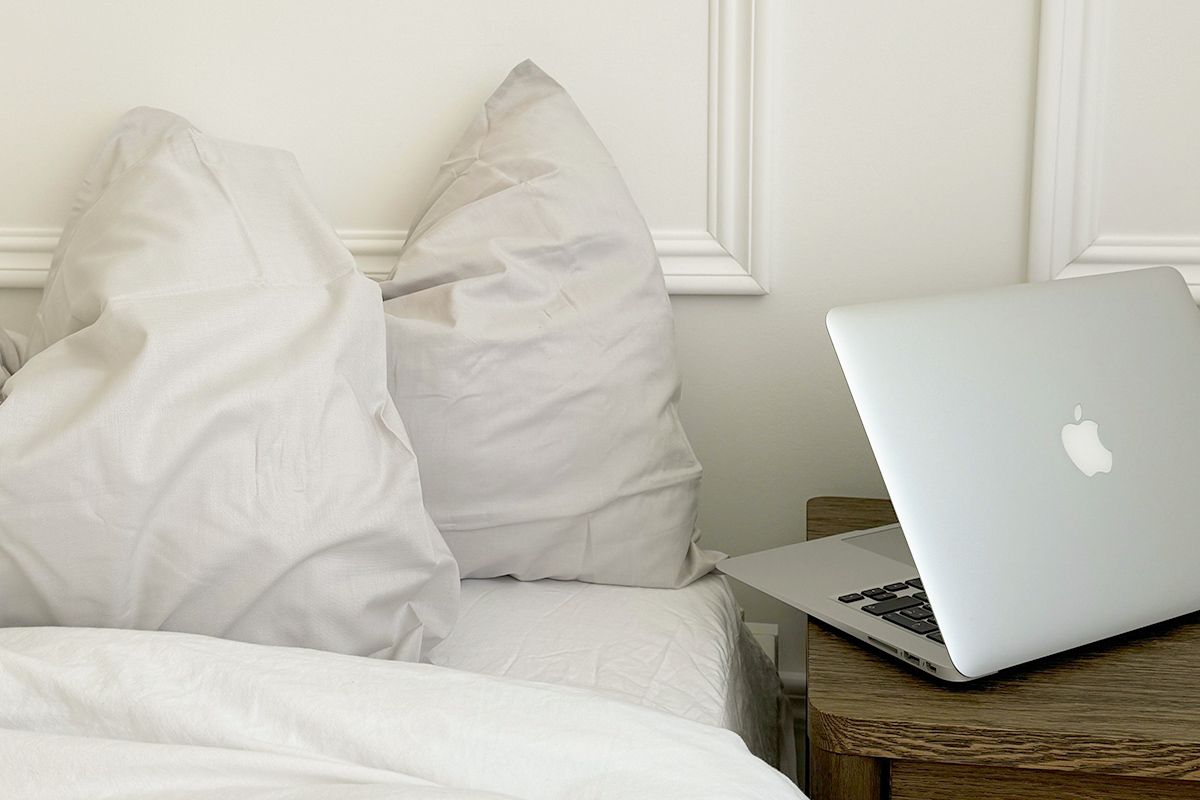
A laptop, notebook, or pile of papers you associate with work has no place in a room intended for rest. Seeing tomorrow’s to-do list sitting on your nightstand can nudge your brain into problem-solving mode. If you like to jot down tomorrow’s tasks before turning in for the night, keep a small notepad nearby and tuck it in a drawer.
6. Snacks and Drinks
A midnight snack or a half-drunk mug of tea may seem harmless, but food left out overnight — even just a few crumbs — can attract ants and other pests, while a spilled drink can cause late-night chaos. Caffeinated drinks are an obvious problem, and sugary beverages can also leave you feeling restless. If you get thirsty at night, a bedside water bottle with a secure lid is the smartest option.

7. Medications
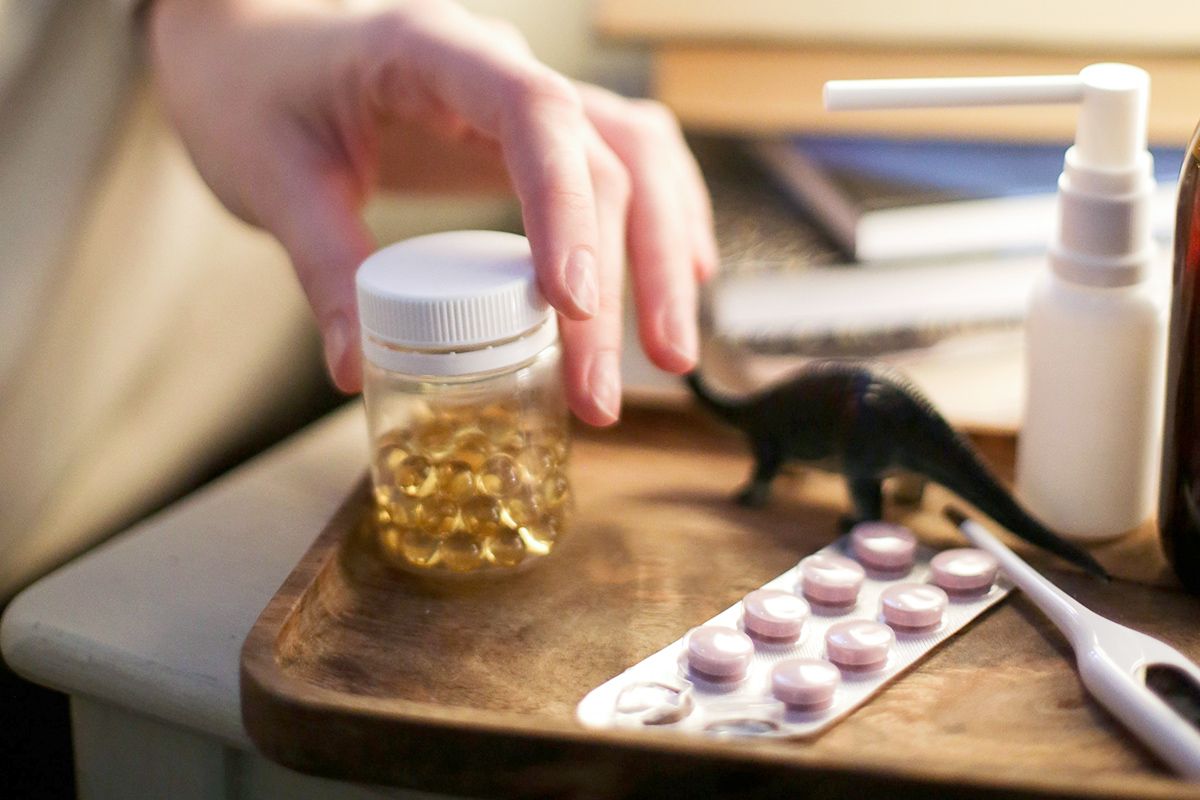
Keeping medications on your nightstand is dangerous not only for pets and children, but for you as well. In the dark, it’s easy to grab the wrong bottle or accidentally take a dose twice. For anything you take nightly, a labeled pill organizer can help prevent mix-ups.
8. Clutter
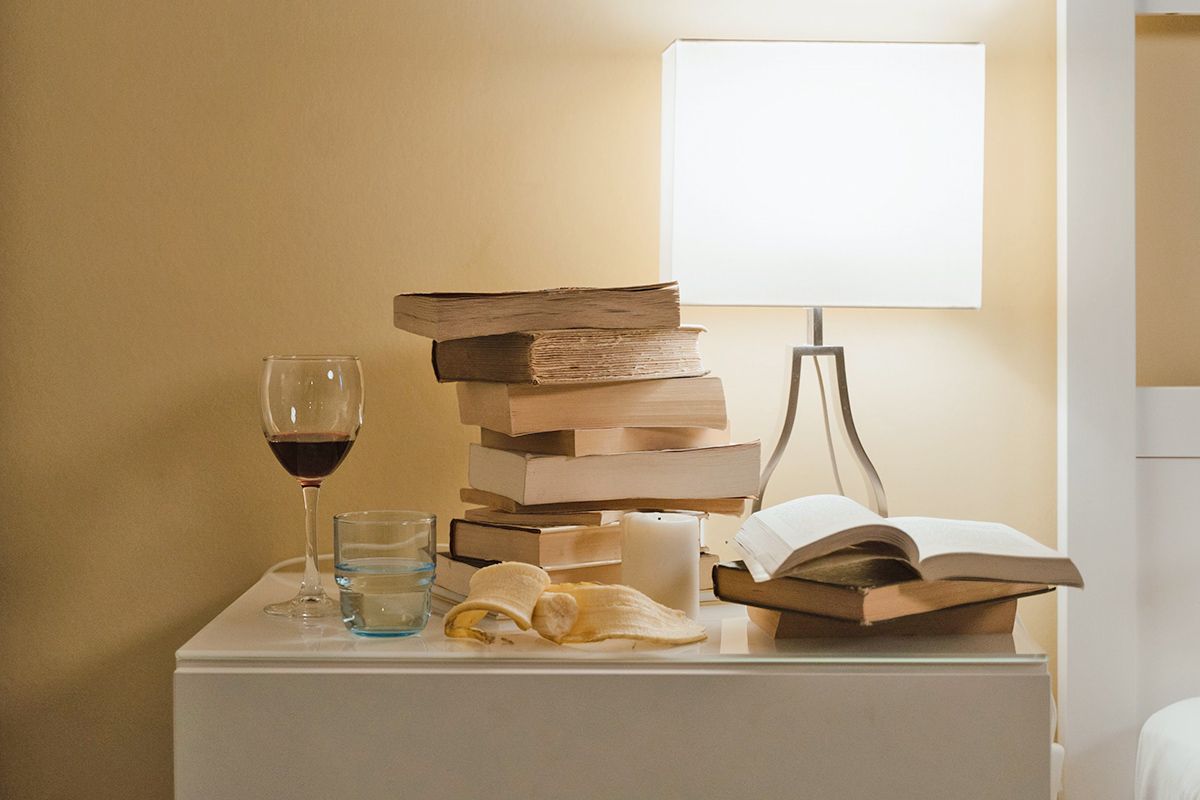
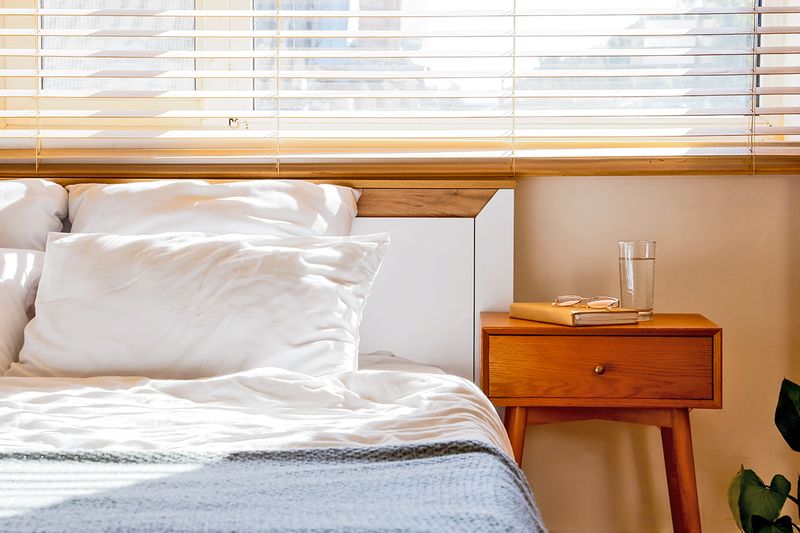
A tangle of cords, a stack of half-read books, and a graveyard of crumbled receipts may not seem like a big deal, but it can be hard to relax next to a messy nightstand. Keep only a lamp, a good book, reading glasses, a lidded water bottle, and maybe a meaningful item or two on your nightstand. Anything else — especially if it can buzz, break, or otherwise stress you out — needs another home.