Removing Stains From Wood Cutting Boards
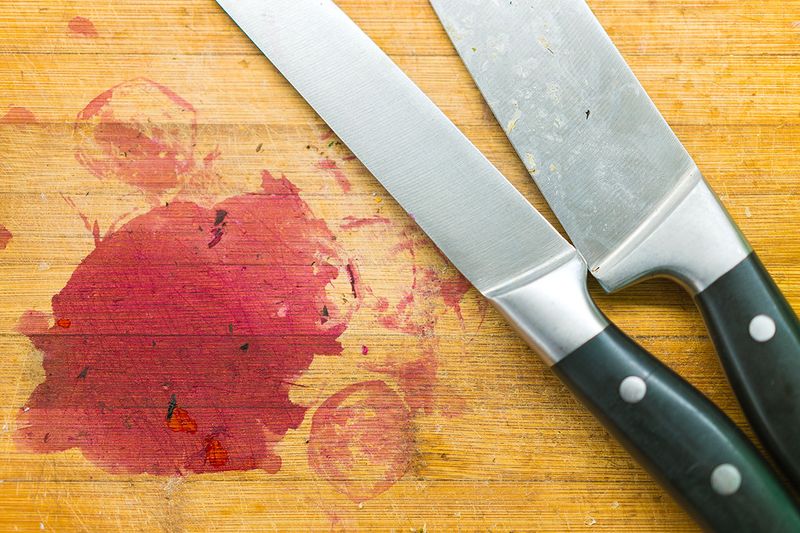
The good news is that many popular stain-removal hacks actually work. Scouring with baking soda or kosher salt works because both are gentle abrasives that also absorb pigments. Acidic liquids such as vinegar and lemon juice have a bleaching effect and act as solvents. Overproof alcohol is a lesser-known but surprisingly effective solvent for lifting stains.
Adding an acid to baking soda increases its stain-removing power by causing it to fizz. Hydrogen peroxide works similarly, bleaching and sanitizing the board. A diluted solution of chlorine bleach (1 tablespoon per gallon of water) offers the same benefits.
So, is there a winning combination or specific order for these cleaning methods? Here’s what our resident chef suggests.
The Ultimate Stain-Removal Method
Unless the manufacturer of your cutting board suggests a different process, the following steps will effectively remove most common cutting board stains:
More from our network
House Outlook is part of Inbox Studio, which publishes content that uplifts, informs, and inspires.



1. Pour high-proof alcohol, such as Everclear or Golden Grain, over the stain and let it rest for five minutes before wiping it off.
2. Shake a small mound of baking soda or coarse salt over the stain, and use a damp cloth or half of a lemon to scour it well.
3. Wash the cutting board with dish soap and warm water, rinse, towel dry, then apply either 3% hydrogen peroxide or a solution of 1 teaspoon of chlorine bleach in a quart of water. Let it sit for five minutes, then air-dry or wipe dry with a clean towel.
Over time, the working surface of your wood cutting board becomes porous and easily stained, and scraping it periodically with a putty knife helps to remove that layer. For truly well-used boards, taking them to a wood shop and running them through a planer restores their pristine original finish.
Once your board is clean and completely dry, seal it with a food-grade mineral oil or specialized cutting board oil (available online or at most kitchenware retailers). This seals the wood, preserving its beauty and protecting against future stains.