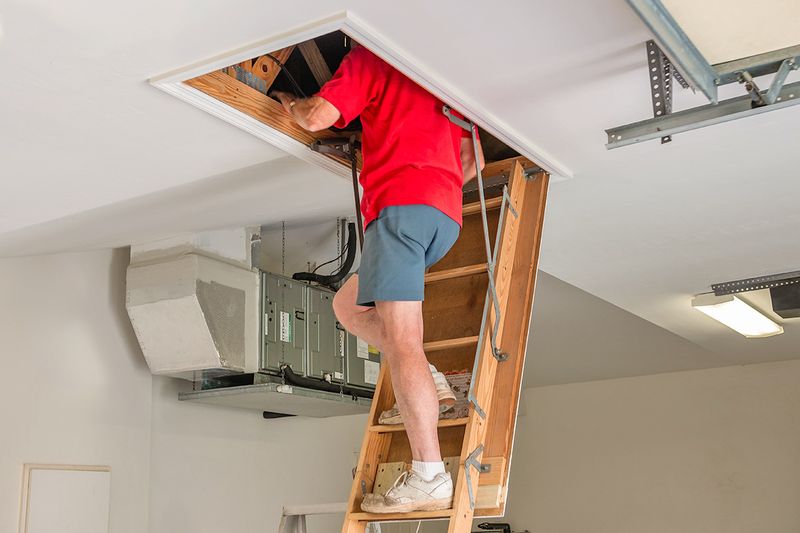
That’s not to say your attic is useless for storage. It’s just better suited to sturdy, weather-resistant items, like camping gear and holiday decorations in hard plastic bins. Anything electronic, wooden, or sentimental, though, would benefit from a climate-controlled storage solution.
Here’s what to keep out of your attic, and where to put it instead.
1. Photographs and Paper Documents
Birth certificates, tax forms, and generations’ worth of family photos do not belong in your attic. Paper is delicate and especially sensitive to heat and humidity. Photos could warp, stick together, and fade; documents could grow brittle or mildewy. Instead of keeping them in the attic, store important pictures and documents in acid-free boxes in a dry spot where the temperature doesn’t fluctuate much (a bedroom closet or under the bed works well) or in a fireproof safe. Better yet, display the most meaningful photos around your home for everyday enjoyment.

2. Wooden Furniture
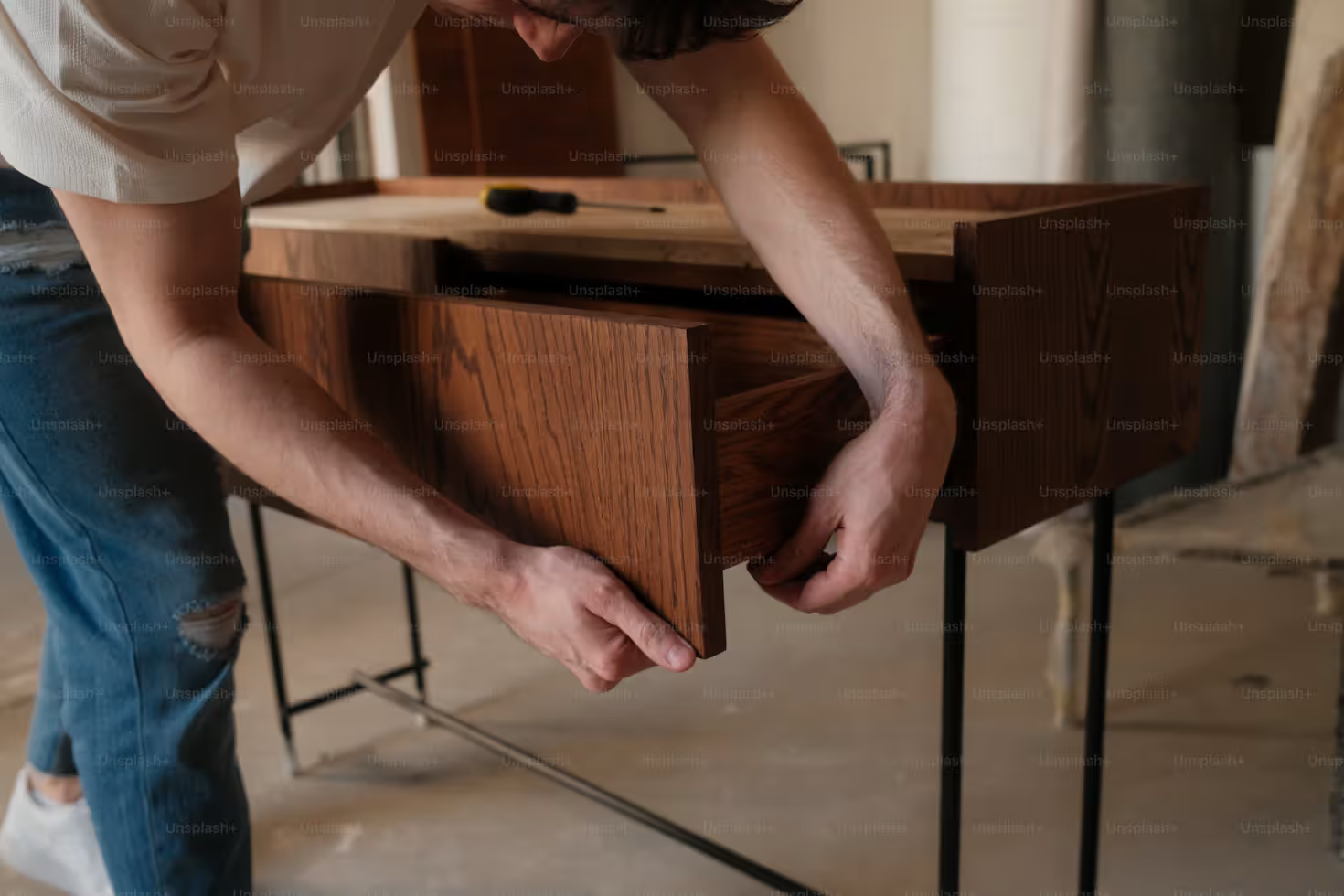
If you’re storing a crib or extra dining chairs in your attic, beware. Temperature and humidity swings cause wood to expand and contract, which can lead to cracking, warping, or loose joints over time. Consider moving wooden furniture to a basement or storage unit with more stable conditions instead. Wherever you store it, cover your furniture with a protective blanket rather than plastic, which can trap humidity.
More from our network
House Outlook is part of Inbox Studio, which publishes content that uplifts, informs, and inspires.



3. Electronics
Not sure where to keep your old laptop? Don’t stick it in the attic. Extreme temperature swings are hard on screens, batteries, and circuit boards, so you risk that laptop never turning on again. Keep electronics in a temperate interior room, ideally in their original packaging or padded storage bins. (The same goes for those VHS home videos that you’ve been meaning to digitize.)

4. Clothing
It may be time to find a new home for your grandmother’s beloved silk gown. Natural fibers, including wool, silk, and linen, can become targets for pests drawn to a warm attic. To avoid moth holes in your favorite sweater, wash it at the end of the season per the garment instructions, then store it in an airtight, pest-proof container in a temperature-controlled spot, like under your bed.

5. Wooden Instruments
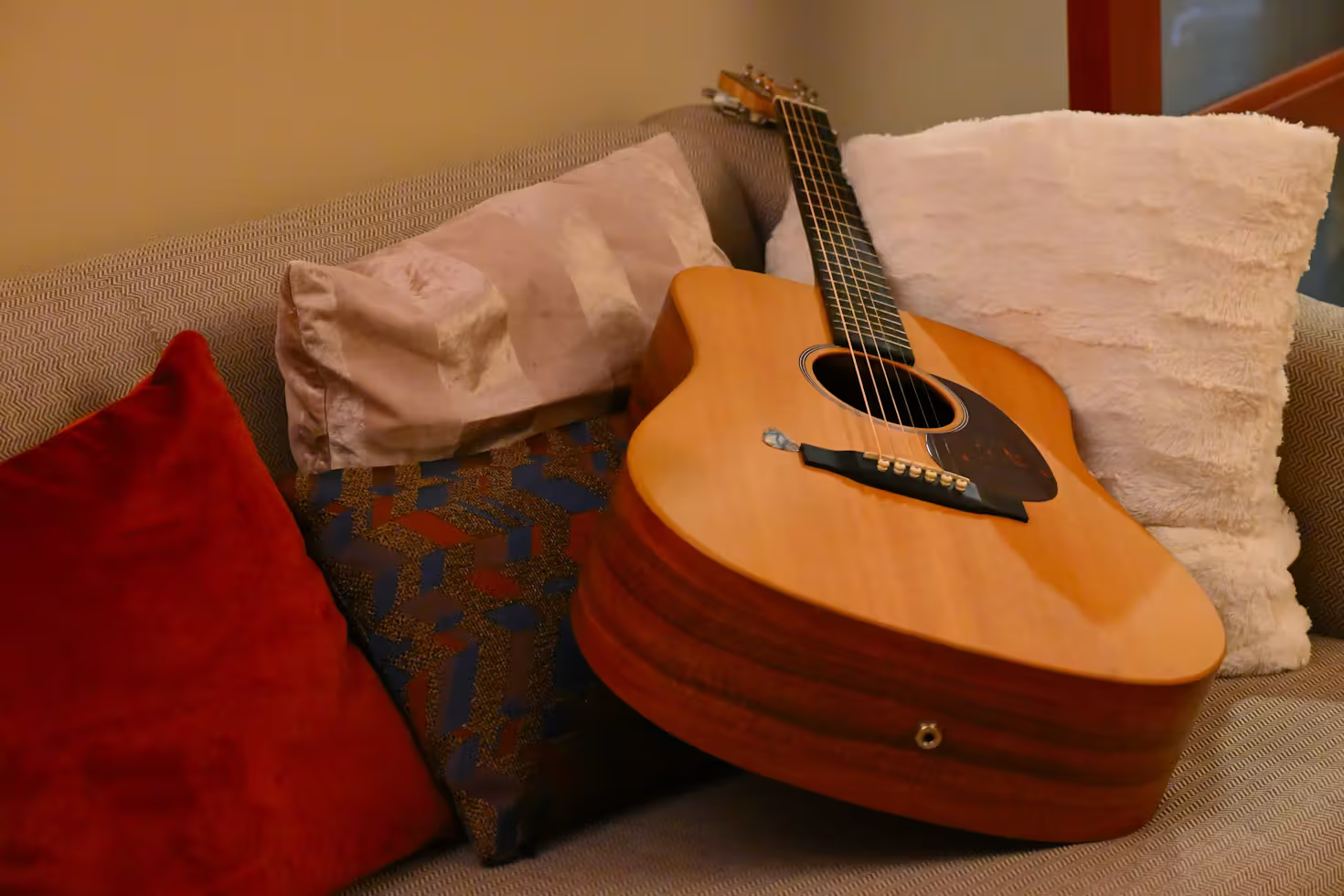
Even if you haven’t plucked out a rendition of “Wonderwall” in decades, your guitar doesn’t belong in the attic. Temperature fluctuations cause wood to expand or contract, potentially warping the guitar or throwing off its tuning permanently. Wooden instruments, including guitars and violins, are best kept in a climate-controlled room, ideally in a hard case.
6. Artwork
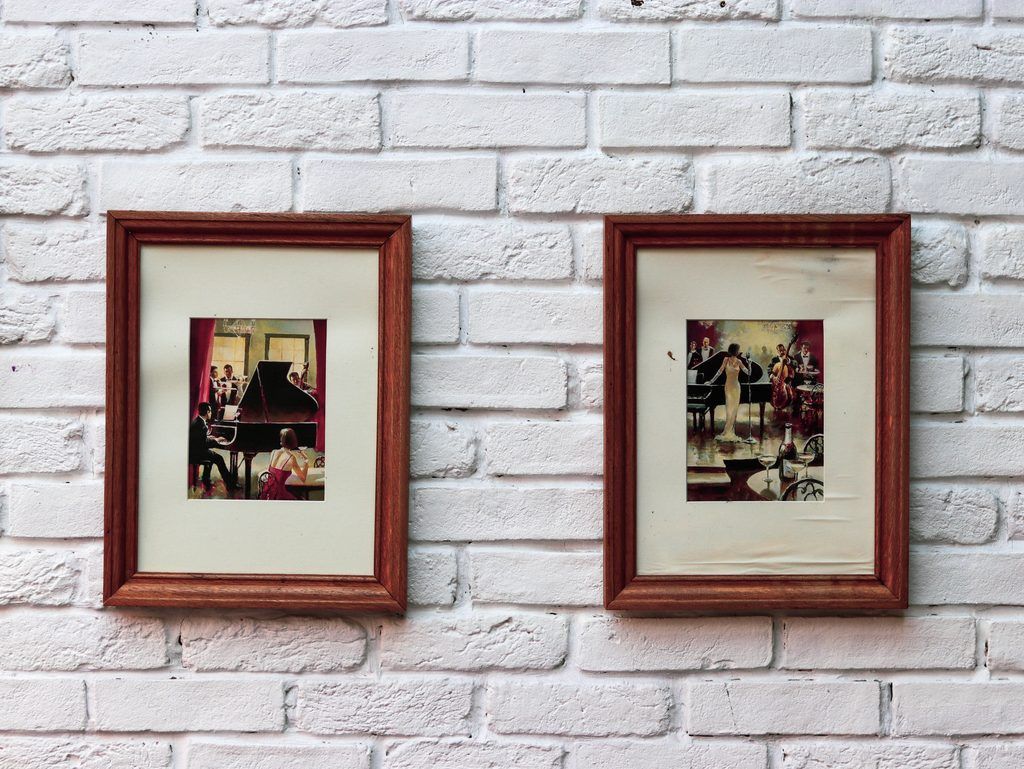
If you don’t have the wall space to showcase all of your art, don’t store the overflow in the attic. Fluctuations in temperature and humidity are guaranteed to wreak havoc on artwork, whether it’s a vintage painting or a kindergartener’s scribble. The consequences can include fading, cracking, warping, and peeling.
7. Vinyl Records
Your attic is not the right home for your Fleetwood Mac vinyl collection. Vinyl warps quickly in heat, so you may never spin that edition of Rumours again. Store records vertically in a climate-controlled space, out of direct sunlight.

8. Books
Paper and glue are not made for attic storage, since they can develop mold or a musty smell. If a book doesn’t earn its keep on a bookshelf in the main part of your home, move it to a climate-controlled storage unit for overflow. Unless it’s something sentimental, like a high school yearbook, you could also consider donating it to your local little free library for a neighbor to enjoy.

9. Paint
While an attic may seem ideal for storing half-empty gallons of paint, the heat can render them not only unusable, but dangerous. Household chemicals, including paint, can combust or release hazardous fumes when overheated. Store paint away from living spaces, at a more stable temperature. To maximize space, transfer leftover paint from the original gallon to a smaller airtight can, labeled with the date, paint color name, and the room you used it in.