Some activities can be either a passing hobby or a lifelong obsession. You can learn the basics of chess or bread baking in an afternoon, for example, but it takes a lifetime to master them. Caring for houseplants is similar. You might start with a small collection of beginner-friendly houseplants and be perfectly content with…
If you’ve been successful with low-maintenance varieties such as spider plants, pothos, or ZZ plants, it’s only natural to want to test your green thumb on a broader range of plants. The problem is that some houseplants are not meant for beginners, and you may quickly find yourself in over your head. With that in mind, here’s a list of 11 appealing houseplants that are — if not strictly for experts — a bit more challenging than you might be prepared for.
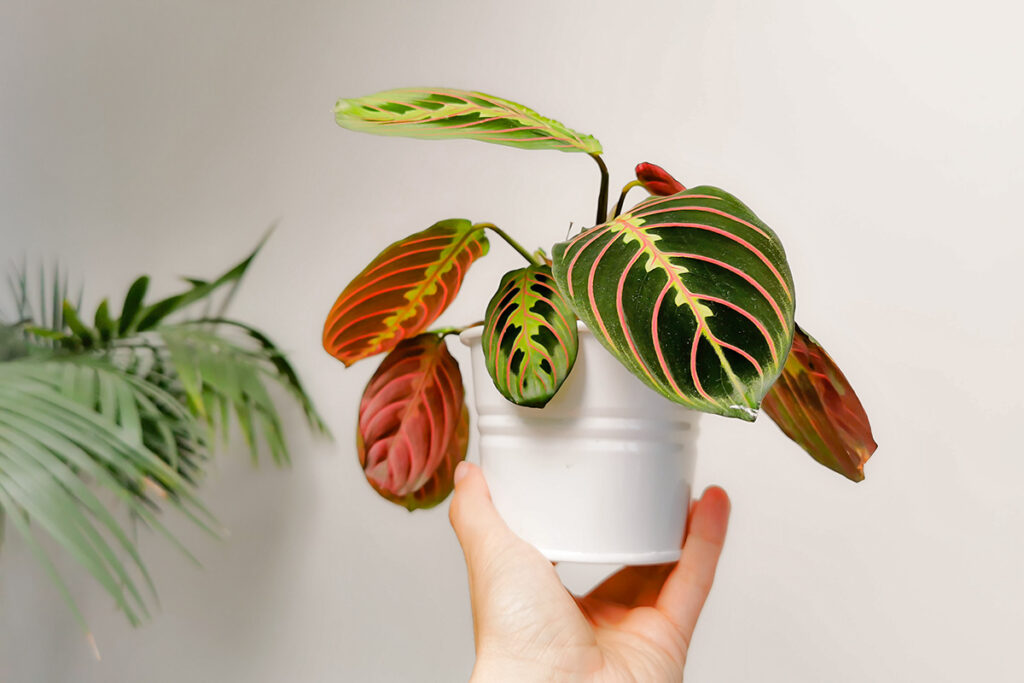
1. Prayer Plant (Maranta leuconeura)
Let’s start with a plant that might surprise you: the popular “prayer plant,” or Maranta leuconeura. (Calatheas, which are closely related, can be even more challenging.) The reason we’re including the prayer plant here is simple: Keeping it alive is not the challenge, but keeping it flourishing is.
Because marantas and calatheas are native to the South American rainforest, their needs are specific. They require consistent warmth and humidity; otherwise, they’ll develop brown, crispy edges. They’re also sensitive to water quality and often struggle to thrive with hard or chlorinated tap water. Trying to grow them in an arid climate is an uphill battle. Unless you can replicate a tropical, high-humidity environment, opt for a more forgiving houseplant.
More from our network
House Outlook is part of Inbox Studio, which publishes content that uplifts, informs, and inspires.




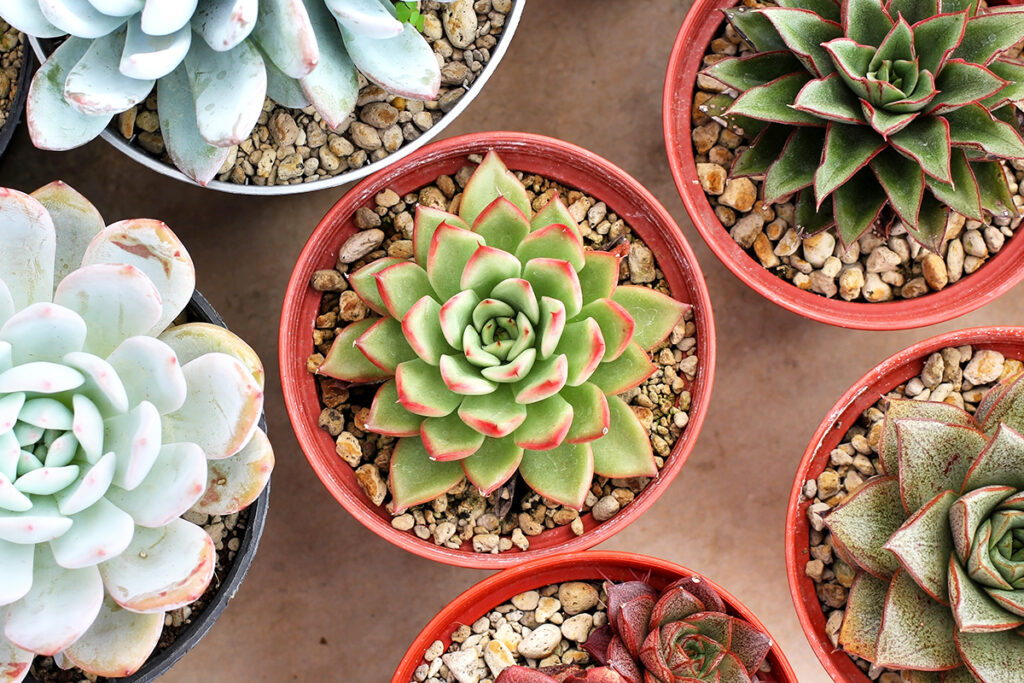
2. Echeveria (Echeveria spp.)
If succulents become your obsession, you’ll likely fall for Echeveria at some point. Like most succulents, they’re fond of heat and light but struggle with excess moisture. What sets Echeveria apart — and makes them more difficult than many varieties — is their need for precise light conditions.
They demand plenty of bright morning sunshine, but intense afternoon rays can leave them sunburnt. They’re also poorly suited for low-light environments. It may take time to find a spot that offers the perfect balance. Ventilation is equally important because moisture and humidity will kill them in no time.
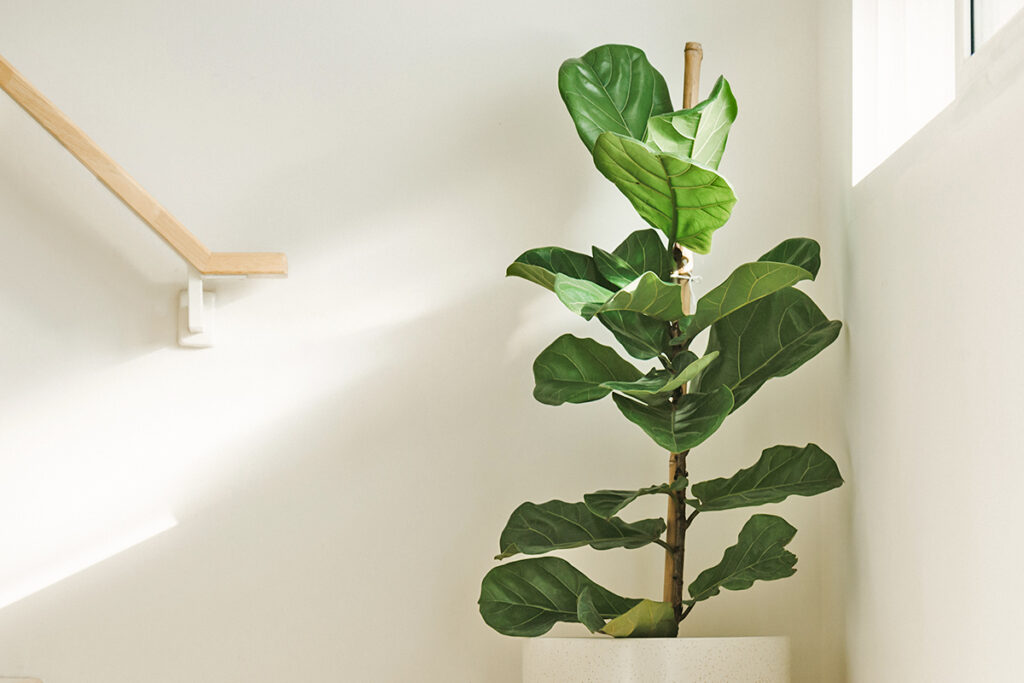
3. Fiddle-Leaf Fig (Ficus Lyrata)
Ficus trees are widely grown indoors, and the fiddle-leaf fig — a West African variety — is especially appealing because of its large, violin-shaped leaves. However, it’s a notoriously high-maintenance plant. It won’t flourish without sufficient light but burns easily in direct sun. It wilts if under-watered and drops leaves if overwatered. To top it off, the fiddle-leaf fig is susceptible to salt buildup from fertilizer or hard water.
For the best results, provide six hours of filtered, indirect light, rotating the pot regularly so all leaves get equal exposure. You should also wipe the leaves clean regularly, as dust interferes with photosynthesis. Use a high-quality soil, water carefully, and flush the soil thoroughly under running water once a month to limit salt buildup. If you have hard tap water, consider using distilled water instead.


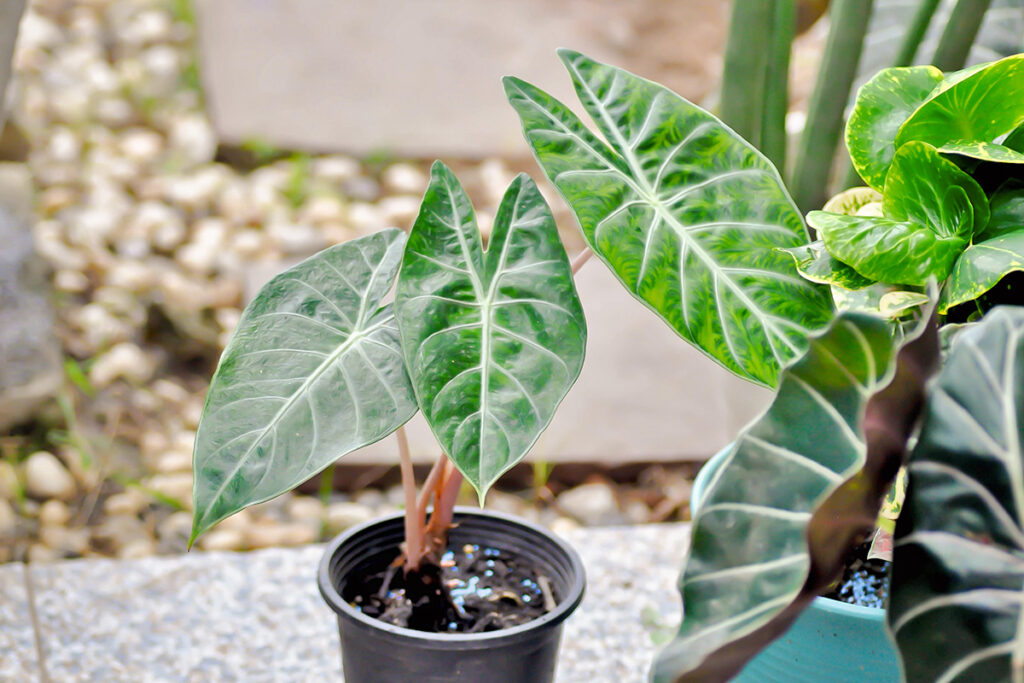
4. Elephant Ears (Alocasia spp.)
If you want to give your room an exotic, tropical feel, a pot of elephant ears will certainly do the trick. They’re big, showy, and bring plenty of drama — but they’re not easy to grow well. They need lots of indirect light but they scorch in direct sun. They won’t tolerate drafts, sudden heat spikes, or temperatures below 60 degrees Fahrenheit. They also crave high, consistent humidity, and hate their soil being either too dry or too wet.
To keep them flourishing, you need soil that drains well but retains some moisture. Water when the top 2 inches of soil are dry to the touch, shield them from drafts, and find a spot that offers just the right balance of bright, indirect light.
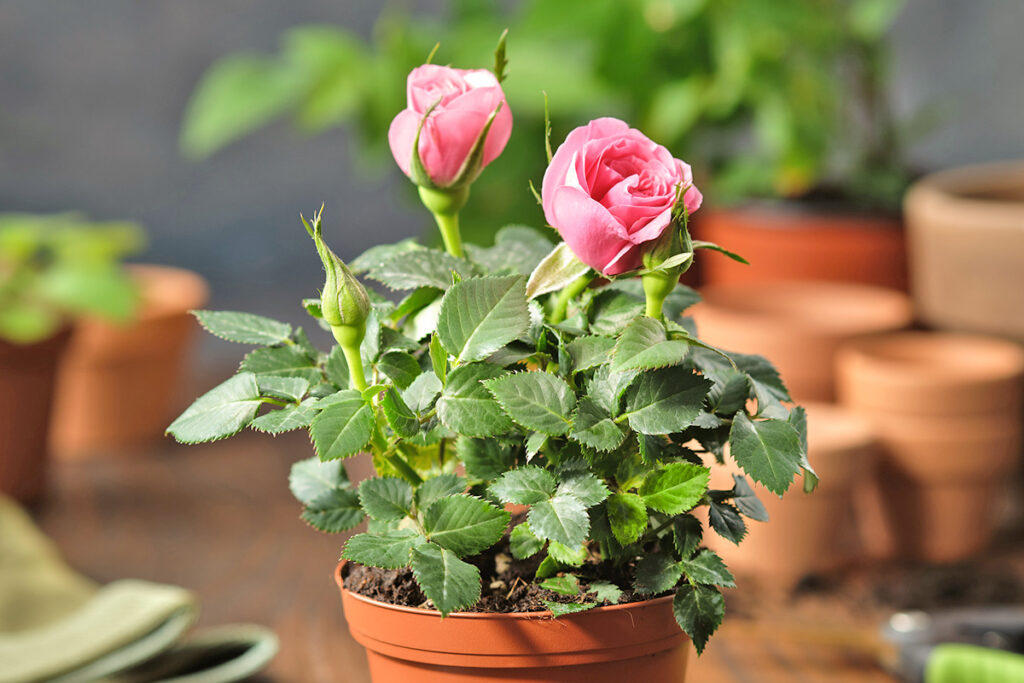
6. Miniature Roses (Rosa chinensis var. minimus)
Don’t let their size fool you: Miniature roses are among the trickiest plants to grow indoors. While they flourish in a sunny garden bed, they’re famously high-maintenance as houseplants. These adorable roses require copious direct light, high humidity, and proper ventilation to ward off mold and fungi. That’s easy enough to provide outdoors, but it requires considerable effort indoors.
The unfortunate truth is that miniature roses are not really meant for indoor growing. However, if you’re up for the challenge, you can combine natural light with grow lights, use a humidifier and fans to create the right environment, and feed them regularly with slow-release or water-soluble fertilizer during the spring and summer. Remember: You can always transplant them outdoors if they don’t take to life on a windowsill.
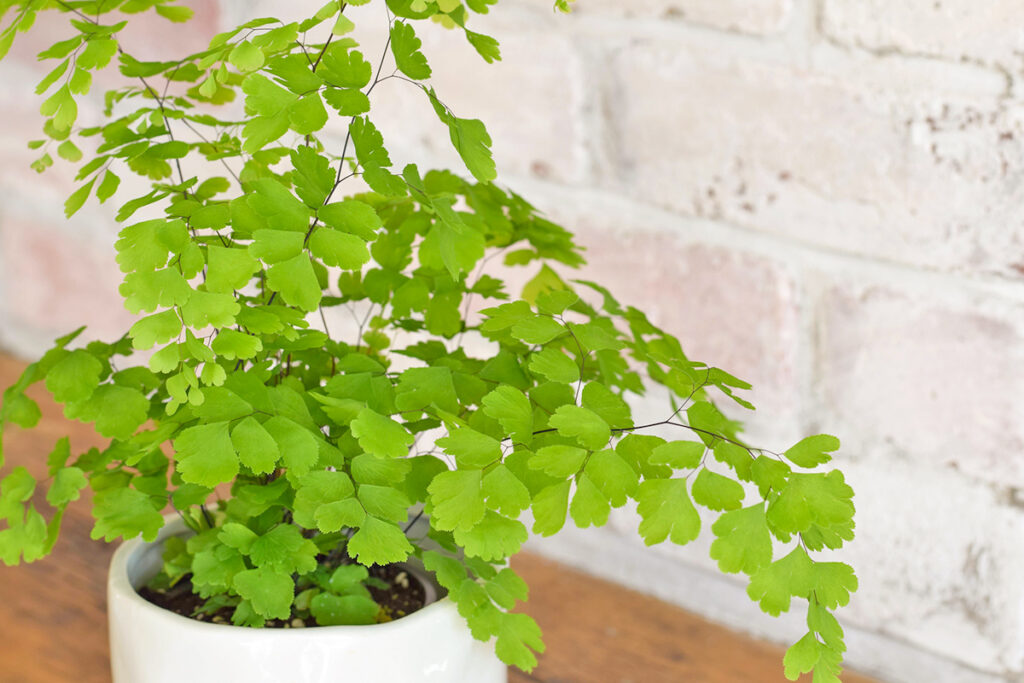
7. Maidenhair Fern (Adiantum spp.)
Ah, ferns — so pretty, yet so temperamental. Boston ferns and several others could just as easily be on this list, but maidenhair ferns are arguably the most challenging of the lot, making them a true test of your gardening skills. If you can keep one flourishing, you definitely have some chops.
These ferns require bright, indirect light. An east-facing window is ideal, though a south- or west-facing window works if the light is filtered. Their soil must remain consistently moist, as letting them dry out even once can be fatal. Above all, they crave humidity. Your best bet is to cluster them with other moisture-loving plants, use a humidifier, or keep them in a naturally humid spot like a bathroom (or maybe even inside your shower).
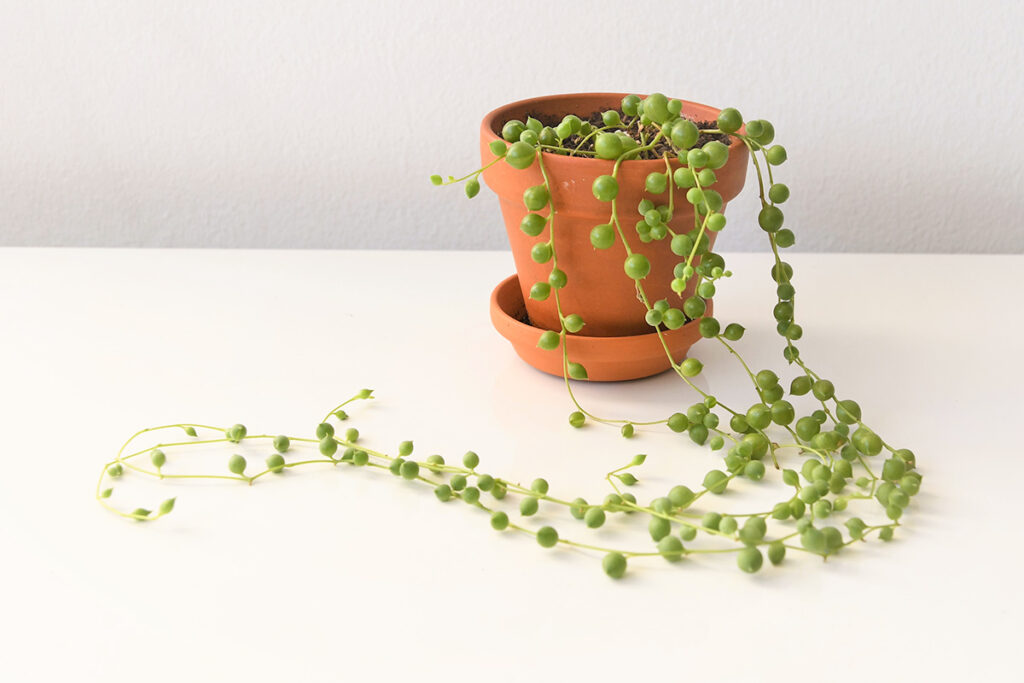
8. String of Pearls (Curio rowleyanus)
A string of pearls is a heartbreakingly seductive succulent, though it arguably looks more like strings of peas (the beads are actually uniquely shaped leaves). Like most succulents, it hails from an arid climate where humidity is not its friend. Neither is overwatering; it’s prone to root rot if it sits in wet soil for any length of time. These succulents are happiest at 70 degrees Fahrenheit or higher, though they tolerate temperatures of 50 to 60 degrees Fahrenheit during their winter “slumber.” Anything below 50 degrees Fahrenheit will damage the plant quickly.
If you can’t resist trying one, choose a pot with good drainage (decorative pots with poor drainage kill a lot of plants) and fill it with sandy, well-draining soil. Be sure to fill the pot to the lip — if the soil sits too low, the top of the plant will be shaded and won’t flourish. Place the plant where it’ll receive direct morning sunlight and indirect light thereafter. Water only when the soil is dry — usually every seven to 10 days in summer, and every two weeks in winter (but use your judgment). Even if you cause your plant serious harm, you can usually take cuttings from your victim and start over before it’s too late.
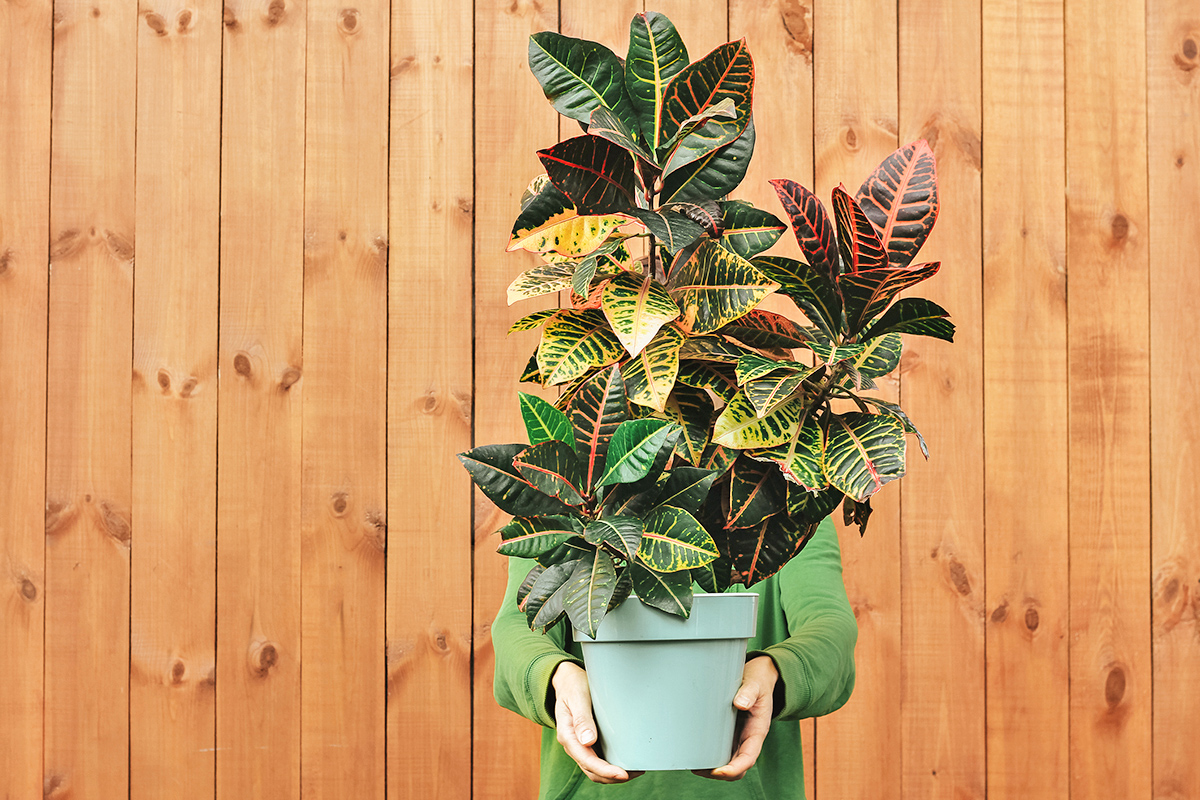
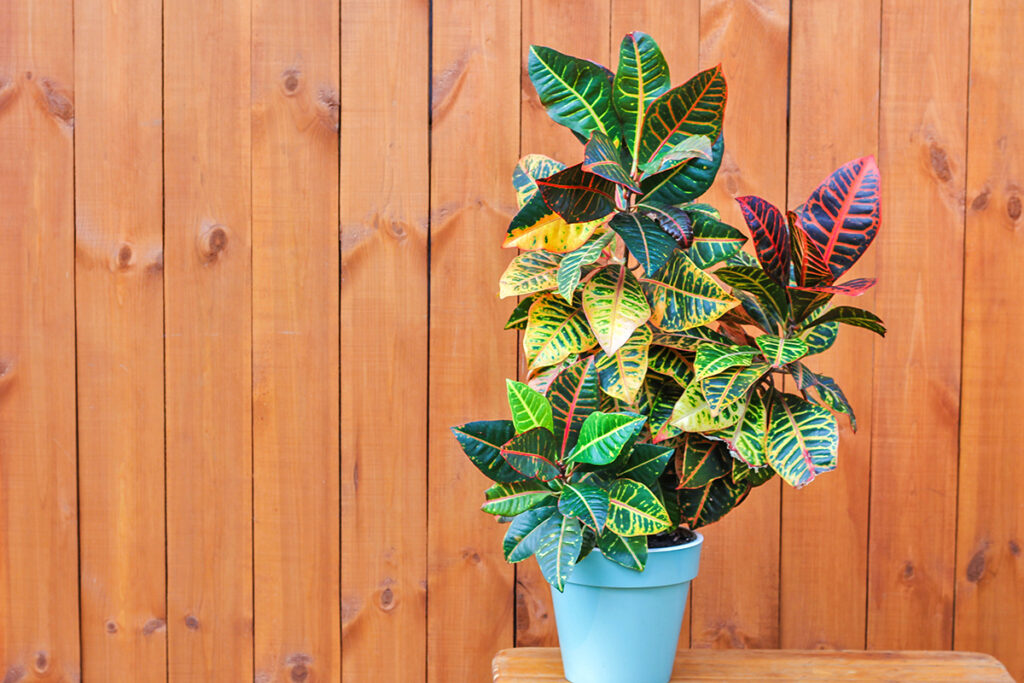
9. Croton (Codiaeum variegatum)
The croton is a nearly irresistible houseplant, prized for its dramatic foliage and bright colors. Unfortunately, it’s notoriously temperamental. If its growing conditions aren’t perfect, the leaves will droop, wilt, or drop off entirely. It loves warmth, ideally up to the mid-80s, and finds anything below 60 degrees Fahrenheit too cool for its taste. While it needs plenty of light to produce its signature colors, too much direct sun will leave the leaves bleached and gray.
To keep a croton happy, provide moist, well-draining soil and ample bright, indirect light. It requires high humidity — between 40% and 80% — and consistent watering. Aim for steady moisture rather than a wet-dry cycle, and keep it away from hot or cold drafts. Manage all that, and you’ll have a thriving houseplant and the admiration of your neighbors.
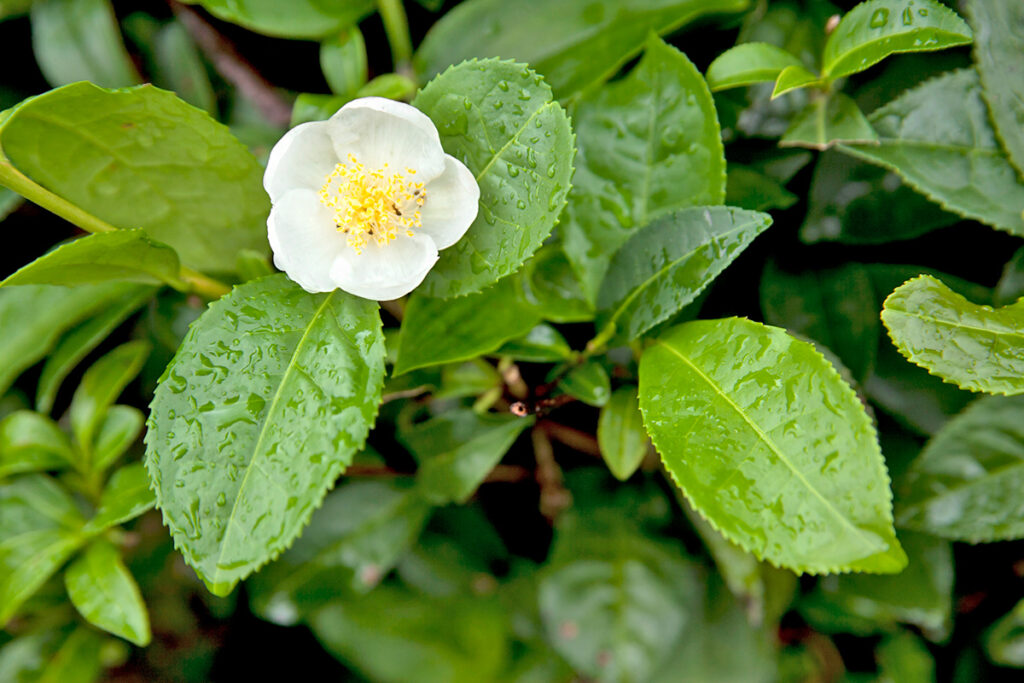
10. Camellias (Camellia spp.)
While camellias offer glorious outdoor displays, they are among the most demanding plants to bring indoors. Growing one in the living room is decidedly not for beginners; even those with a green thumb will face significant challenges. For example, they require a cool winter dormancy with an extended rest below 60 degrees Fahrenheit. They also need acidic, forest-style soil and more humidity than most homes provide.
To attempt to grow one indoors, you’ll need to find a cool, humid spot where temperatures stay between the mid-40s and mid-60s. Use a mildly acidic potting soil, similar to an African violet mix, and monitor the pH closely to keep it in the 4.5 to 5.0 range. During spring and summer, apply an acidic fertilizer every two weeks and provide plenty of bright, indirect light.
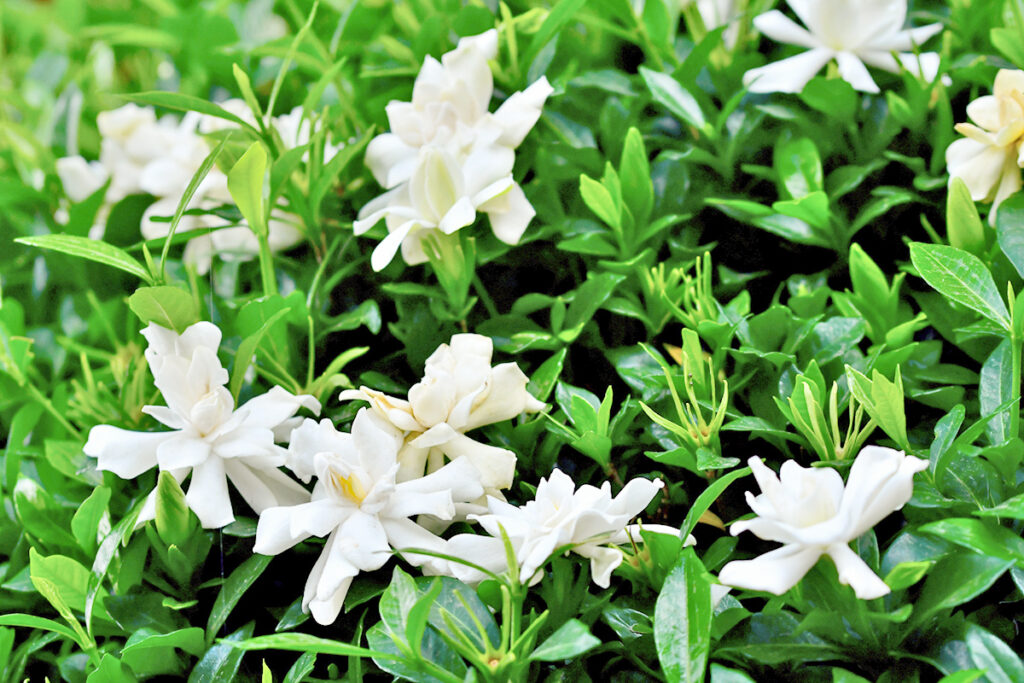
11. Gardenias (Gardenia jasminoides)
Let’s finish with the gardenia, yet another beautiful heartbreaker. When flourishing, it provides masses of fragrant white blossoms that can reach 5 inches in width. When it’s not, well … you’ll know. Common signs of distress include yellowing leaves and drooping buds.
The care requirements are similar to those for camellias: rich, acidic soil with good drainage and plenty of bright light. While they can handle a bit of direct sun, they prefer indirect light or dappled shade. Gardenias also favor daytime highs in the mid-70s to low 80s and require nighttime temperatures of at least 60 degrees Fahrenheit. They are highly sensitive to drafts, so keep them away from windows and doors in winter and air conditioners in summer.
Maintain a humidity level of at least 60% year-round. Like crotons, gardenias need consistent moisture without being overwatered. Keep the soil moist during the growing season and allow the surface to dry slightly during winter dormancy. Every few weeks, feed them a well-diluted, acidic fertilizer meant for azaleas. If you get all of those things right, your gardenias will be glorious — if not, it’ll at least be a learning experience.
A Few Tips To Improve Your Odds
Challenging yourself is the only way to learn and grow, but you can stack the deck in your favor by keeping a few things in mind:
• Choose strategically: If you live in an arid climate, avoid plants that thrive in humidity. Conversely, if you live in a humid climate, steer clear of plants that require dry conditions.
• Do your research: Impulse purchases can lead to heartbreak. Research the necessary growing conditions first to understand the level of commitment required.
• Consider placement: Do you even have a spot in your home that provides the necessary light and temperature without drafts or unexpected heat sources?
Answering these questions honestly will save you time, grief, and potentially expense.