You don’t need a cart full of specialty cleaners, pricey gadgets, or viral must-haves to make your home run smoother. In fact, some of the smartest life upgrades are already sitting on your pantry shelves.
Here’s a mix of 32 clever, easy-peasy pantry hacks to help you tackle everything from cleaning and cooking to gardening and DIY home improvements.
Cleaning Hacks
1. Use Baking Soda To Remove Coffee Mug Stains
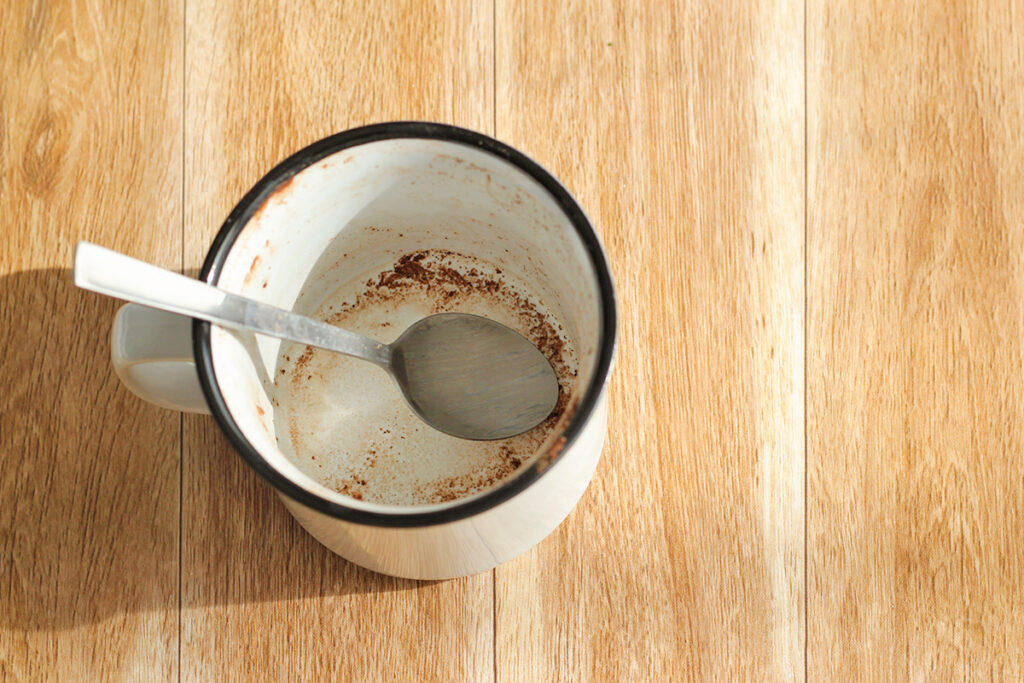
Sprinkle baking soda into tea- or coffee-stained mugs, add a splash of water, and gently scrub with an old toothbrush or rag. The baking soda’s mild abrasiveness is tough on discoloration but safe for ceramic. This hack works especially well on older, set-in stains.
2. Use Baking Soda and Vinegar To Clean Your Garbage Disposal
Pour a quarter cup of baking soda into the disposal and follow with 1 cup of distilled white vinegar. Let it fizz for five to 10 minutes and then flush with cold water. This helps break down residue and neutralize lingering odors. Run the disposal briefly during the final rinse.
3. Use Aluminum Foil To Make Silverware Shine in the Dishwasher
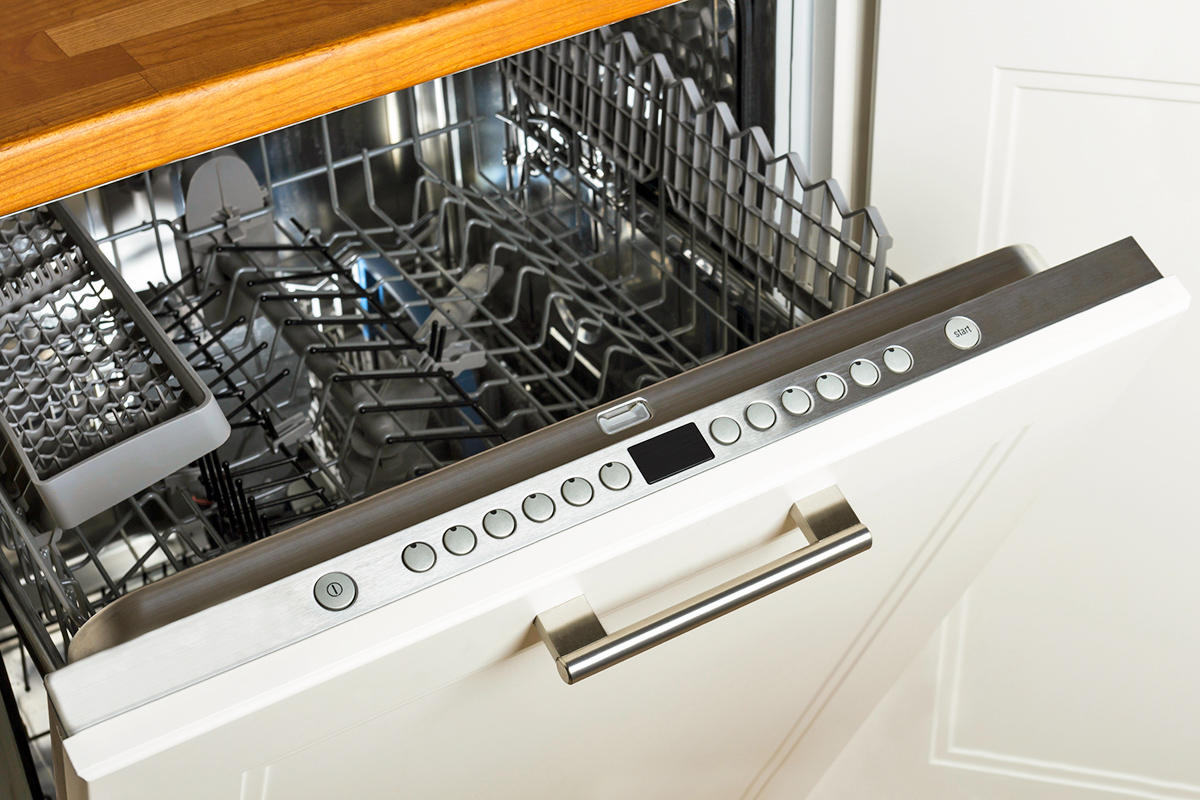
Toss a small ball of tightly crumpled aluminum foil into the utensil basket to help reduce dullness during the wash cycle. The chemical reaction between the foil and detergent lifts tarnish from silver and minimizes water spots on stainless steel. Replace the foil every few washes.
4. Use Olive Oil To Remove Smudges From Stainless Steel
A few drops of olive oil on a soft cloth will buff away fingerprints and restore shine to stainless steel surfaces. Always wipe in the direction of the grain to avoid streaks. Note: This hack is not recommended for matte finishes.
More from our network
House Outlook is part of Inbox Studio, which publishes content that uplifts, informs, and inspires.




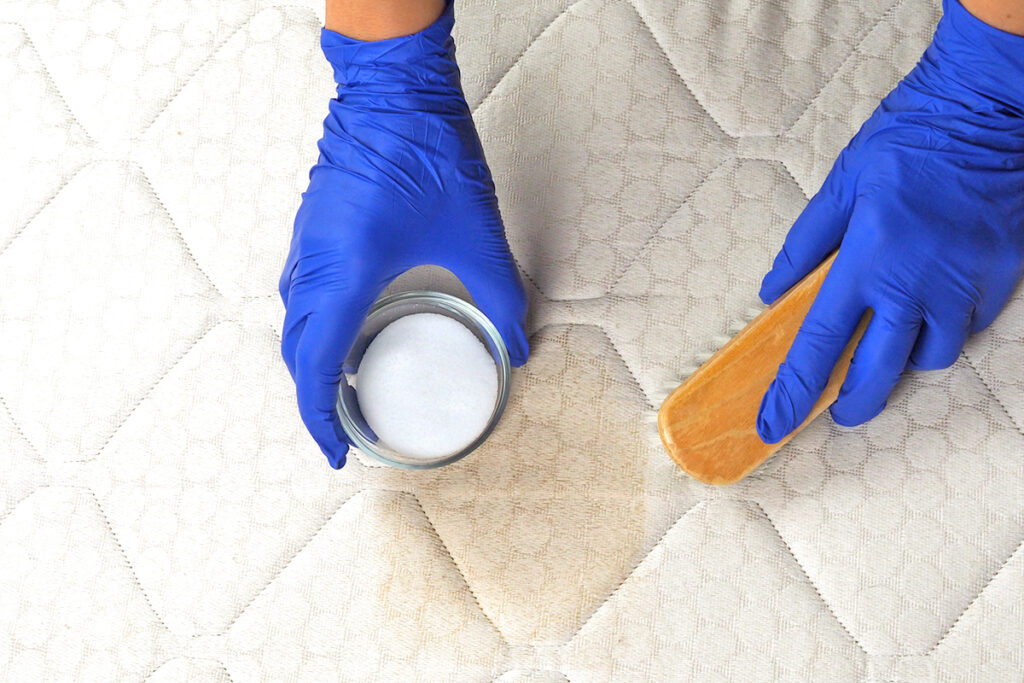
5. Use Baking Soda To Deodorize Your Mattress
Combine 1 cup of baking soda with 10 drops of your favorite essential oil. Sprinkle the mixture evenly across the top of your mattress, let it sit for one hour, then vacuum thoroughly. Since baking soda can clog vacuum filters, it’s best to use an old or inexpensive model. This miracle powder absorbs moisture and odors without harsh chemicals. Do this twice a year to help reduce the buildup of sweat, body oils, and other grime.
6. Use Vinegar To Eliminate Lingering Cooking Smells
Simmer 1/2 cup of distilled white vinegar and 1 cup of water on the stove for 10 to 15 minutes to quickly neutralize strong food odors. This method is especially helpful after frying or cooking fish. Ventilate the space afterward.
7. Lift Oil Stains From Clothes With Cornstarch
Sprinkle a generous amount of cornstarch over the oil stain, ensuring that it’s completely covered. Let it sit for at least 15 minutes (a couple of hours is even better), brush off the cornstarch, and launder the garment as usual.
8. Use Kosher Salt To Clean Cast-Iron Cookware
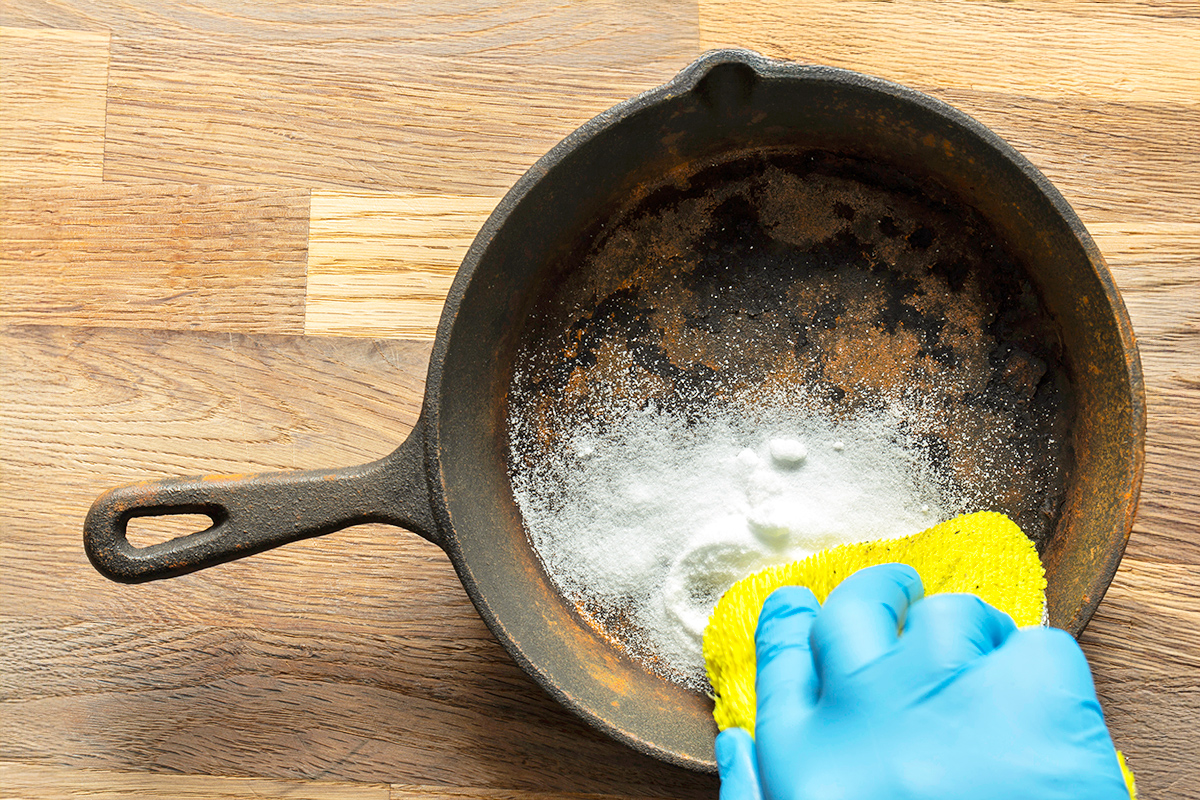
Coarse salt scrubs away stuck-on food without damaging seasoning. While the cast-iron skillet is still warm, use a nonscratch pad and warm water to get rid of any loose food particles. Rinse quickly and dry thoroughly, then pour 2 to 3 tablespoons of kosher salt onto the cooking surface. Use a paper towel to work the salt into the pan, then discard the salt, rinse again, dry completely, and oil the skillet lightly.
9. Use Sliced Bread To Safely Clean Up Broken Glass
Press a slice of soft bread over tiny glass shards to pick them up without cutting your hands. Dispose of the bread immediately, then follow up with a damp paper towel to catch any remaining pieces.


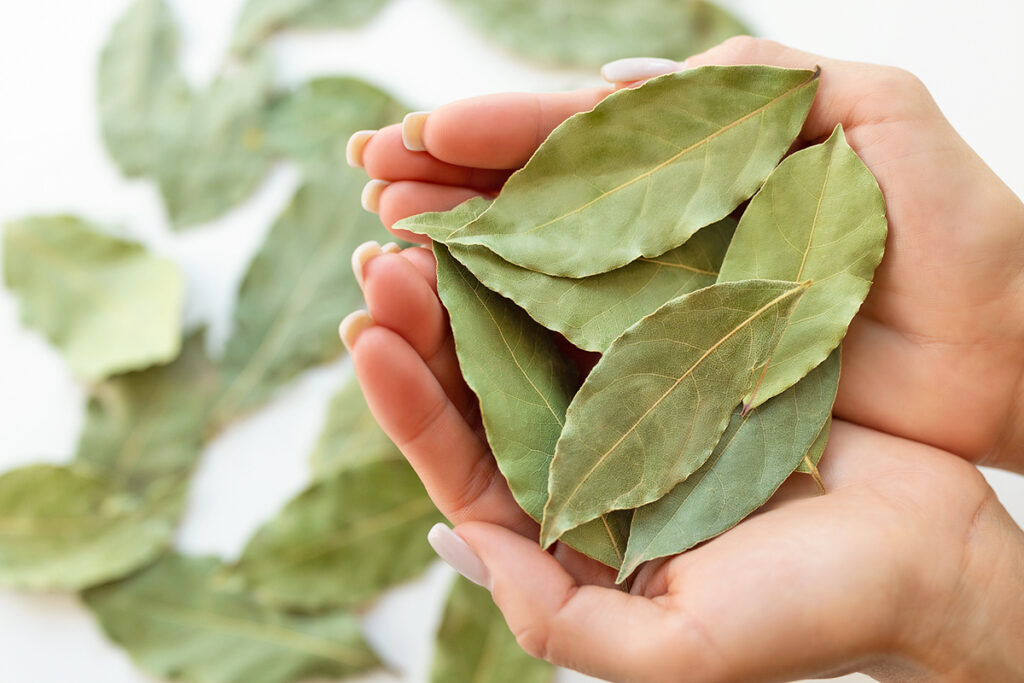
10. Use Bay Leaves To Deter Pantry Pests
Tuck whole bay leaves — even stale ones — into pantry shelves and food containers to naturally deter insects such as moths, cockroaches, and weevils. Replace them every two to four months as the scent fades.
11. Use Rice To Remove Cloudiness From Glassware
Uncooked rice acts as a mild abrasive to loosen residue in narrow-necked bottles and vases. Fill a cloudy piece of glassware halfway with warm water, a few drops of dish soap, 1 to 2 tablespoons of distilled white vinegar, and up to 1 cup of uncooked rice. Cover the top and shake vigorously to scrub the interior. Dispose of the rice, rinse thoroughly with warm water, and dry with a microfiber cloth.
12. Use Ketchup To Shine Stainless Steel
The mild acidity in ketchup helps lift tarnish and restore shine to stainless steel. Apply an even layer and let it sit for 30 minutes. Wipe it away, rinse the surface thoroughly, and dry with a microfiber cloth. Spot-test a hidden area first to prevent potential staining.
Food & Drink Hacks
13. Use Cornstarch To Make Roasted Potatoes Extra Crispy
For every half-pound of baby potatoes, combine 2 tablespoons of cornstarch and 1/2 cup of water in a large bowl. Microwave in 20-second increments until the mixture forms a gooey paste. Toss the potatoes in the paste, then place them cut-side down on a sheet pan coated in cooking spray and a neutral oil. Roast for 15 minutes at 425 degrees Fahrenheit, remove the foil, and continue roasting for 20 minutes more. You’ll get incredibly crispy potatoes with light, fluffy interiors.
14. Use Baking Soda To Brown Ground Beef Better
To encourage even browning, use a baking soda solution on your raw ground beef. For every pound of meat, dissolve 1/4 to 1/2 teaspoon of baking soda in 1 tablespoon of water. Mix the solution into the raw ground beef and let it rest on the counter for 15 to 30 minutes before cooking as you normally would to achieve restaurant-quality browning.
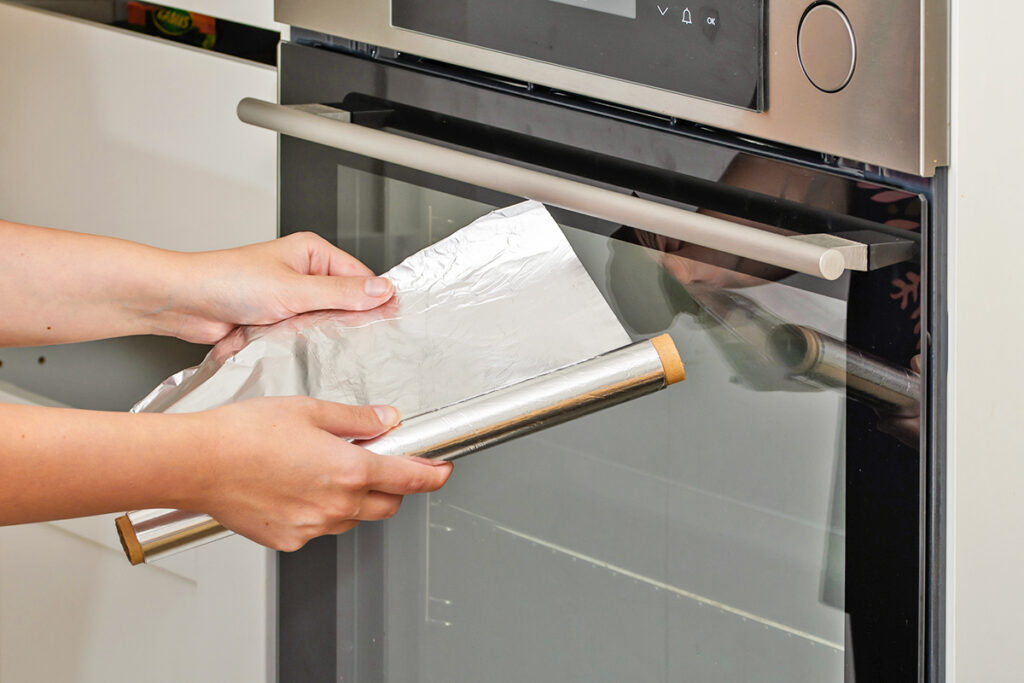
15. Use Aluminum Foil To Replace a Roasting Rack
Rolled foil coils lift meat off the pan, allowing heat to circulate underneath to prevent a soggy bottom. Pull out a sheet of aluminum foil at least 3 to 4 feet long and crumple it into a tight “snake.” Bend the foil into an S-shape or a question mark that fits inside your pan, then position the bird on top, ensuring it’s stable before roasting. Discard the foil after use for an easy cleanup.
16. Use Instant Mashed Potatoes To Thicken Soup
Thicken soup instantly with potato flakes to avoid the gumminess of cornstarch or the raw flavor and clumps of flour. This hack works best for creamy soups; stir in a spoonful at a time until the liquid reaches your desired thickness. Because the potatoes are already cooked, they add body without overpowering flavor.
17. Use Aluminum Foil To Keep Celery Crisp Longer
Wrapping celery in aluminum foil helps regulate moisture better than plastic wrap, keeping it crunchy for two weeks to a month. Wrap the bunch of celery in a large sheet of foil, leaving the ends slightly open. This traps moisture while allowing ethylene gas to escape, which slows the ripening process. Store the foil-wrapped celery in your refrigerator’s crisper drawer.
18. Use Cooking Spray To Measure Sticky Ingredients Easily
A light coat of nonstick cooking spray helps honey, syrup, and nut butters slide right out of measuring cups and spoons. Any oil — such as avocado, olive, or canola — will work. This hack allows you to measure multiple ingredients without stopping to wash and dry your tools.
19. Use Marshmallows To Prevent Brown Sugar From Clumping
To keep brown sugar soft and scoopable, toss two or three marshmallows into the container. This method rehydrates clumped brown sugar in a day or two and works better than bread slices, which can mold. Replace the marshmallows once they begin to harden.
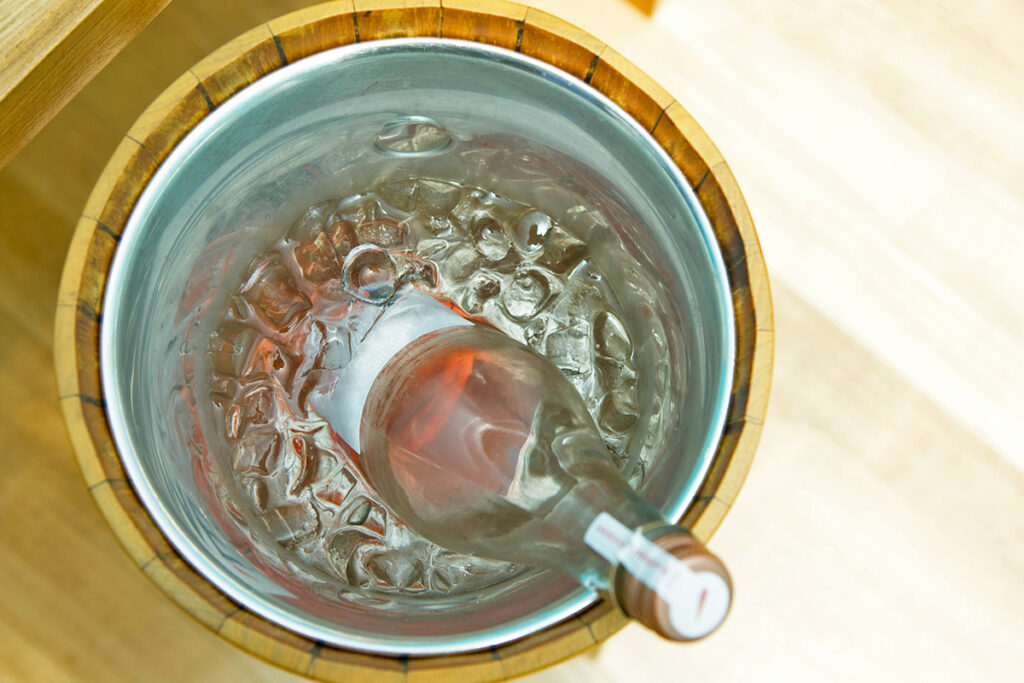
20. Use Salt and Ice Water To Chill Wine Faster
Salt lowers the freezing point of water, chilling bottles faster than ice alone. Dissolve 1 cup of salt in a gallon of lukewarm water inside a bucket or cooler. Add plenty of ice, submerge your wine bottle, and rotate it every few minutes for an even chill. This method works in about 10 minutes.
Gardening Hacks
21. Use Tea Bags To Fertilize Plants
Turn used tea bags into nitrogen-rich plant food by drying the leaves and working them into the top layer of your plant’s soil. Aerate the soil with a fork or chopstick, add a pinch of the dried tea leaves, and mix until well blended. Because tea is slightly acidic, this hack is best for plants that prefer a low pH.
22. Use Aluminum Foil To Keep Birds Out of Gardens
Hanging shiny strips of aluminum foil reflects sunlight and creates movement to deter birds. Use fishing line or clothespins to attach the foil, or simply mold it around the branches. Move the strips occasionally to maintain effectiveness.
23. Use Cinnamon To Eliminate Soil Mold
A light sprinkle of cinnamon on soil acts as a natural antifungal to combat mold. As a bonus, it also deters fungus gnats. Use a thin layer — about 1/8 inch — and pay close attention to problem spots.
24. Use Leftover Coffee Grounds as Fertilizer
Turn used coffee grounds into a nitrogen-rich liquid fertilizer by mixing them with room-temperature water to create a thin slurry. Water your plants with this mixture no more than once a week to give them a nutrient boost and deter pests. Because the mixture is slightly acidic, avoid using it on plants that prefer alkaline soil.
25. Use Clear Sugary Soda To Make Flowers Last Longer
Extend the life of your bouquet by adding a splash of lemon-lime soda to your vase. The sugar serves as food while the citric acid lowers the water’s pH, helping stems with water uptake and inhibiting the growth of harmful microbes. Trim stems at a 45-degree angle before placing them in the mixture, and remember to change the water regularly to keep it fresh.

Home Improvement Hacks
26. Use Wax Paper To Fix Sticky Drawers
Fix sticky drawers by rubbing wax paper along the wooden runners and edges. The paper transfers a thin layer of wax to the wood, restoring smooth movement. Reapply the wax as needed and always exercise caution to avoid splinters.
27. Use Aluminum Foil To Adapt AAA Batteries to AA Slots
Use a AAA battery in a AA slot by wedging a small ball of aluminum foil between the battery’s flat, negative end and the terminal spring. The foil, which is conductive, fills the empty space so electricity can flow from the battery to the device. (Just keep in mind that the smaller AAA won’t last as long as a regular AA, so you’ll need to replace it eventually.) This hack should only be used in low-power electronics. Keep the foil away from the positive terminal to avoid a dangerous short circuit.
28. Use Baking Soda and Vinegar To Clear Minor Clogs
Clear minor clogs by pouring 1/2 cup of baking soda followed by 1/2 cup of distilled white vinegar down the drain. Plug the drain with a rag for 30 to 60 minutes to trap the carbon dioxide gas, which creates pressure to loosen buildup. Finish by flushing with boiling water for best results.
29. Use Salt and Vinegar To Remove Rust From Tools
Remove rust from old tools by submerging them in distilled white vinegar and adding a thick layer of table salt to the affected areas. Soak for 24 hours to break down corrosion naturally, then use a wire brush to scrub away any loosened flakes. Dry the tools completely and finish with a spray of WD-40 to seal the metal and prevent future rust.
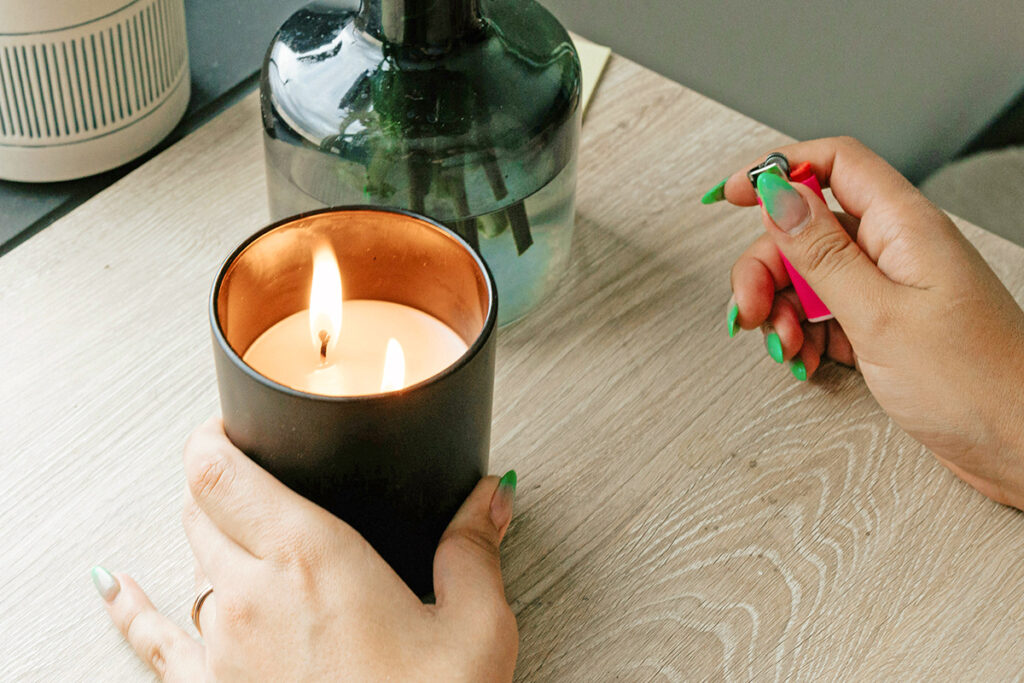
30. Use Aluminum Foil To Prevent Candle Tunneling
Fix candle tunneling by wrapping aluminum foil around the rim to create a cone with a 1-inch opening at the top. Let it burn for about an hour until the melted wax reaches the edges of the vessel. This will ensure an even burn moving forward, extending the candle’s lifespan.
Organizing Hacks
31. Use Parchment Paper To Plan Drawer Organizers
Create a custom blueprint for your drawers by tracing the interior dimensions onto a sheet of parchment paper. (You might have to tape multiple pieces together to get the exact width and length, but that’s OK.) Bring this template to the store and arrange the organizers directly on the paper to ensure a perfect fit and avoid wasted space.
32. Use Soda Can Tabs To Double Closet Space
Instantly create more room in a crowded closet by using soda can tabs to link hangers vertically. Slide the top hole of a metal tab over the neck of one hanger, then hook a second hanger through the bottom hole. This hack allows you to hang multiple garments in the width of a single hanger, and it’s perfect for organizing entire outfits or matching sets.