Filters are the unsung heroes of the home, quietly catching grime, protecting appliances, and keeping the air and water you use daily cleaner than you realize. But because they’re usually tucked behind panels or hidden inside machines, they’re easy to forget about. And when filters clog, efficiency drops, utility bills rise, and expensive appliances wear…
If you can’t remember the last time you checked your dishwasher filter — or you didn’t even know your washing machine had one — you aren’t alone. Here are the forgotten household filters that deserve a place on your maintenance checklist, along with general guidance on how to clean or replace them.
1. Dishwasher Filter
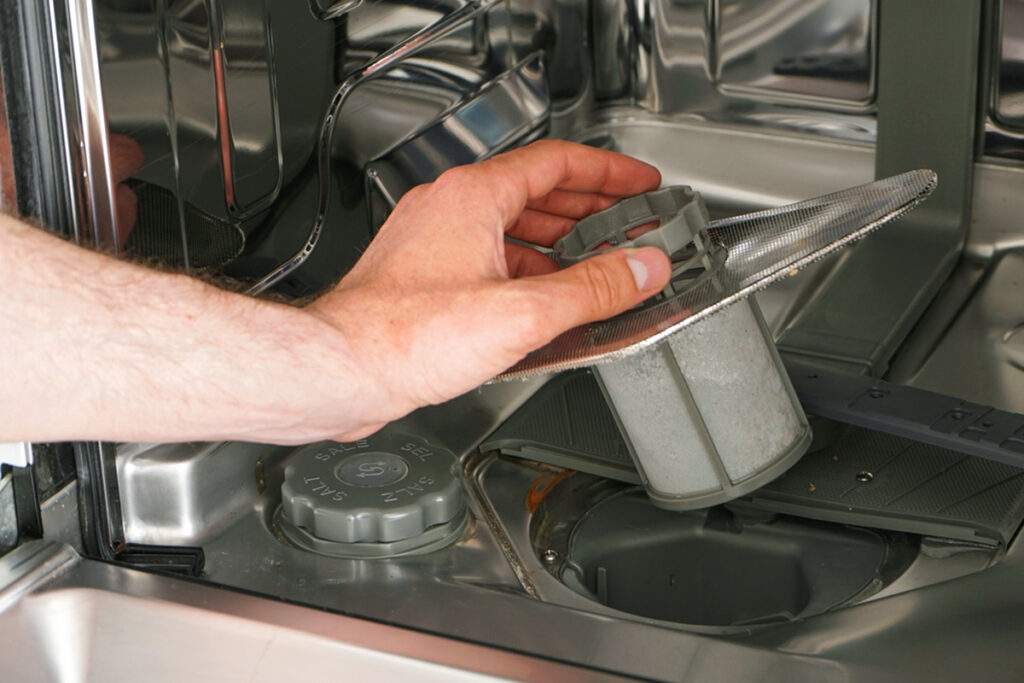
If your dishwasher is leaving behind gritty residue or cloudy glasses, the filter is usually the culprit. Most modern dishwashers have a removable mesh filter at the bottom of the machine (usually where the spray arm attaches) that traps food particles before they can recirculate.
How to maintain it: Remove the filter, rinse it under warm water, and use a soft brush to scrub away debris. Avoid abrasive tools that can damage the mesh. For most households, a monthly cleaning is sufficient, though busy kitchens may require more frequent maintenance.
More from our network
House Outlook is part of Inbox Studio, which publishes content that uplifts, informs, and inspires.




2. Washing Machine Filter
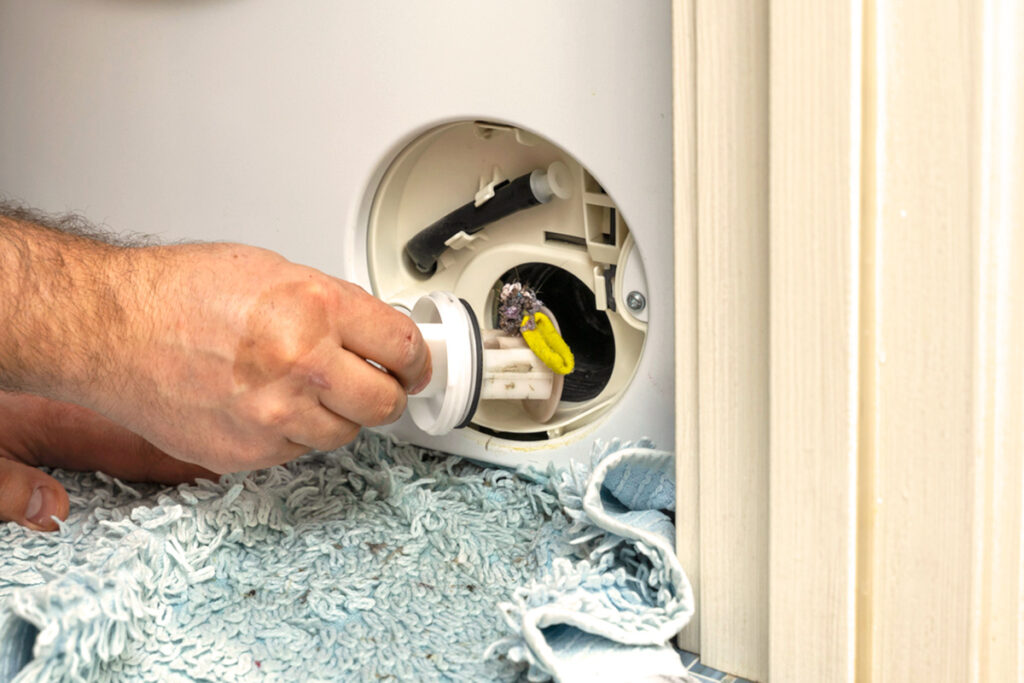
Both front-loading and top-loading washers typically have filters, though they are often well hidden. On front-loaders, the filter is usually behind a small door at the bottom of the machine; on top-loaders, it’s often inside the agitator or along the top edge of the drum. These filters catch lint, coins, hair ties, and anything else left in pockets. A clogged washer filter can lead to odors, drainage issues, or poor cleaning performance.
How to maintain it: Remove the filter and rinse it thoroughly. A quarterly cleaning works for most households, but pet owners or large families may need to clean it monthly.
3. Vacuum Cleaner Filter
Vacuum filters capture everything from fine dust to pet hair. When they’re overloaded, suction drops dramatically. Keeping these filters clean is the simplest way to extend the life of your vacuum’s motor.
How to maintain it: Most vacuums have two filters: a premotor filter and an exhaust or HEPA filter. Foam or mesh filters can usually be rinsed under water and must be air-dried completely before reinstallation. HEPA filters are often replace-only, depending on the model. Cleaning or replacing these every one to three months keeps suction strong.

4. Furnace and HVAC Filters
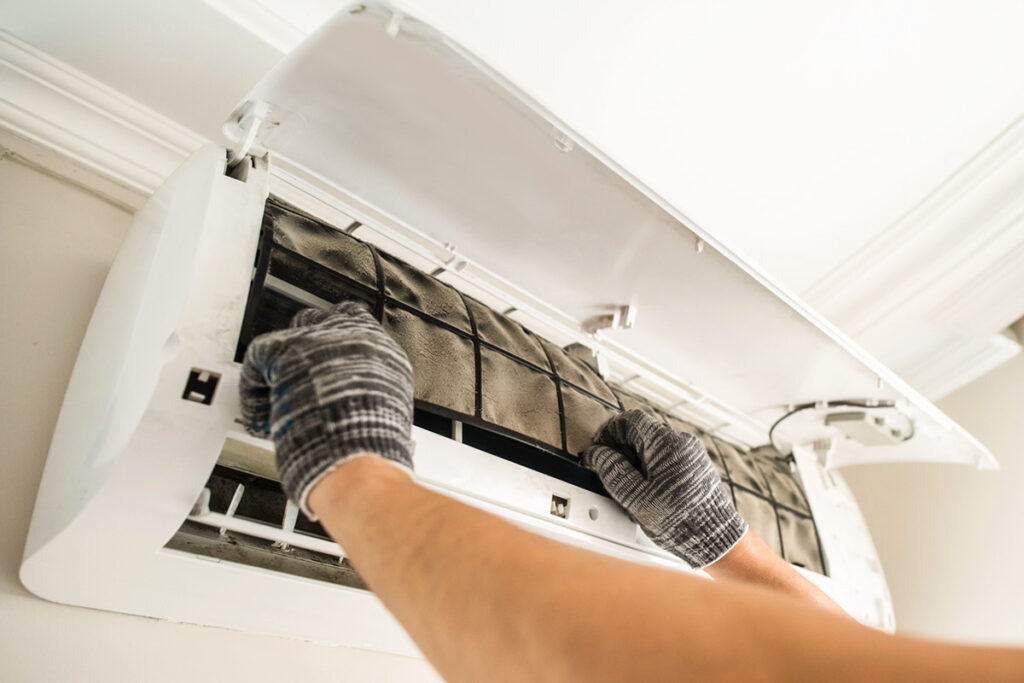
Your heating and cooling system relies on steady airflow. A dirty filter forces the system to work harder, increasing energy costs and circulating dust throughout your home.
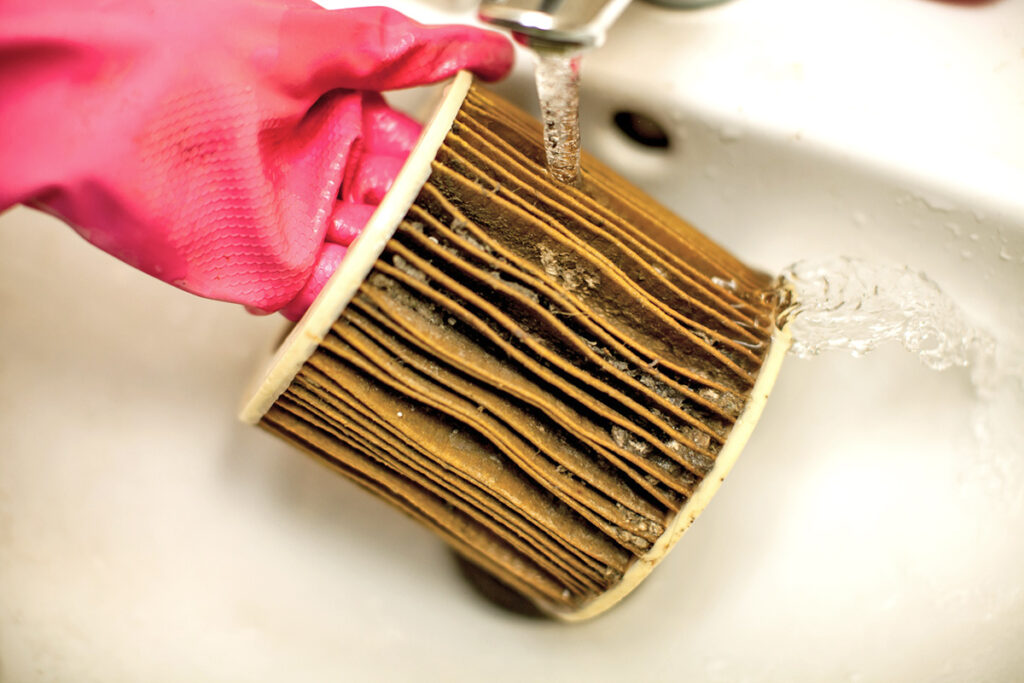
How to maintain them: Change disposable filters every one to three months, depending on usage and dust levels. If you have a reusable filter, remove it and rinse with warm water. Make sure it’s completely dry before reinserting it to prevent mold growth.
5. Range Hood Filter
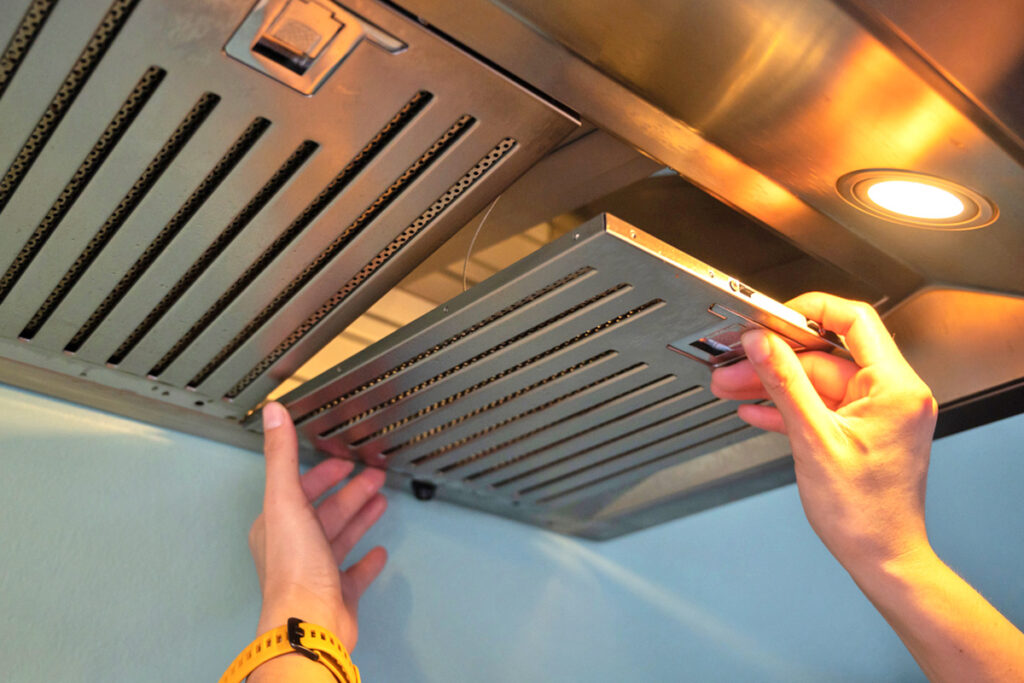
The filter above your stovetop captures grease and cooking residue. Over time, it becomes coated in a sticky layer that reduces ventilation and can even become a fire hazard.
How to maintain it: Remove metal mesh filters and soak them in hot, soapy water, or wash them on the top rack of a dishwasher if the manufacturer allows it. This should be done once a month to maintain proper airflow and prevent buildup. Charcoal range hood filters can’t be cleaned and should be replaced every three to six months, depending on how often you cook.
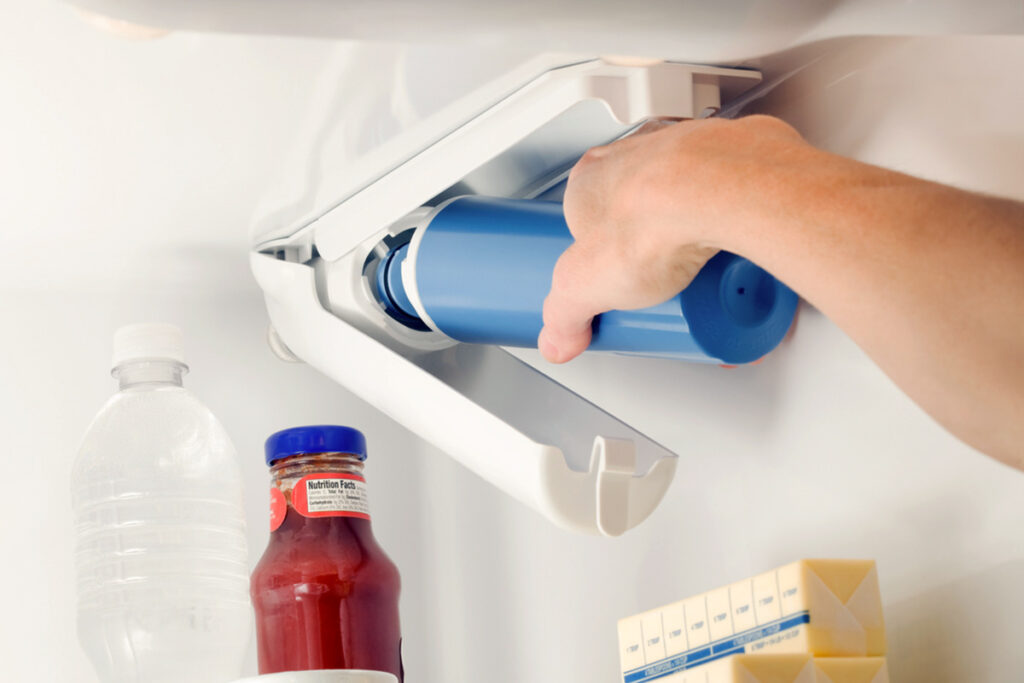
6. Refrigerator Water Filter
A refrigerator’s filter traps impurities in your water and ice. Once it becomes saturated, however, it stops functioning effectively and can lead to slow water flow or off-tasting ice.
How to maintain it: Most refrigerator filters need to be replaced every six months, though this varies based on water quality and usage. Follow the manufacturer’s instructions for installing a new filter and flush the system by running water for three to five minutes afterward.
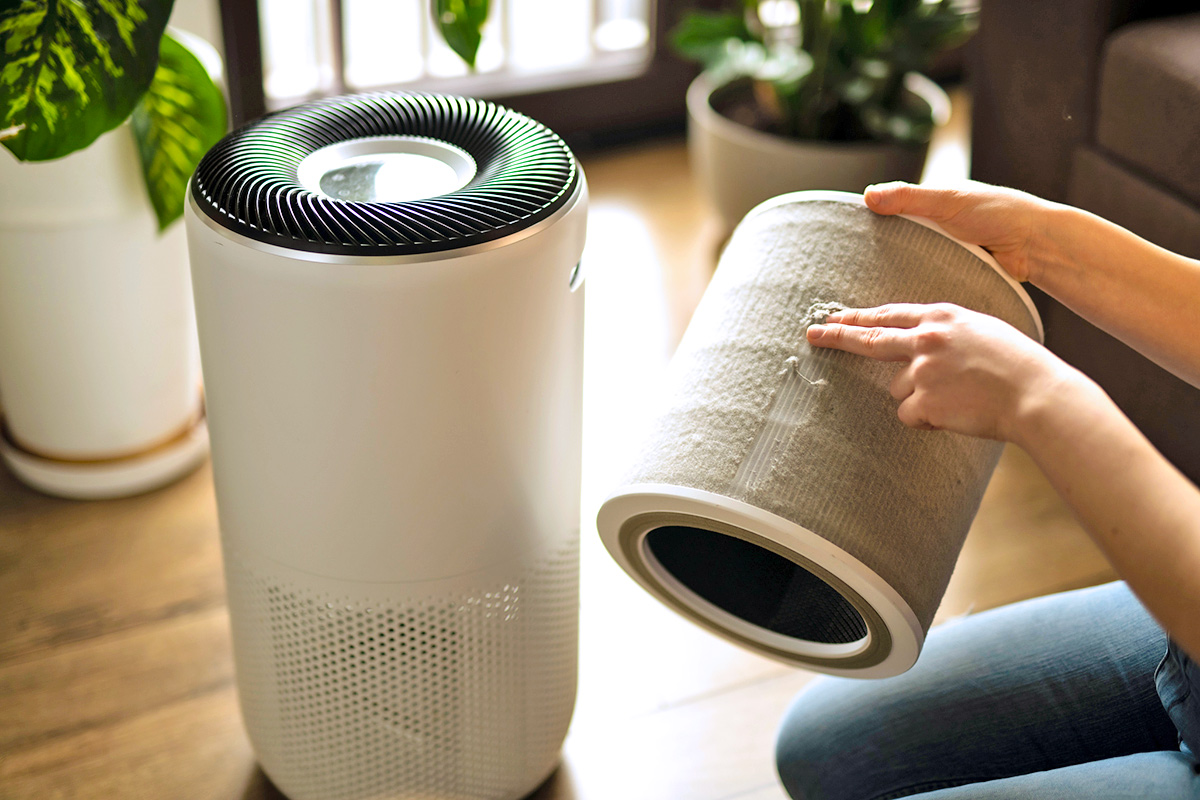
7. Air Purifier Filter
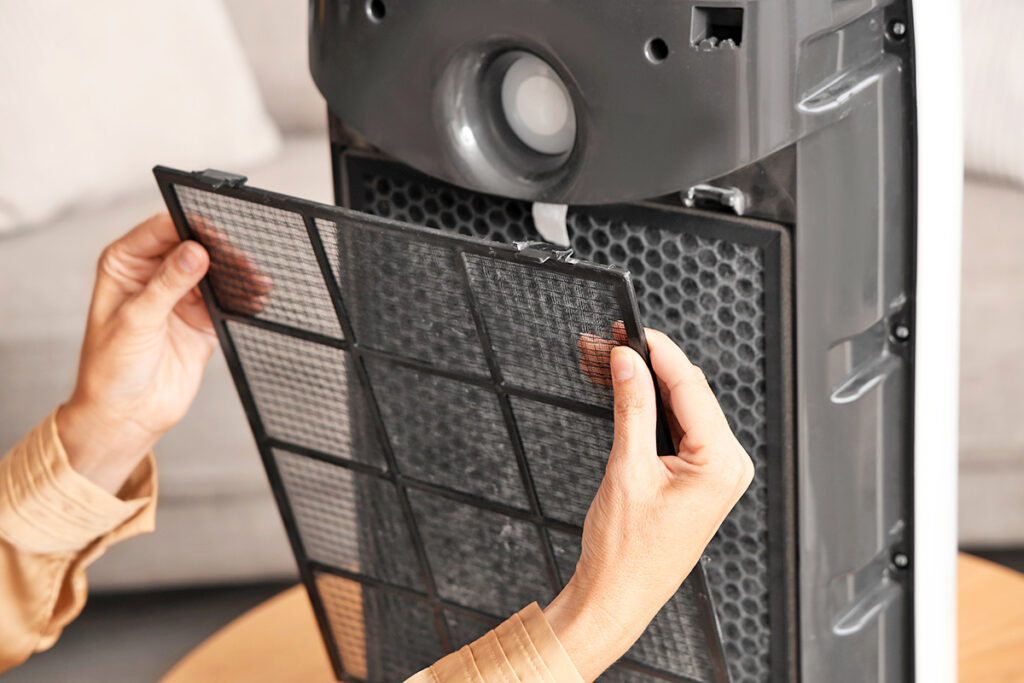
Air purifiers equipped with HEPA filters capture allergens, smoke, pet dander, and dust to improve indoor air quality. If you notice reduced airflow or the motor running louder than usual, the filter likely needs attention.
How to maintain it: Most purifiers contain both a washable prefilter and a replace-only HEPA filter. Clean the prefilter monthly and replace the HEPA filter every six to 12 months, depending on usage and air quality. Some models have indicator lights that make this easier to track.
8. Dryer Exhaust Vent System
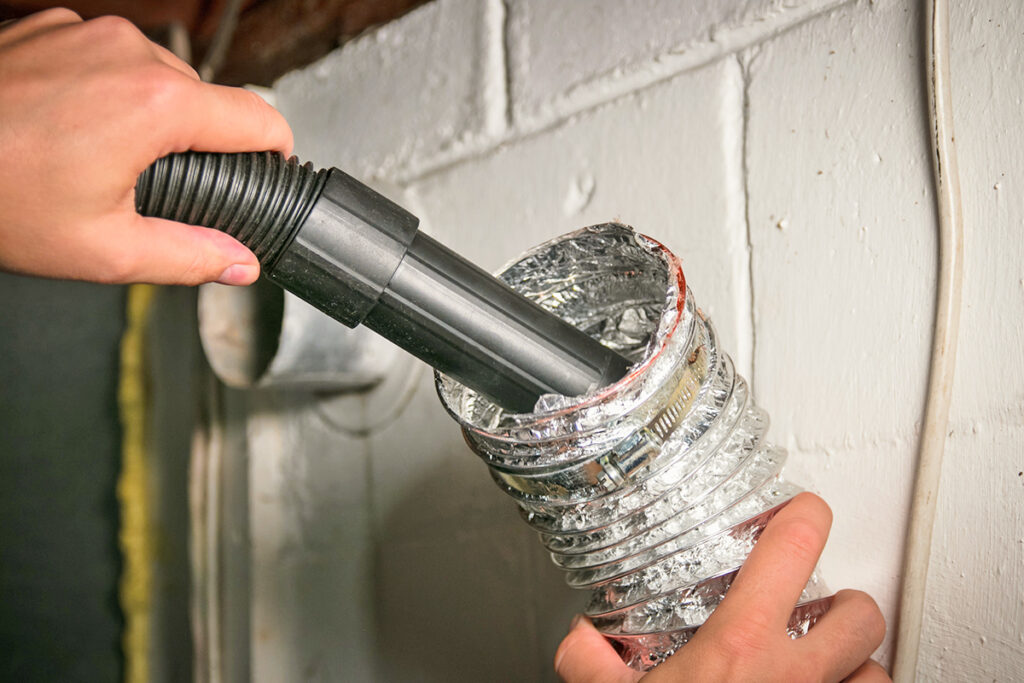
While the lint trap is easy to remember, many people forget the exhaust duct and exterior vent. The exhaust duct is the permanent pipe that transports hot air and lint away from the house, while the exterior vent is the exit point, typically covered by a louvered cap. A blocked exhaust vent system doesn’t just slow down drying time — it is a leading cause of household fires.
How to maintain it: Clean the lint screen before every load. Once a year, disconnect the dryer to vacuum lint from the vent hose (a flexible, Slinky-like tube), exhaust duct, and exterior vent opening. You can also use an electric or battery-powered leaf blower to make the job easier. It’s a good idea to perform this maintenance task more often, such as every six months, if you dry daily loads of laundry or have shedding pets.
9. Humidifier or Dehumidifier Filters
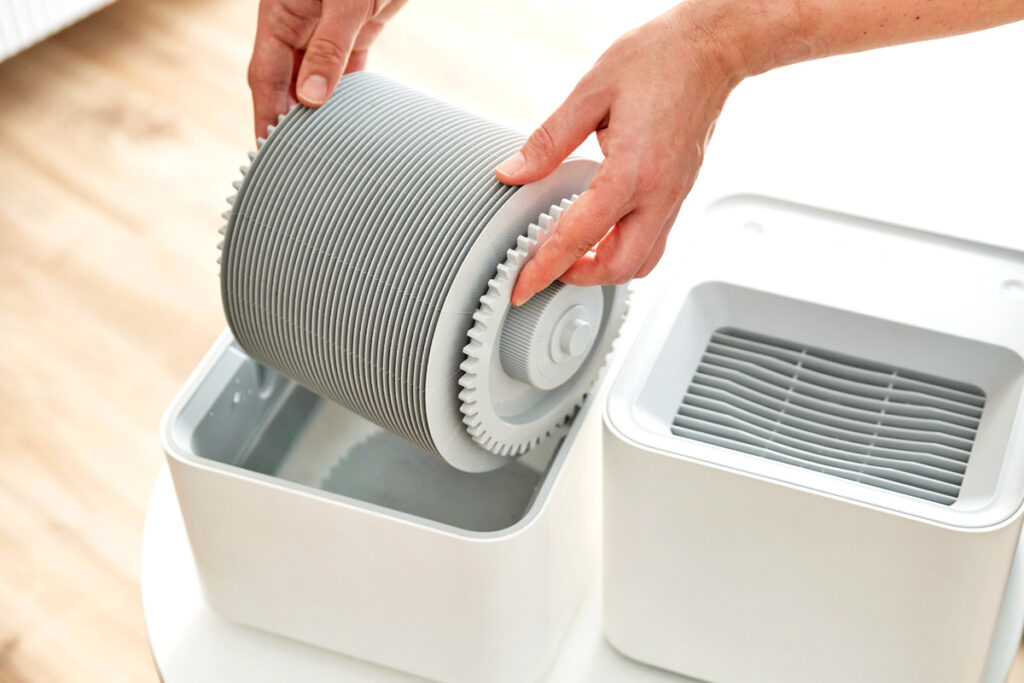
These appliances condition the air but rely on filters to prevent mineral deposits and mold from circulating. A dirty filter can become a breeding ground for bacteria, which is then dispersed into the air.
How to maintain it: Most dehumidifier filters are removable and made of plastic mesh. They should be vacuumed while dry, then rinsed under lukewarm water. To combat unpleasant odors, soak the filter in soapy water or a mixture of vinegar and water for 15 to 30 minutes. Do this every two to four weeks during the humid season.
Most evaporative humidifiers — commonly found in whole-home systems or large stand-alone units — rely on a paper or fabric “wicking” filter. These should be replaced every 30 to 90 days, or immediately if you notice musty odors or crusty mineral deposits. Ultrasonic humidifiers, on the other hand, are typically filter-free but require weekly cleaning to prevent mold growth and hard water scale.
The Takeaway
Filters don’t ask for much — just an occasional rinse or replacement — yet they play a massive role in maintaining appliance efficiency, improving air quality, and keeping your home running smoothly.