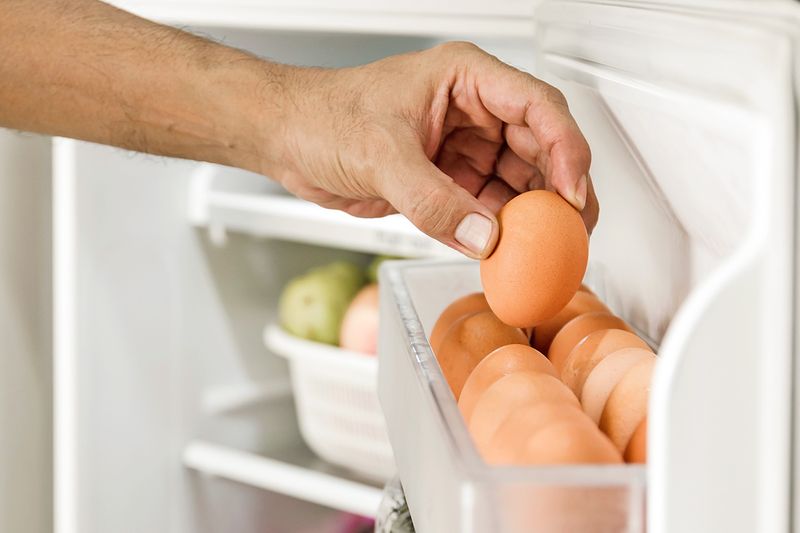
Of course, there are a lot of ways you can reduce waste in your kitchen, such as buying long-lasting whole spices — so you don’t have to replace them every few months — and thinking carefully about whether those Costco bulk buys actually make sense. But proper food storage is also essential to preventing food waste.
For example, while your refrigerator door is a convenient place to store food, it experiences the most dramatic temperature fluctuations — which isn’t great for shelf life. With that in mind, here are eight foods that shouldn’t be kept on the refrigerator door, and why.
1. Milk
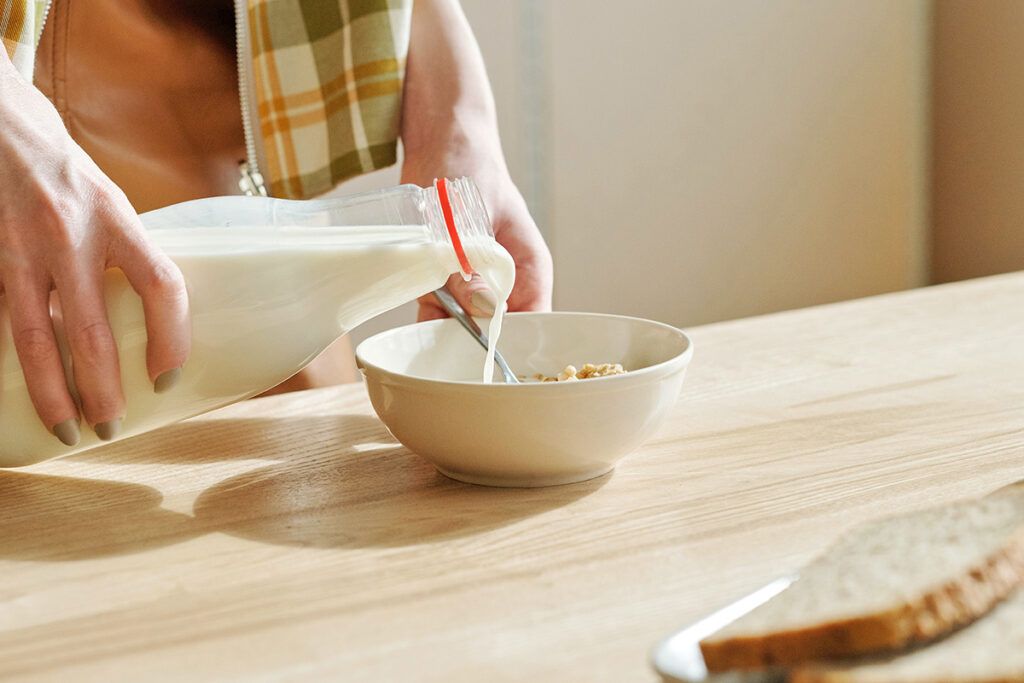
Milk is one of the most common items people keep in the refrigerator door. But that’s not actually a good place for it.
Milk is highly perishable and requires stable, cold temperatures — 40 degrees Fahrenheit or lower — to stay usable until its best-by date. Every time you open the door, you’re letting in room-temperature air, and that warmth speeds up bacterial growth in dairy. Instead, store milk on an interior shelf toward the back of the refrigerator, where temperatures remain stable. You’ll find this noticeably extends its shelf life.
More from our network
House Outlook is part of Inbox Studio, which publishes content that uplifts, informs, and inspires.


2. Fresh Produce
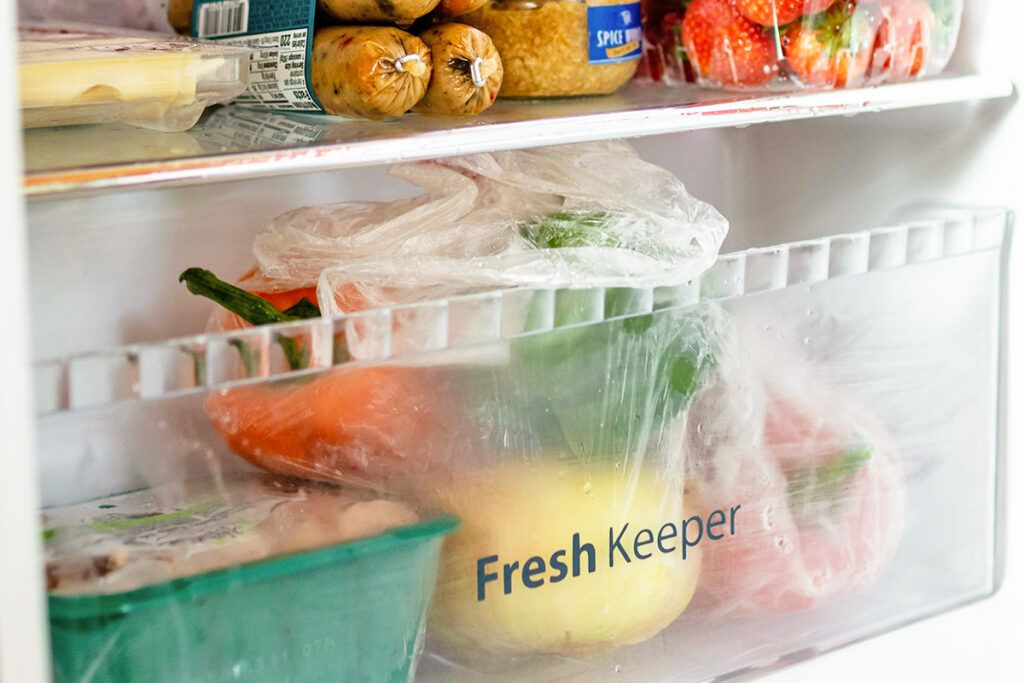
Different kinds of produce have varying storage requirements. Some like it humid, some like it dry, some like it warmer or colder, and there are certain items that chefs like me don’t store in the fridge at all. The bad news? Because conditions in your fridge door fluctuate so much, it’s not the best place to store any fresh produce.
For produce that does need refrigeration, rely on your crisper drawers instead. They’re designed to maintain the higher moisture levels that many fruits and vegetables require.
3. Raw Meat, Fish, or Poultry
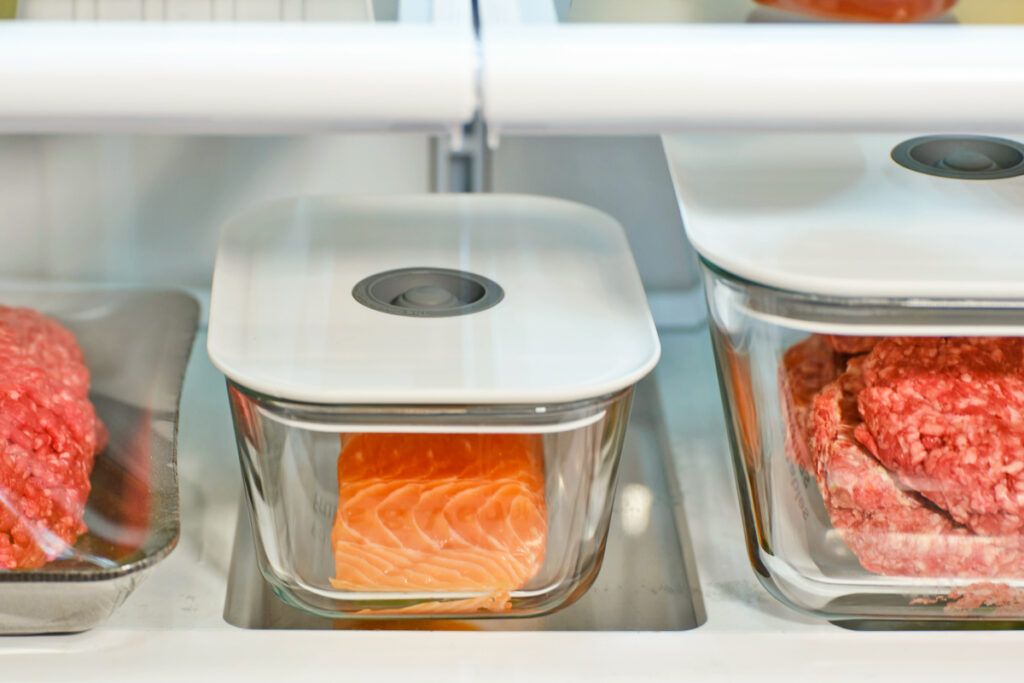
Raw meat, fish, and poultry are especially perishable. If they aren’t stored at a consistently low temperature (ideally just above freezing), harmful bacteria can grow with surprising speed. Also, because fitting meat packages into the door usually requires tipping them sideways, there’s a high likelihood of juices dripping onto food stored below.
Your best bet with these raw foods is to keep them on the lowest shelf of your fridge, sealed in a bag or — better yet — placed in a bowl or drip-proof container to prevent them from leaking.
4. Leftovers
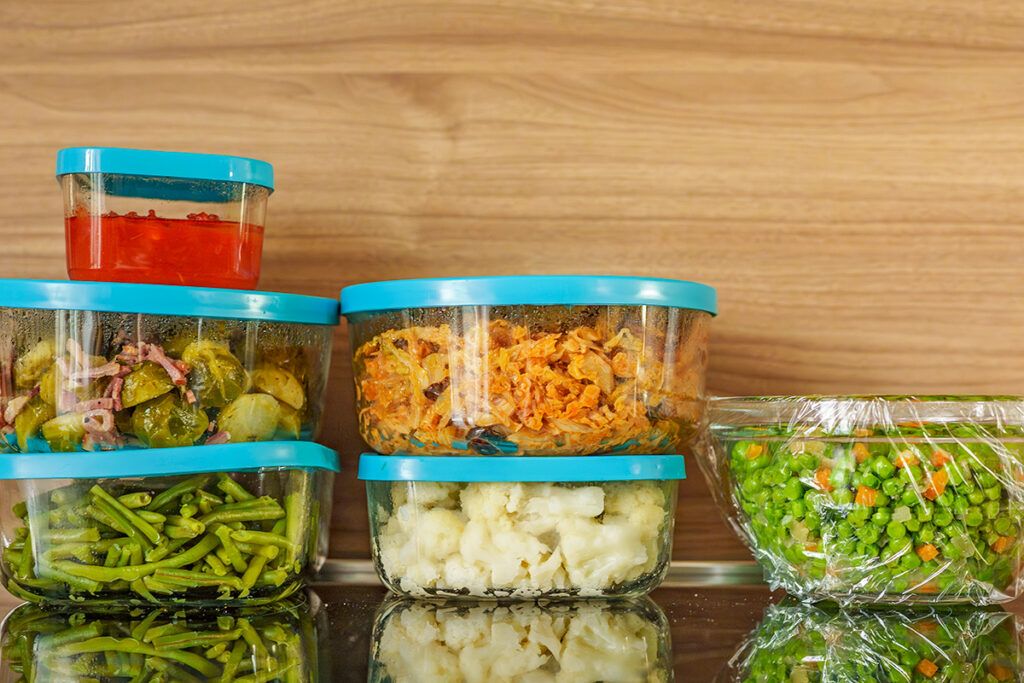
Leftovers are another highly perishable food, and they’re especially susceptible to bacterial growth if handled improperly. They’re good for only three to four days under ideal circumstances — left out for no more than two hours, refrigerated promptly, and kept between 32 and 40 degrees Fahrenheit — which your refrigerator door just can’t match.
Rather than plopping containers or zip-top bags of leftovers into the fridge door, place them on the top or middle shelf. If you’re worried about losing track of them, label and date each package so you know when it needs to be eaten, and consider displaying a magnetic whiteboard on the fridge to track which leftovers need to be used up first.
5. Eggs and Egg Products
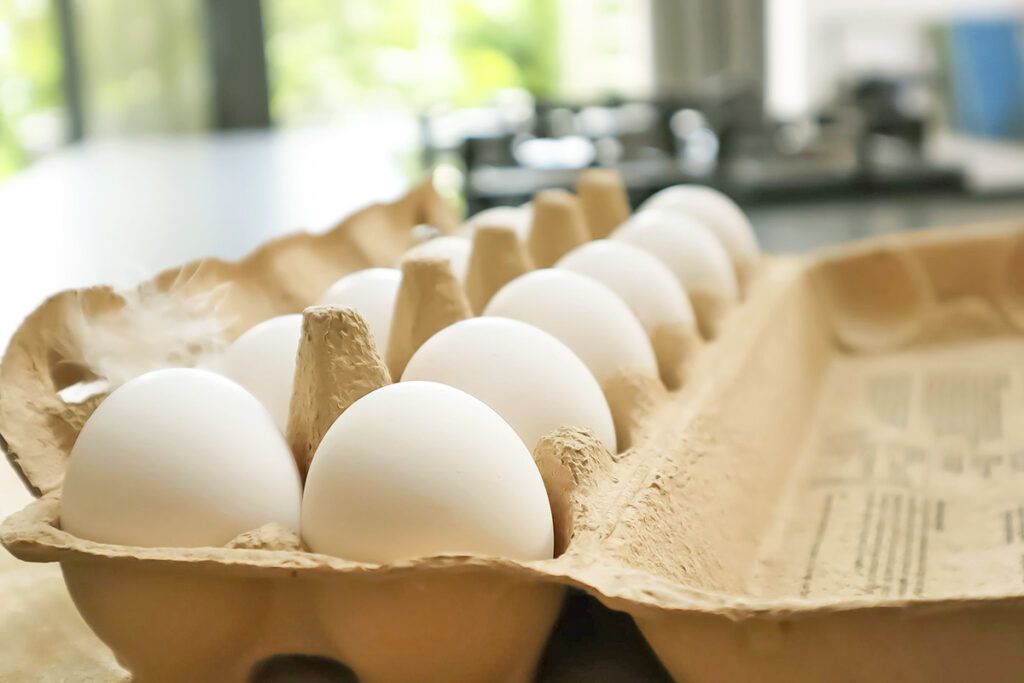
Eggs are right up there with milk on the list of things that shouldn’t be kept on the refrigerator door but usually are.” Frequent travelers might balk at this, as eggs aren’t refrigerated in many countries. However, in the U.S., store-bought eggs are washed during processing, which removes the natural protective coating known as the bloom. While eggs can last three to five weeks in the fridge, proper placement makes a big difference — especially if you don’t go through them quickly.
The best way to store eggs is on an interior middle or lower shelf in their original carton, which protects against breakage and moisture loss. To get the maximum shelf life, position them in the carton with the pointy end facing down. I raise chickens and quail and can personally vouch that it really does make a difference.
The same rule applies to egg products. That includes cartons of liquid egg whites and high-protein “egg bites,” whether homemade or store-bought. Because these items are highly perishable, they need the steady cold of an interior shelf, not the door.
6. Cheese and Other Dairy Products
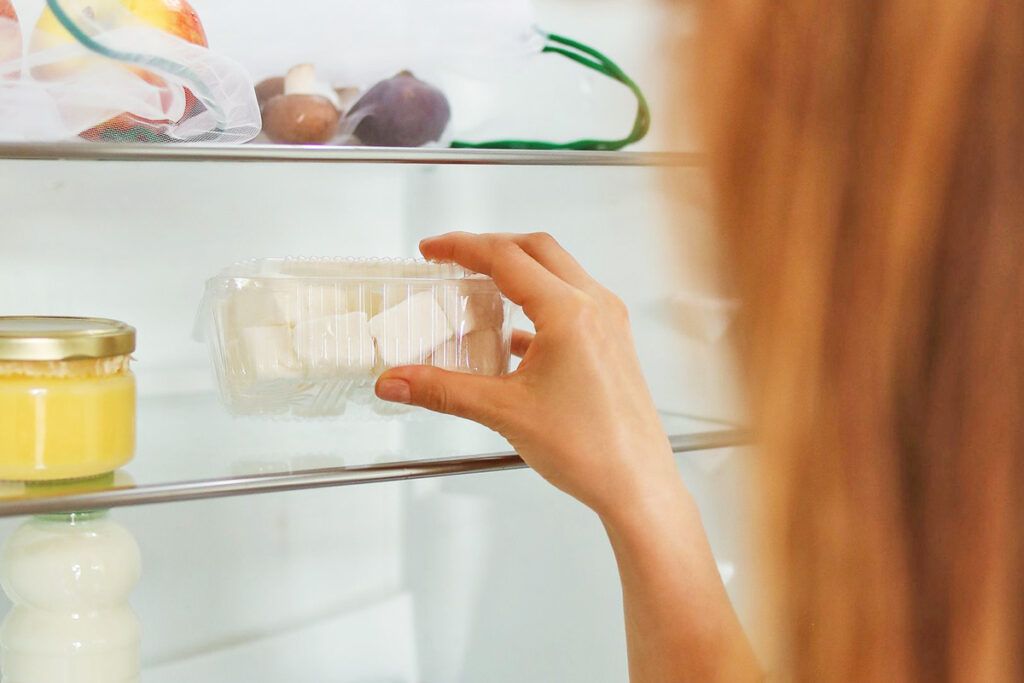
Even mass-produced cheese is sensitive to storage conditions. Historically, cheese was aged in caves or stone cellars to take advantage of cool temperatures and high humidity. Unfortunately, your refrigerator door offers none of that stability.
The riskiest cheeses to keep in the door are soft, fresh varieties, such as queso fresco and mascarpone. While the aging process naturally makes cheese less hospitable to bacteria, unaged varieties are far more susceptible — especially to listeria. Hard cheeses aren’t as risky, nor are processed cheeses or commercial cream cheese thanks to their preservatives and stabilizers, but they can still grow mold. You’re much better off using your fridge’s designated cheese drawer, or wrapping cheeses in parchment or cheese paper inside a covered container.
A couple of other products are worth mentioning: Fermented dairy products, such as yogurt or kefir, should also be stored on an interior shelf. While fermentation offers some degree of protection, these products keep better with consistent temperatures between 32 and 40 degrees Fahrenheit. Finally, nondairy products, such as oat milk, cashew cheese, and margarine, have the same storage requirements as their dairy equivalents.
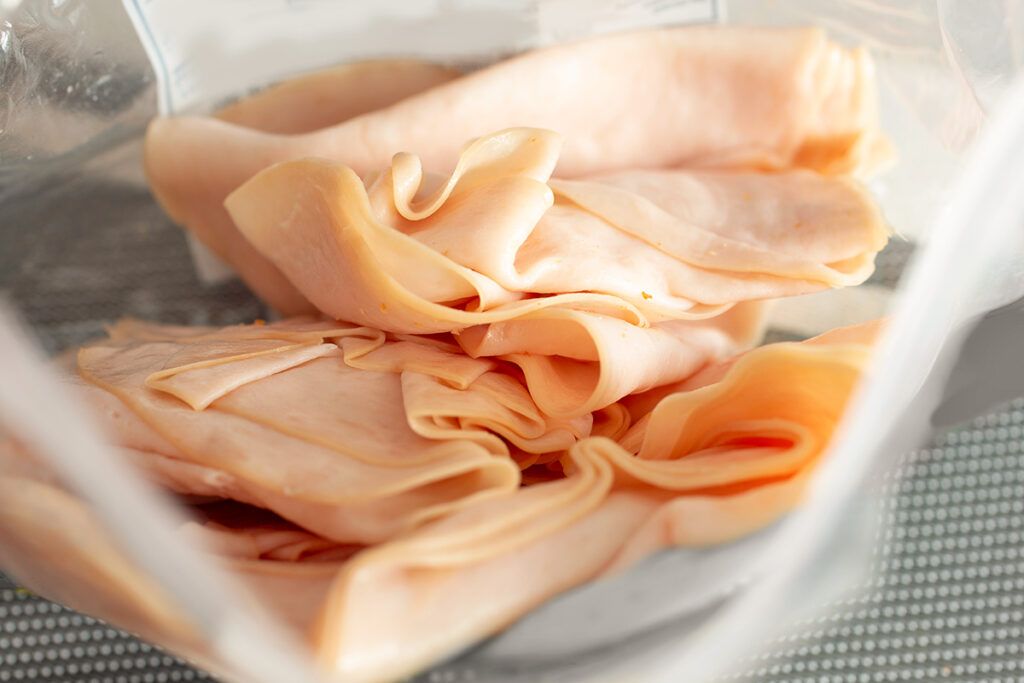
7. Deli Meats
Cured meats seem less risky than their raw equivalents. Many of us don’t like to handle raw meat or poultry with our bare hands, but it feels perfectly natural to pull a few slices of ham, turkey, or pastrami from a package when we’re making a sandwich.
Even though deli meats don’t leak juices like raw steaks or chops and often contain preservatives or curing agents, they’re still highly perishable. They don’t hold up well to the fluctuating temperatures of a fridge door. That’s a serious concern because, like soft cheeses, deli meats are particularly prone to contamination from cold-tolerant listeria. Skip the fridge door and store your deli meats in a dedicated meat/deli drawer or on a lower shelf toward the back of the appliance.
8. Packed Lunches
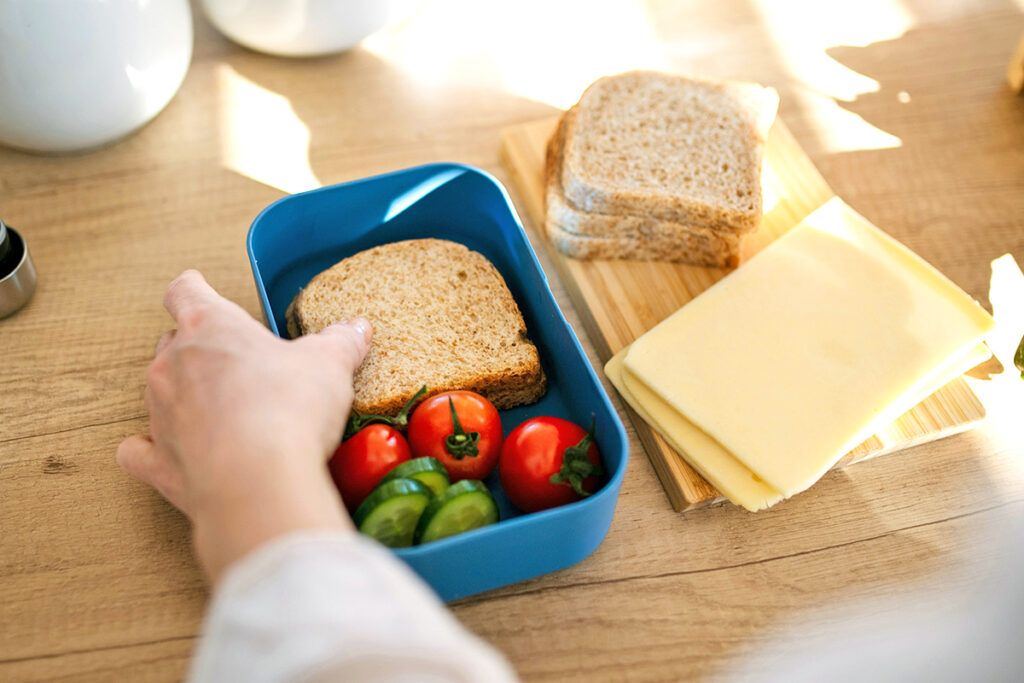
If you pack a lunch for work or school, prepping it the night before can save you valuable time in the morning. If you do this regularly, though, make sure to keep those lunches on an interior shelf instead of in the fridge door.
If you look back over this list, how many lunch-ready items does it contain? Fresh produce? Check. Milk and yogurt? Check. Deli meats? Check. Leftovers? Check. It’s no surprise, then, that the fridge door is no place for a prepared lunch. Instead, keep everything together on an interior shelf — ideally in an unzippered, insulated lunch bag to let in the cold — until morning.