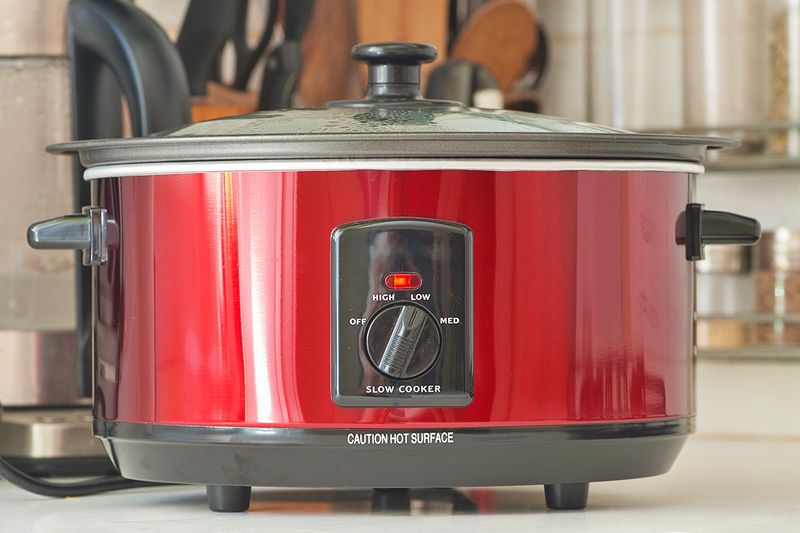
Of course, like any countertop appliance, slow cookers have their quirks. Although they can be used to cook almost anything, some foods are much better suited to the low-and-slow method than others. If you’re new to the slow cooker world, here are 12 foods you can leave out of your dinner plans.
Fish
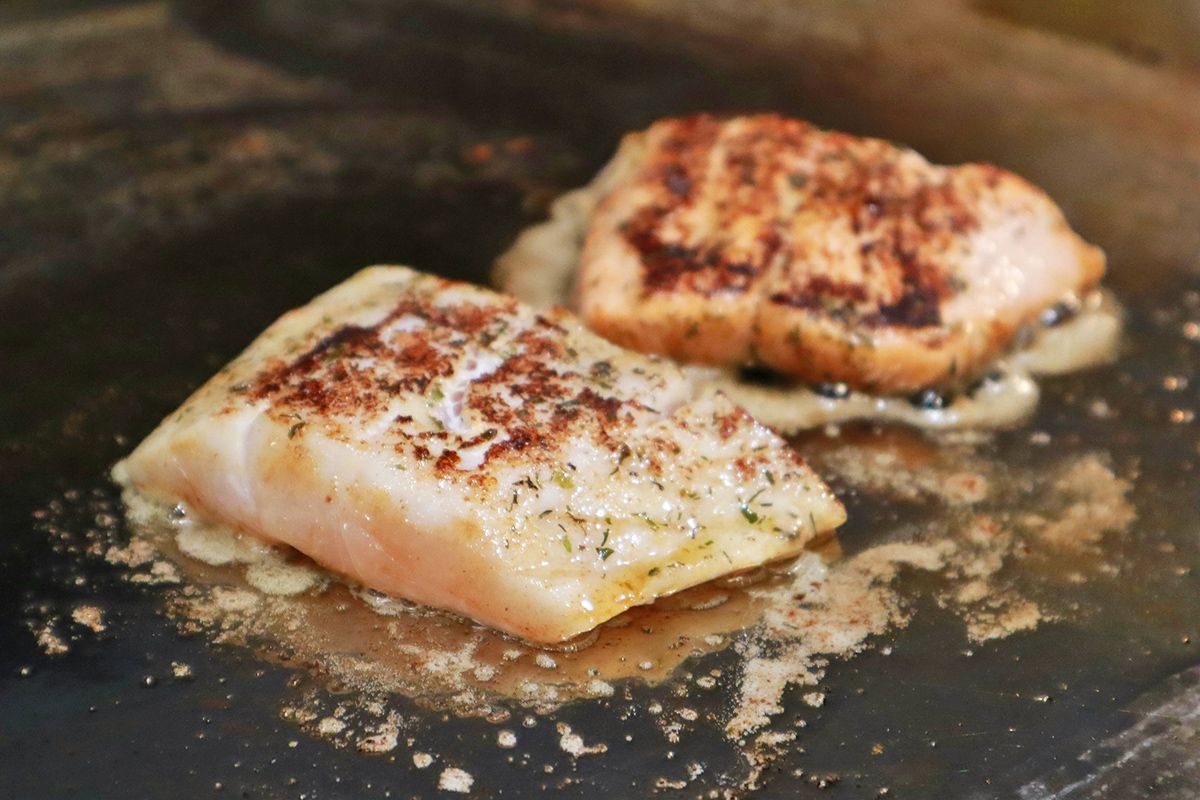
Next to eggs, fish cooks faster than almost any other major protein source. According to the 10-minute rule (sometimes called the “Canadian rule”), fish generally needs just 10 minutes of cooking time per inch of thickness. That makes it a poor fit for slow cooking. Thin fillets like sole or catfish are especially delicate, but even a thick slab of salmon will come out overcooked and dry.
Your best bet, if you’re making a slow cooker soup, stew, or casserole with fish, is either to cook the fish separately and combine the elements on the plate, or to add it to the slow cooker at the very end, so it has time to cook without drying out.
Rice
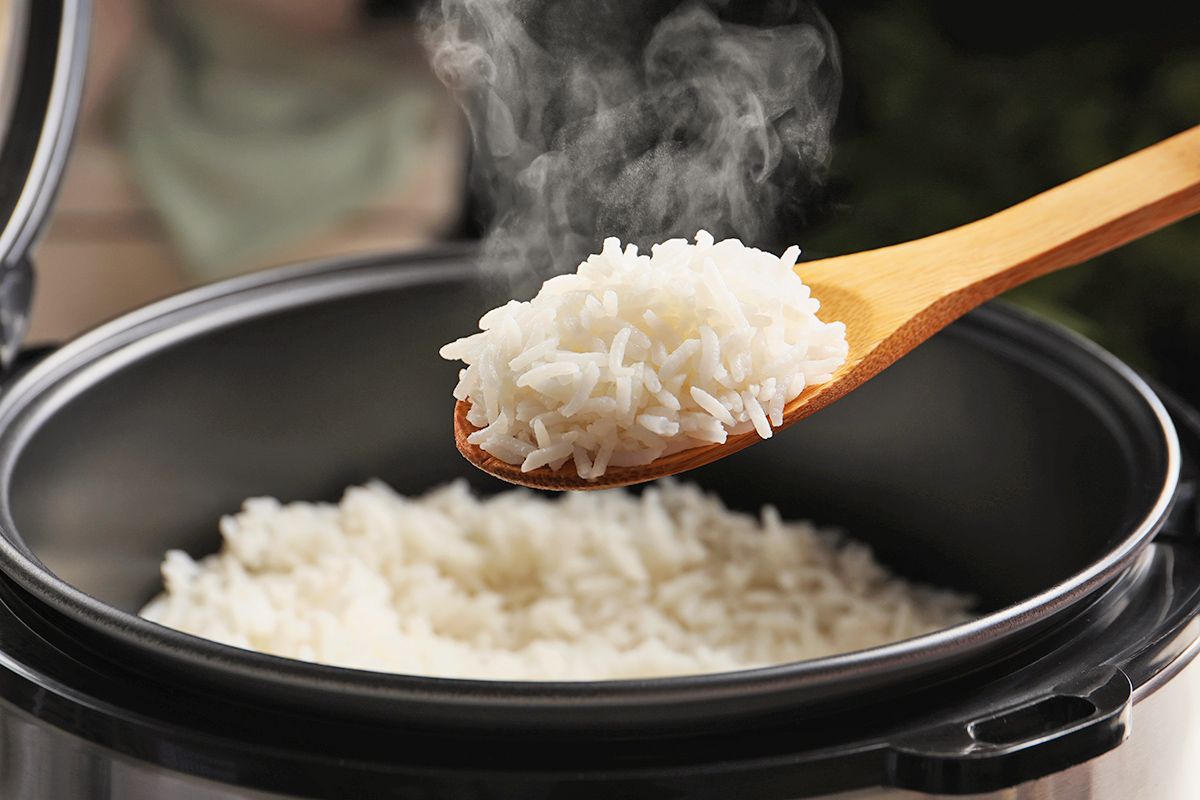
Rice and most other grains don’t lend themselves to slow cookers, at least not when prepared alone. Rice doesn’t need that long to cook, and it tends to become a gummy mess in the slow cooker. The grain is better suited for casseroles where it’s dispersed through the sauce, or in savory rice porridge (such as congee or jook), where the rice is supposed to break down. Otherwise, you’re better off using a rice cooker or a pot on the stovetop to cook rice and other grains like farro, quinoa, buckwheat, or barley.
More from our network
House Outlook is part of Inbox Studio, which publishes content that uplifts, informs, and inspires.


Dried Kidney Beans
Dried beans and slow cookers are a perfect match; in fact, the original slow cooker (the Naxon Beanery) was marketed specifically as a bean pot. So go ahead and keep using it for baked beans, or as a low-stress way to prep chickpeas or pinto beans for your favorite recipes.
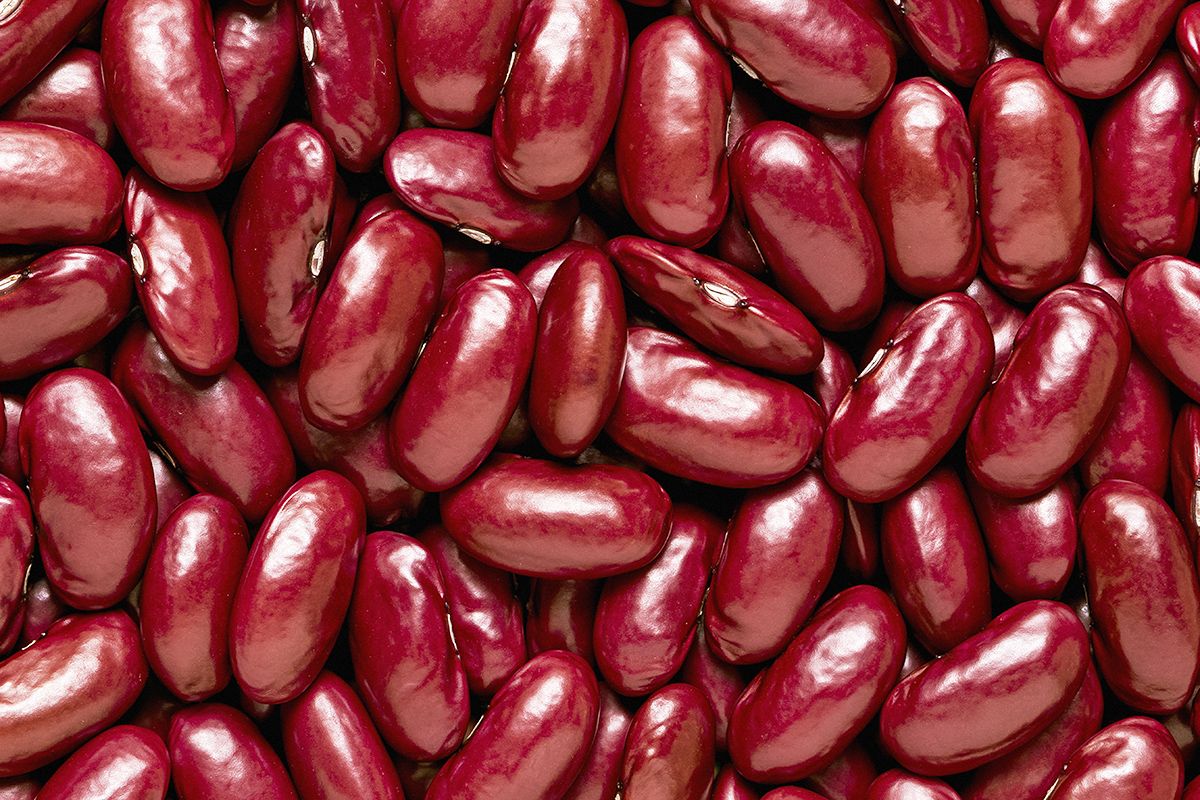
But there’s one kind of bean you should avoid preparing this way: Raw kidney beans contain a tongue-twisting toxin called phytohaemagglutinin (PHA), which can cause nasty bouts of nausea, abdominal pain, diarrhea, and vomiting. So if you plan to make a batch of your famous chili in the slow cooker, soak the kidney beans first and boil them for at least 30 minutes — or use canned beans instead.
Dairy Products
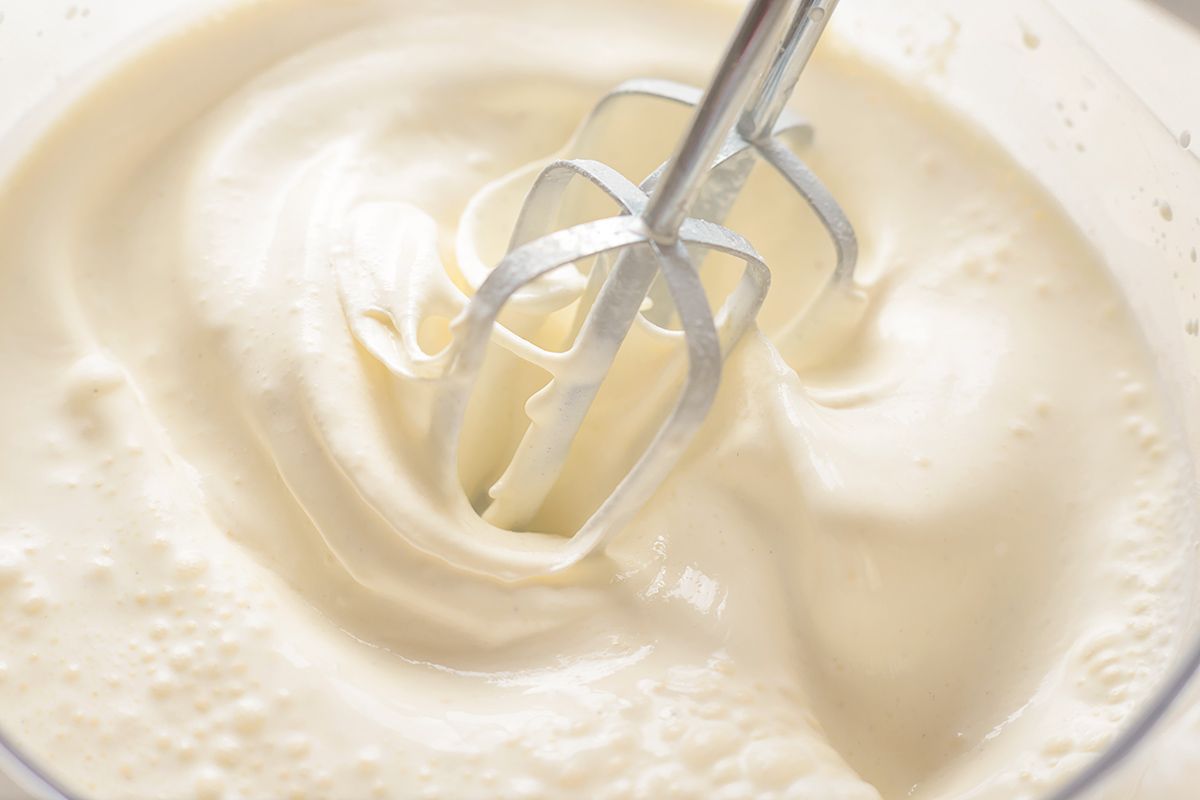
Watch out for this one if you’re adapting an oven casserole to the slow cooker. Milk and cream are likely to curdle when exposed to low heat over time, separating into thin, watery whey and grainy lumps of protein. The same is true of most cheeses if they’re added at the beginning of your cooking time.
The solution is to prepare your dairy-based sauce on the stovetop before adding it to the slow cooker. The thickening ingredients used in many casserole recipes (usually flour or cornstarch) help stabilize the dairy and keep it from separating.
Good Steaks or Chops
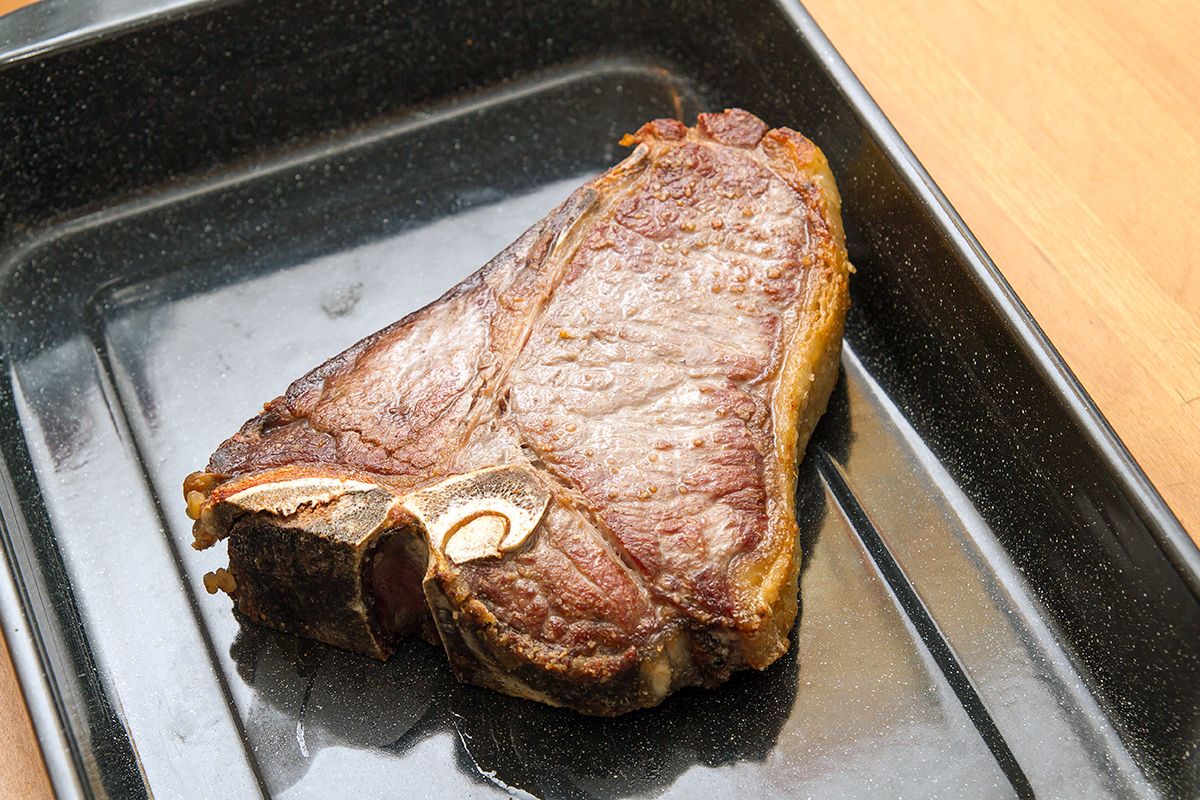
Your slow cooker is a natural place for tough “marinating” steaks, such as chuck steak, but it’s not ideal for premium cuts like strip steaks, rib eyes, and T-bones. The same goes for the comparable pork or lamb chops. Low and slow heat breaks down the tough connective tissues in cheaper cuts until they’re fall-apart tender. With pricier cuts that are tender and juicy to begin with, you’re better off grilling or broiling them.
Pasta
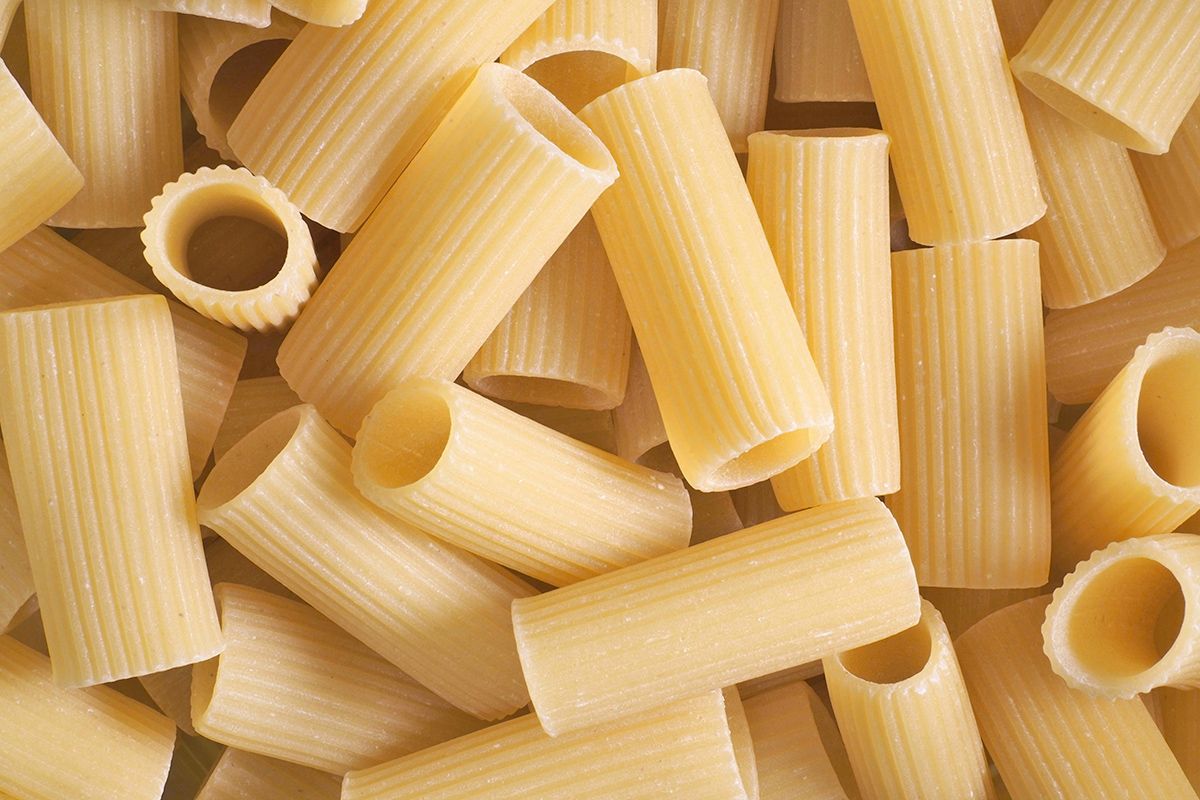
Like rice, pasta is a quick-cooking ingredient, sometimes taking only a few minutes depending on its shape and thickness. That makes it a poor choice for the slow cooker, where it’s likely to become mushy and gummy. If you’re craving an easy pasta dinner, there are a few specific cases — like slow cooker lasagna — where the recipes are designed to stand up to prolonged heat.
Mollusks and Crustaceans
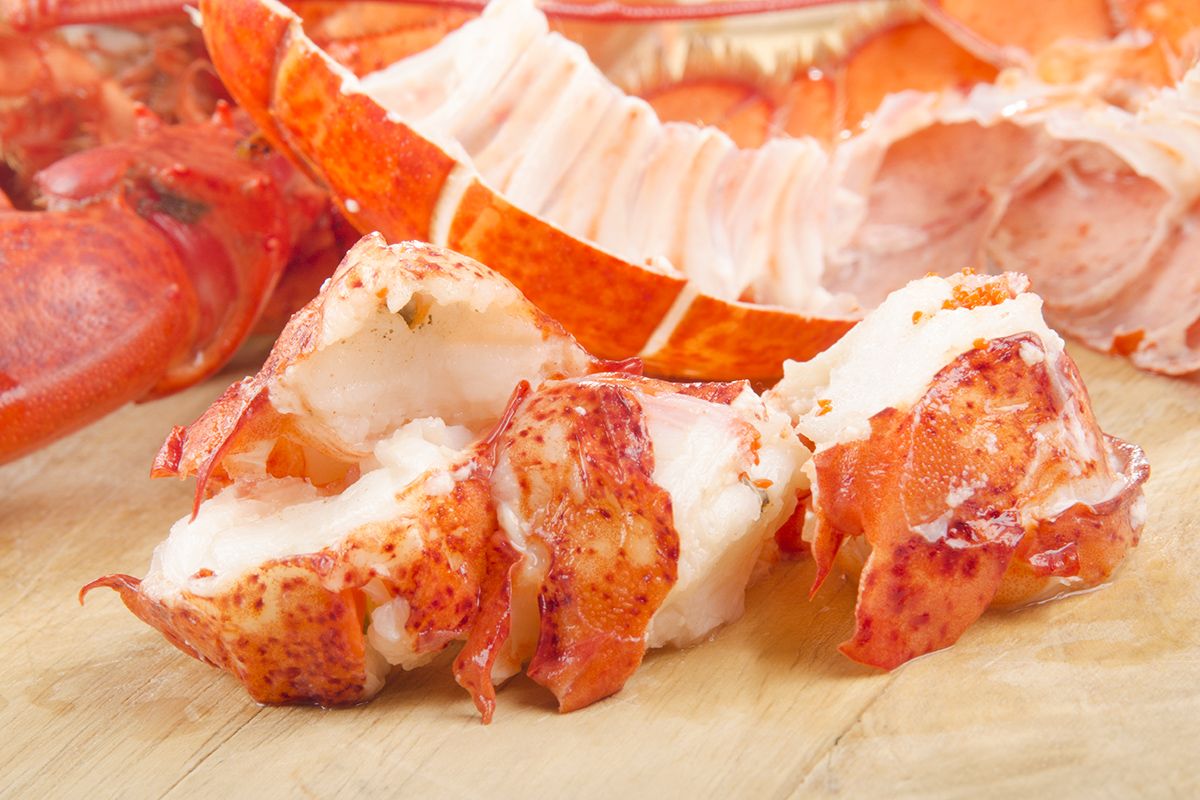
As mentioned above, most fish is unsuitable for slow cooking because of how delicate it is. That goes double for mollusks and crustaceans, which can quickly go from tender and succulent to overcooked and rubbery. The rare exception is squid and octopus; they are both naturally tough and can benefit from a longer cook. For everything else in this category (shrimp, clams, oysters, crab, lobster), a quick cooking method is your best bet.
Frozen Meats and Poultry
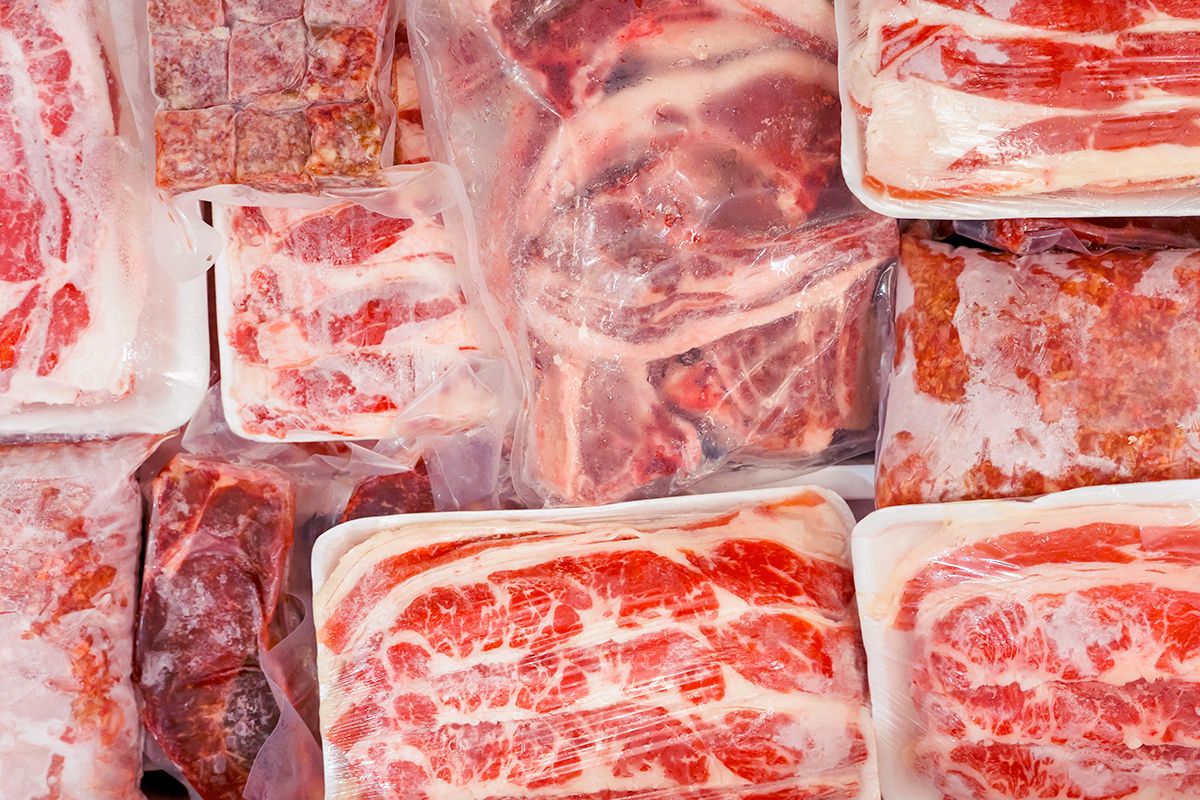
In most cases, it’s fine to take meat or poultry straight from the freezer to your oven, air fryer, or Instant Pot. It will need to cook a little longer, but it’s an easy adjustment to make. Sadly, that’s not the case with your slow cooker.
Because your slow cooker uses low heat, it can take several hours to reach a food-safe temperature. Until then, the appliance’s warm, moist conditions create an ideal environment for bacterial growth. That creates an unacceptably high risk of food poisoning, which could put a damper on your meal plan. So be patient and thaw your meat in the fridge first.
Leftovers
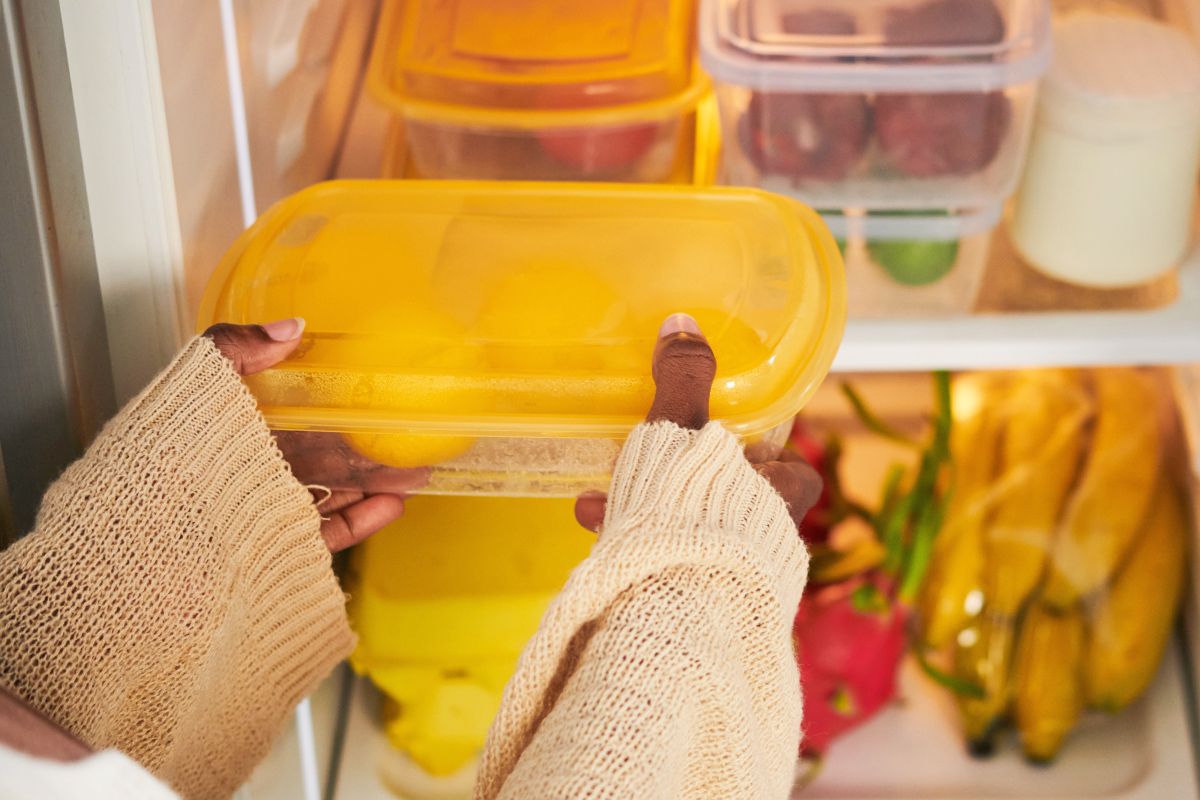
Leftovers are especially problematic in the slow cooker. Once food is cooked, it should never spend more than two hours in the food-safety “danger zone” between 40 and 140 degrees Fahrenheit, where bacterial growth is rapid. If it’s a hot day of 90 or more, anything over one hour is risky.
So if your food sat for an hour after it was originally cooked, its additional safe time at room temperature is now one hour or less. With slow cookers taking hours to come up to a safe temperature (165 degrees Fahrenheit or higher, for leftovers), you’ll be out of time well before your leftovers are hot and ready to eat.
Anything Breaded or Battered
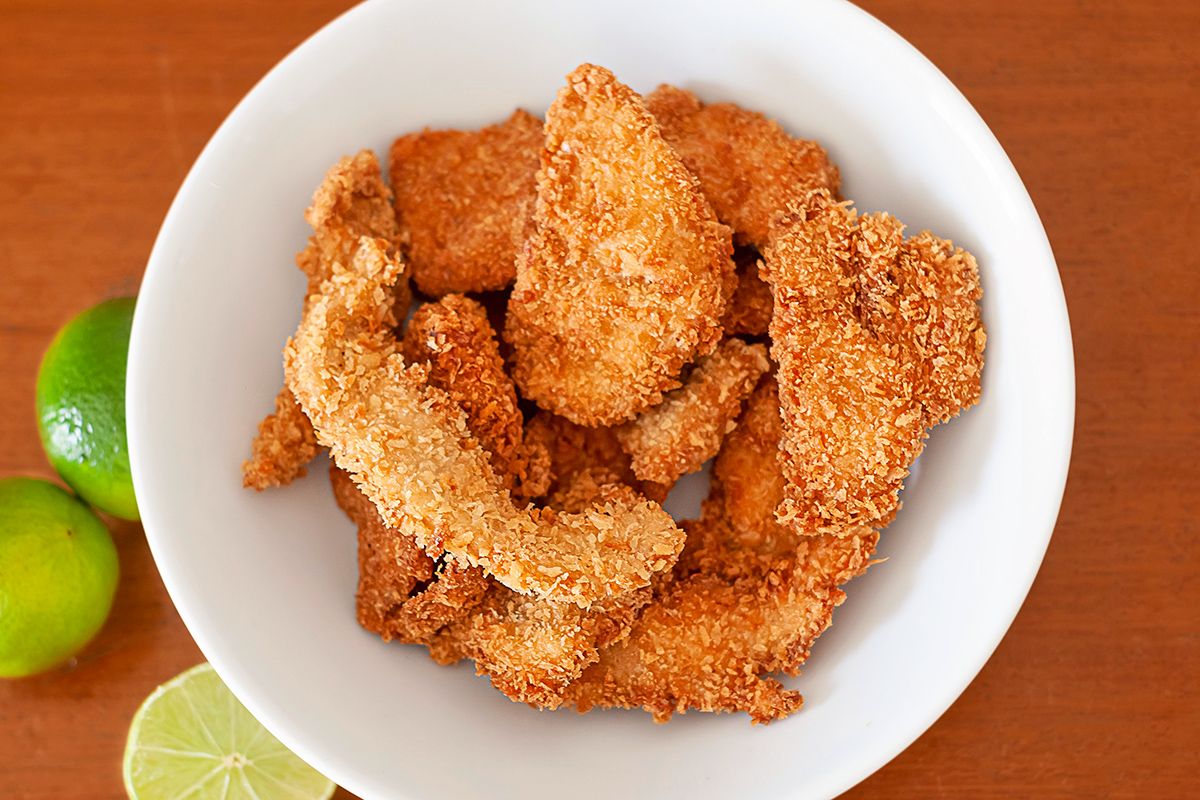
You won’t find many recipes that call for breaded or battered foods to be made fresh in your slow cooker — and for good reason. The slow cooker’s moist, gentle heat is the absolute worst environment for anything that needs to be crisp or browned.
Browning results from the Maillard reaction, which happens when relatively dry ingredients meet high heat. So skip the Crockpot when heating up frozen fish sticks or chicken fingers and break out your air fryer or toaster oven instead.
Lean Meats
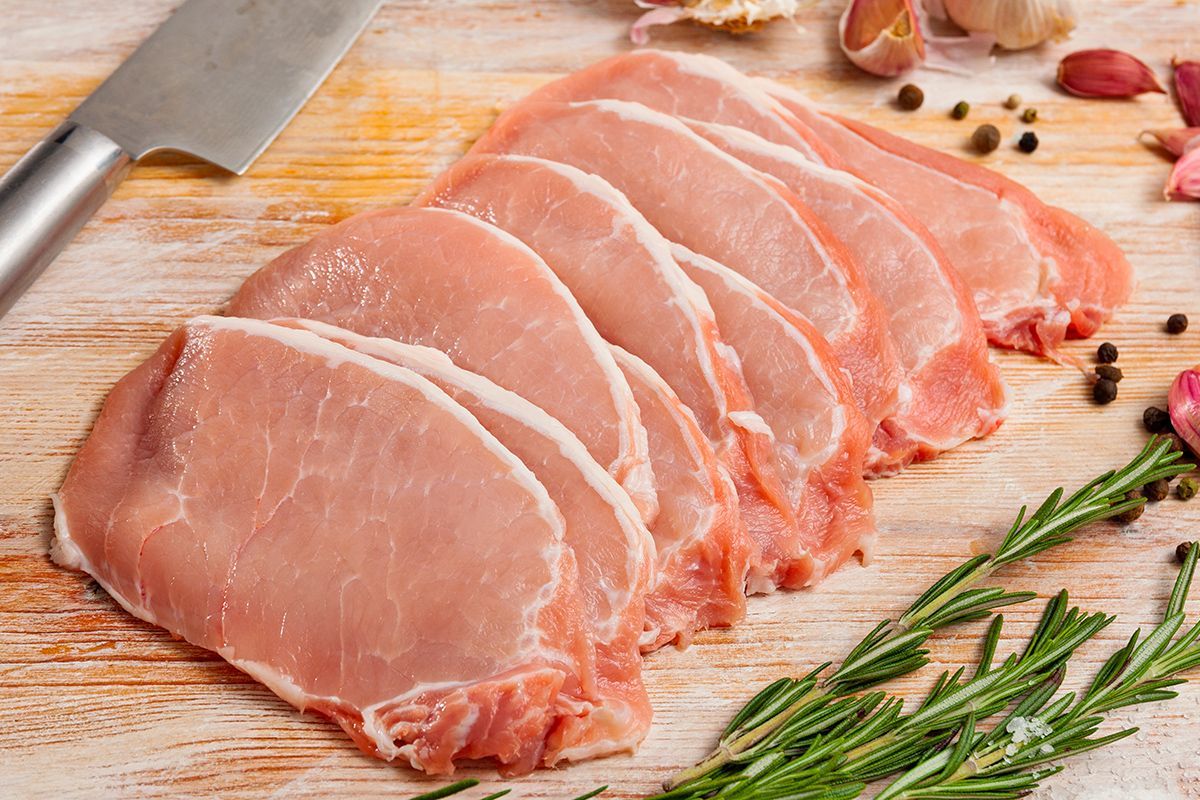
The best cuts of meat for slow cooking are relatively tough pieces with lots of long muscle strands, plus some gristle and fat. Long, gentle cooking softens the gristle and turns it into collagen, which is what gives pot roast its silky texture. The fat mostly renders out, so you can skim the excess from the cooking juices. What’s left helps keep the meat luscious and juicy.
Lean meats like chicken breast, or pork loin and tenderloin, tend to shrink and dry out when slow cooked. You’re usually better off finding a different cooking method for those. A few lean cuts of beef — like flank steak, or round steaks and roasts — can work in the slow cooker because they’re dense and will retain some connective tissue. But they still benefit from being cooked in some kind of sauce or liquid, as the added moisture keeps them from feeling dry in your mouth.
Anything Delicate and Leafy
Slow cooker recipes tend to include hardier vegetables such as carrots, parsnips, and potatoes. They’re less likely to feature more delicate leafy greens, as they require far less cooking time than the rest of the meal. If you’re going to cook chard or spinach in your slow cooker, it’s best to add it within the last hour of the recipe so it doesn’t turn to mush. With delicate fresh herbs, even an hour is too long; they’re best added within the last 15 minutes or so before serving. Otherwise, their bright flavors become muted.
If you want greens that will hold up in the slow cooker, cabbage is the all-time champion. Kale and collards are also sturdy, so consider swapping them in when adapting recipes that call for spinach or chard.