Here’s what’s costing you money if you’ve been skipping these essential cleaning tasks.
1. Your Dryer Vent
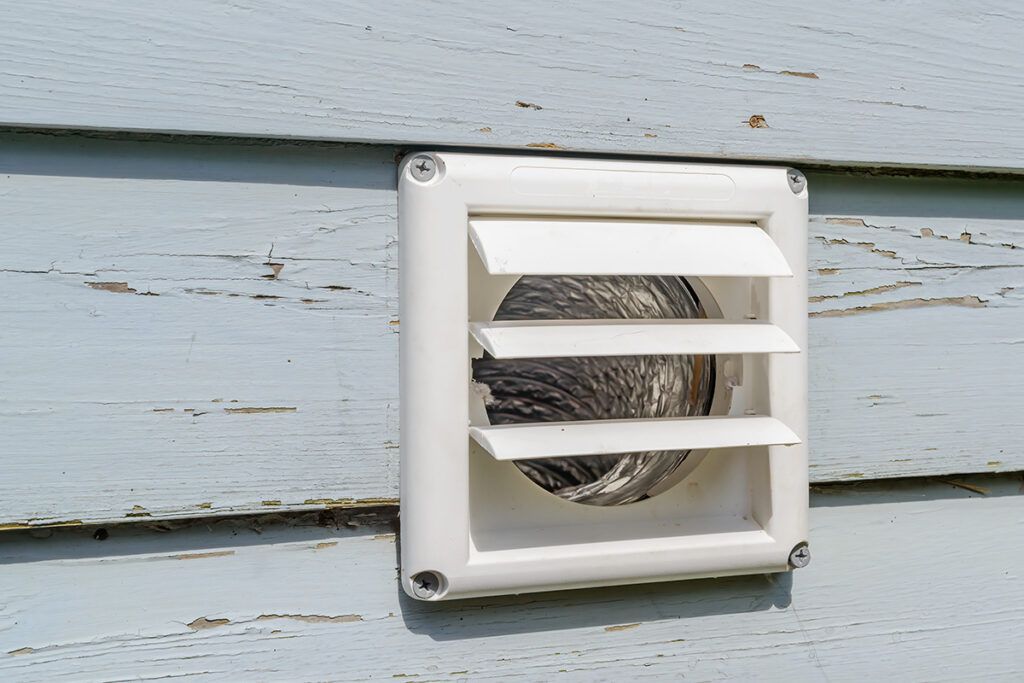
Lint traps catch most debris, but not all. The rest builds up in the exhaust duct, forcing your dryer to work harder to push air out — resulting in longer cycles, higher energy bills, and a motor that wears out faster than it should. The National Fire Protection Association also lists dryers and washing machines as leading sources of home fires, with failure to clean out lint being the leading culprit.
At least once a year — or every six to nine months if you have pets — disconnect the flexible hose connecting the dryer to the wall. Then, use an electric leaf blower to blast trapped lint through the exhaust duct (the permanent pipe that vents hot air and moisture outside). If your setup is hard to access, hire a professional to clean the ducting for you.
More from our network
House Outlook is part of Inbox Studio, which publishes content that uplifts, informs, and inspires.





2. Refrigerator Coils
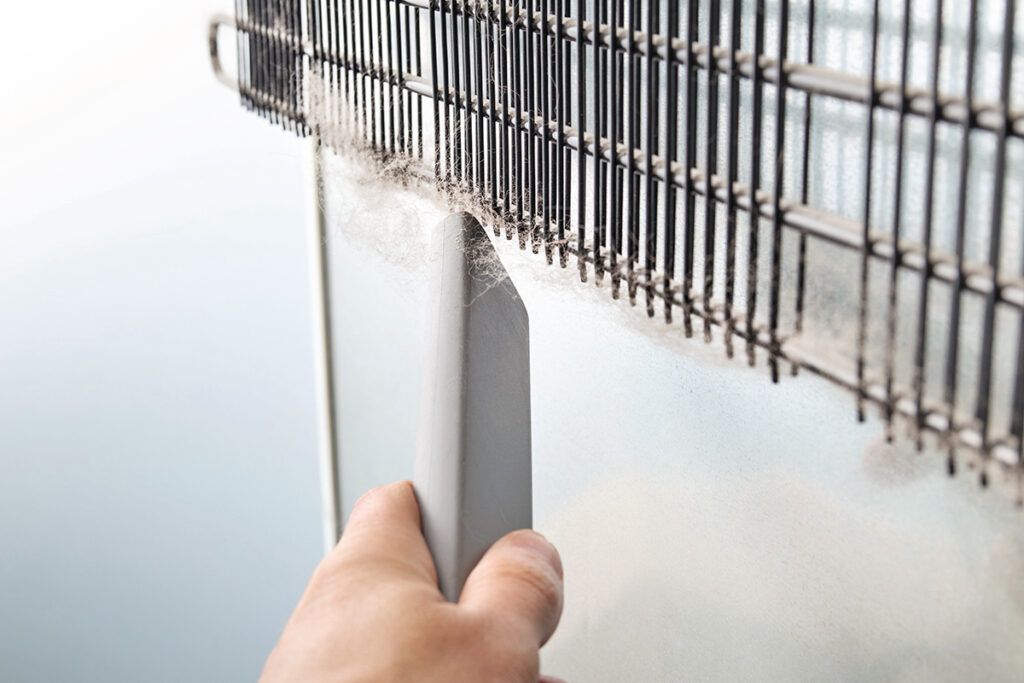
Those coils on the back or bottom of your fridge are designed to release heat. When they’re caked in dust and pet hair, the compressor has to run longer to keep food cold, spiking your energy bill every month and shortening the lifespan of your appliance. To clean the coils, unplug the fridge, pull it forward, and pop off the bottom toe grille or rear panel if needed. A quick pass with a vacuum attachment or a coil cleaning brush once or twice a year is all it takes to keep your appliance running smoothly. For more detailed instructions, check out our hack on cleaning condenser coils.
3. HVAC Filters
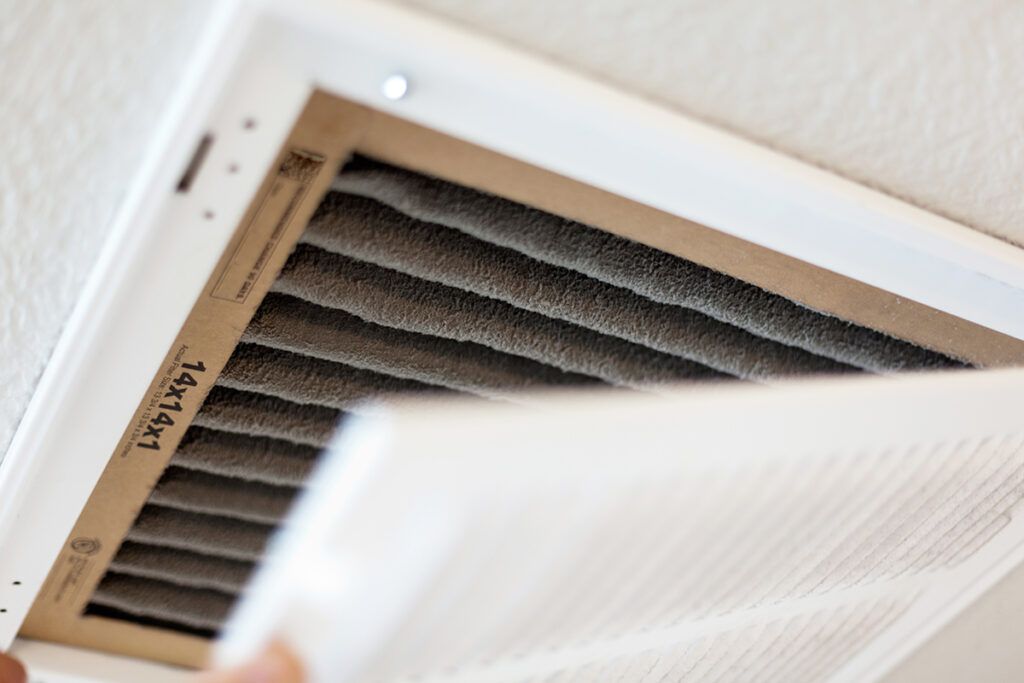
Air filters are cheap and take about 30 seconds to swap, but neglecting them gets pricey fast. A clogged filter restricts airflow and forces your system to work harder, driving up utility bills and shortening the lifespan of a unit that costs thousands to replace. Check the filter monthly and replace it every 60 to 90 days — or sooner if you have pets.


4. Gutters
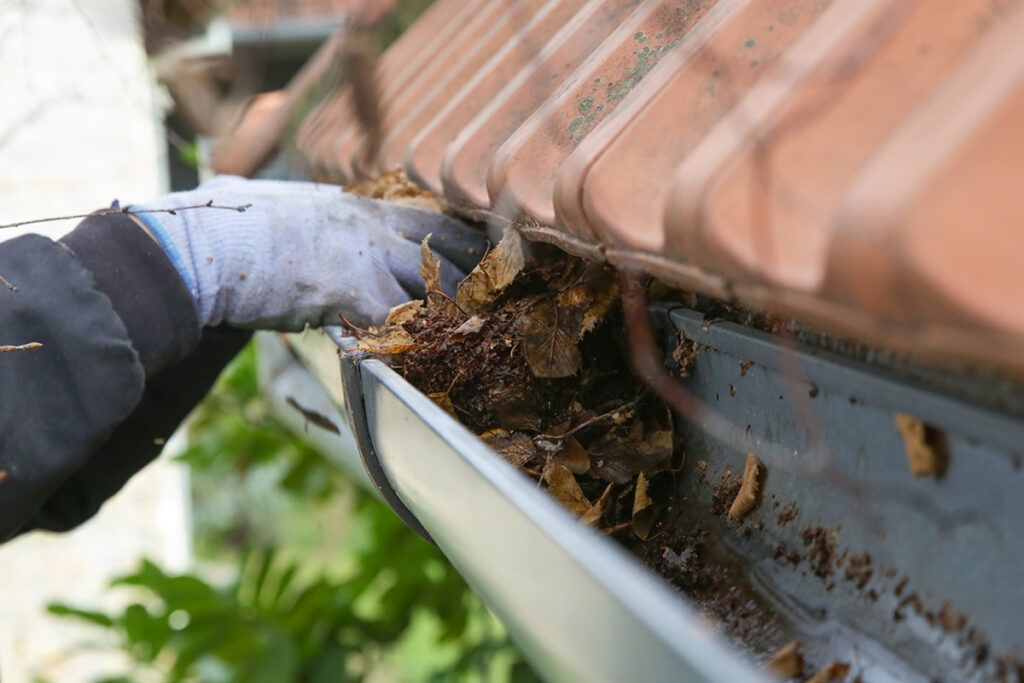
Clogged gutters don’t just look messy — they send water pouring down the side of your house instead of away from the foundation. Over time, that pooling water leads to rotting fascia boards, basement leaks, and foundation cracks. Those repairs run into the thousands, compared to an afternoon spent with a ladder and a pair of gloves. Clean out your gutters twice a year — typically in late spring and late fall — or more often if you have a lot of trees nearby.
5. Water Heater Sediment
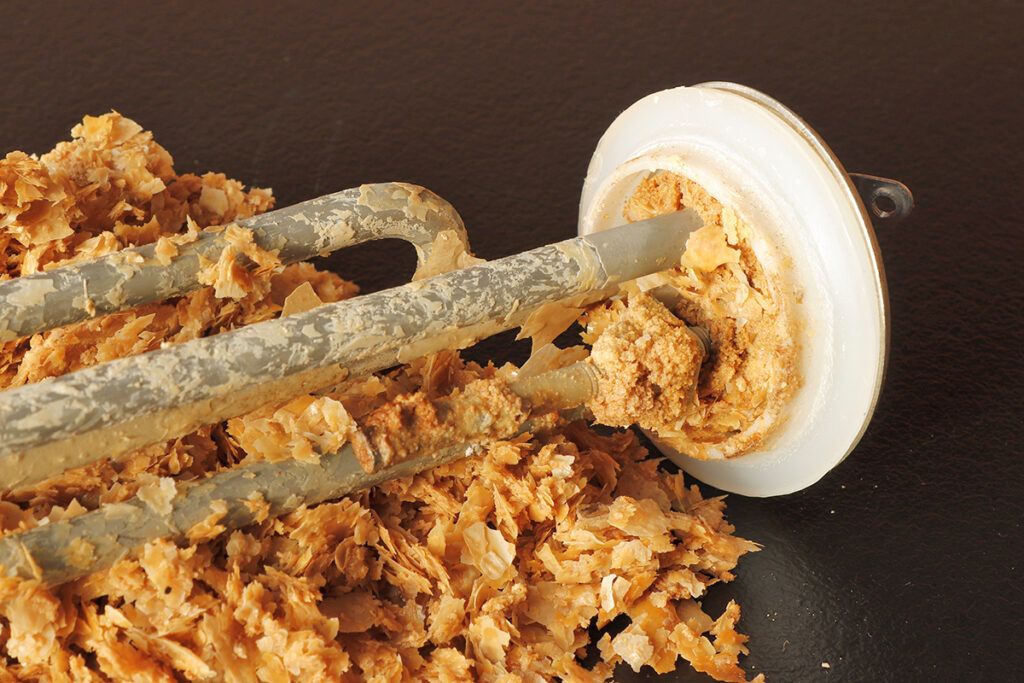
Most people ignore their water heater until their hot shower suddenly turns icy. But year after year, mineral sediment collects at the bottom of the tank, creating an insulating layer that forces the unit to work overtime to heat the water. Flushing the tank every six months helps clear out that buildup, keeps energy costs low, and extends the life of an expensive appliance.
6. Range Hood Filters
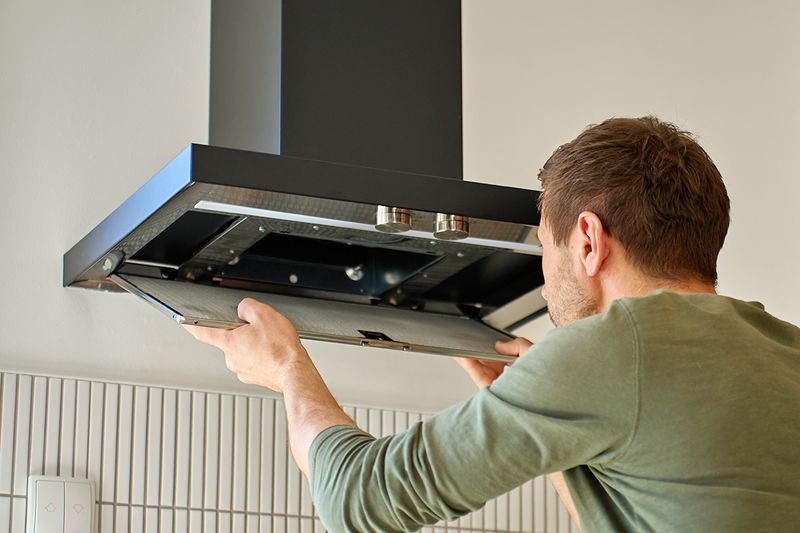
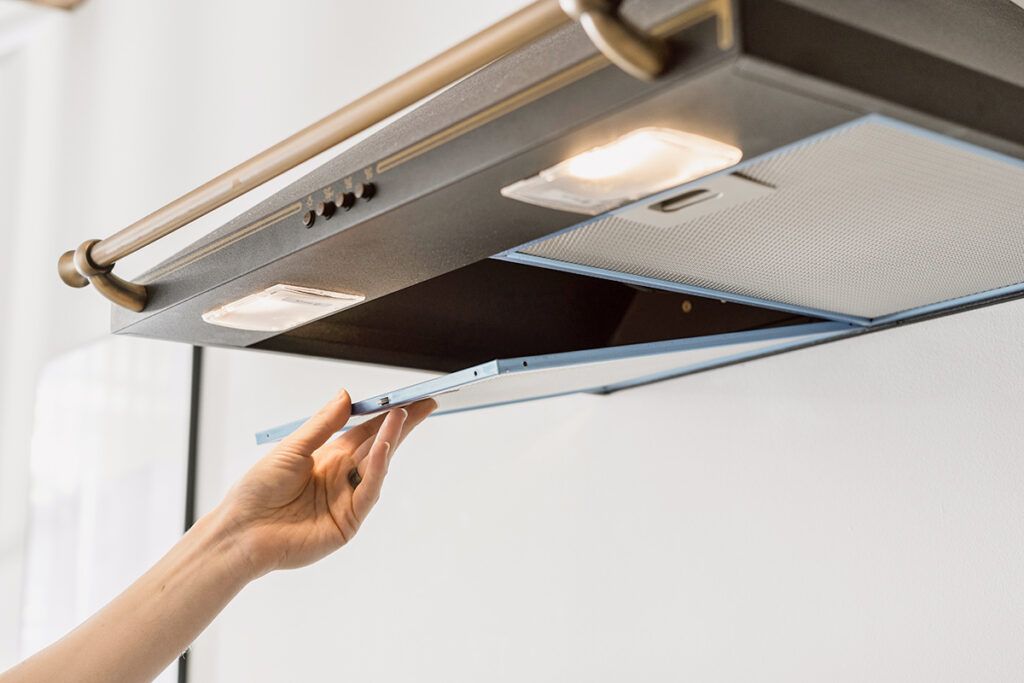
Grease coats the mesh filters above your cooktop faster than you’d expect. When they get clogged, your hood can’t properly vent smoke, steam, or heat out of the kitchen. Heavy grease buildup near a heat source is also a fire hazard, which is another reason to clean the filters regularly. Most metal filters are dishwasher-safe, or you can soak them in hot water with dish soap every few months to dissolve the grease.
7. Weather Stripping Around Doors and Windows
Gaps around doors and windows let heated or cooled air escape, forcing your HVAC system to compensate by running more. Sealing those gaps is one of the cheapest fixes on this list — a roll of rubber or foam weather stripping costs only a few dollars — yet most people don’t notice worn seals until they feel a draft walking past an exterior door. Inspect weather stripping twice a year, ideally before extreme temperatures arrive. Replace it entirely every three to five years, or sooner if needed.

8. Garbage Disposal
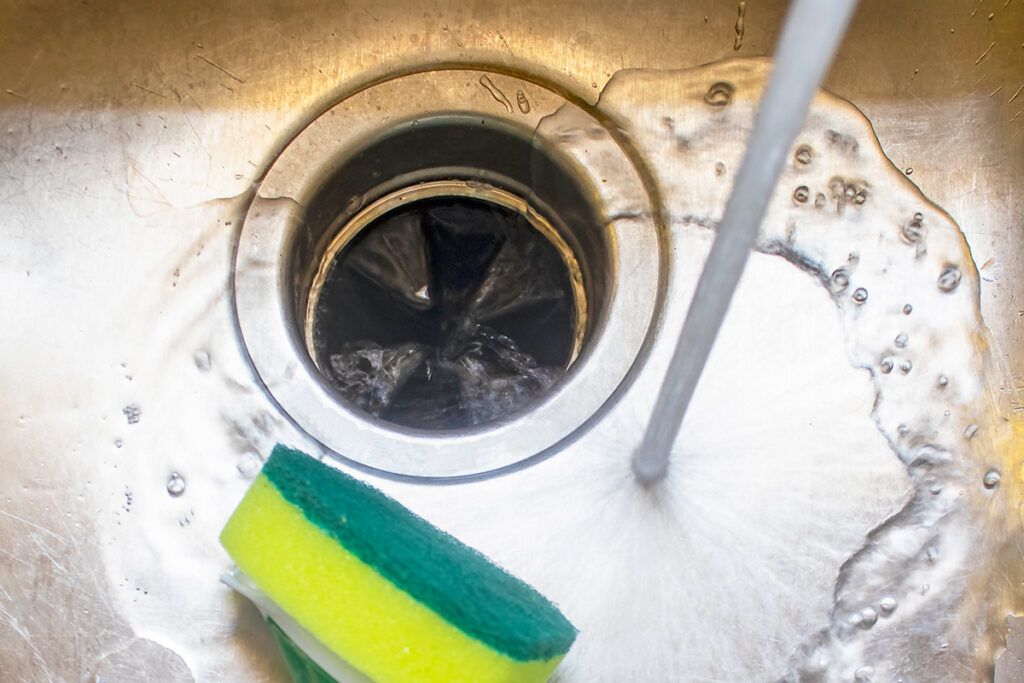
Skip cleaning your disposal, and a foul smell will be the least of your problems. Food residue and grease build up in the grinding chamber over time, locking in odors and increasing the odds of a jam. Running a handful of ice cubes through it once a month helps loosen buildup. Follow that with a squirt of dish soap and a cold water flush to rinse everything away.
9. Ceiling Fan Blades
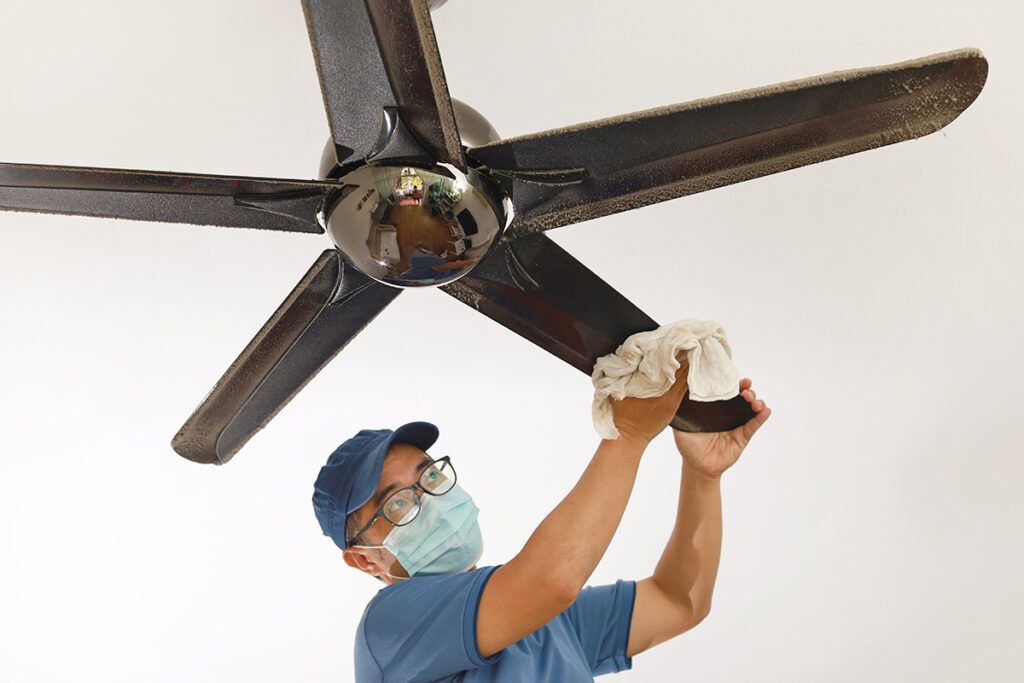
Ceiling fans have a way of collecting dust where nobody looks — right along the tops of the blades. Switch the fan on after months of neglect, and that layer of dust gets flung across the room instead of staying put. Wiping the blades with a damp cloth or microfiber duster every month or two keeps dust from circulating through your home. Skipping this task can strain your HVAC system by clogging air filters with dust, prompt you to rely on air conditioning over an energy-efficient ceiling fan, or force the fan motor to work harder under the weight of caked-on dust.
None of these chores is particularly exciting, which is probably why they’re so easy to overlook. But spending a few minutes on them today is far cheaper than paying someone hundreds — or even thousands — to fix preventable damage down the road.