Here are 12 surprising money drains many homeowners and renters overlook, and how to cut those costs.
1. Phantom Power From “Off” Electronics
You might think a TV that’s turned off isn’t costing you anything, but that’s not true. Many devices continue to use electricity even when they are switched off — a phenomenon known as “phantom” or “vampire” power. Plugged‑in chargers, gaming consoles, cable boxes, and even coffee makers with LED clocks draw energy 24/7. These phantom loads can account for as much as 5% to 10% of a household’s total energy use, according to AP News, adding roughly $100 to $200 per year to utility bills.
The Fix: Plug electronics into smart power strips and switch them off at night or when they aren’t in use.

2. A Second Fridge or Freezer You Forget About
Extra refrigerators or freezers in the garage or basement might seem convenient, but older units — especially those without Energy Star certification — can use significantly more power than your main fridge. Many people forget to unplug these secondary units even when they’re empty.
More from our network
House Outlook is part of Inbox Studio, which publishes content that uplifts, informs, and inspires.



The Fix: Assess whether you actually need the extra storage. If you do, consider replacing it with a mini fridge or a modern, energy‑efficient model.
3. Hot Water Heater Set Too High
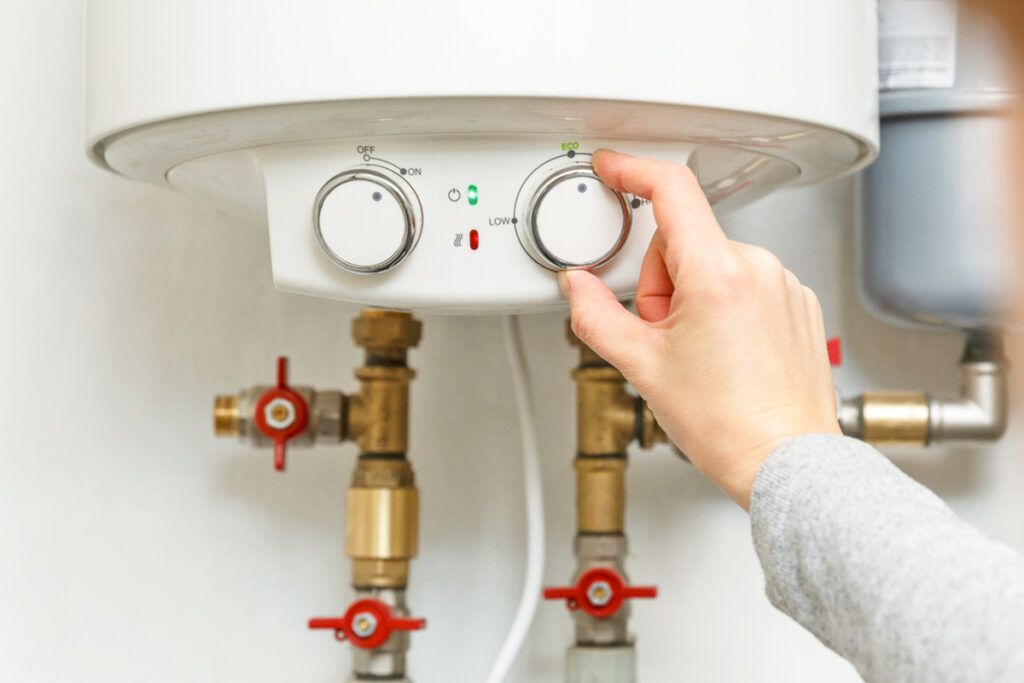
Your water heater uses energy every time it reheats water. If it’s set above 120 degrees Fahrenheit, you’re wasting energy, paying for heat you never use, and posing a scalding risk to your household. (Most appliances are factory-set to 140 degrees Fahrenheit, so it’s worth checking the thermostat dial.) A lower, optimal setting — 120 degrees Fahrenheit is considered the “sweet spot” — still provides comfortable hot water while cutting energy consumption. According to the U.S. Department of Energy, lowering your water heater from 140 to 120 degrees Fahrenheit can save households more than $400 per year.
The Fix: Dial your water heater down.
4. Poor Insulation and Drafts
Invisible drafts around windows, doors, and attic hatches allow conditioned air to escape, forcing your HVAC system to work overtime. Even small gaps in ductwork add to bills dramatically.
The Fix: Add or replace worn weather stripping, seal gaps with caulk, and insulate attic or crawl spaces where feasible.
5. Leaky Faucets and Toilets
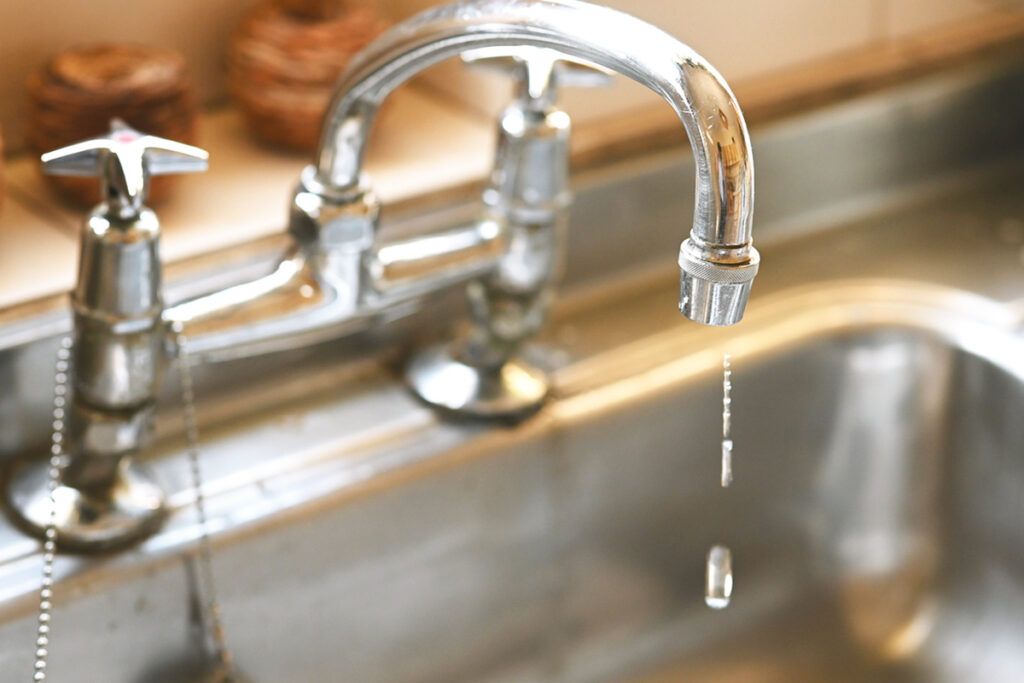
A dripping faucet or a silently running toilet doesn’t just waste water — it raises your water and sewer bills, too. If that leaky faucet is on the hot water side, you’re also paying to heat water that is literally going down the drain. Those tiny drips add up over time, turning a minor annoyance into an unnecessary expense.
The Fix: Replace worn washers, seals, or entire fixtures. Installing low‑flow aerators and dual‑flush toilets can also cut water waste significantly.
6. Running Appliances Half‑Empty
Modern dishwashers and washing machines often have sensors to adjust for smaller loads, but they are still most efficient when packed to capacity. To get the most bang for your buck, consider running fewer, fuller cycles.
The Fix: Only run these appliances when they’re fully loaded, and wash clothes in cold water when possible to maximize your savings.
7. Multiple Streaming Services or Subscriptions You Don’t Use
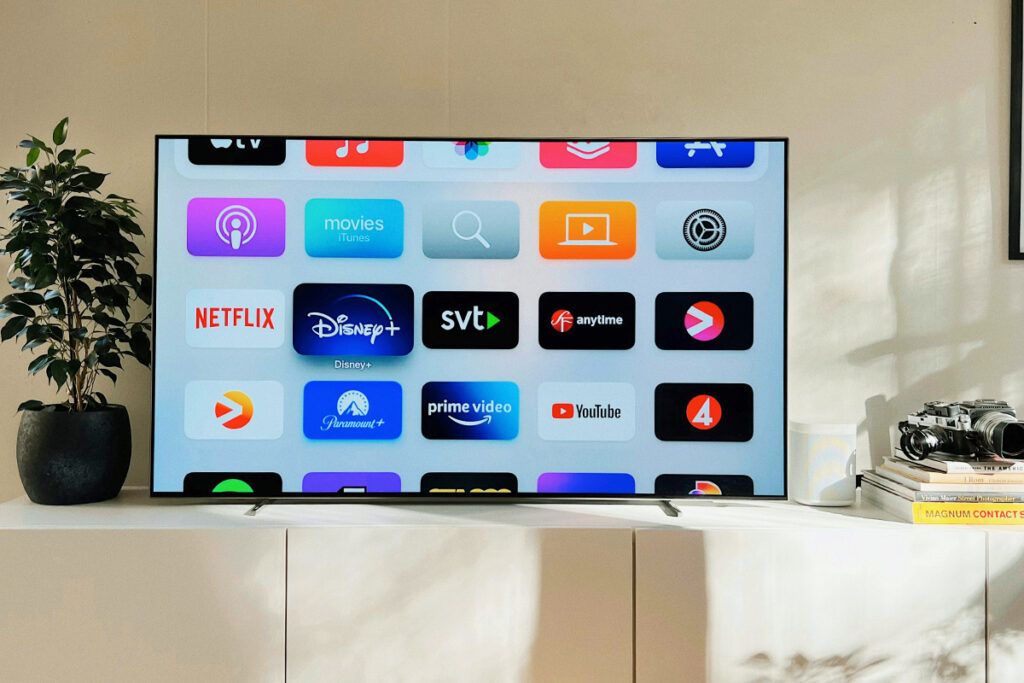
It’s easy to rack up subscriptions to streaming platforms, apps, and premium services during free‑trial periods and forget to cancel. What starts as a small $5 to $10 monthly fee can quickly add up to hundreds of dollars a year in forgotten expenses. According to a recent CNET survey, Americans spend an average of $1,080 per year on subscriptions — roughly $200 of which goes toward services they don’t even use.
The Fix: Review all recurring charges quarterly. Cancel anything you haven’t watched or used in 30 days and consider switching to shared family plans where possible to lower the cost per person.
8. Energy Inefficiencies in the Kitchen
Major appliances such as dishwashers, ovens, and refrigerators draw more power when they are dirty, poorly maintained, or improperly set. When fridge coils are covered in dust or dishwasher filters are clogged, the machines are forced to work harder — using more electricity while delivering poorer results.
The Fix: Clean refrigerator coils quarterly, clear out dishwasher filters once a month, and utilize “eco” settings where available on dishwashers and ovens to conserve energy.
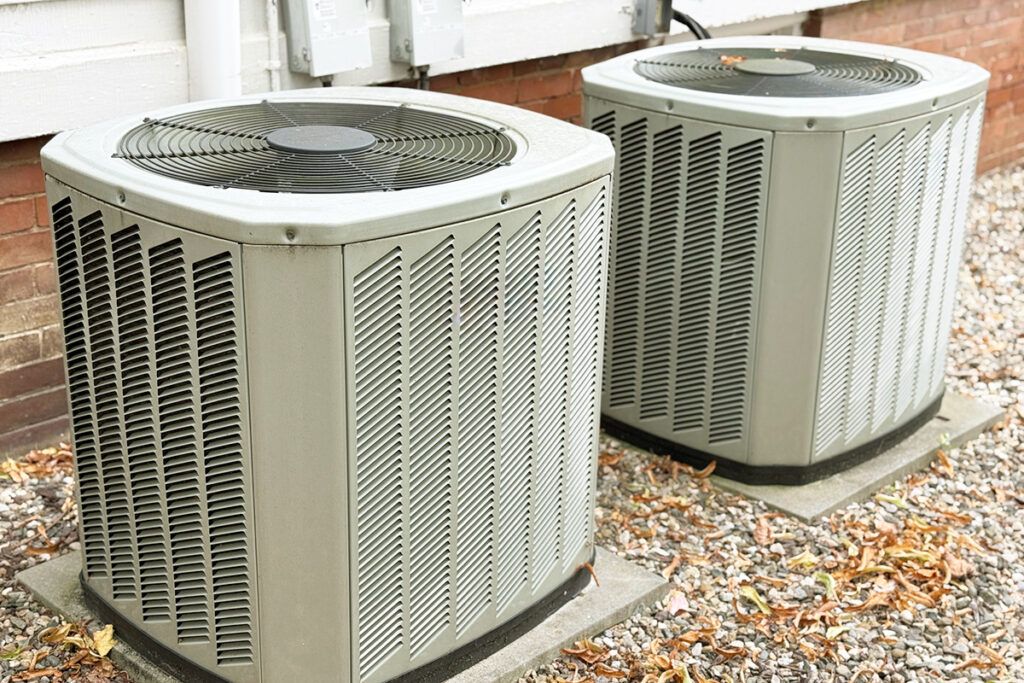
9. Running HVAC Around the Clock
According to the U.S. Department of Energy, heating and cooling usually accounts for half of your monthly energy costs, making constant operation a major drain on your wallet. Adjusting your thermostat by 7 to 10 degrees Fahrenheit for eight hours a day can lower your bill by as much as 10% annually.
The Fix: Install a programmable thermostat and set seasonal schedules to automate your savings. In winter, aim for cooler temperatures when you’re away; in summer, raise the thermostat a few degrees when sleeping.
10. Neglected Air Filters
Dirty HVAC filters restrict airflow, forcing your system to work harder and stay on longer to reach your desired temperature. This inefficiency can show up on your bill and even damage your system, leading to expensive repairs that could have been avoided.
The Fix: Replace or clean filters every 30 to 90 days, depending on how often the system runs and whether you have shedding pets in the home.
11. Time‑of‑Use Costs and Peak Demand Charges
In some regions, electricity prices fluctuate depending on the time of day. Running high‑energy appliances during “peak hours” (typically late afternoon through early evening) can cost more than using them at off‑peak times.
The Fix: Check if your provider uses time-of-use pricing. If so, shift laundry, dishwashing, and EV charging to late evenings or early mornings to take advantage of the lowest rates. Many modern appliances also have “delay start” features to make adjusting your energy use easier.
12. Ignoring Small but Consistent Habits
Tiny habits — such as leaving exterior lights on all night, keeping curtains open on hot summer days, or letting your bathroom exhaust fan run for hours — may seem inconsequential. But cumulatively, they add a surprising amount to your monthly expenses.
The Fix: Use timers or motion sensors for outdoor lighting, draw curtains during peak sunlight hours in the summer, and run exhaust fans for only 20 to 30 minutes after a shower.