1. Replace Your Showerhead
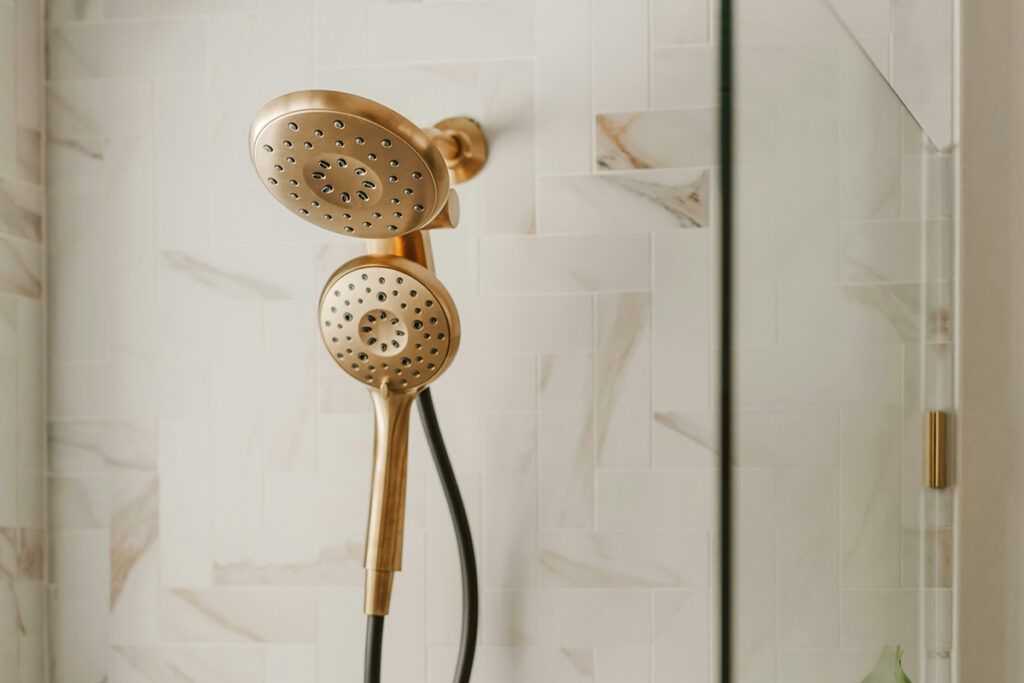
Older showerheads are water hogs, often using far more water than people realize. Switching one out for a water efficiency-labeled model is quick and easy, and it cuts water use every time someone showers.
Look for a flow rate of 2 gallons per minute or less, which is the maximum allowed for a certified WaterSense-labeled showerhead. And don’t worry — that doesn’t mean settling for a weak trickle that barely washes out your shampoo. Plenty of models offer strong spray settings at that flow rate.
2. Install Low-Flow Faucet Aerators
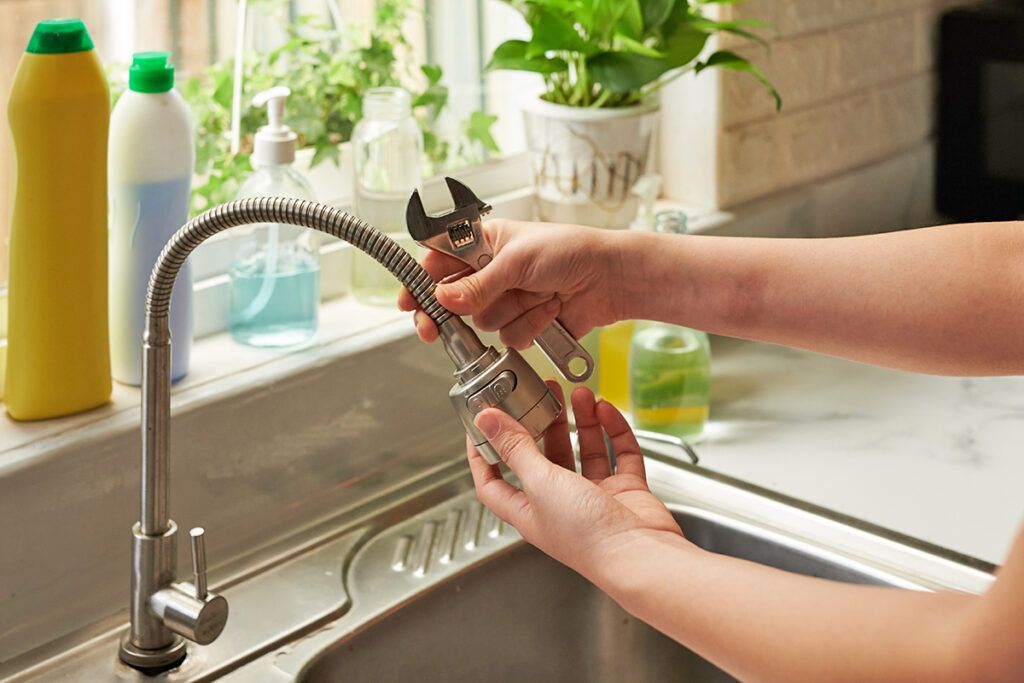
Bathroom and kitchen faucets can use more water than necessary. An aerator screws onto the faucet tip and mixes air into the stream, so you get enough flow for everyday tasks — like washing hands and dishes — while using less water overall.
Faucet aerators are inexpensive and take just a few minutes to install. Check the flow rate before you buy, since a kitchen faucet usually needs more force than a bathroom sink. If your house has several older faucets, swapping the aerators is one of the easiest ways to cut water use without replacing a single fixture.
More from our network
House Outlook is part of Inbox Studio, which publishes content that uplifts, informs, and inspires.


3. Upgrade Your Toilet
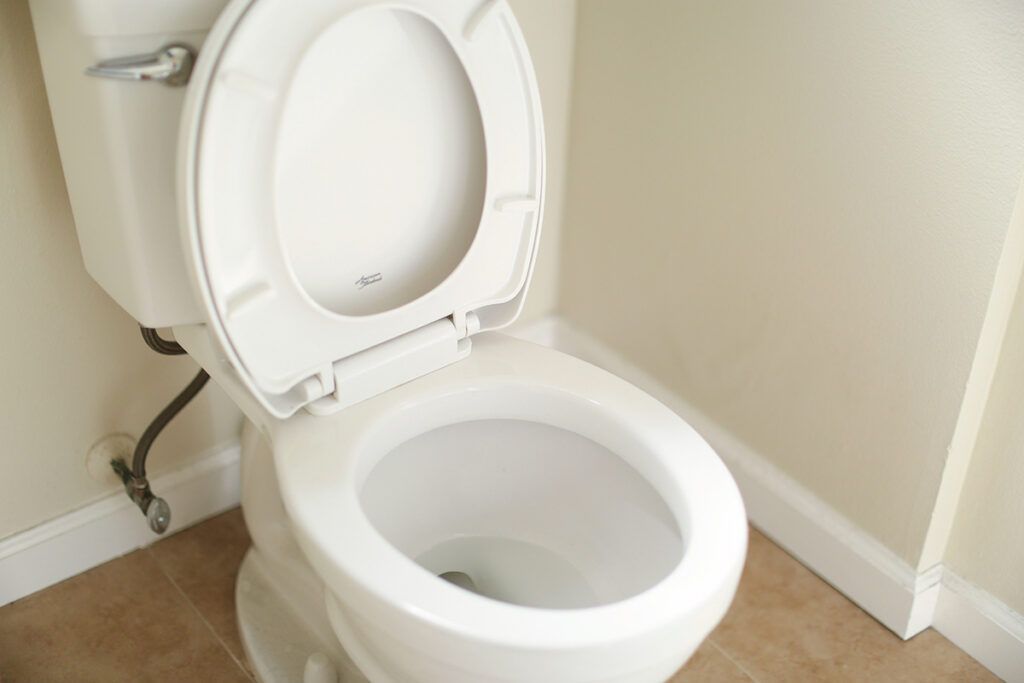
An old toilet can be the thirstiest fixture in the house. Models from a few decades ago often guzzle far more water per flush than what’s on the market now.
When it’s time to replace one, look for a WaterSense-labeled toilet. These use 1.28 gallons per flush or less and still meet performance standards for effective flushing. Replacing a toilet is more involved than changing a faucet aerator, but it’s worth doing if you’re already dealing with an aging unit, frequent clogs, or a leak. No need to wait for a full bathroom renovation if the toilet is on its way out.
4. Fix a Leaking Toilet
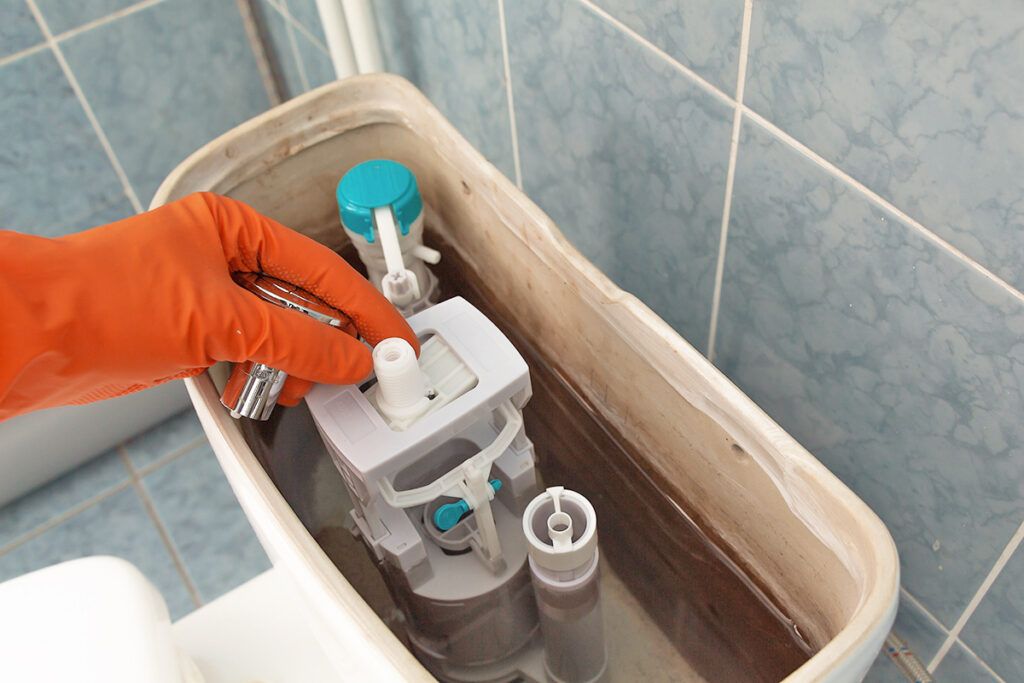
You don’t always need a new toilet to save water. A worn flapper or a faulty fill valve can waste water around the clock, even when nobody’s using the bathroom.Here’s a quick way to check: Drop some food coloring into the tank and wait about 10 minutes without flushing. If the color shows up in the bowl, you have a leak.
Replacing a flapper is usually inexpensive — just a few dollars if you DIY the project — and the part is easy to find at most hardware stores. If you don’t feel confident tackling this task yourself, call a plumber.
5. Choose a High-Efficiency Washing Machine
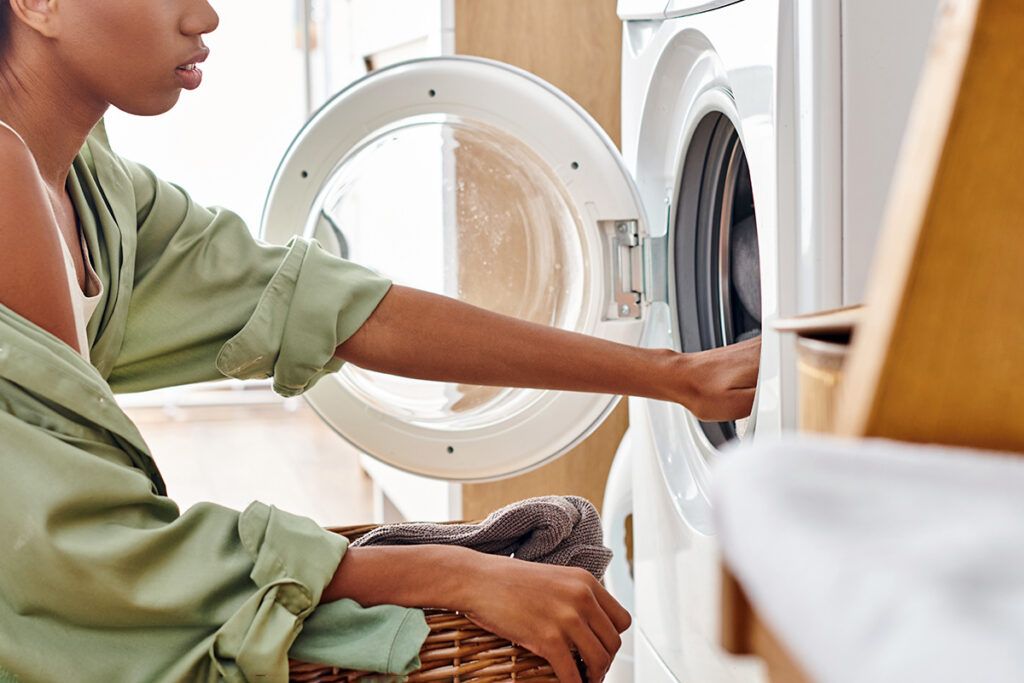
When your washing machine inevitably gives out, look at the water-use specifications before buying a replacement. High-efficiency models generally use much less water than older machines.
The real savings show up over time, since laundry is a weekly (if not daily) chore in most households. A machine that uses less water per load adds up without asking you to change your habits. Pay attention to capacity, too. A bigger household might need a larger washer, but there’s little reason to buy a machine that’s much larger than the loads you typically wash.
6. Switch to Drip Irrigation
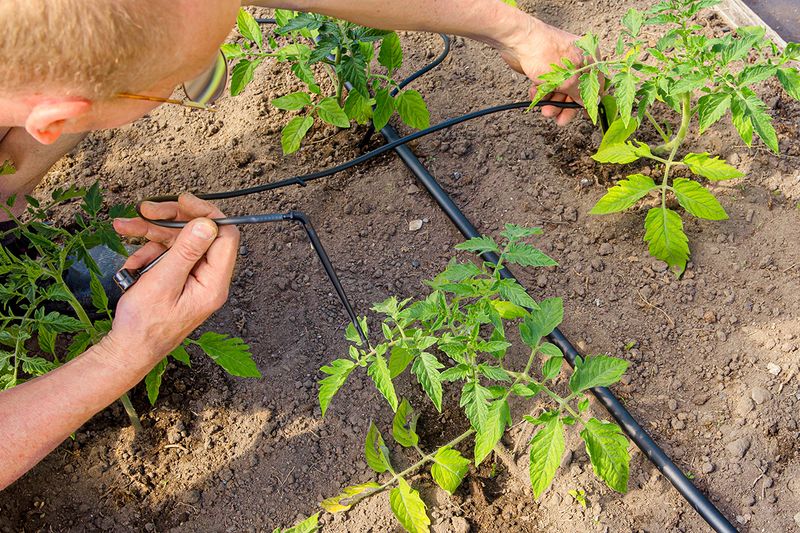
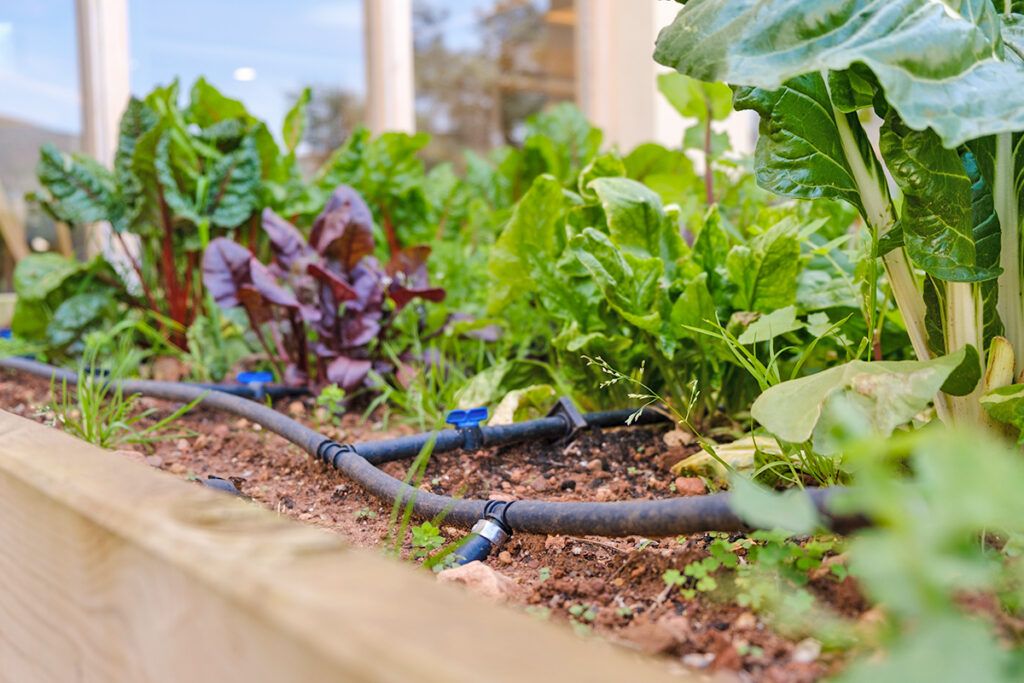
If you have a yard, your irrigation system deserves a look, too. Traditional sprinklers love to waste water on sidewalks and driveways instead of your plants. Drip irrigation delivers water closer to the plants’ roots, where it’s needed.
You can run a drip system for garden beds and container plants, and many setups connect to your existing irrigation timer. A professional irrigation audit can also catch broken sprinkler heads, overspray, and other sources of waste you might not notice on your own. For anyone who spends a lot of time watering the yard, this single change can make a noticeable dent in outdoor water use.
7. Add a Smart Irrigation Controller
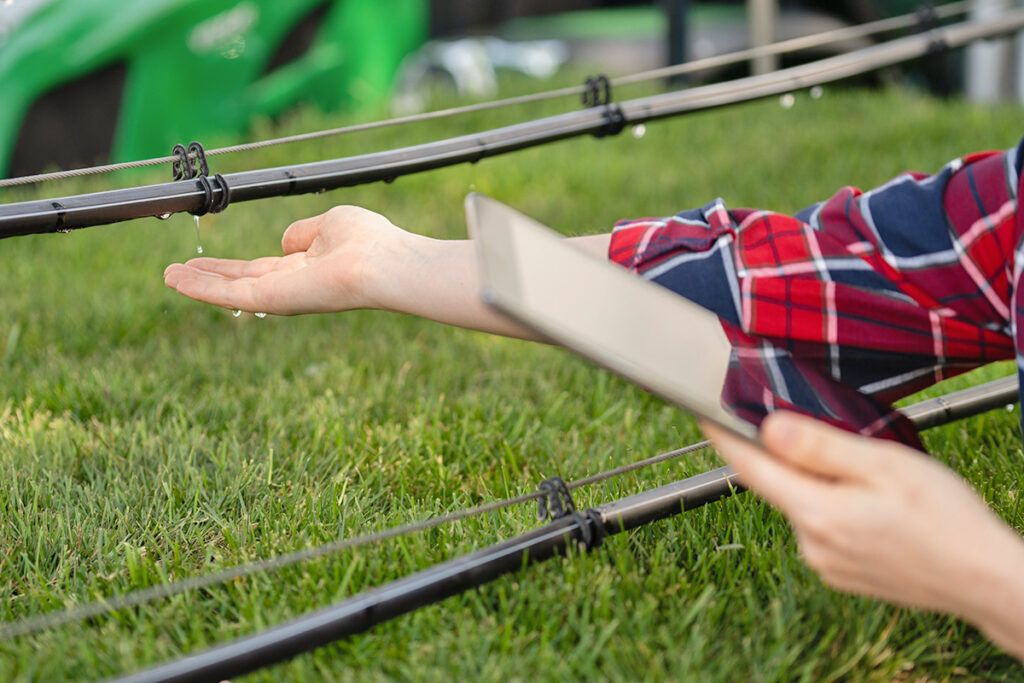
A smart controller can adjust your watering schedule based on weather, soil moisture, or the season. That matters because a sprinkler system running on a fixed schedule all year can deliver more water than your plants actually need.
Some controllers use weather data to skip scheduled watering when rain is expected. Others let you adjust the schedule from your phone, so it’s easy to dial things back when temperatures drop.
You don’t need to replace your whole irrigation system to use one. In many cases, you can swap out the controller while your existing sprinkler lines and heads stay exactly where they are.
Start With What’s Wasting the Most
Not every upgrade on this list deserves the same urgency. A leaking toilet is costing you money right now, while a new washer is more of a nice-to-have if your current one works fine. If your irrigation system is overwatering the yard, that’s probably worth fixing before you touch anything indoors. Figure out where the water is actually going first, then work your way down the list.