Freezing temperatures can pose a serious threat to your home’s plumbing. Even a single cracked pipe can lead to expensive water damage, mold growth, and a stressful cleanup. Fortunately, protecting your plumbing is easier than you think and doesn’t require a major renovation.
Why Pipes Freeze and Burst
Water expands as it freezes, and in the confined space of a pipe, that expansion builds tremendous pressure until the metal or plastic splits. These bursts often happen where pipes are most exposed to cold air, such as in exterior walls, crawl spaces, attics, and unheated garages.
With a few smart precautions and everyday tricks, you can keep your pipes intact and your home dry, no matter how low the temperature drops.
1. Maintain a Consistent Indoor Temperature
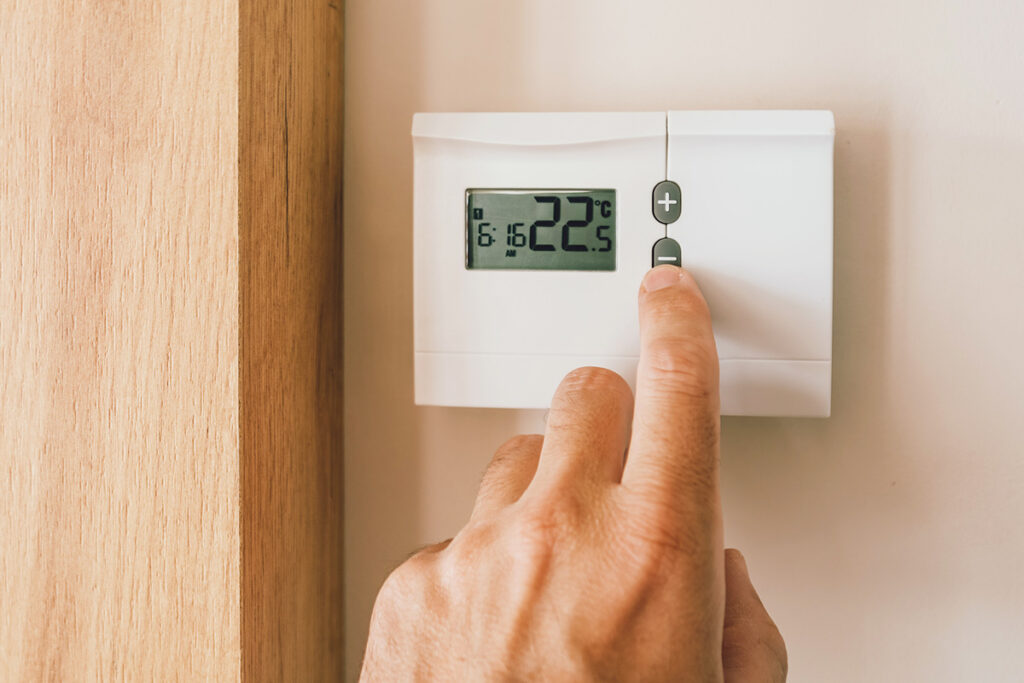
One of the simplest ways to keep pipes from freezing is to keep your house warm, even if you’re away. Experts recommend setting the thermostat no lower than 55 degrees Fahrenheit (13 degrees Celsius) during cold weather. Maintaining consistent heat day and night helps ensure indoor walls and pipes stay above freezing, reducing stress on your plumbing.
Turning the heat down drastically at night or when you leave for a weekend might save on energy bills, but that chill can quickly seep into uninsulated walls and freeze your pipes.
More from our network
House Outlook is part of Inbox Studio, which publishes content that uplifts, informs, and inspires.


2. Let Faucets Drip — Just a Little
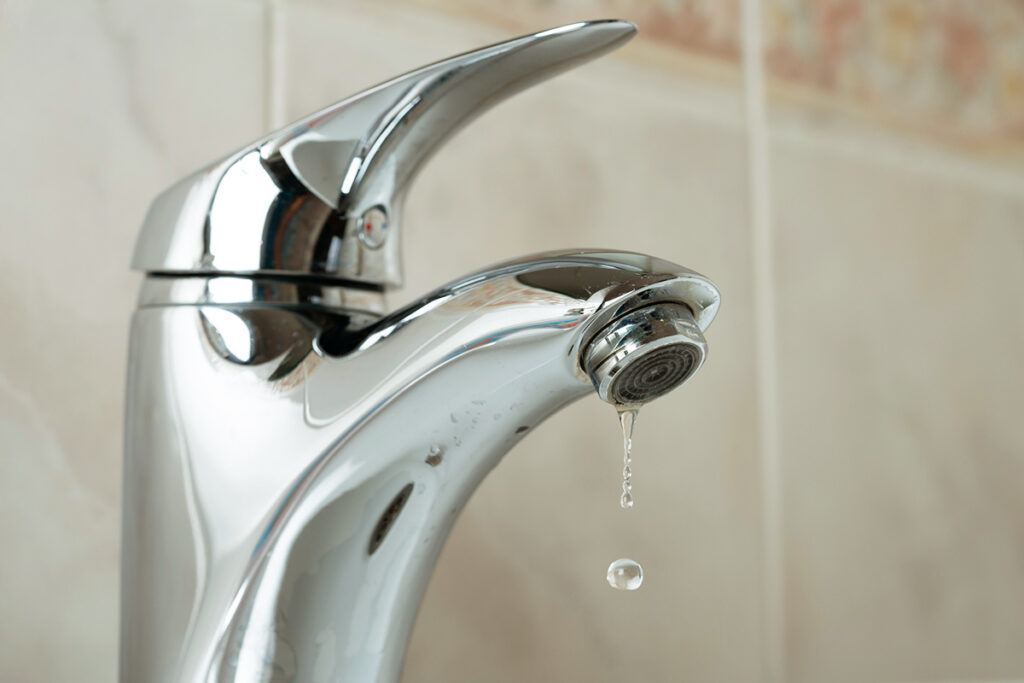
When temperatures plunge, letting cold water trickle from faucets served by exposed or exterior wall pipes can help prevent a disaster. Contrary to popular belief, the goal isn’t just to keep water moving; the drip actually relieves the pressure buildup inside the line that causes pipes to burst.
A slow, steady drip is enough. For dual-handle faucets, open both the hot and cold valves slightly. For single-handle faucets, keep the lever centered between hot and cold.
3. Open Cabinets Under Sinks
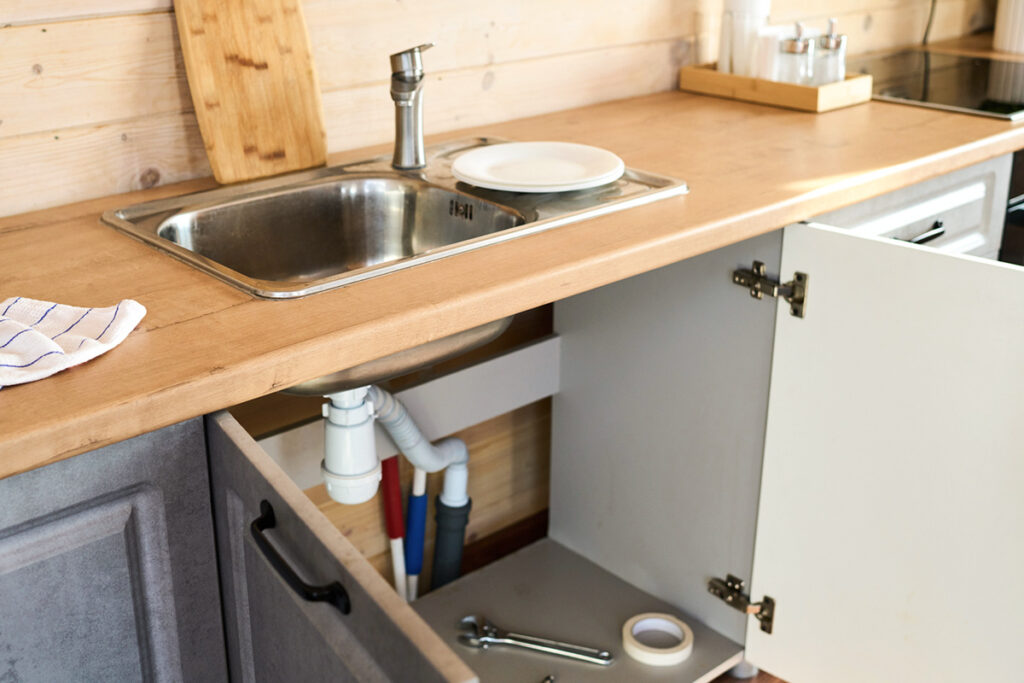
Pipes located in kitchen and bathroom cabinets — especially those against exterior walls — are particularly vulnerable. Opening these cabinet doors allows warmer air from your heating system to circulate around the pipes, helping keep them above freezing. This simple step is especially useful during overnight cold snaps when temperatures are at their lowest.

4. Insulate and Shield Your Plumbing
Insulation is your friend when it comes to winterizing pipes.
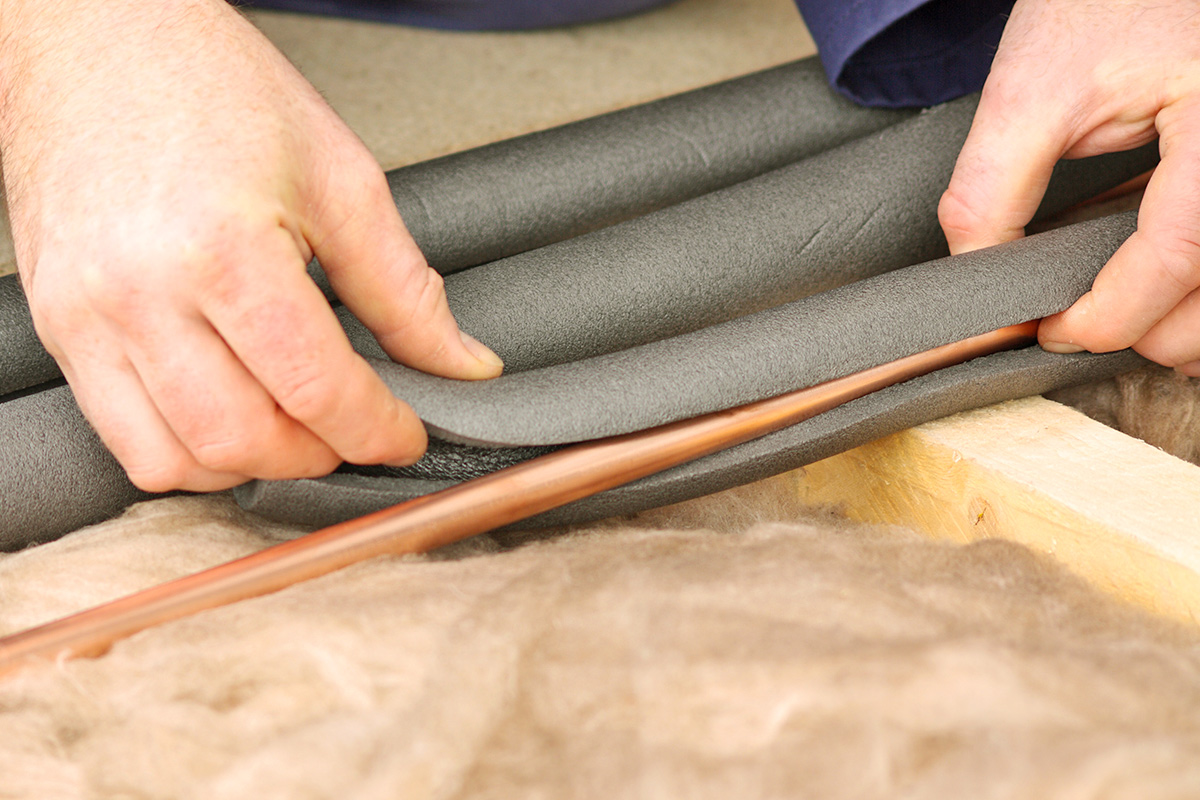
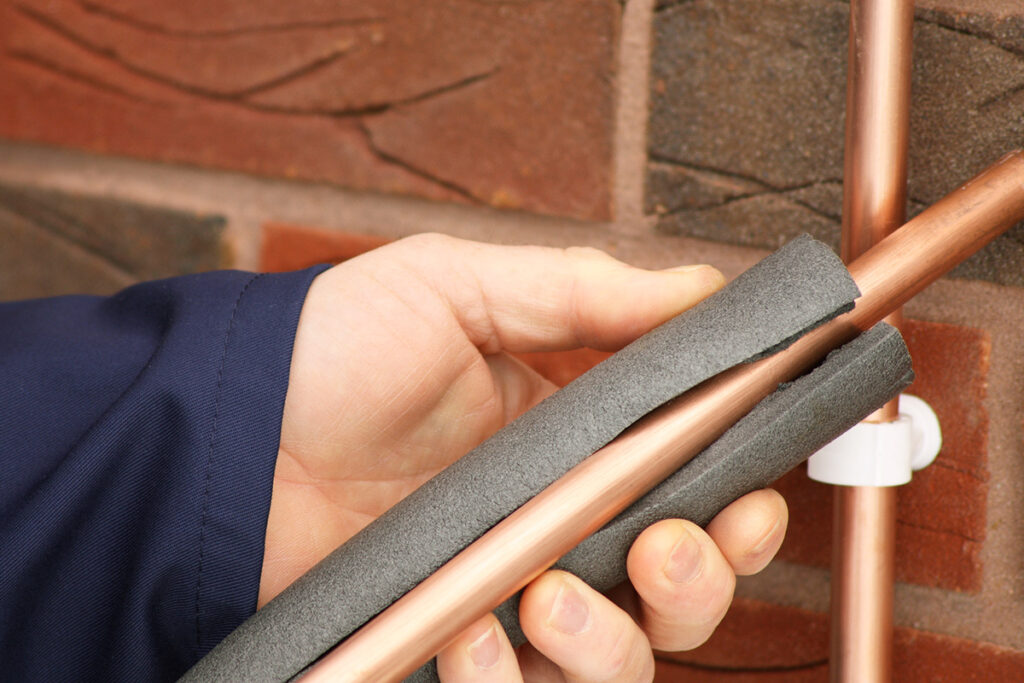
Insulate pipes: Wrap foam sleeves or insulation tape around plumbing in unheated areas such as garages, attics, basements, and crawl spaces.
Seal gaps: Use caulk or expanding foam to seal drafts and cracks in walls, windows, and doors, especially where pipes enter the home. Even a small draft of cold air can chill a pipe to the point of bursting.
Safeguard spigots: Disconnect garden hoses, drain them, and install insulated covers on spigots. This prevents trapped water from freezing and backing up into your interior plumbing.
For especially vulnerable or hard-to-reach pipes, consider installing a heat cable that turns on automatically as temperatures drop.
5. Keep Garages and Other Cold Spaces Closed
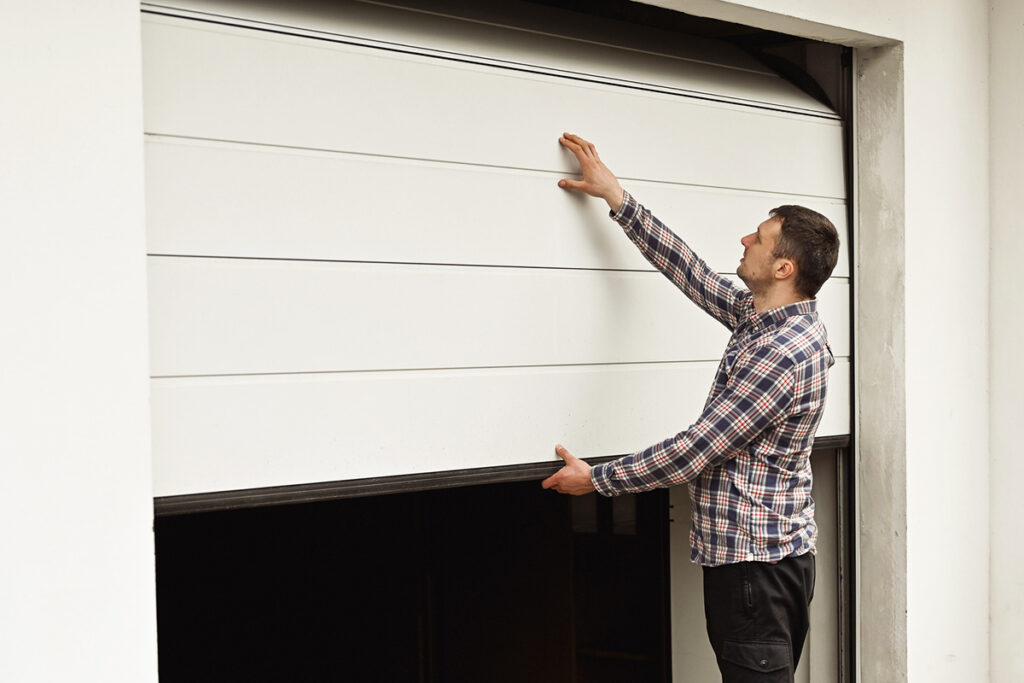
Cold air doesn’t need much invitation to sneak into your home. Keep your garage door shut, especially if water supply lines run through the space. Closing attic or crawl space vents can also prevent chilly drafts from lowering interior temperatures around pipes. Just remember to reopen them once the weather warms up to ensure proper ventilation.
6. Know Where Your Shut-Off Valve Is
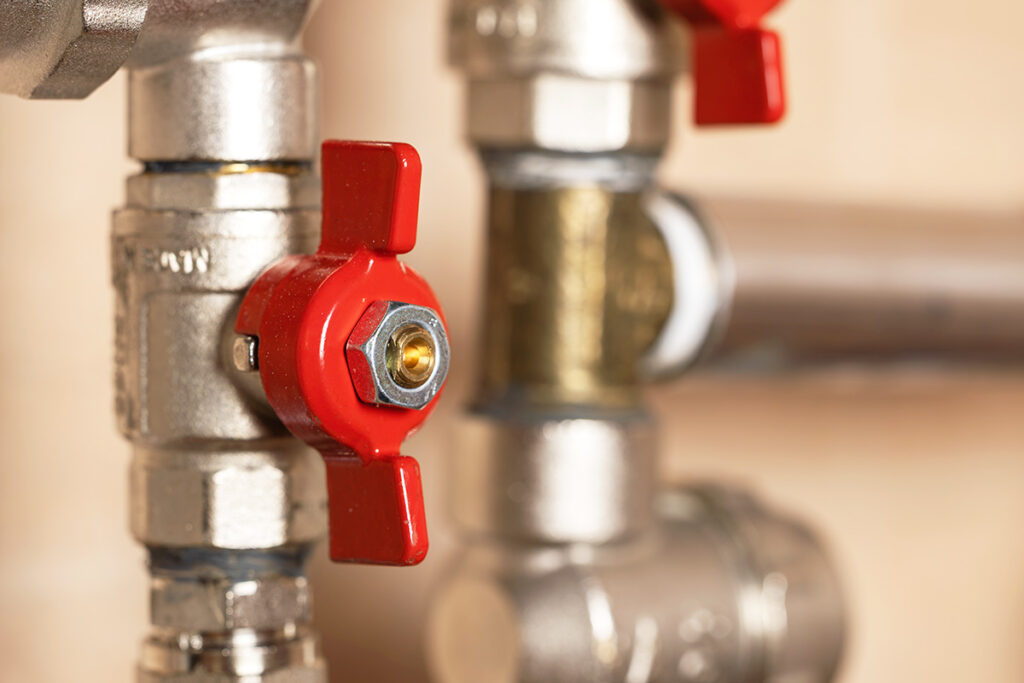
If a pipe bursts, the first step is to stop the water. Locate and label your main shut-off valve now. It could save you thousands in water damage and repair costs later. You’ll typically find the valve near where the main water line enters your home, often in a basement, crawl space, or utility room.
7. Prepare for Power Outages
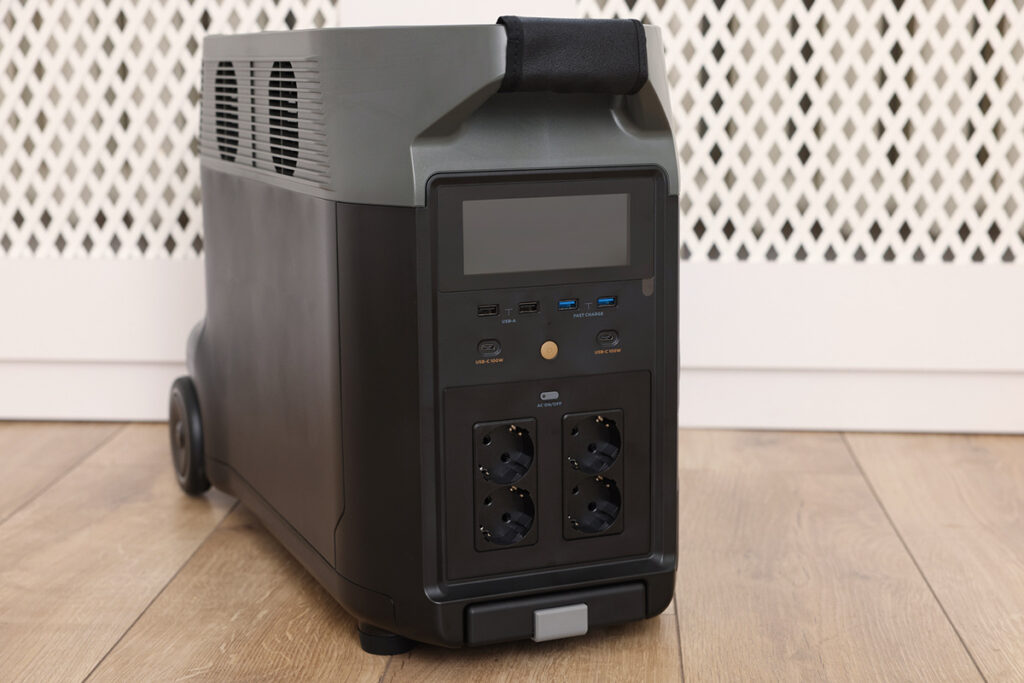
Winter storms sometimes lead to power outages that shut down your heating system. If your area is prone to inclement weather, it’s a good idea to have a backup plan. Consider investing in a portable generator, a power station, or other indoor-safe heat sources to keep your home’s temperature above freezing. This not only helps with comfort but also protects your pipes.