While it’s impossible to prevent moisture from forming in the bathroom, it’s important to mitigate it. Too much dampness leads to mold and mildew, which bring odors, stains, and potential health risks. That’s why a working exhaust fan — one that sucks in moist air and sends it outside your home — is a must. But…
Put Your Exhaust Fan to the Test
Every bathroom vent is different, and it’s hard to tell if yours is actually pulling air or just making noise. But a single sheet of toilet paper — or any lightweight scrap material — can reveal if the fan is running at full capacity, half-power, or not at all.
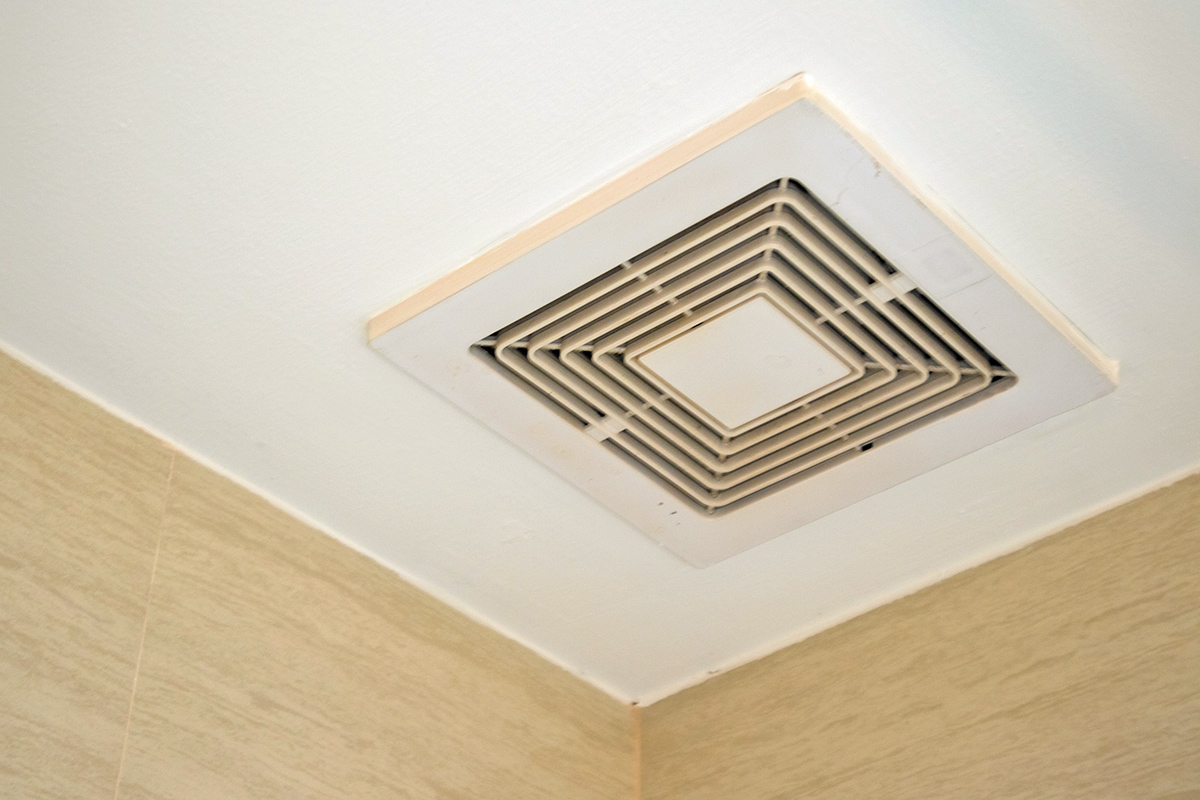
With the fan on, place a single sheet of toilet paper directly against the vent and remove your hand. If it sticks firmly in place, that means the vent is working properly. But if the paper droops and barely hangs on, your exhaust fan may not be working at full capacity. Should the paper fall to the floor, it’s a clear sign the fan is officially kaput.
Dusty vs. Dead
This hack determines only whether the exhaust fan is working — it doesn’t identify the cause. Most often, the culprit is dust obstructing the airflow. To check if this is the case, start by cutting power to the fan at your electrical panel. Remove the grate, wash it with mild dish soap and warm water, and then dry it completely. If you frequently use hair spray or notice considerable dust buildup, soak the grate in hot water and dish soap for 15 to 30 minutes.
More from our network
House Outlook is part of Inbox Studio, which publishes content that uplifts, informs, and inspires.




Use your vacuum’s crevice tool or soft brush attachment to vacuum dust from inside the fan, paying close attention to the rotating blades and the corners of the metal housing. Then replace the grate and turn the power back on. Rerun the toilet paper test: If the sheet sticks, the problem is solved. If it still falls, the issue may be mechanical.
If it’s mechanical, you may need to replace the motor or the entire unit. In this case, we recommend contacting a professional handyperson for their expertise, as they can ensure the wiring and ductwork are handled safely. If you’d rather attempt a cheaper DIY replacement, do your research before jumping into the project.