At first glance, you might not think houseplants and pets have a lot in common. A thumbnail-sized succulent isn’t much like a Great Pyrenees, any more than your calico kitten resembles a tall, dramatic snake plant. Yet, both bring life and happiness to a home in their respective ways, and both require TLC to thrive.
If you’re a pet parent and a plant parent, there’s one specific area where their care overlaps: knowing which houseplants are toxic to your pets. While some greenery may cause unpleasant digestive issues, other toxins can lead to life-threatening kidney or liver failure. To keep your furry friends safe, here’s a list of 12 popular houseplants that should be approached with caution.
1. Aloe
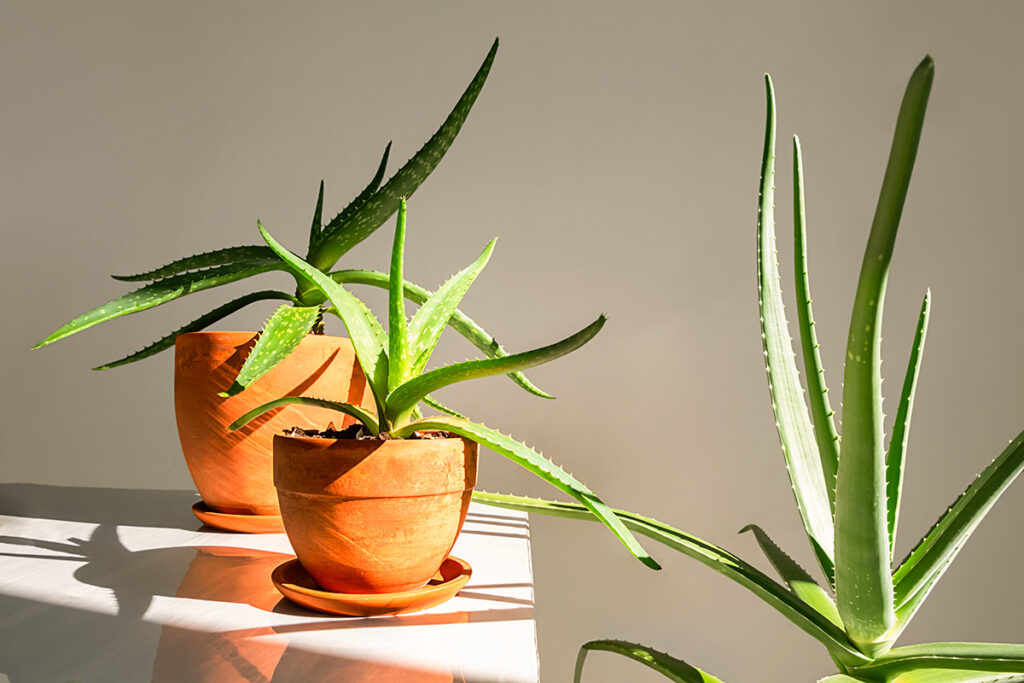
Aloe’s familiar spikes are a common sight in many homes. A lot of people keep one handy not only for its decorative value but also to treat minor kitchen burns. However, if you have pets, keep them away from this succulent plant. While the clear gel is technically nontoxic, the outer green skin and yellowish sap contain saponins and anthraquinones — substances that can cause vomiting, diarrhea, and lethargy.
Toxic to Dogs: Yes
Toxic to Cats: Yes
2. Draceana
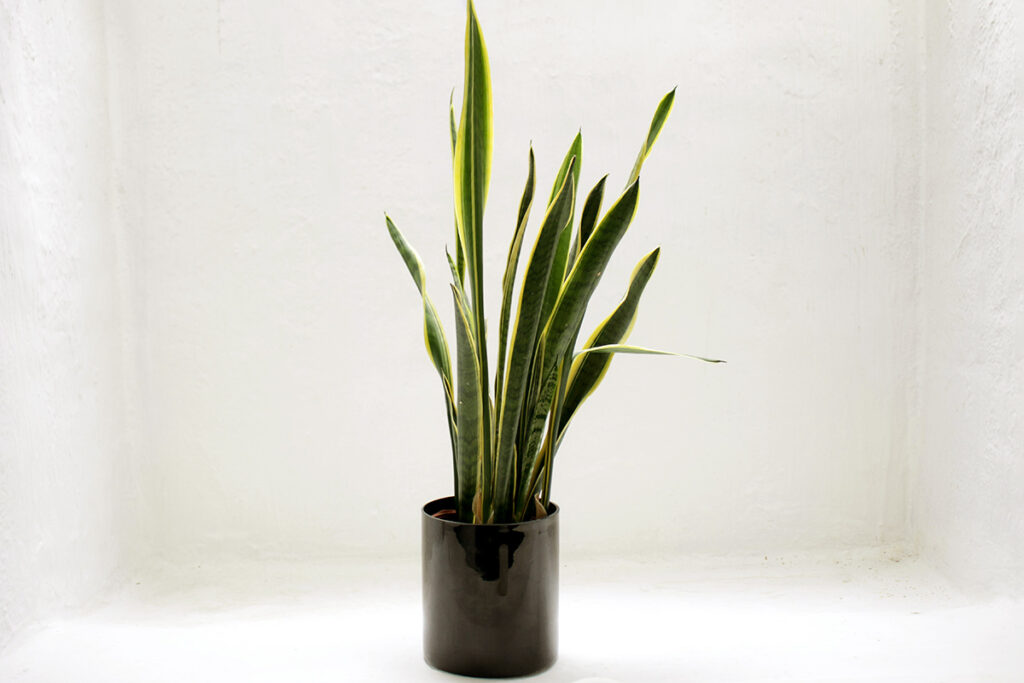
The Dracaena genus gives us a number of popular houseplants, including the snake plant, the corn plant, the sweet-blossoming Dracaena fragrans, and lucky bamboo. You wouldn’t guess it by looking at them, but these plants are distant relatives of the aloe plant. Similar to their botanical cousins, they are toxic to pets and can cause vomiting (sometimes with blood), drooling, loss of appetite, and extreme lethargy. In cats, you may also notice dilated pupils.
Toxic to Dogs: Yes
Toxic to Cats: Yes
More from our network
House Outlook is part of Inbox Studio, which publishes content that uplifts, informs, and inspires.




3. Jade Plant
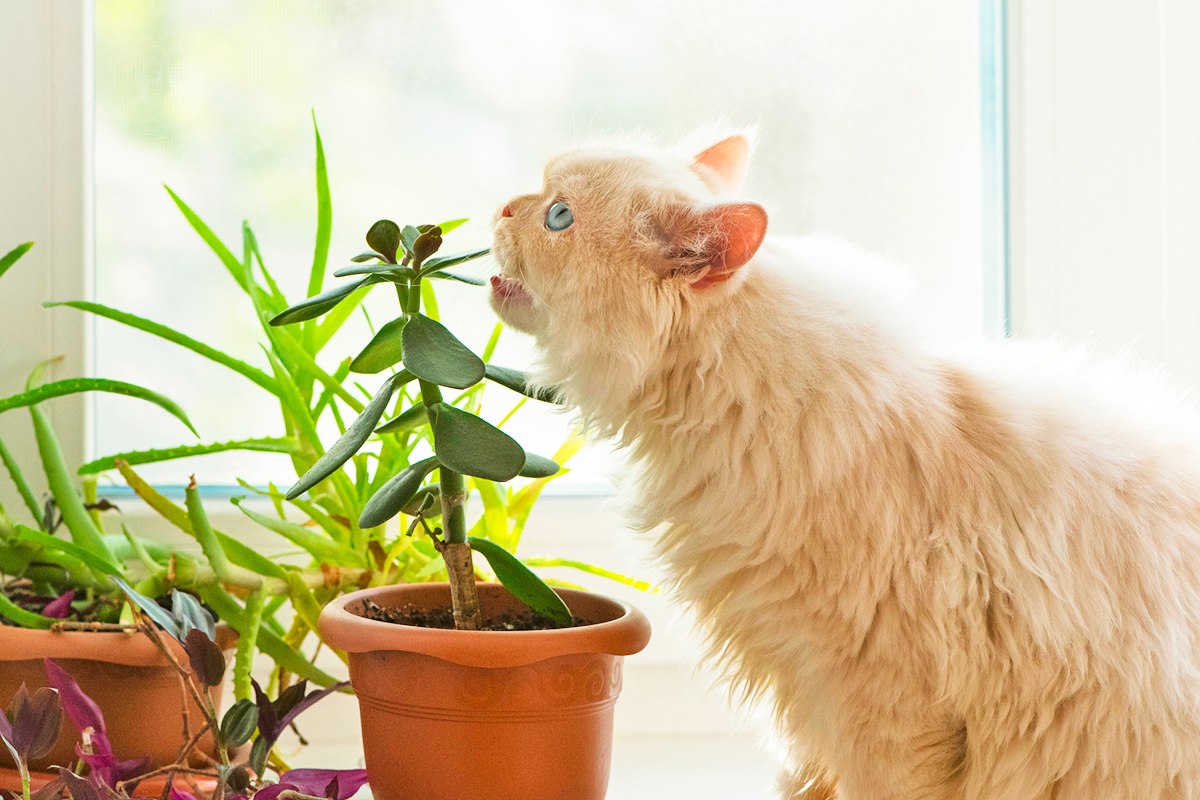
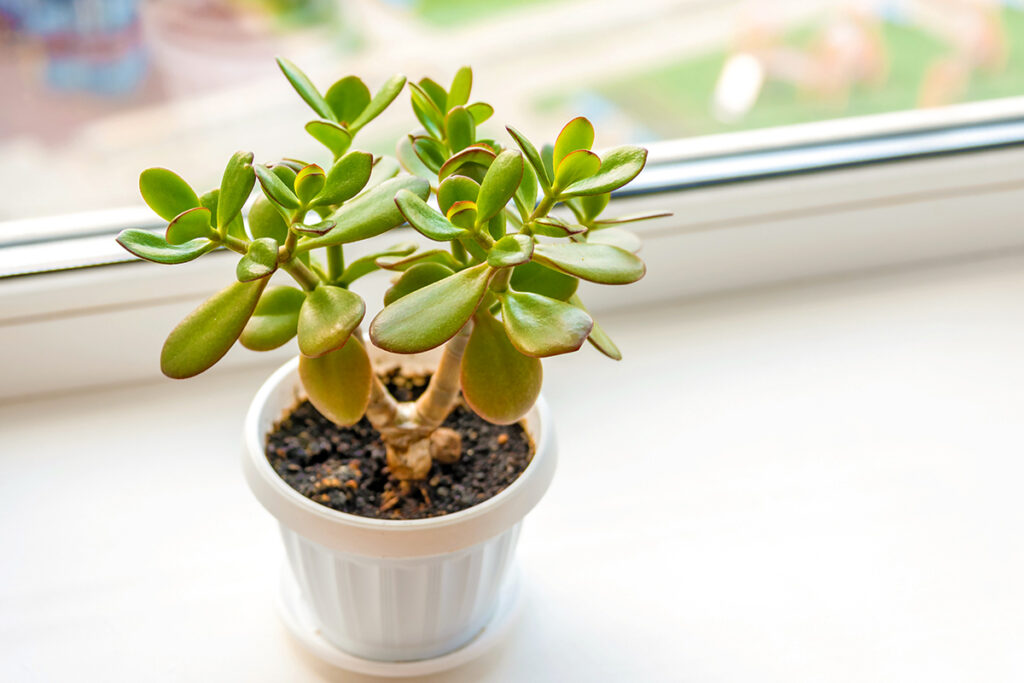
The jade plant (Crassula ovata), with its glossy round leaves, is one of the most popular succulents of all. Researchers haven’t yet isolated the specific toxin that makes jade dangerous to pets, but dangerous it is. Symptoms include vomiting, lethargy, and a loss of coordination.
Toxic to Dogs: Yes
Toxic to Cats: Yes
4. Easter Lily
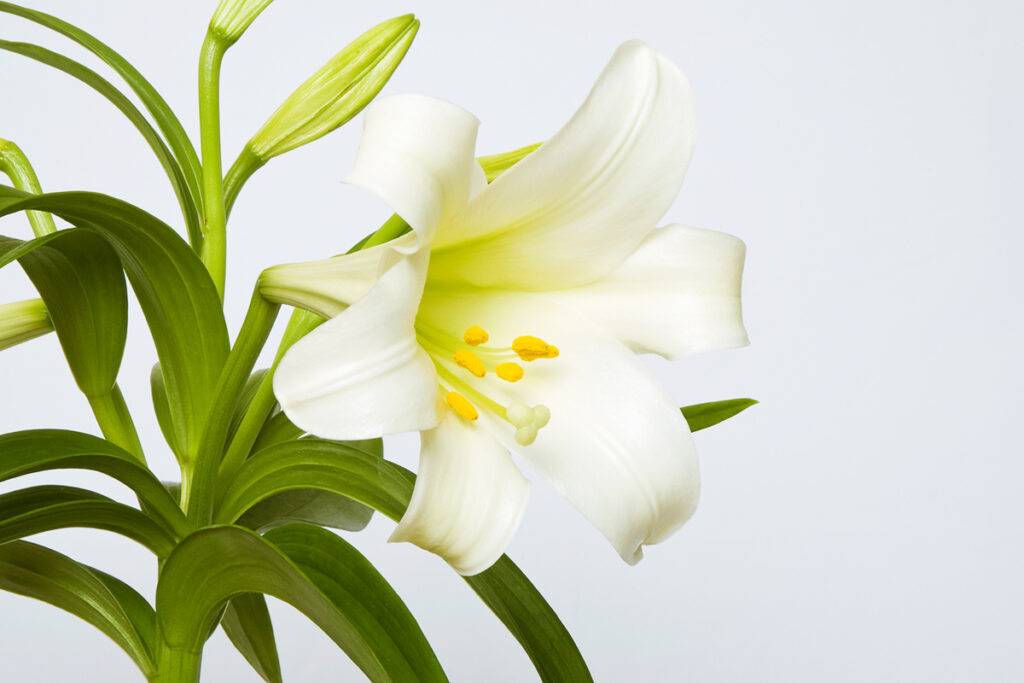
Even if you have a well-curated selection of winter-blooming plants to keep the blues away, by late in the season, many of us look for new greenery to brighten our space. One popular choice is the Easter lily (Lilium longiflorum), sold at grocery stores and home improvement stores as spring approaches. Unfortunately, while its “active ingredient” is unknown, the Easter lily is one of the most toxic houseplants for cats. It can cause vomiting, lethargy, loss of appetite, acute kidney failure, and even death. Among dogs, it can result in mild stomach upset. Another lily that’s often enjoyed indoors, the peace lily (Spathiphyllum spp.), is mildly toxic to both dogs and cats.
Toxic to Dogs: No
Toxic to Cats: Yes, severely


5. Asparagus Fern
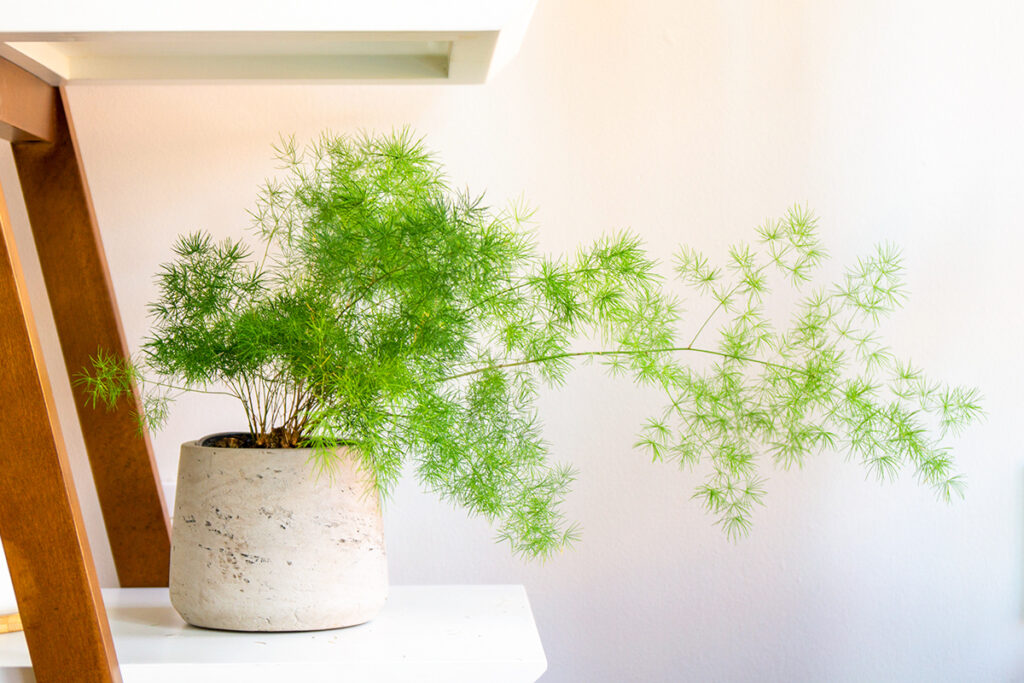
The asparagus fern — or foxtail fern (Asparagus densiflorus), if we’re being formal — is sought after for its dense, feathery foliage. It’s close kin to the asparagus we eat and even produces similar colorful berries. The plant itself is only mildly toxic, resulting in contact dermatitis (a rash, basically) with repeated exposure, but those berries are a different story. If eaten, they can cause your pet pain, vomiting, and diarrhea.
Toxic to Dogs: Yes
Toxic to Cats: Yes
6. Philodendron
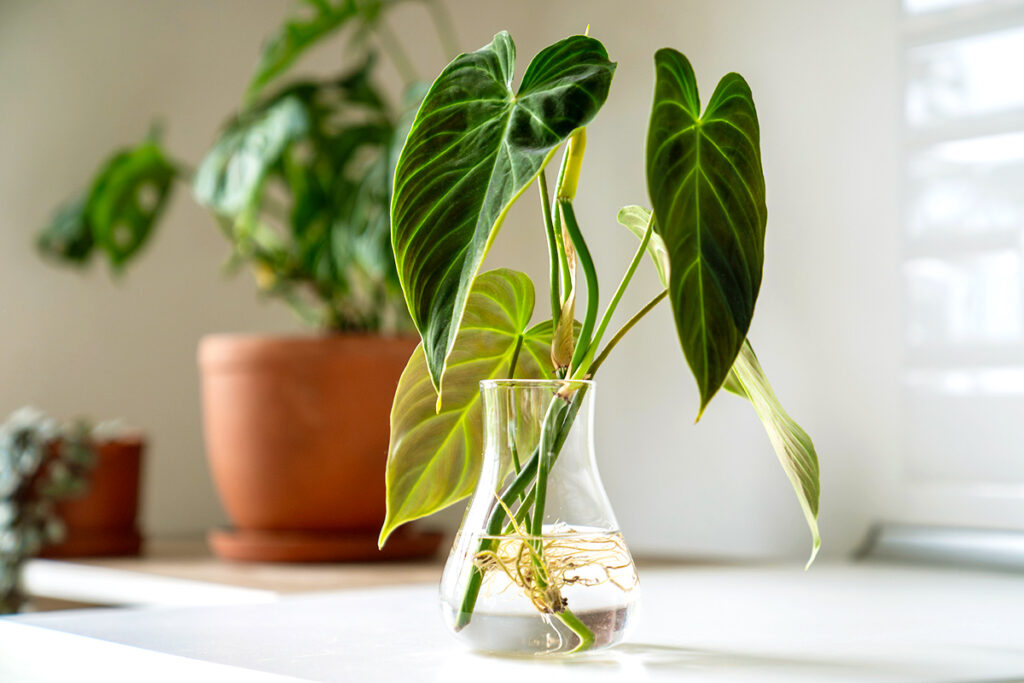
Philodendrons are a large genus of plants, with some growing as upright shrubs and others as trailing vines. Unfortunately, all philodendron species produce high quantities of calcium oxalates, the same chemicals that give nettles their sting. If a vomiting pet also shows signs of pain, mouth swelling, drooling, and difficulty swallowing, it may be due to chewing on a philodendron. These plants are just as irritating to humans, so keep young children away from them too.
Toxic to Dogs: Yes
Toxic to Cats: Yes
7. Dieffenbachia
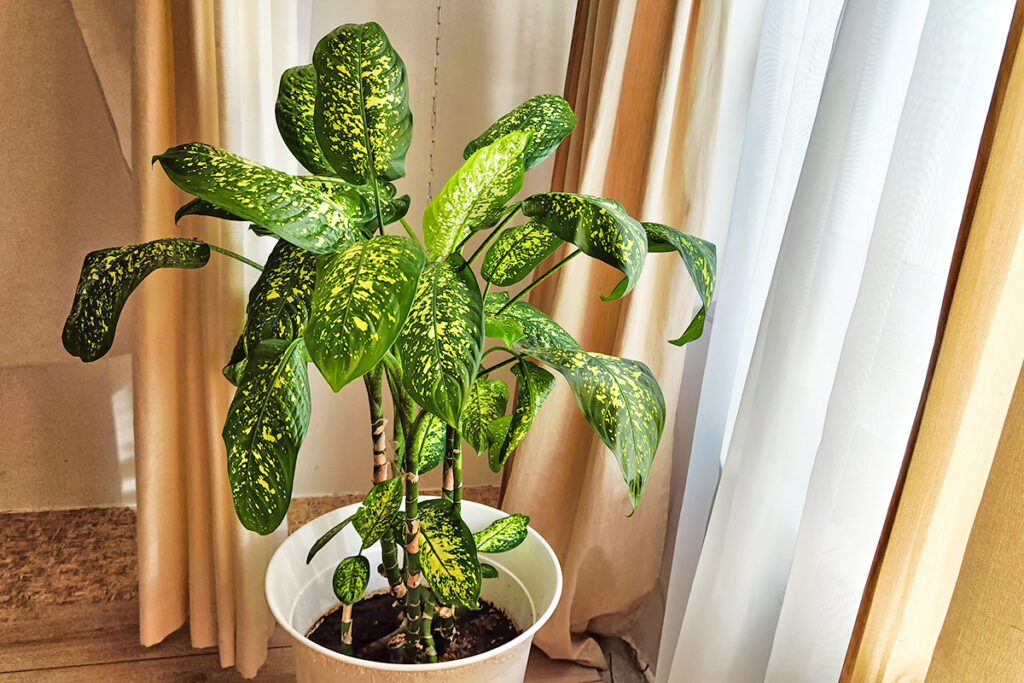
Dieffenbachia’s large, variegated leaves bring year-round visual interest to any room, whether on their own or as the focal point for a cluster of houseplants. Although beautiful, Dieffenbachia packs the one-two punch of calcium oxalates and a proteolytic enzyme that breaks down proteins — similar to the enzymes found in pineapple. Ingestion causes intense, burning irritation of the mouth, tongue, and lips, as well as vomiting, excessive drooling, and difficulty swallowing.
Toxic to Dogs: Yes
Toxic to Cats: Yes
8. Flamingo Flower
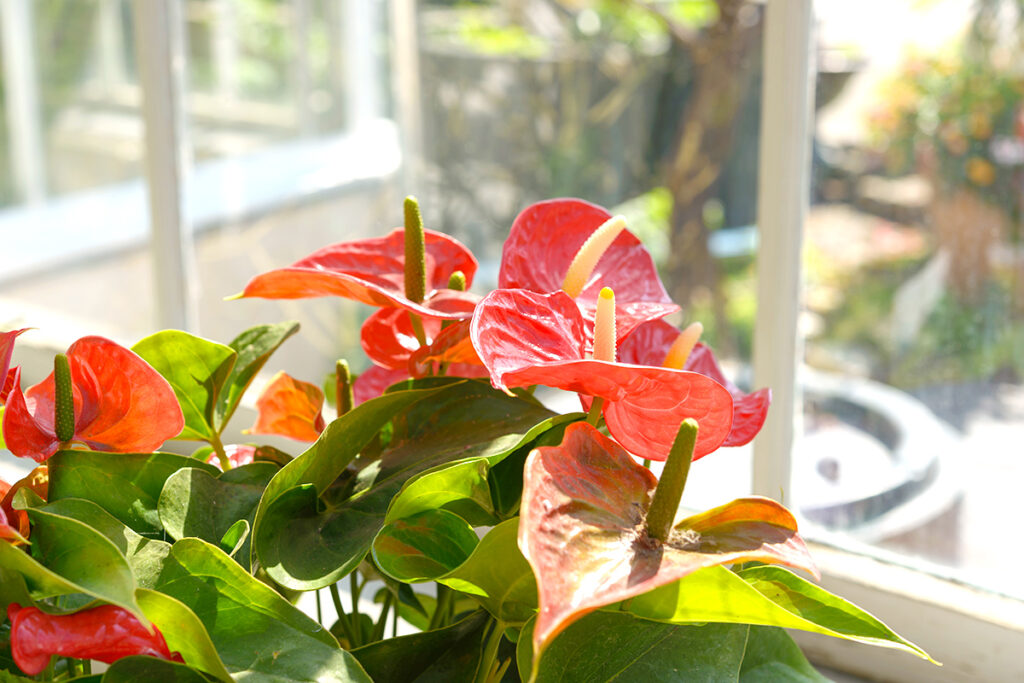
The flamingo flower (Anthurium scherzeranum) — sometimes inaccurately called the flamingo lily due to its appearance — features a brightly colorful spathe (a modified leaf) surrounding a central flower spike. Similar to other plants on this list, it contains calcium oxalates that will cause oral pain and swelling, drooling, vomiting, and difficulty swallowing in pets.
Toxic to Dogs: Yes
Toxic to Cats: Yes
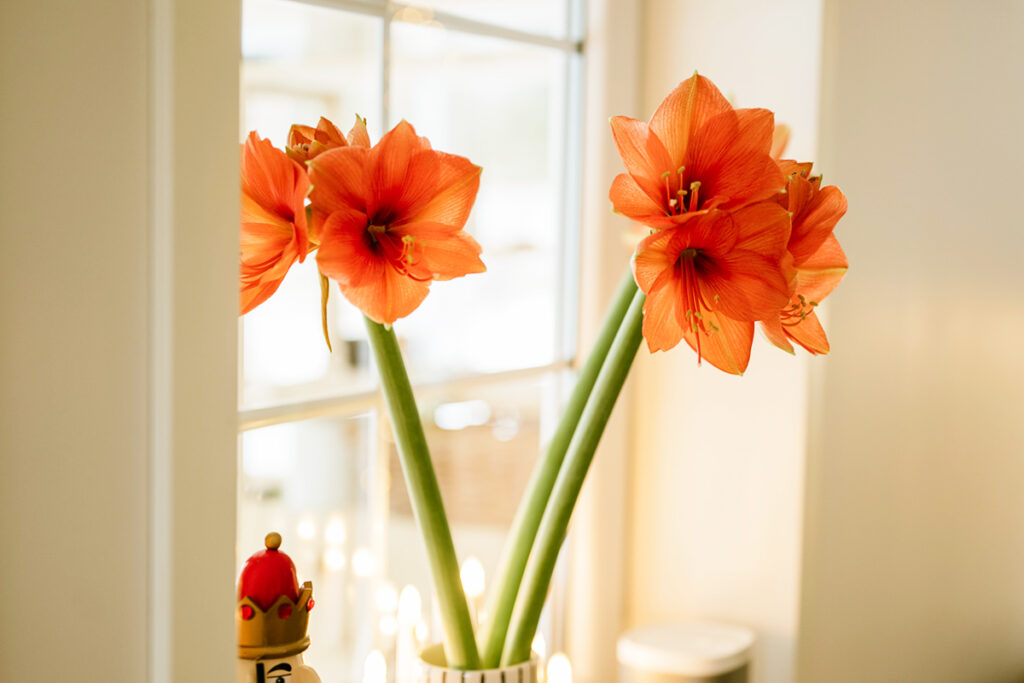
9. Amaryllis
To combat the winter blues, many indoor gardeners “force” bulbs into early blossoming. One popular option is the amaryllis, widely sold ready-potted in midwinter for a pop of color. Sadly, this beauty contains a toxic alkaloid called lycorine, which causes drooling, vomiting, diarrhea, lethargy, and even tremors or respiratory issues. While the toxin is present throughout the plant, it’s most concentrated in the bulb.
Toxic to Dogs: Yes
Toxic to Cats: Yes, and more acutely than for dogs
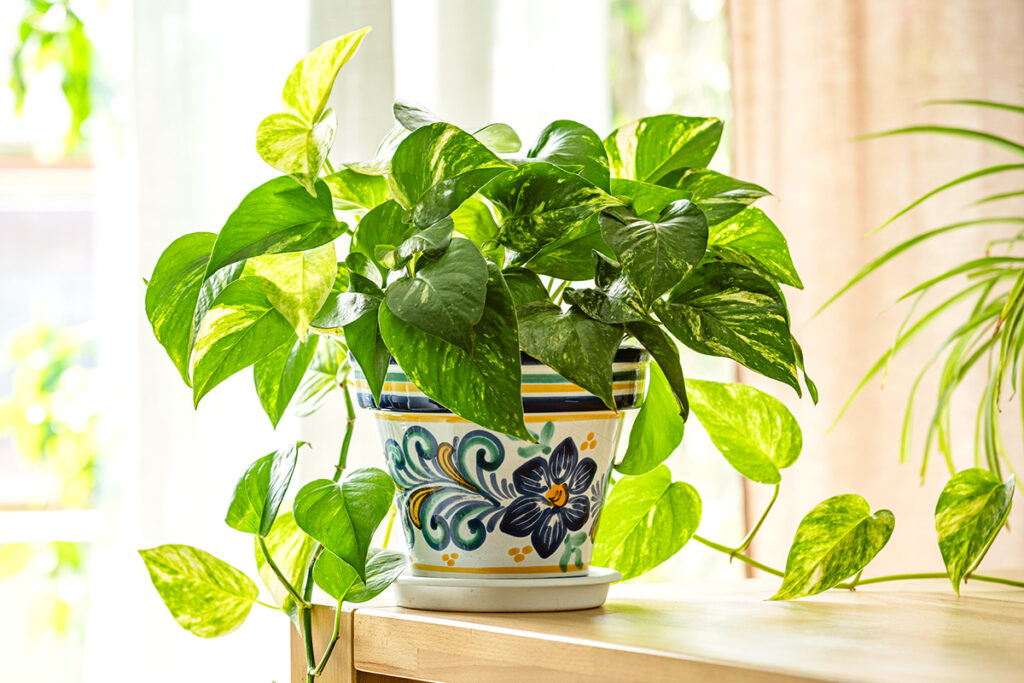
10. Pothos
This one hurts, because pothos is one of the best houseplants for both beginners and low-light settings. It’s a vining plant, capable of delivering vigorous growth even with inconsistent watering or poor light. However, similar to many others on this list, it produces oxalates that cause drooling, oral pain and swelling, vomiting, and difficulty swallowing. On the upside, pothos is commonly grown in hanging baskets or positioned atop bookshelves, where it’s safely out of reach for all but the most intrepid pets.
Toxic to Dogs: Yes
Toxic to Cats: Yes
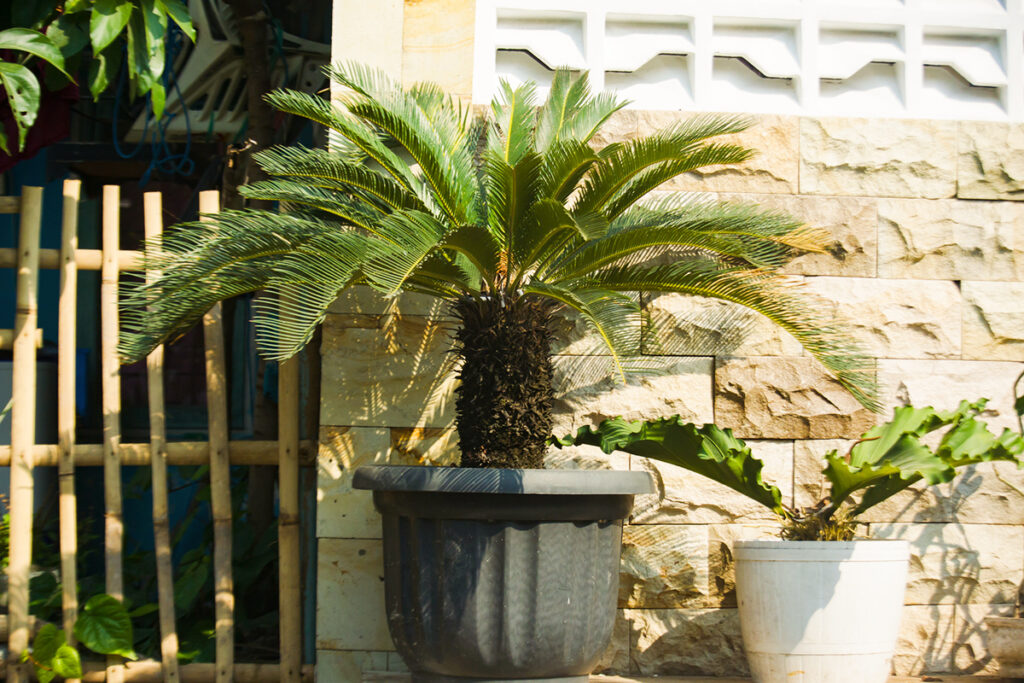
11. Sago Palm
Sago palms — a loose term used for several palmlike cycad plants, such as Cycas and Zamia — are commonly used for landscaping in warm climates and to bring a dramatic tropical look indoors. However, if you have pets, you should not keep sago palms in your home. Sago palms are among the most dangerous houseplants, containing severe toxins that are lethal in the majority of cases. Ingestion causes vomiting, increased thirst, and internal hemorrhaging (watch for blood in the stool, or black, tarry stool), as well as liver damage and potential liver failure. The nuts are the most toxic part of the plant, and just one can kill a medium-sized dog.
Toxic to Dogs: Yes; dogs are especially susceptible, as many like the taste
Toxic to Cats: Yes
12. Hyacinth
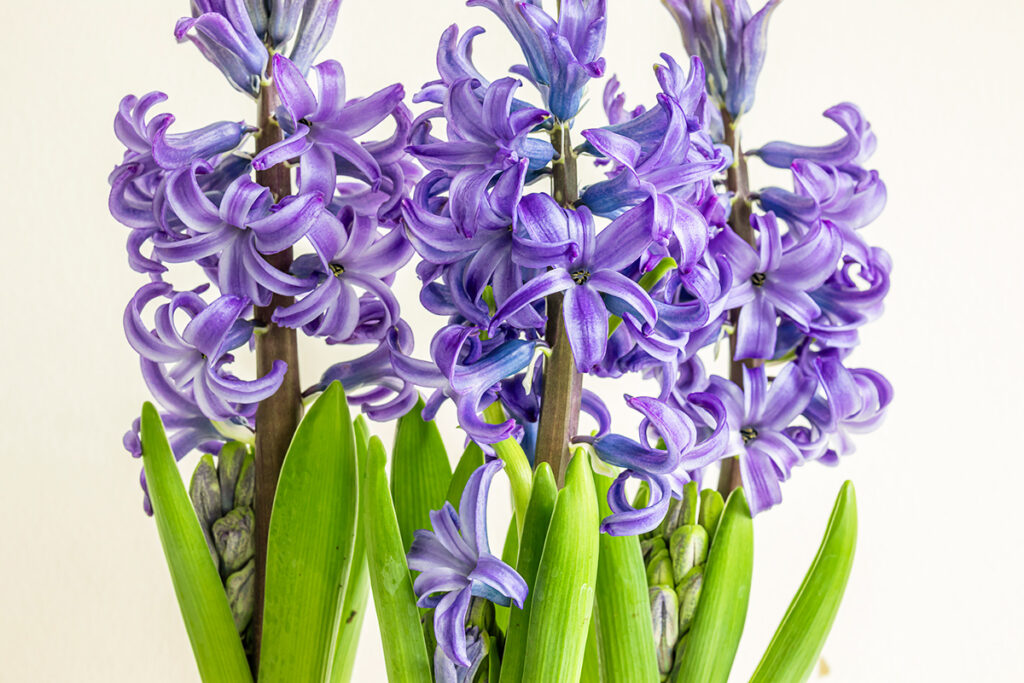
Our last high-profile offender is the hyacinth, another flower that’s often forced in winter for early blossoms. Its toxicity comes from a combination of calcium oxalates and alkaloids such as lycorine, similar to those found in amaryllis, narcissus, and other flowers grown from bulbs. Hyacinth can cause intense vomiting and diarrhea — sometimes with blood — along with tremors and lethargy.
Toxic to Dogs: Yes
Toxic to Cats: Yes