Take a look around your home. Is there a farmhouse table in the dining room, a traditional sofa in the living room, industrial lighting in the kitchen, and a coastal-style bed frame in the bedroom — even though you’re a long road trip away from an ocean? None of those elements is bad on its…
That’s why your home needs a theme. Establishing a clear design direction is one of the simplest ways to elevate your space — no remodeling required. A theme isn’t about committing to anything gimmicky (no Trading Spaces-style stunts) or turning your home into a matchy-matchy showroom. It just means your choices are intentional, not random.
How To Establish a Theme for Your Home
According to interior designer Hans Lorei, establishing a theme starts with choosing seven to 10 elements that you love and that look good together. More importantly, those elements should reflect how you want to feel in your space — perhaps relaxed, warm, dramatic, or elegant. Rather than decorating room by room, consider the big picture by thinking of the house as a whole.
These elements could include:
• A type of wood (walnut, oak, cherry)
• A material (terra-cotta, wrought iron)
• A window treatment (wood blinds, Roman shades)
• A metal finish (brass, nickel, copper)
• A fabric (linen, velvet)
• An architectural period (art deco, midcentury modern)
• An accent color (blue, oxblood, green)
• A recurring shape (round, tall/tapered)
More from our network
House Outlook is part of Inbox Studio, which publishes content that uplifts, informs, and inspires.




To keep things interesting, pull your inspiration from a few different categories. Ultimately, though, this is your home, so choose the elements that resonate with you the most. These are now your baseline, guiding every decorating decision going forward.
How To Apply the Theme
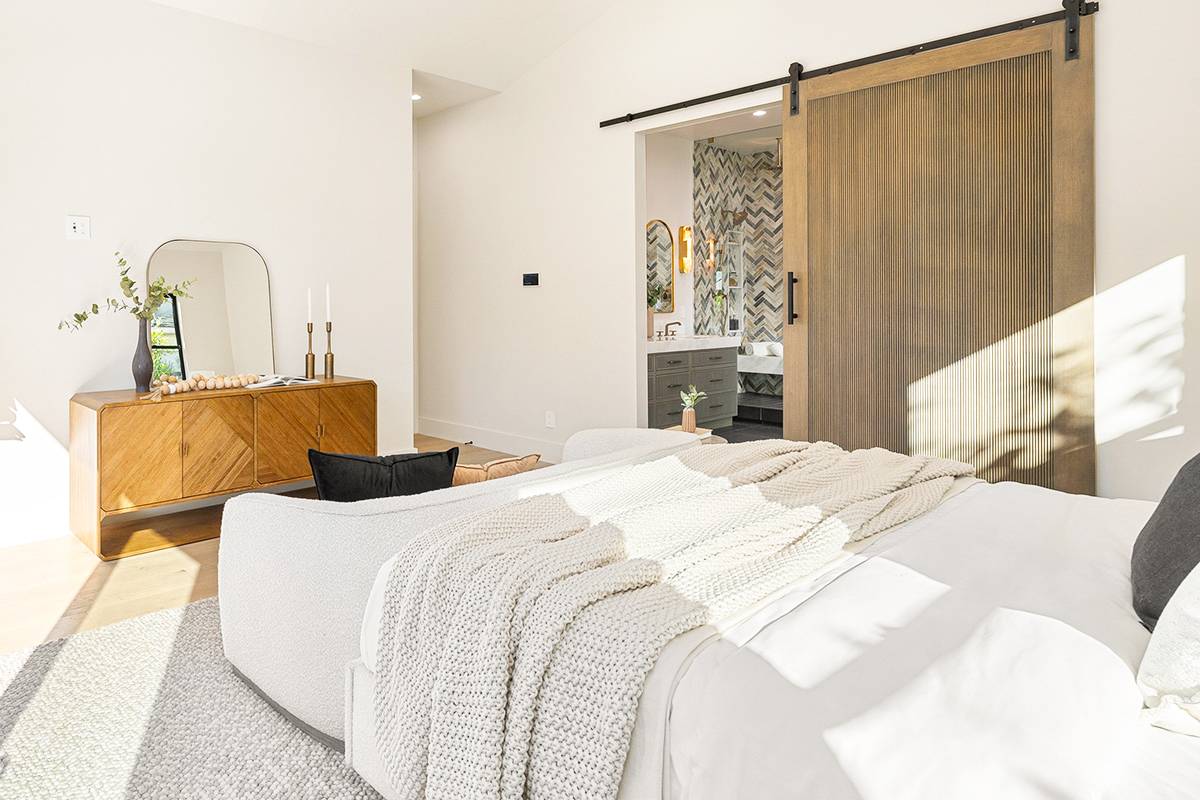
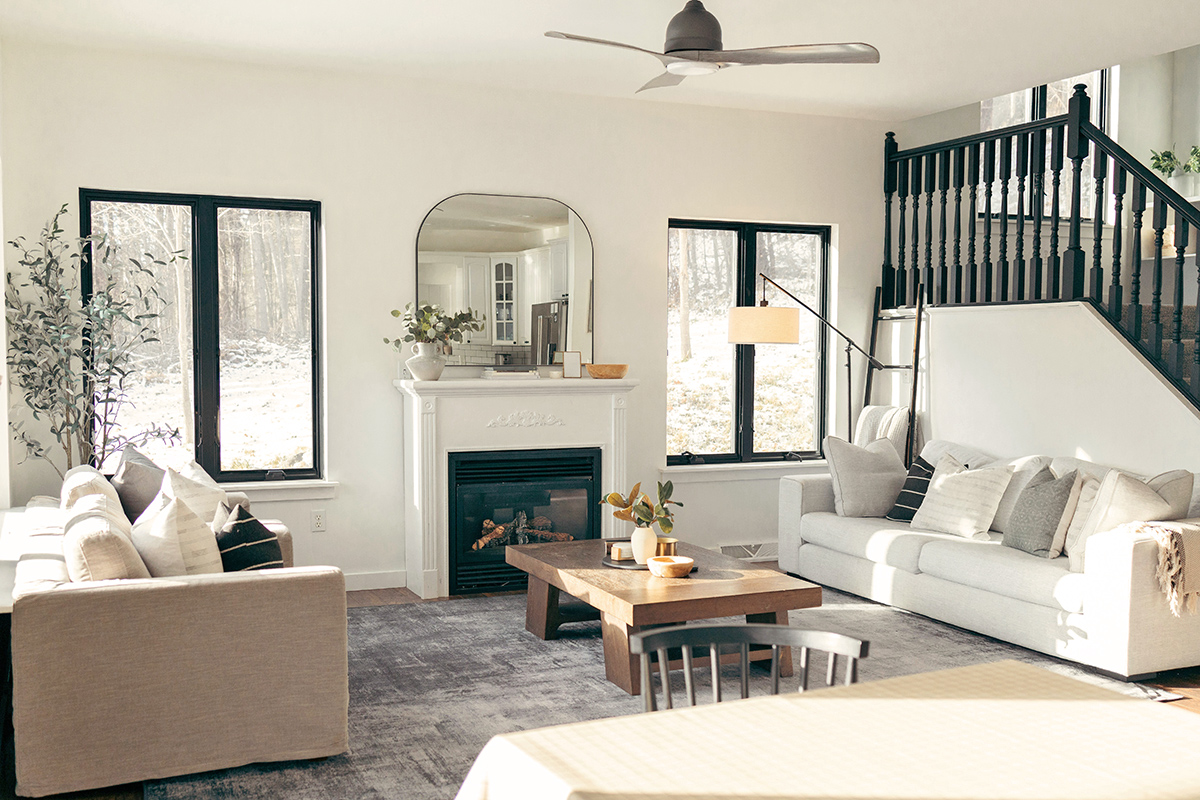
Next, move through your home and introduce two to three of your chosen elements into each room. There’s no need to jam every item into every space; you just want enough to create continuity. Use furniture, lighting, hardware, art, textiles, and decor to bring the theme together.
Over time, your rooms will begin to relate to one another, making your home feel more cohesive. It’ll make decorating easier too, since you’ll know what fits your theme and what doesn’t.