Take a look around your living room — or any space that feels a bit flat. The sofa fits, the colors coordinate, and the artwork inspires, yet the room still lacks energy. Often, the issue is how your eyes move, or don’t move, through the room. Well-designed spaces gently guide the eye from one area to…
How To Create a “Skyline” in a Space
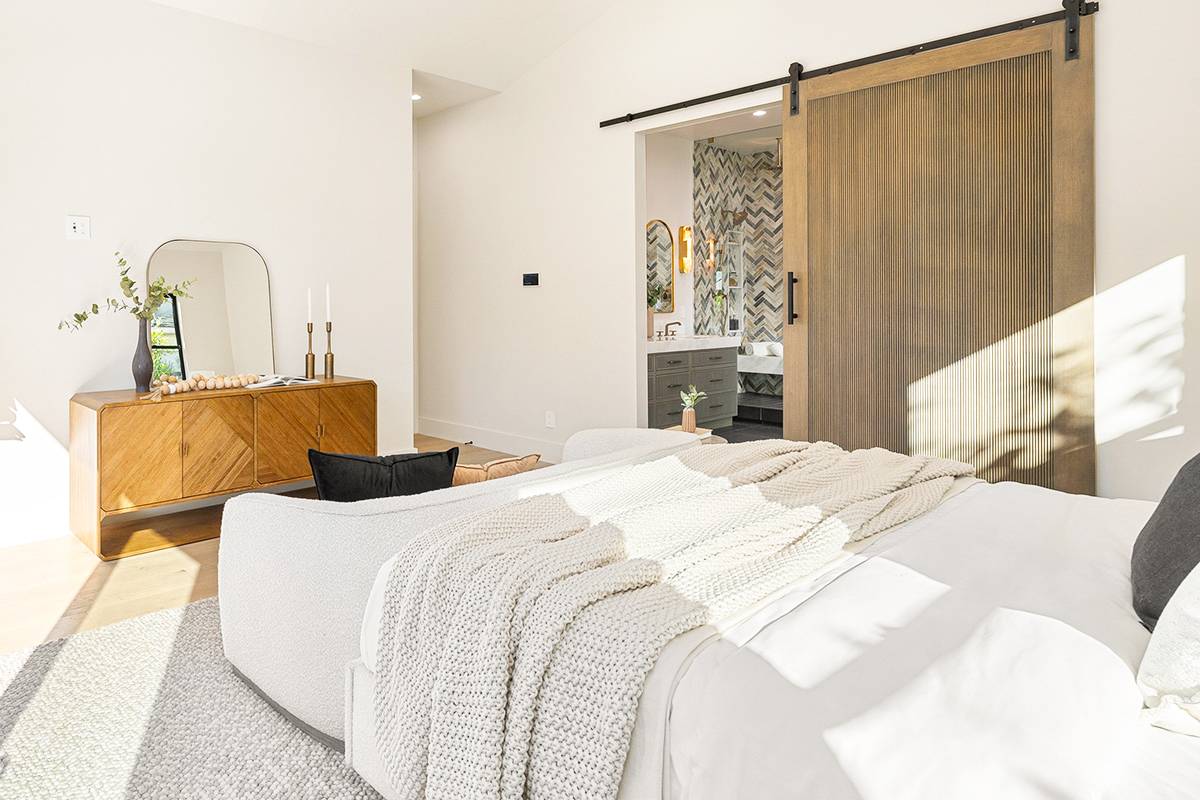
When furniture pieces all land at a similar height — sofa, coffee table, side tables, console — the room can appear visually level, like a plateau. Creating more dimension doesn’t require a full redesign or a big budget, however. Simply introduce a few thoughtfully placed vertical elements to draw the eye upward. Think of yourself as the room’s architect, arranging a mix of tall, medium, and low elements. This variety adds movement and keeps the space from feeling stagnant.
Design Tricks To Draw the Eye Upward
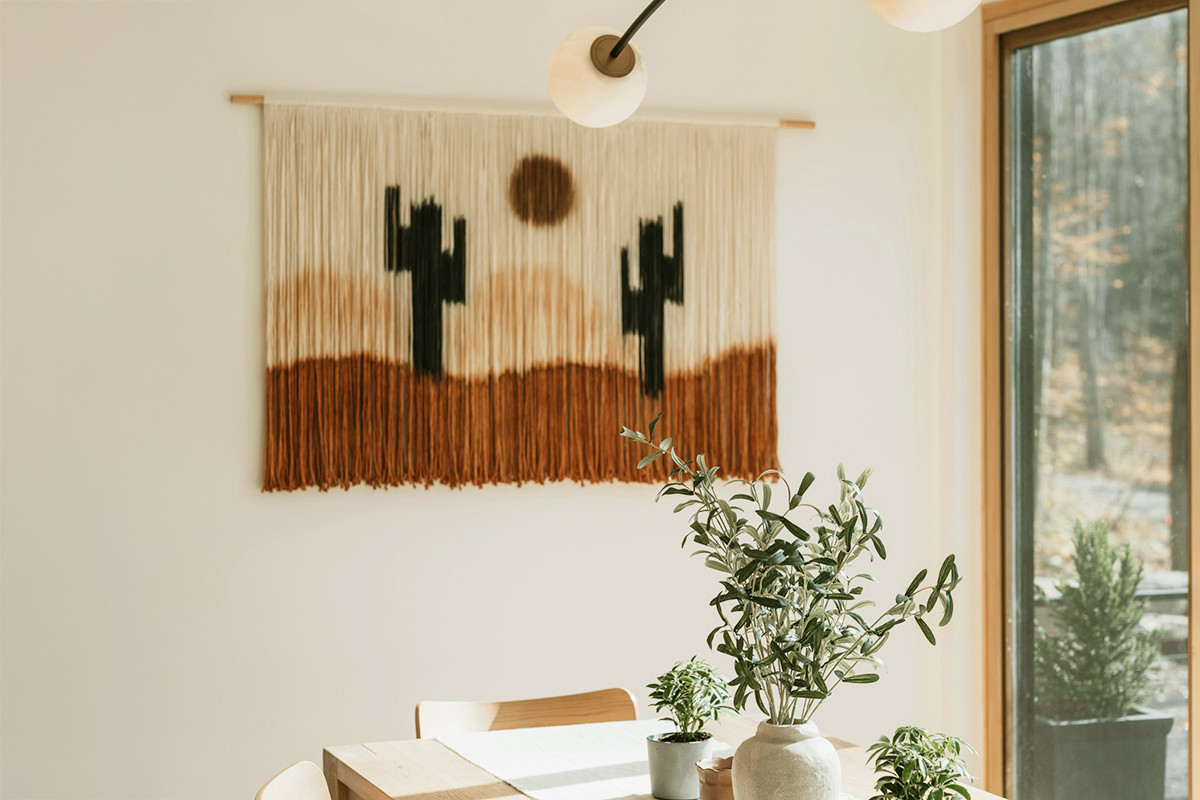
Wall art is one of the easiest ways to introduce height. A large framed piece or gallery wall lifts the room’s visual weight while adding a personal touch. Textiles achieve a similar effect; a tapestry, wall hanging, or mounted fabric panel brings in both height and texture.
More from our network
House Outlook is part of Inbox Studio, which publishes content that uplifts, informs, and inspires.



Window treatments are another powerful, practical trick. Hanging curtain rods closer to the ceiling elongates the walls, subtly raising the room’s perceived height. A tall bookshelf works the same way, adding vertical structure while providing space for books, plants, and framed photos. Floor lamps are another smart option, offering height and light without taking up much floor space.
You can’t beat the efficiency of a tall, slim mirror either. Leaning one against a wall introduces a strong upward line while reflecting light around the room, helping the space look brighter and more open.
Ultimately, the goal isn’t to fill every wall with towering pieces, but to create balance. Pair low furniture with a few taller elements, and the room immediately feels more visually dynamic.