1. Deep Clean Your Carpets
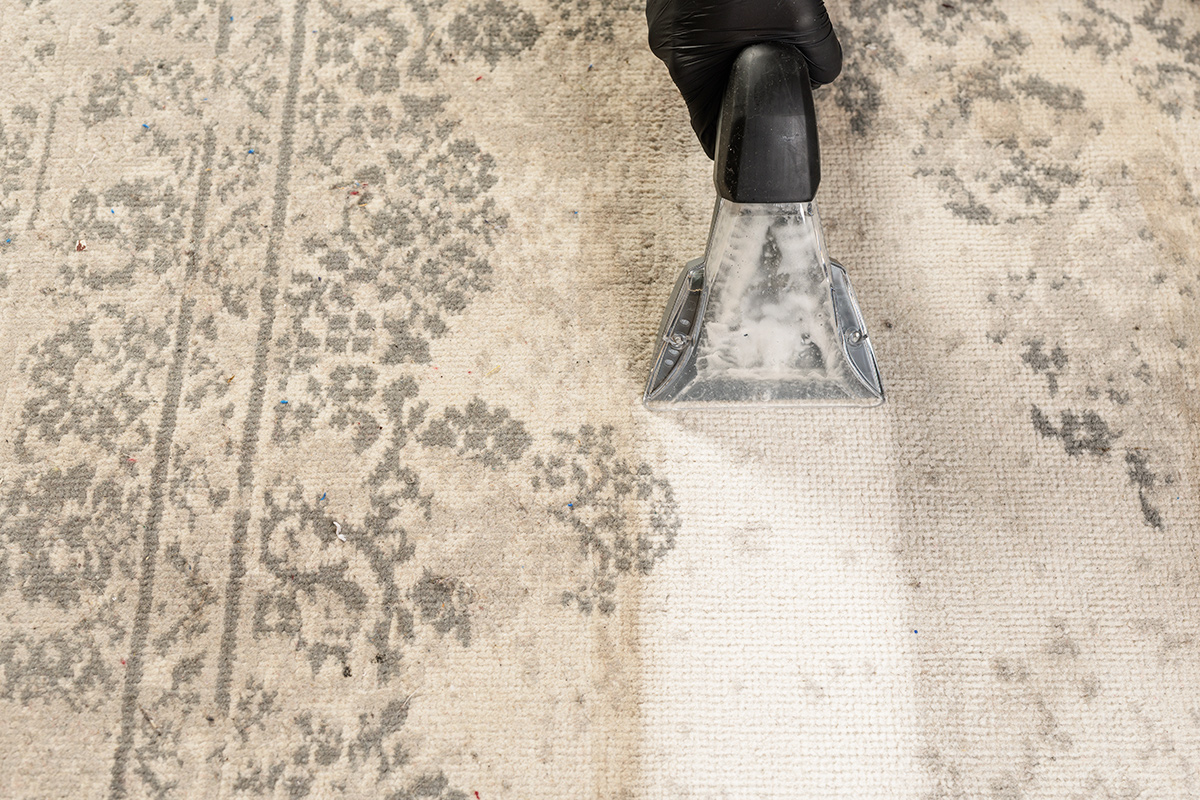
Regular vacuuming sucks up surface dirt, so you don’t need to drag out the carpet cleaner every month. Once a year is enough for many homes to pull out the grime, dust, and allergens that settle deep in the fibers. Rent a carpet-cleaning machine, hire a pro, or use your own, but check the manufacturer’s care instructions first. Some carpet materials don’t tolerate certain cleaners. And be sure to let the carpet dry completely before moving furniture back.
If you have pets or young kids, or are a shoes-on household, twice a year is more realistic.
2. Clean Behind the Refrigerator
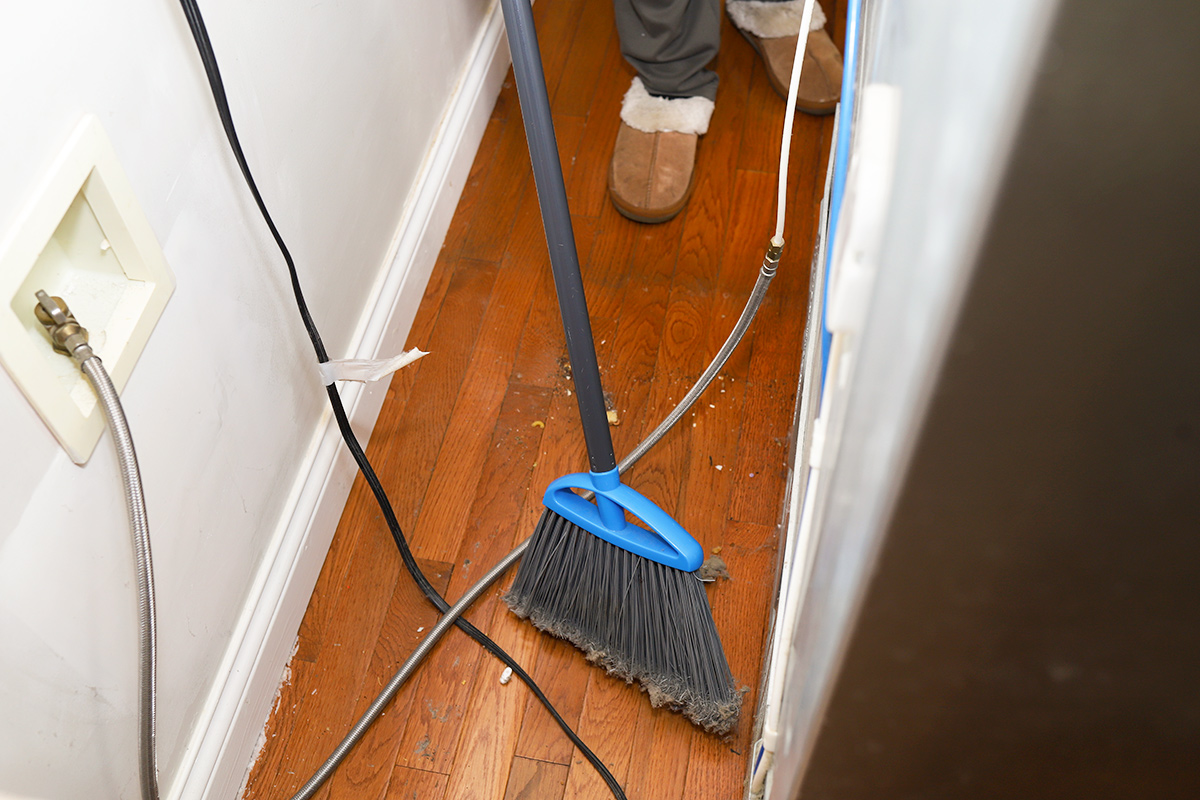
Carefully pull your refrigerator away from the wall and see what has collected back there. Expect dust, crumbs, and probably something you dropped years ago. Vacuum the debris and wipe the floor before sliding the fridge back into place. While you’re focused on the fridge, look for leaks and check the condenser coils. Some models have accessible coils you can brush or vacuum, while others have enclosed coils that don’t require cleaning, so check the manual first.
For many kitchens, once a year is fine — unless you have a shedding dog or cat. Pet hair can collect around accessible coils and vents, so check every six months.
More from our network
House Outlook is part of Inbox Studio, which publishes content that uplifts, informs, and inspires.



3. Wash Your Curtains
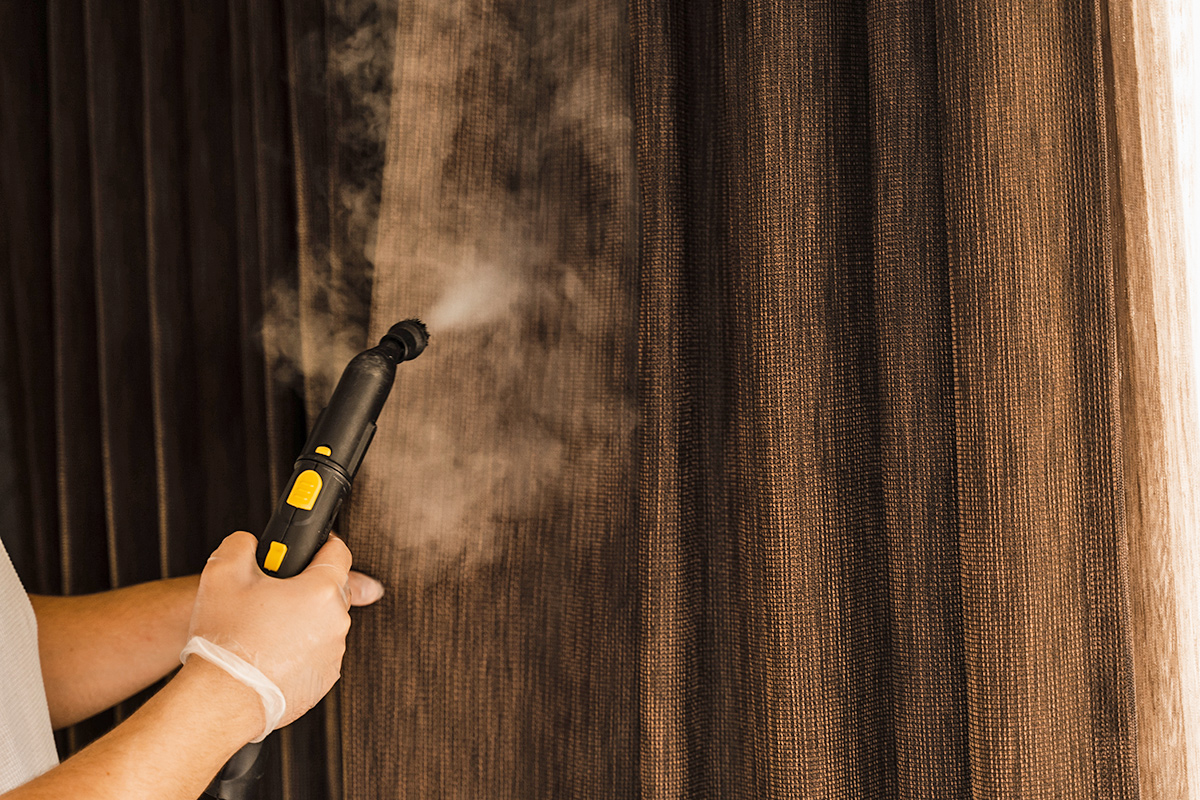
Curtains quietly collect dust, but most don’t need frequent cleaning. Check the care label first: Some curtains can go in the washing machine, while others require dry cleaning. If yours can’t be washed, run an upholstery attachment over them to remove the dust.
Bedroom and living room curtains rarely get dirty enough to need more than this once a year, but kitchen curtains are another story. They absorb grease and cooking smells, so wash them a couple of times a year. The same goes for curtains in homes where someone smokes or allergies flare.
4. Flush Your Water Heater
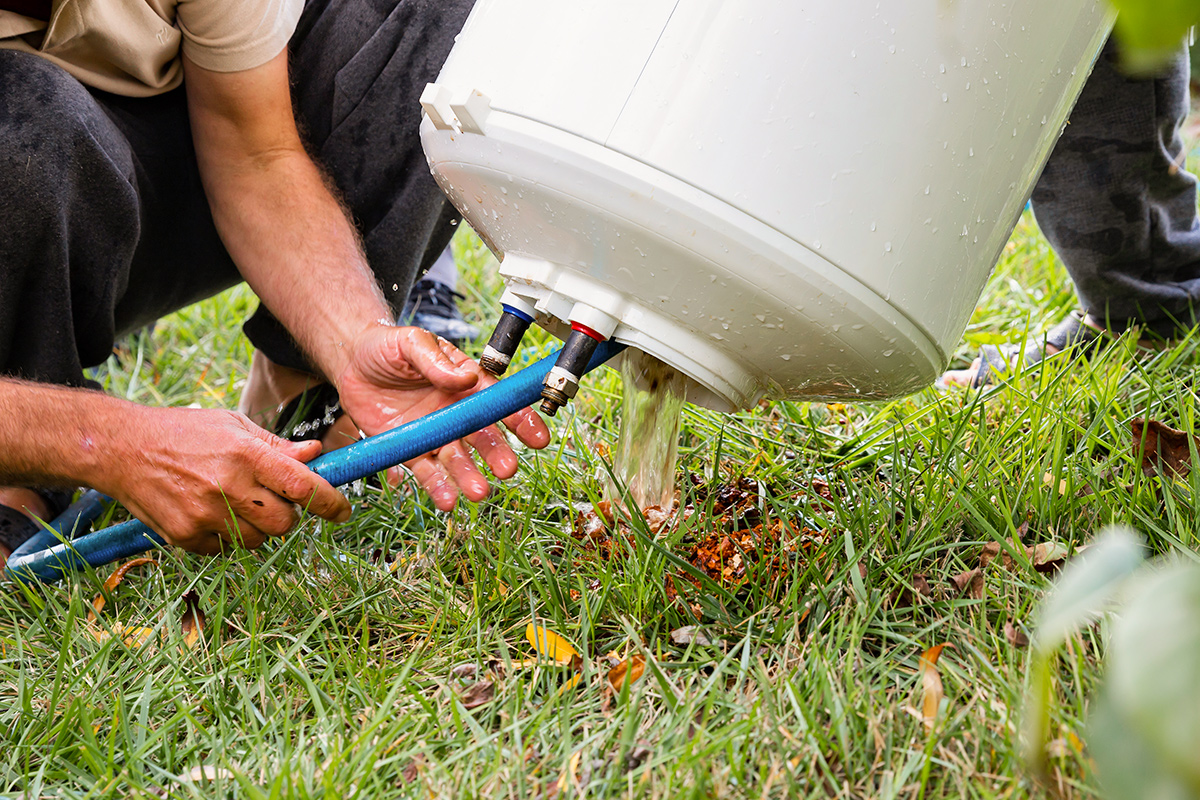
Over time, sediment settles at the bottom of a tank water heater, which makes it less efficient and prone to wearing out sooner. To prevent this, many manufacturers suggest flushing the tank annually. The process typically involves draining water through a hose attached to the drain valve, but don’t wing it. Follow your owner’s manual for the proper procedure, or call a plumber. The water is hot enough to cause burns, and drain valves on older tanks can stick or clog. Tankless heaters work differently and need periodic descaling instead.
If you have hard water, sediment can accumulate faster, so check whether your water heater needs more frequent flushing.
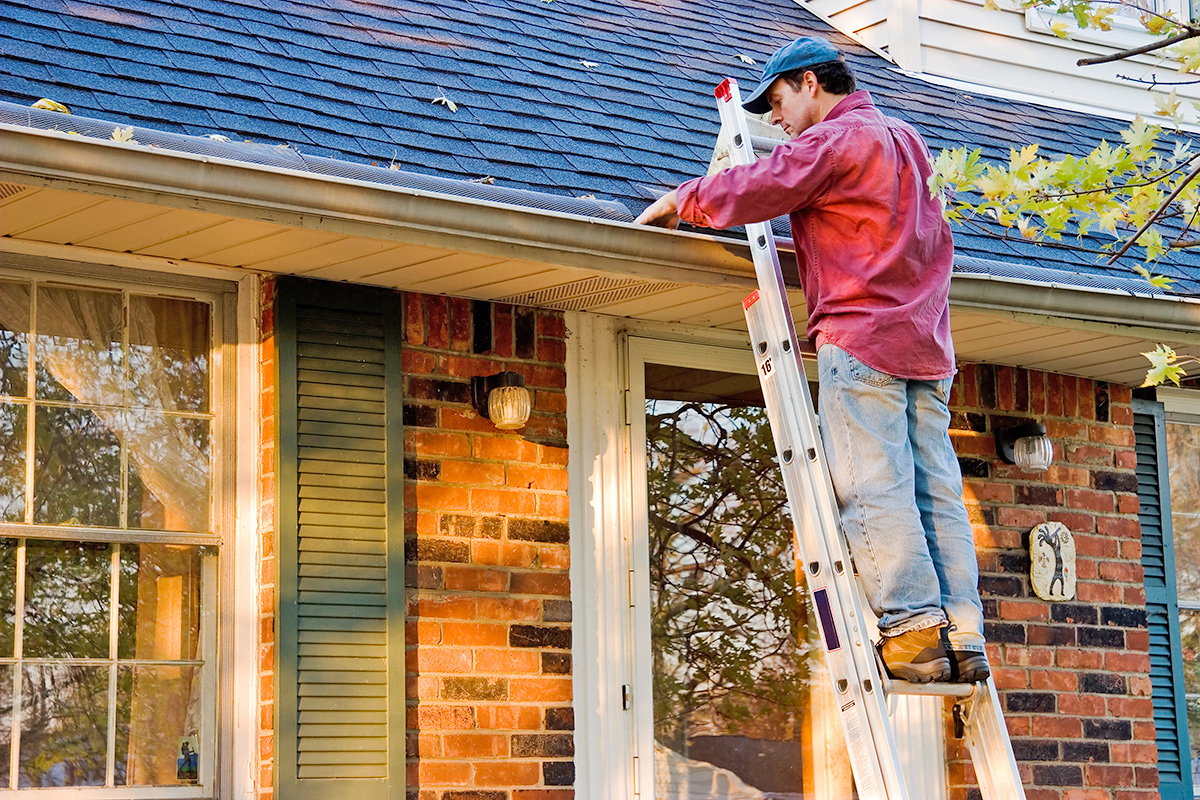
5. Clean Your Gutters
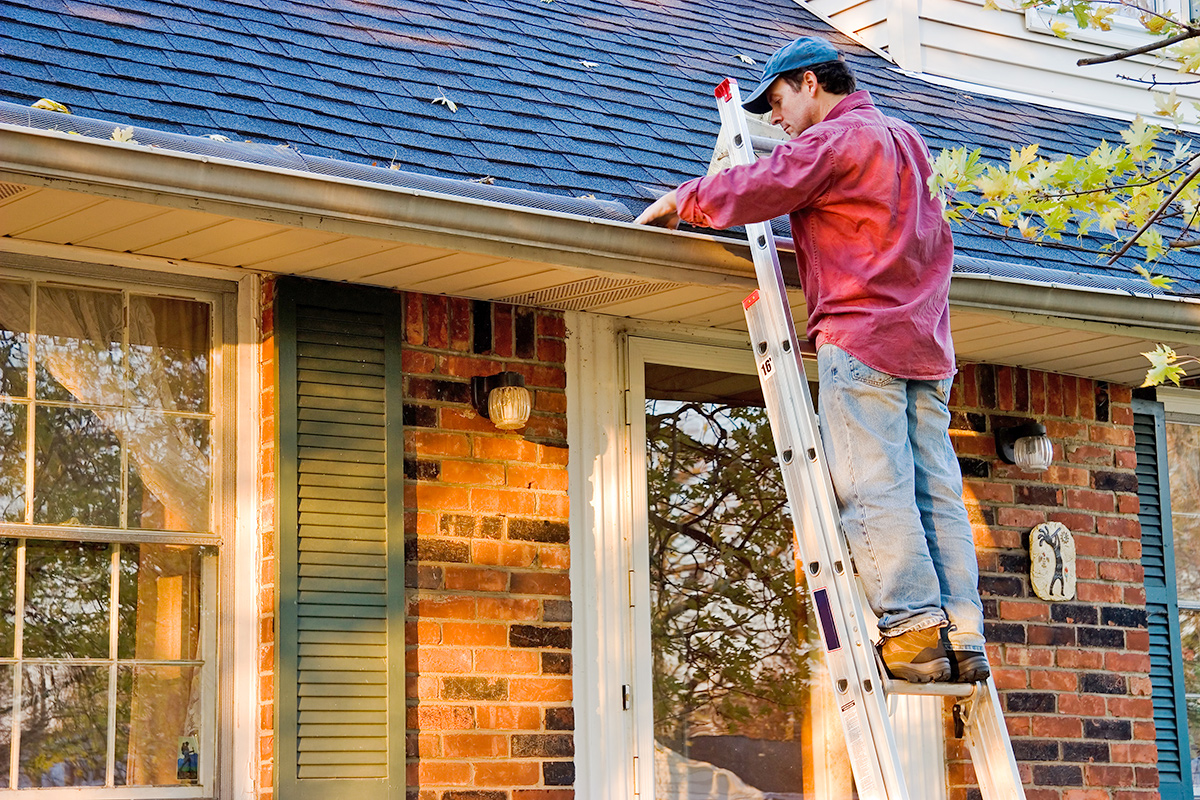
Ladders and slimy leaves can be a dirty (and dangerous) combination. Wait until most of your trees’ leaves have dropped, then clear everything out before winter. Check that the downspouts run freely, and watch for loose or damaged sections while you’re up there. If ladders make you nervous, hire a professional.
This is the chore most likely to need a second round. Large trees near the roof can mean cleaning twice a year or even more often, and it’s smart to check after a big storm.
6. Wash Your Exterior Windows
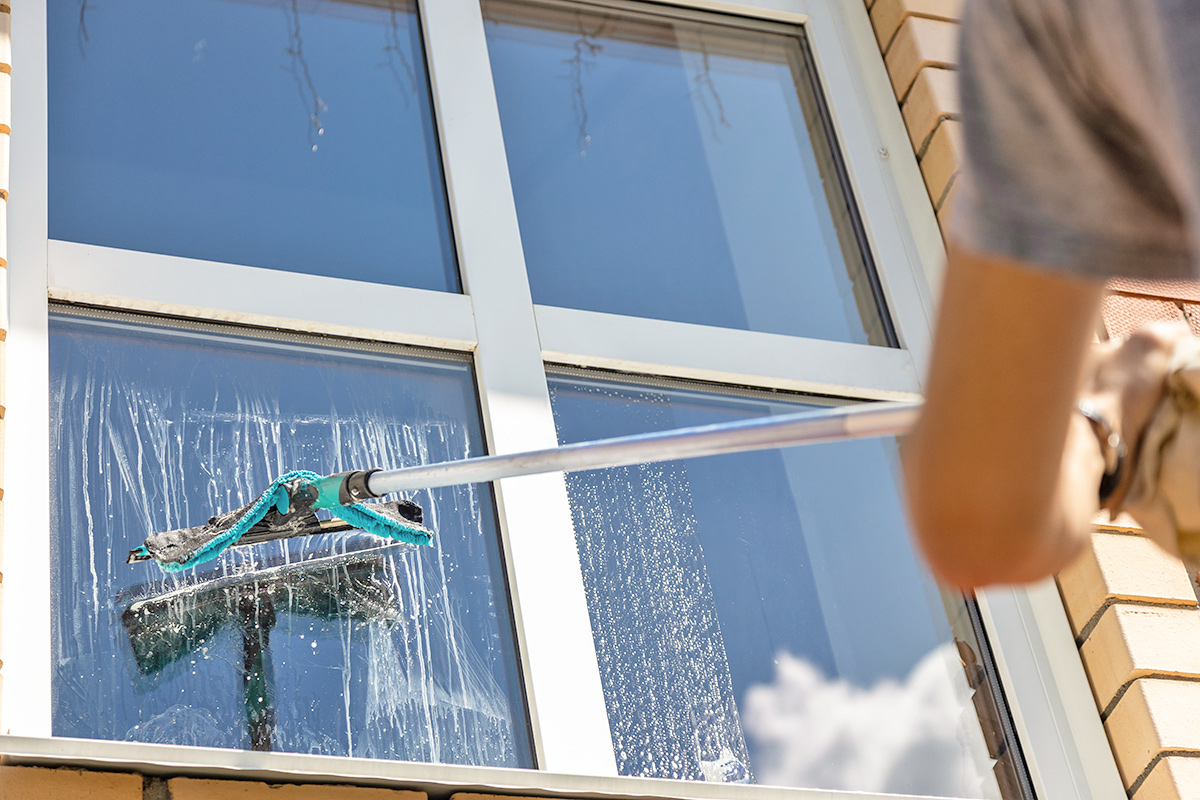
You probably notice fingerprints on the inside of your windows, but the exterior glass can go months without a second look. For most homes, an annual wash is sufficient for clearing away dirt, pollen, and grime. Choose a cloudy day so the cleaner doesn’t evaporate too fast and leave streaks. Use a squeegee or microfiber cloth, working from the top down. Hire a professional for anything you can’t reach safely from the ground.
Homes near an ocean may need several cleanings a year to remove salt residue. The same is true if you’re near a busy road or construction site, where dust builds up quickly.
7. Check Your Weatherstripping
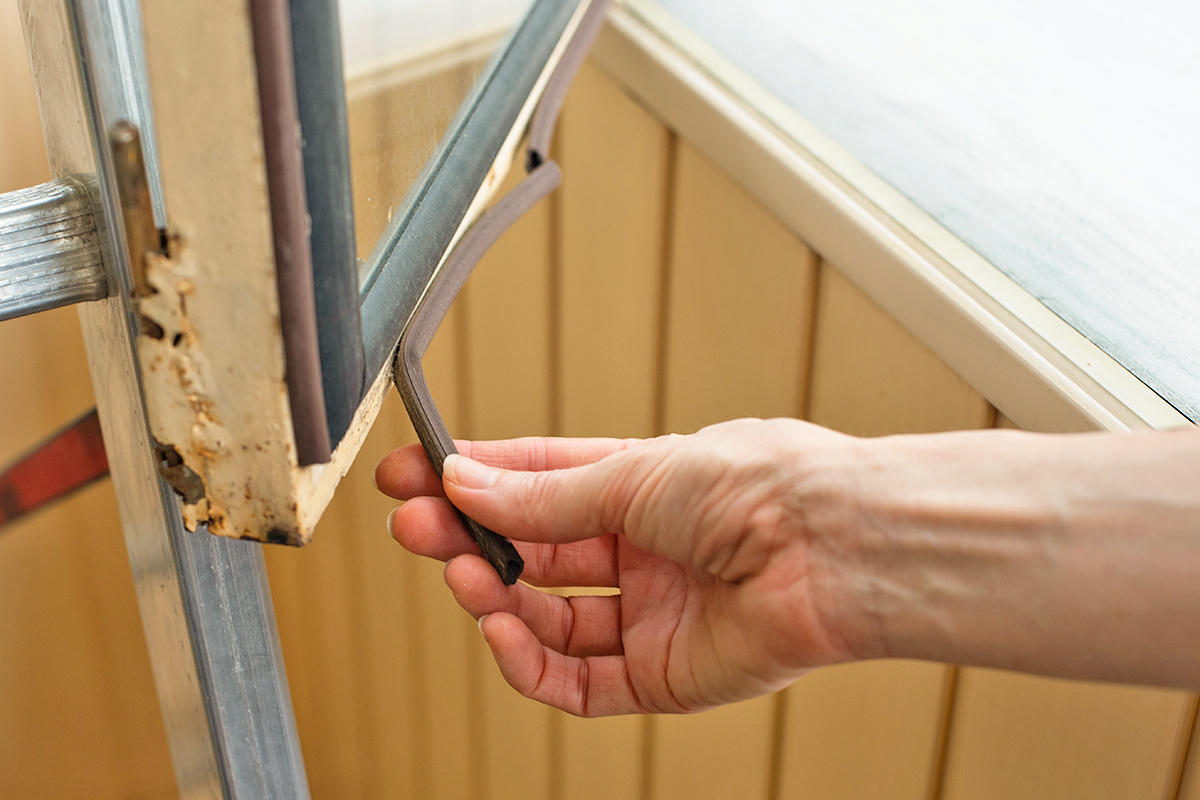
The seals around doors and windows can crack, flatten, and peel due to daily use and temperature changes. This leads to drafts and higher heating and cooling bills. Walk around the house and inspect exterior doors and any windows you can reach. Look for gaps, loose spots, and brittle material. Replace anything damaged with the right type and size for that opening.
To test for drafts, hold your hand near the edges on a windy day, or look for daylight around a closed door. Fall is an ideal time to do this, before freezing temperatures arrive, but if you feel a draft in July, don’t wait.