Walk around your home with fresh eyes. You’ll probably spot one or two things you stopped noticing years ago.
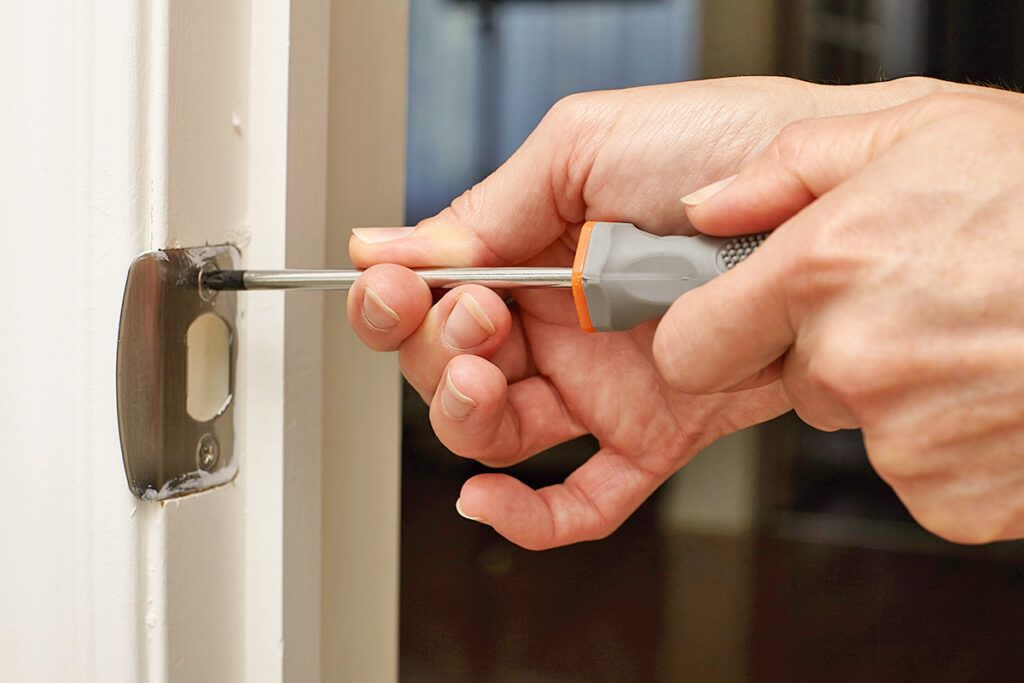
1. Swap the Screws in Your Strike Plate
Pull up the strike plate on your front door — the metal piece the deadbolt slides into — and look at the screws. If they’re short, an intruder can kick in the door without the lock ever giving way because the frame itself will splinter. Swap them for 3-inch screws, which anchor the plate into the framing behind the doorjamb.
Use 3- to 4-inch wood screws for both strike plates and hinges. While you’re at the hardware store, a heavy-duty strike plate is worth the extra few dollars. Match the screws to your door and frame material, and follow the installation instructions that come with the hardware.
2. Add a Second Lock to Your Windows
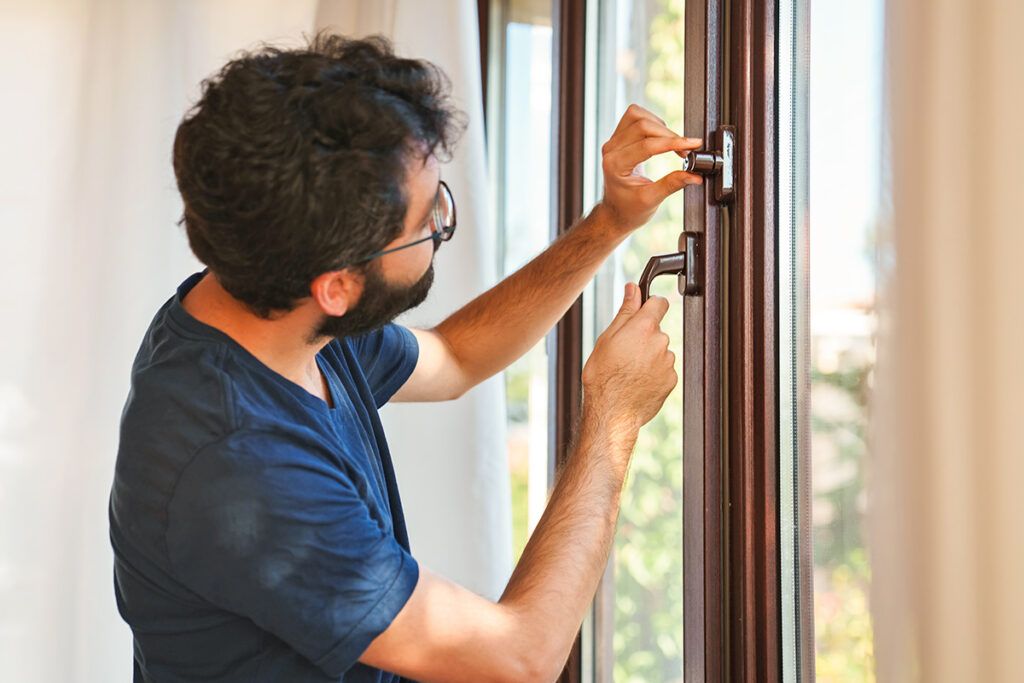
The latch that came with your window shouldn’t be its sole protection. A pin or small secondary lock can make a window harder to force open, particularly on older double-hung windows.
Ensure bedroom windows are still usable as emergency exits, though. If a window is designated as a fire escape, you need to be able to open it from inside without a key or extra step. Keep that in mind before adding any hardware.
3. Put PVC Pipe in Sliding Windows
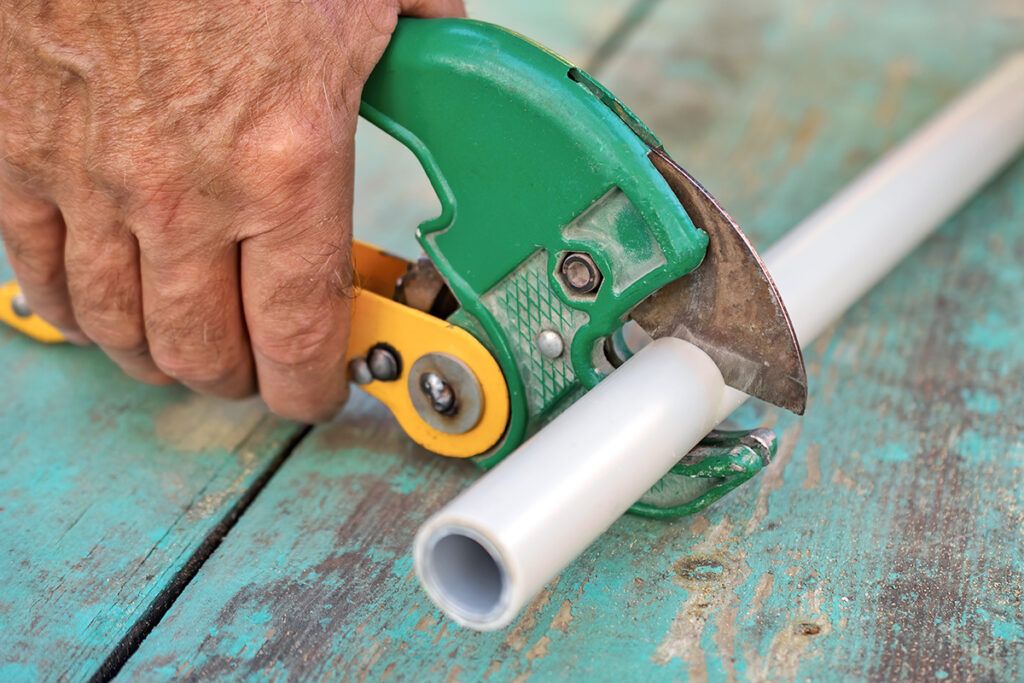
For horizontal sliding windows, the fix is sitting in the plumbing aisle. Cut a piece of PVC pipe to fit into the track — when the window is shut, the pipe blocks it from sliding open even if someone gets past the latch. Wood and metal are also good options.
Measure carefully — you want a snug fit you can still pull out when you want fresh air.
4. Add a Rod to Your Sliding Door
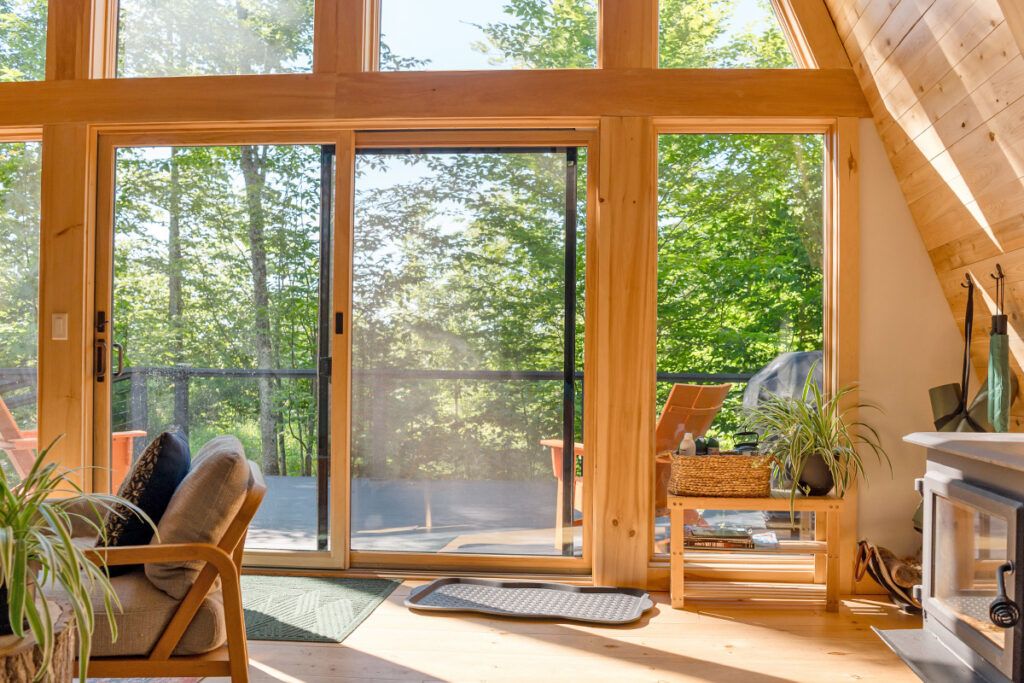
The same basic trick works on a larger scale with a sliding glass door. A removable dowel, piece of wood, or security bar dropped into the track can keep the door from opening if the latch fails.
Some older sliding doors can also be lifted straight out of their tracks. If yours has that issue, check the manufacturer’s recommendations before adding hardware.
5. Light Up the Dark Spots
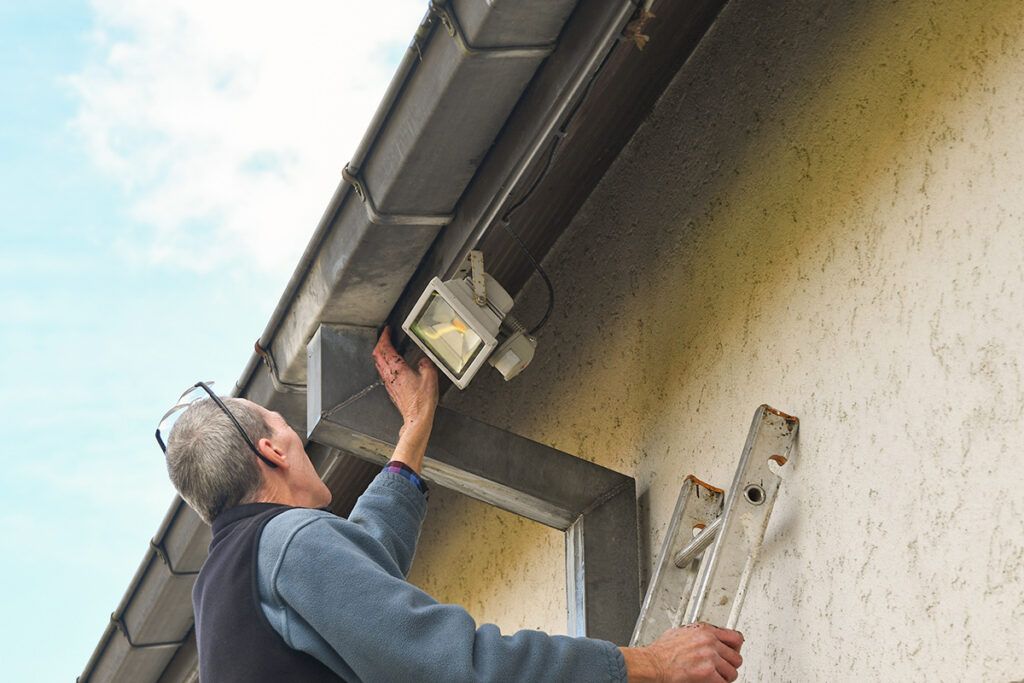
A dark side yard gives intruders plenty of cover. Basic motion-sensor lights aimed at entry points can help, and they’re an easy, low-cost addition.
Pay attention to the areas you don’t regularly see from inside the house: the side gate, garage entrance, back door, or a walkway hidden from the street. Those spots are easy to overlook when planning outdoor lighting.
6. Don’t Ignore the Garage Door
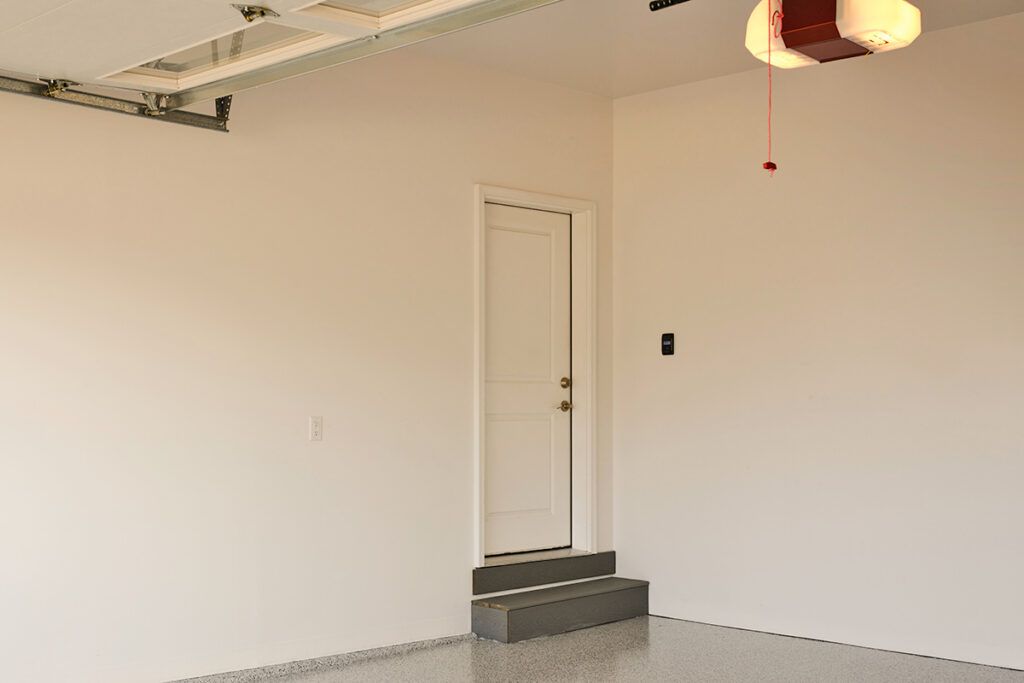
If you have an attached garage, the door connecting it to your house deserves the same attention as any other exterior entry point. Make sure it has a sturdy lock, and consider a deadbolt if the door is designed for one. Burglars frequently exploit this commonly overlooked weak spot.
Don’t forget the garage door itself. Close it all the way every time, even for a quick errand. Leaving it open offers anyone outside a clear look at what’s inside.
7. Use Timers When You’re Away
A house that’s dark every night while you’re on vacation is a pretty obvious signal that nobody’s home. Cheap plug-in timers can turn a lamp or two on and off while you’re gone.
Stagger a couple of them on different schedules rather than having everything click on at the same minute. The goal is to illuminate lights like you would manually on a normal evening — they shouldn’t look like they were set once and forgotten.
8. Make It a Habit, Not a Onetime Check
It’s easy for these fixes to slip once you’ve made them. Set a reminder to walk your property every few months — after a storm, before a trip, or when the seasons change and vegetation shifts alter what the outdoor lights cover. Most of these fixes cost very little, but they help only if you maintain them.

More from our network
House Outlook is part of Inbox Studio, which publishes content that uplifts, informs, and inspires.