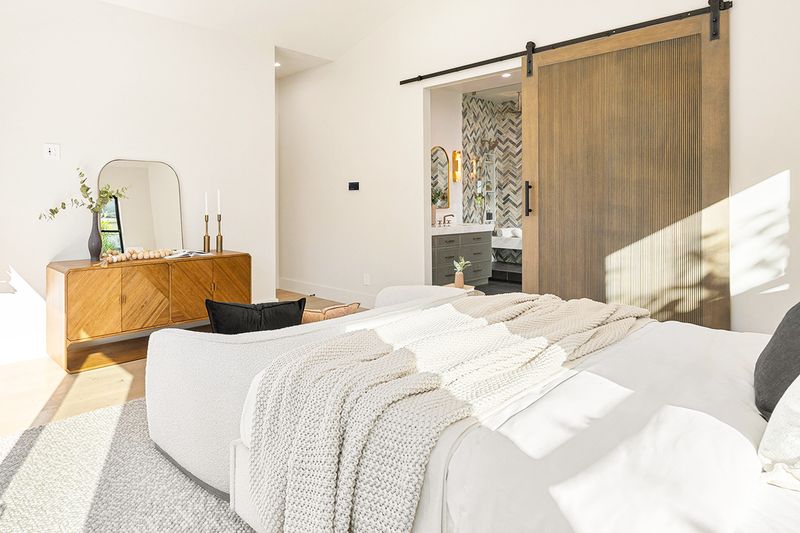
Before you embark on an expensive renovation or redesign, consider these common design trends that interior designers say homeowners regret the most.
Granny Chic Style
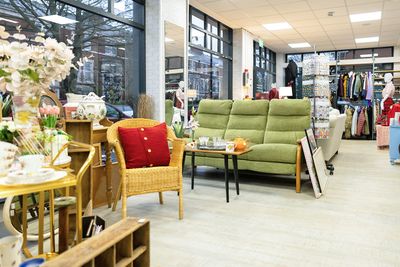
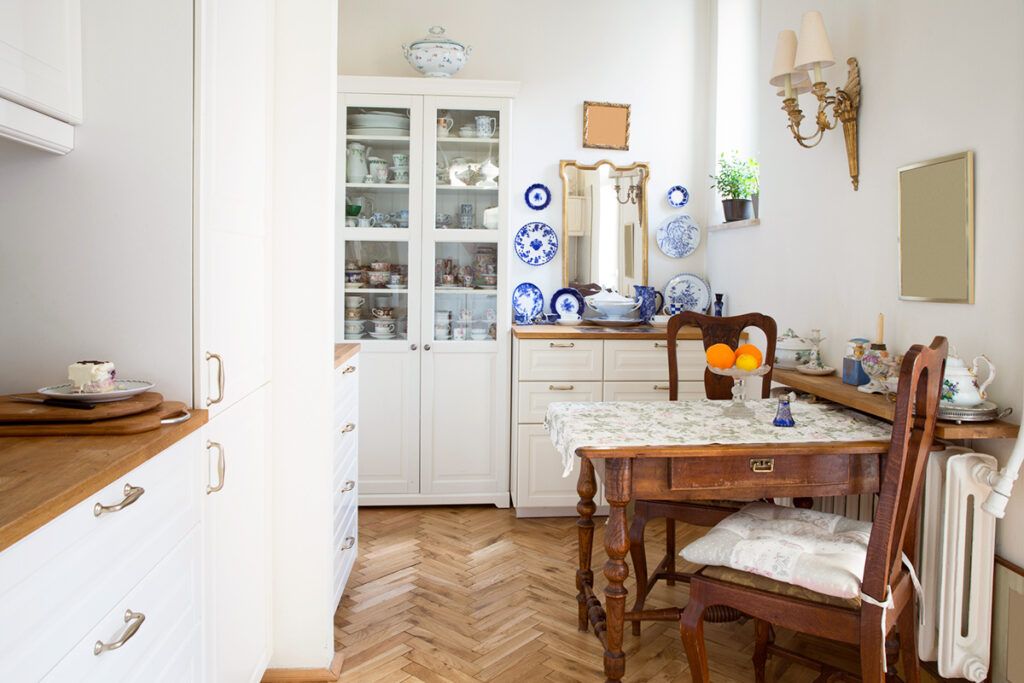
Santa Monica and Montecito, California-based interior designer Janette Mallory consistently cautions clients against the current “granny chic” trend — an explosion of loud colors, bold patterns, and heavily layered visuals applied to everything from wallpaper and rugs to upholstery.
“I’ve never seen a trend move this fast, and spaces designed around it tend to age almost immediately,” Mallory says. “In my experience, I tend to tire quickly of intense colors and patterns, especially on sofas, chairs, and other foundational pieces. What feels exciting today can often feel overwhelming just a year or two later.”
Barn Doors
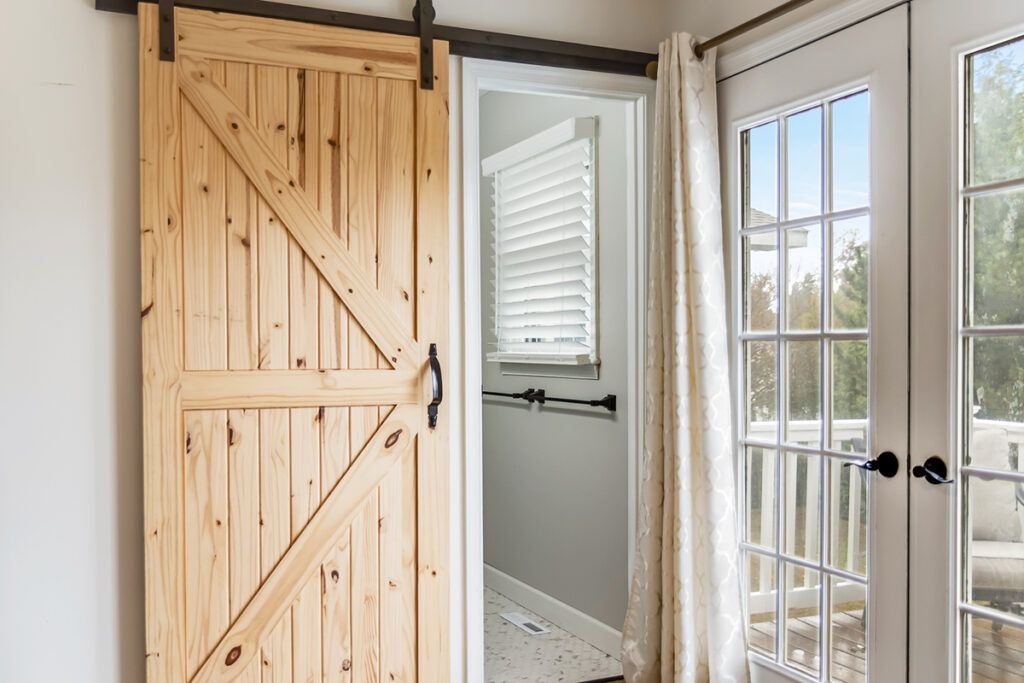
Barn doors can be charming, but they’re often impractical, says Jake Fry, founding owner and partner of the construction and design company Smallworks. They tend to slam against light-colored walls, causing scuffs and damage, and since they don’t sit flush, they do little to block out light, noise, or odors. Unless you can hear cows mooing from your front porch, barn doors can appear gimmicky over time.
More from our network
House Outlook is part of Inbox Studio, which publishes content that uplifts, informs, and inspires.





Going All In on a Trend
Design trends don’t just come and go — they rise, peak, saturate, and inevitably fade. You don’t want to find yourself playing catch-up to a trend already on the downturn.
“A regrettable mistake is to go all in on any trend, especially if you are late to the party,” says Carey Karlan of the Stamford, Connecticut, firm Last Detail Interior Design. “So many clients resisted the recently departed neutral-gray trend until it was almost over and then embraced it too enthusiastically to try to be current. Because of late decisions like that, we were then playing catch up when the mood shifted to the next [trend].”
Open Shelving
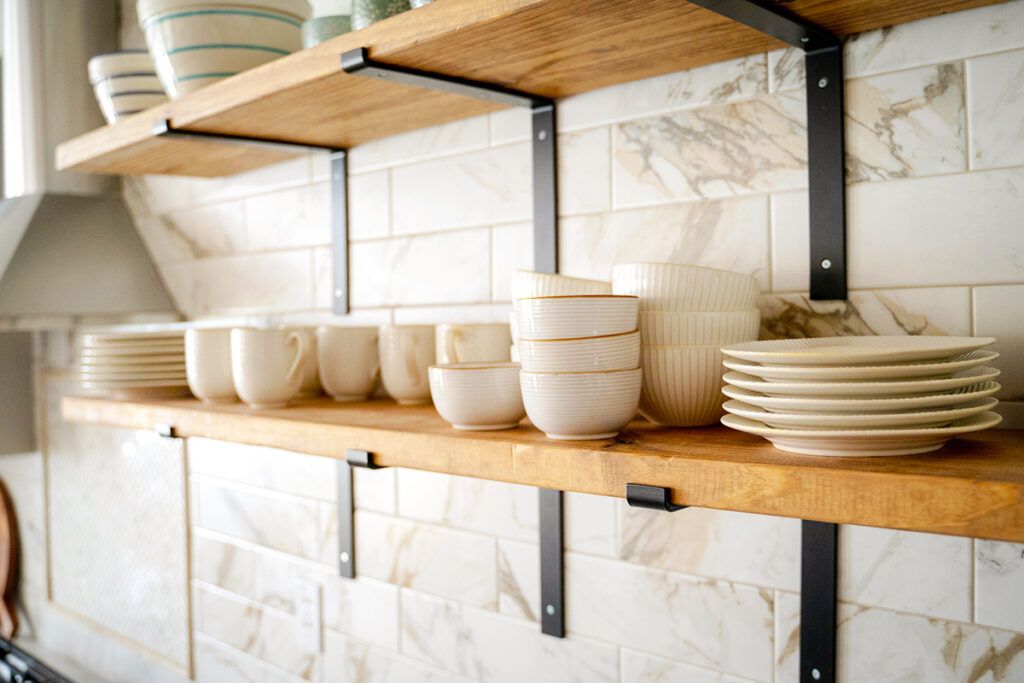
Think twice before you ditch cabinet fronts. Mallory warns that open shelving, especially in kitchens and bathrooms, often creates more stress than style. The drawbacks range “from constant dust and visual clutter to reduced storage and the pressure to keep everything perfectly styled at all times,” she says.


High-Maintenance Tiles
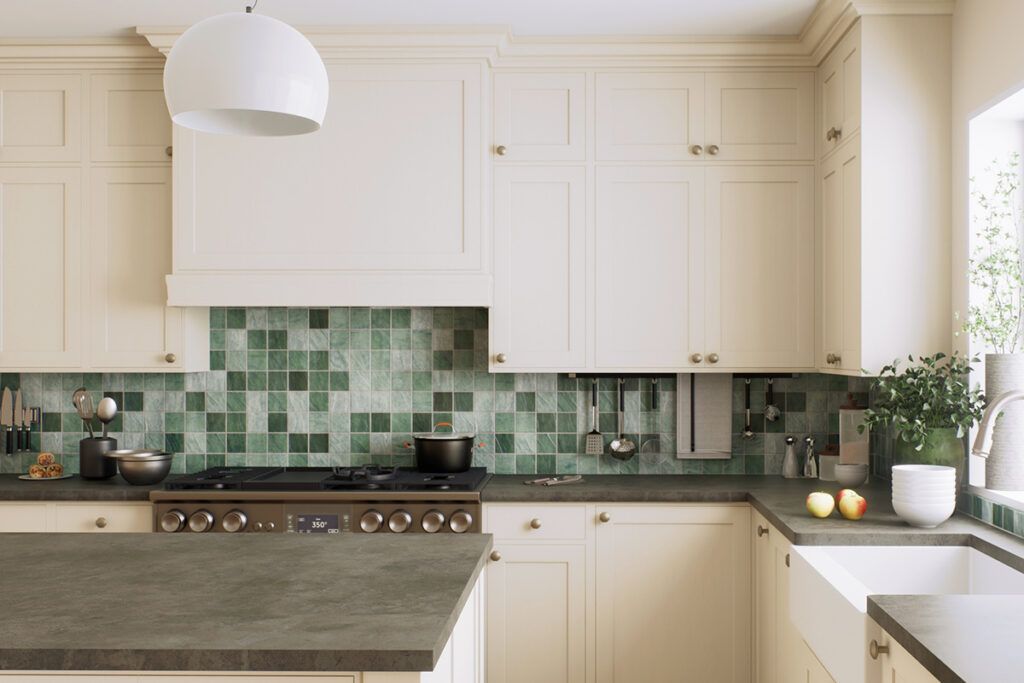
Some of the most covetable tile selections come with long-term drawbacks. Jamie Chappell, vice president of brand and product at Fireclay Tile, points to two popular choices homeowners often regret.
“Zellige tile is undeniably beautiful, but it’s often more trouble than it’s worth,” Chappell says. Because each piece is handmade — resulting in variations in size and thickness — installation is often slow and tricky. Plus, the tiles are prone to surface chips and stains and must be sealed regularly to stay protected.
Cement tile presents similar challenges. “Cement tile’s bold patterns are stunning, but the upkeep can be a nightmare,” Chappell says. “It’s highly porous, so it stains and etches easily — think lemon juice or tomato sauce leaving permanent marks. It needs frequent sealing and careful maintenance, and it’s heavy and labor-intensive to install. Many versions are also made overseas with high water and energy use, which makes it less sustainable than it looks.”
Matte Black Fixtures
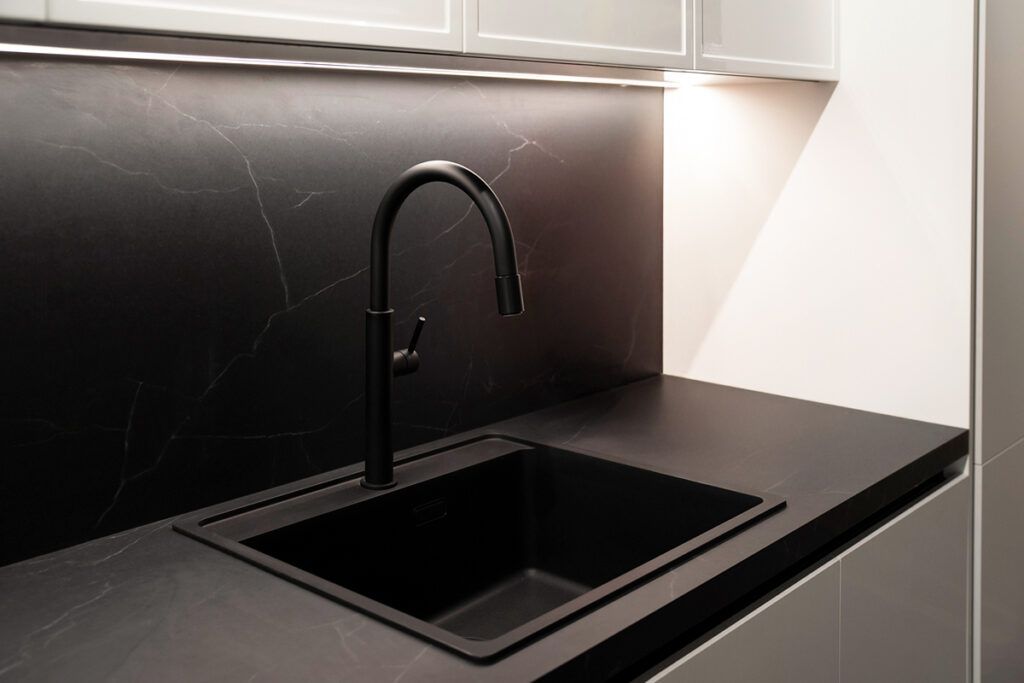
Matte black fixtures may look sleek when first installed, but they’re notoriously unforgiving in real life. Fry advises against them, noting they are prone to scratching and showing water spots. Instead, he suggests choosing more durable materials, such as unlacquered brass, polished nickel, or polished chrome, which are inherently timeless and wear beautifully as they age.
The All-White Farmhouse Look
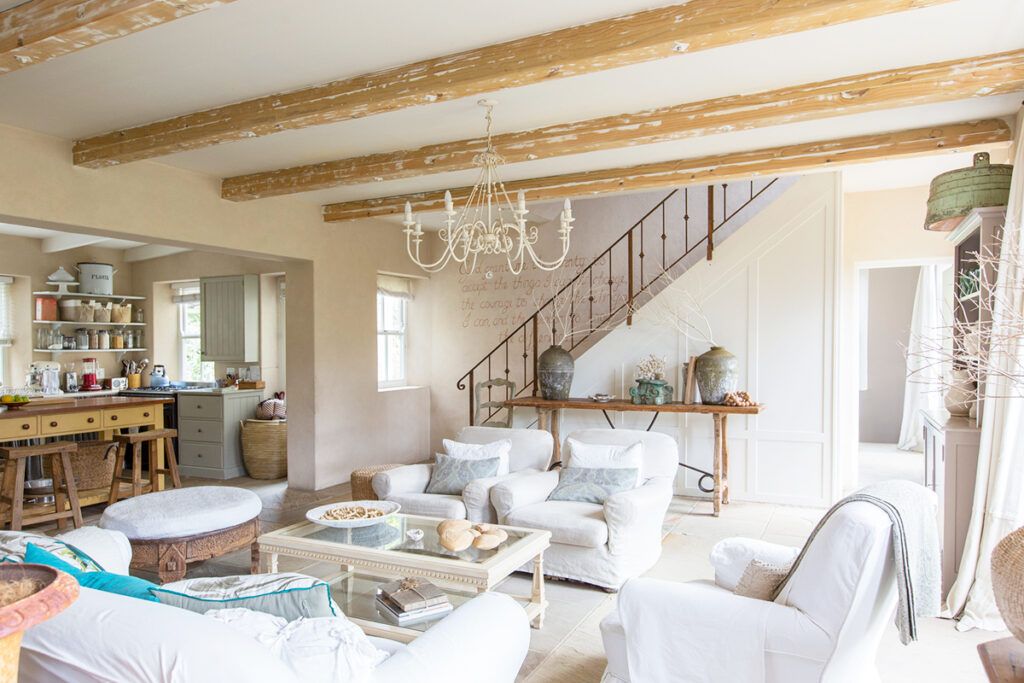
The popular all-white, white oak, modern farmhouse style may seem like a safe choice, but designers warn it can appear tired. Mallory describes the look as “an overly minimal white box.” While it once felt fresh, she says it has “quickly become flat, predictable, and dated as the trend [has saturated] the market.” Fry agrees, noting that these white-on-white designs show every single mark, creating stress and constant upkeep for homeowners.
Bold Materials on Permanent Surfaces
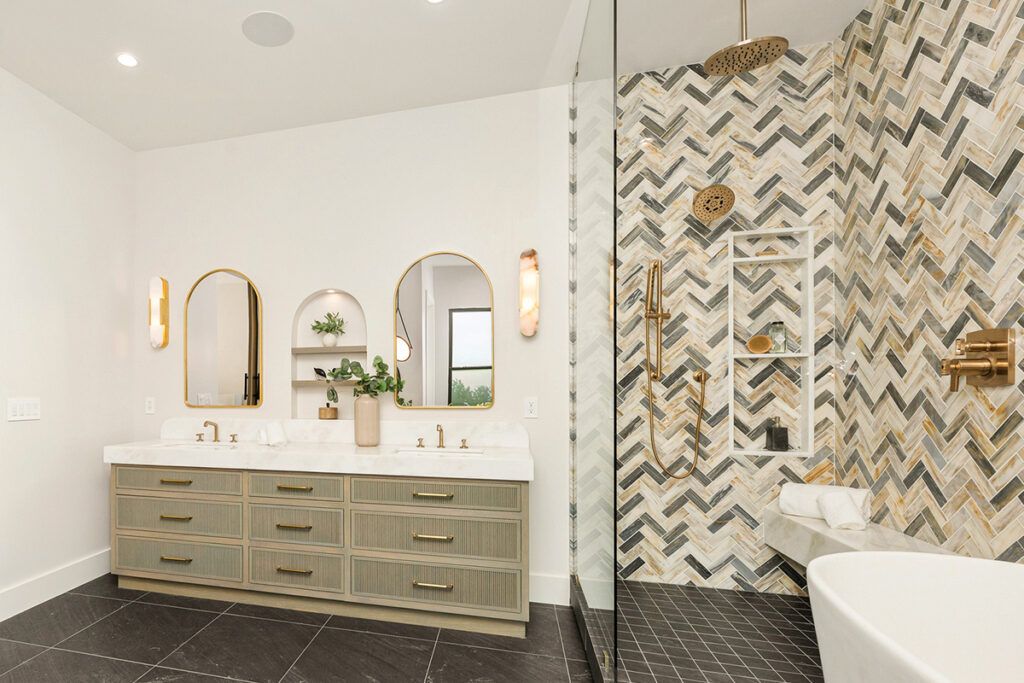
Think twice before committing to statement finishes on surfaces that are difficult — not to mention expensive — to change. “I usually caution clients against committing to very loud tiles, high-contrast patterned stone, or overly saturated colors on permanent surfaces,” Mallory says. “They’re trending now, but they tend to dominate a space and feel dated much faster than quieter, more timeless materials.”