Why Wait for Winter To Pass?
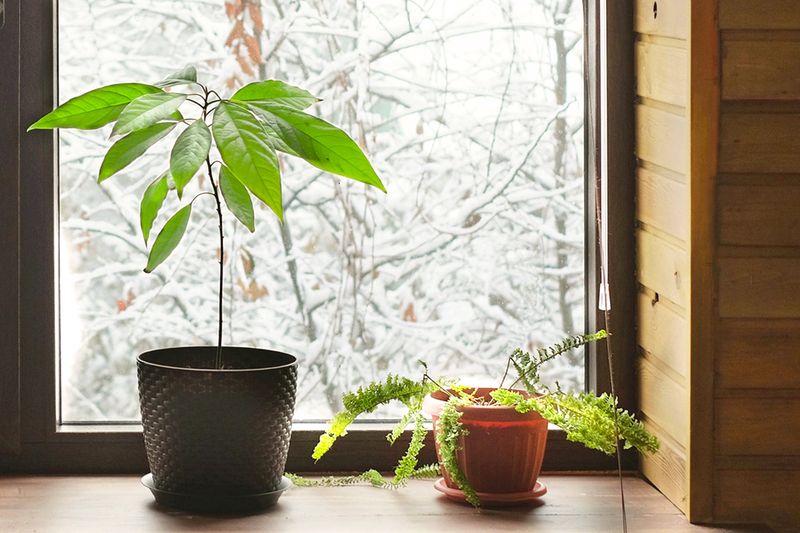
No matter where you live, winter brings shorter days and less of the sunlight plants need to photosynthesize carbon and water into glucose, aka natural plant food. Repotting when light is scarce can stress them out because they just don’t have the energy reserves they’d have in, say, early summer. Plus, with less sun to help excess water evaporate from the surface of your plant’s soil, even the most seasoned plant parents can accidentally overwater.
Many plants go semidormant in the winter and uprooting during their hibernation cycle can send them into shock. Unless a repot is absolutely necessary, hold off until early to mid-spring or until you see the first signs of new growth. This way, your plants will have the best conditions for laying strong, happy roots in their new homes.
More from our network
House Outlook is part of Inbox Studio, which publishes content that uplifts, informs, and inspires.





The Right Time To Repot
Sometimes, waiting for longer, warmer days isn’t the right move, and emergency intervention is the answer. Root problems shouldn’t be put off. If your plant is severely rootbound, with roots peeking over the soil or pushing through the drainage holes, you’ll want to repot sooner rather than later. An even more urgent matter is root rot, caused by overwatering. If you spot yellow, wilting leaves on a plant with moist soil; mushy, dark brown or black roots; or a sour smell, you’ll need to act fast. Rinse and cut away the affected roots, then repot the plant in a clean container with fresh, well-draining soil.
Finally, a swarm of fungus gnats could be a sign that your plant needs to be repotted. If you’re close to spring, you could try using sticky traps to catch the adults. If you have a bad case, however, you’ll need to target the larvae living beneath the soil. Toss that old soil, give the container a deep clean with hot soapy water to kill any lingering eggs, and start fresh with a high-quality potting mix.