The result is visual chaos. Fortunately, there’s an easy fix. With a simple mindset shift and a few smart guidelines, you’ll be layering prints like a pro in no time.
First, Decide What Kind of Decorator You Are
Walters says there are two kinds of decorators: color people and pattern people. While many of us try to be both, the results often feel disjointed. The real magic happens when you pick a lane.
If you’re drawn to color, let your home come alive through rich hues and bold contrasts. Lean into saturated paint, statement upholstery, and materials that carry your preferred color palette across the room. Let your colors do the talking while keeping patterns to a minimum.
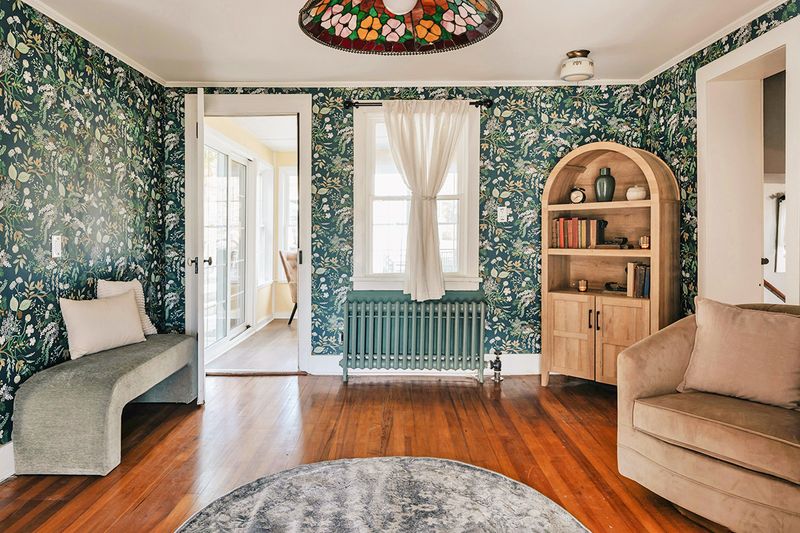
If you’re more of a pattern person, focus on texture and layering. Consider adding wallpaper, patterned rugs, graphic tile, and printed upholstered furniture to build a collected, dimensional look. Don’t just pick your prints haphazardly — instead, use them within a structured framework.
More from our network
House Outlook is part of Inbox Studio, which publishes content that uplifts, informs, and inspires.



Keep the Palette Tight and the Patterns Balanced
For pattern lovers, Walters says successful mixing comes down to two key rules:
1. Stick to Two or Three Tones
A tight color palette keeps the room cohesive. Whether you’re playing with stripes, florals, geometrics, animal prints, or all of the above, repeating the same curated colors makes every element feel intentional rather than overwhelming.
2. Mix the Scale of the Patterns
Varying the scale of the patterns is essential for a balanced, purposeful look. Aim for a mix of one large, one medium, and one small print. Then, let solid colors — perhaps on your furniture or walls — act as the visual breathing space between them. By varying the scale, you allow the eye to rest, ensuring your patterns look expertly styled instead of noisy.