A functional kitchen isn’t about owning one more cookie sheet or coffee mug — it often relies on what you don’t have. Pantry staples past their prime and takeout containers with unidentifiable contents quietly steal precious space, making navigating your kitchen harder than it needs to be. Here are 15 things professional organizers say you…
1. Stale Pantry Food
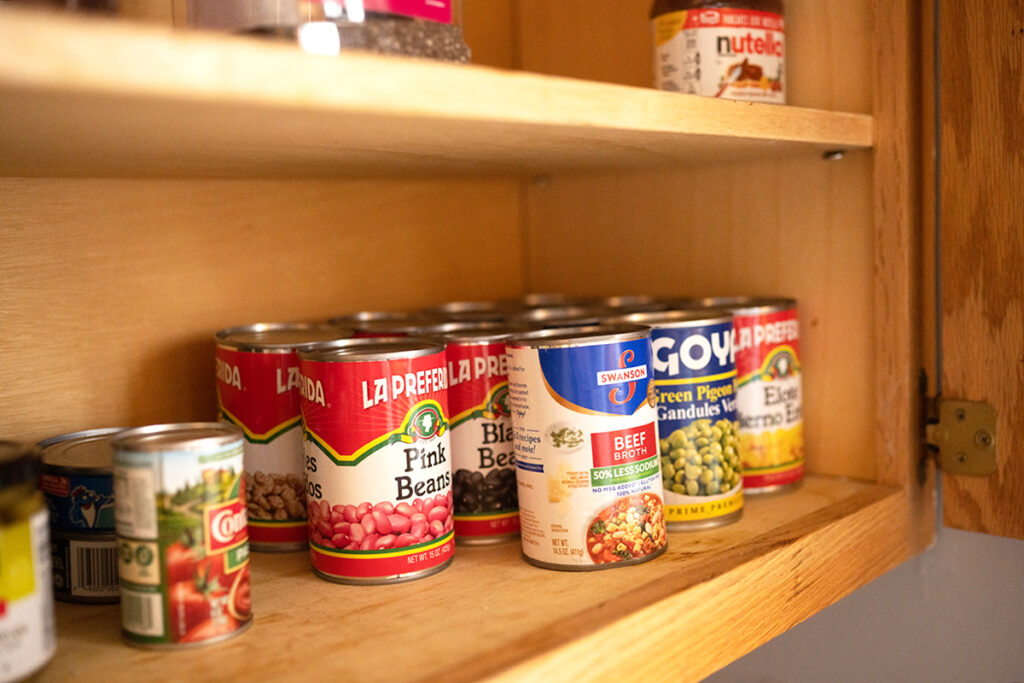
Start in the pantry by tossing stale grains and consolidating any half-used bags of flour. “Getting rid of expired or stale pantry items makes cooking, baking, packing lunches, and everyday grocery shopping so much easier,” says Olivia Parks, owner and lead organizer of Professional Organizer New Orleans. Not only does it help you reclaim valuable space, but it also makes it easier to access what you actually use.
2. Expired Spices
A dash of cinnamon from a decade-old jar won’t hurt you, but it won’t add much flavor either. Expired spices are dull and offer fewer health benefits, whereas fresher options taste and smell better.
More from our network
House Outlook is part of Inbox Studio, which publishes content that uplifts, informs, and inspires.



3. Cookbooks You Never Open
“Favorite recipes come and go like fashion trends,” says Laurie Hise of Passionate Penny Pincher. Cookbooks can have nostalgic charm, but if one hasn’t inspired a meal in over a year, it doesn’t deserve prime kitchen real estate. Either store it elsewhere or simply take photos of the recipes you use and donate the book to your local Little Free Library.
4. Excess Water Bottles
Water bottles multiply quickly, from freebies at work events to those “oops, I forgot a water bottle” airport purchases. Hise recommends keeping the two or three you use most often and letting the rest go.

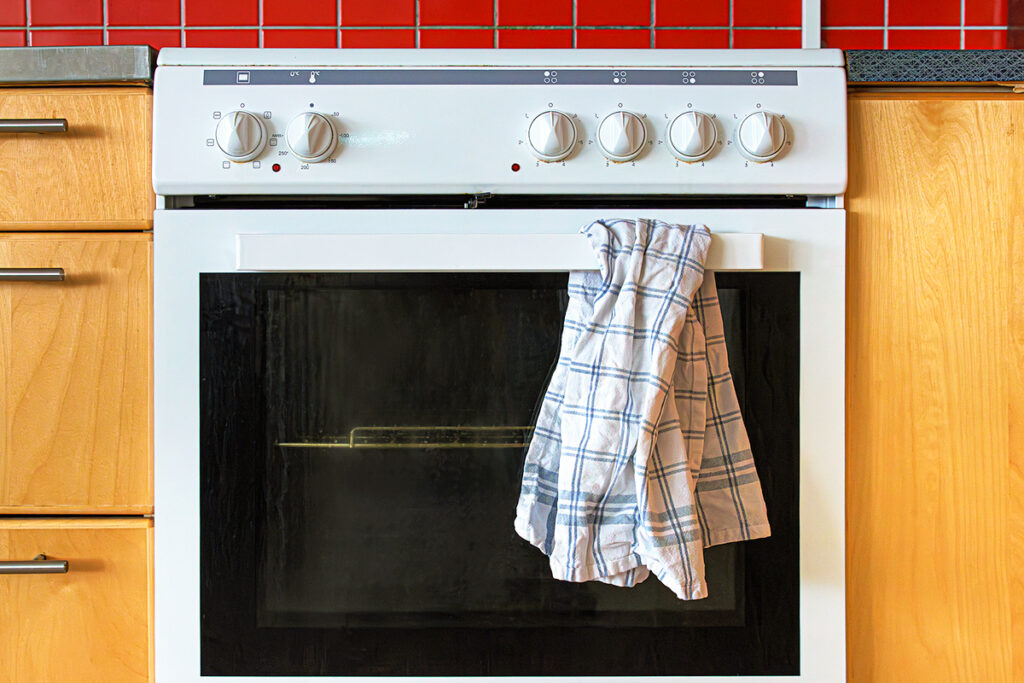
5. Raggedy Kitchen Towels
There’s a place for stained, ripped, and frayed towels, but it isn’t in your kitchen. Move those to the cleaning rag bin.
6. Chipped Mugs
That novelty mug from your family’s road trip to Mount Rushmore is cute, but if it’s chipped, it’s taking up valuable cabinet space. If a chipped mug has sentimental value, move it to a safer spot instead of letting it clutter your coffee zone.
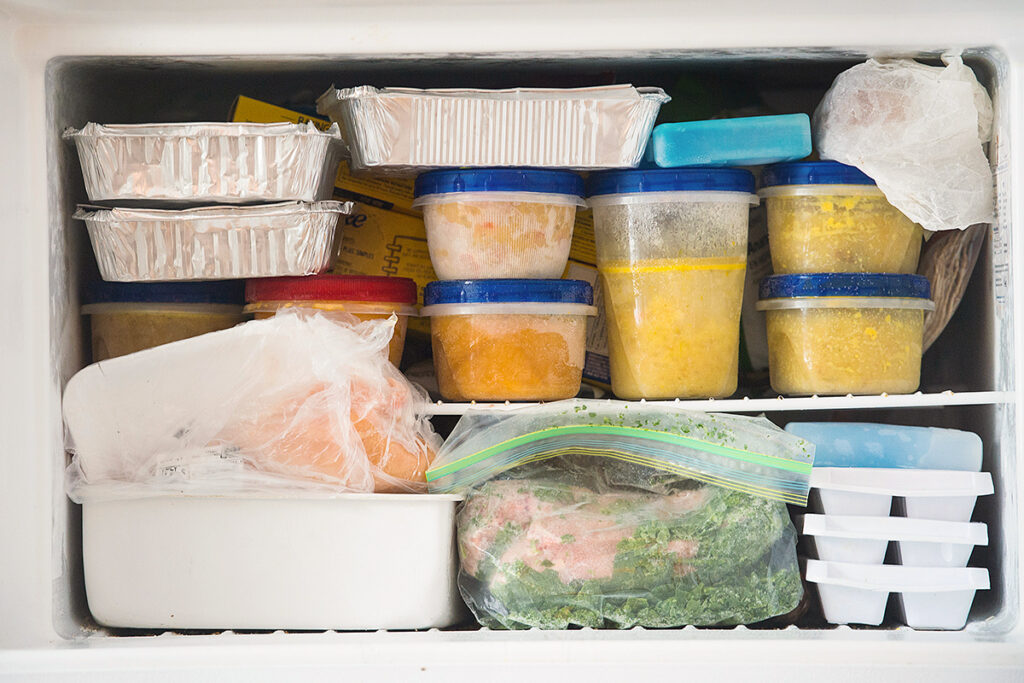
7. Old Food in the Fridge and Freezer
Freezer-burned ice cream, wilted produce, and moldy leftovers should all be tossed. “It makes it easier to keep your fridge and freezer clean and helps prevent [further] food waste,” Parks says.
8. Cracked or Lidless Containers
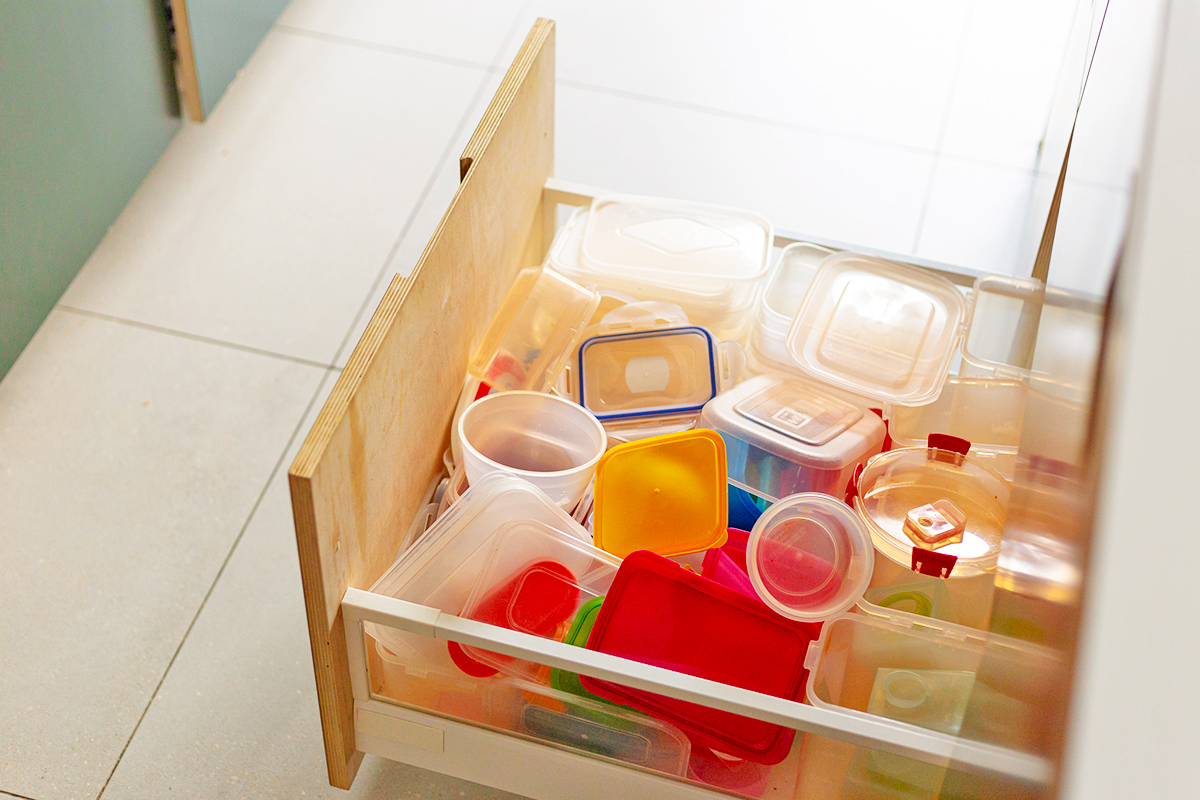
We all dream of an organized drawer full of matching food storage containers. But the reality is often a chaotic pile of lidless tubs and spaghetti sauce-stained containers. Toss anything cracked, warped, stained, or missing its counterpart. “If you’ve got a drawer full of mystery lids hoping to reunite with long-lost tubs, it’s time to let them go,” Hise says.
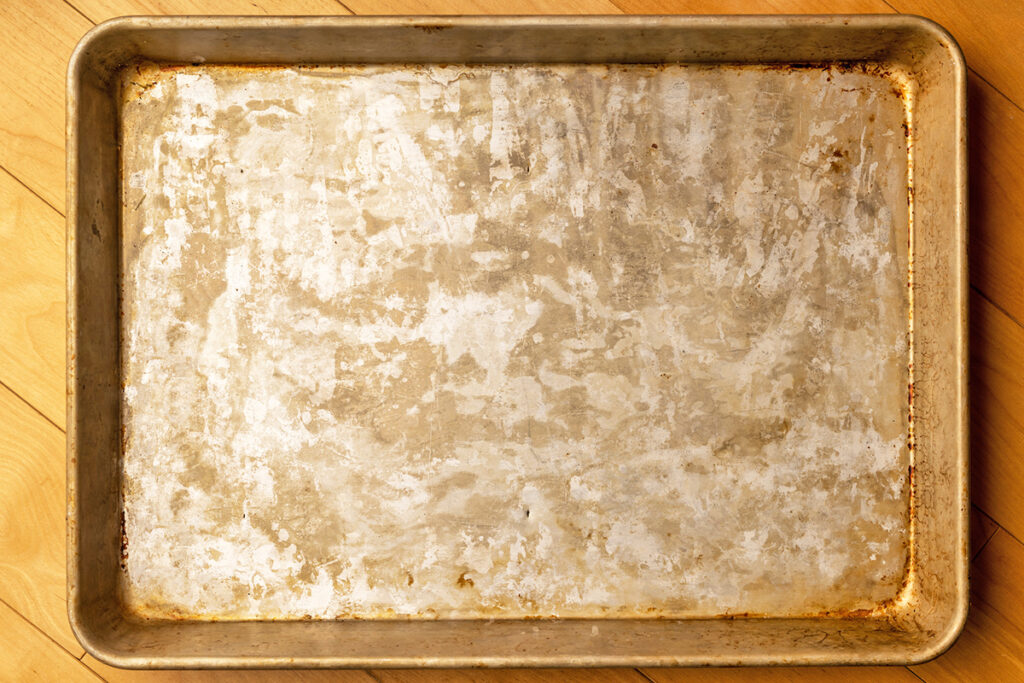
9. Worn-Out Baking Sheets
“Old baking sheets that are scratched or heavily stained don’t cook evenly and often cause food to stick,” Hise says. Clear out old or duplicate pans so you have reliable ones ready for everyday cooking and baking.
10. Duplicate Utensils
Two or three spatulas are useful, but six is excessive. “Every extra one you don’t use is just taking unnecessary drawer space or, even worse, cluttering your countertops,” Hise says. “Keep the best ones you use consistently and ditch the rest.”
11. Single-Use Gadgets
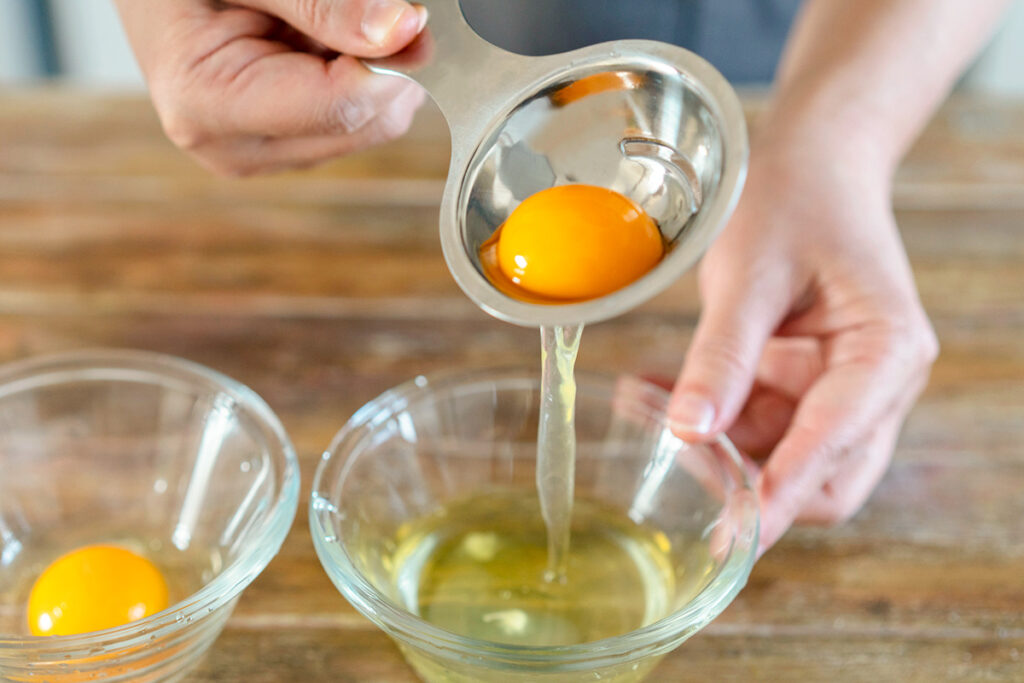
“Unique, single-use gadgets that looked cool on social media — think watermelon cubers, egg separators, corn strippers, or even banana slicers — can go,” Hise says. A single good knife can do it all instead.
12. Junk Drawer Fillers
A junk drawer is meant to be helpful in times of dead remotes or the rare occasion you need a rubber band. Don’t let it become a museum of random receipts and expired coupons. “Junk drawers fill up fast, so clearing out dried pens, broken crayons, and old keys will free up space and make finding the things you actually need much easier,” Parks says.
13. Takeout Condiment Packs
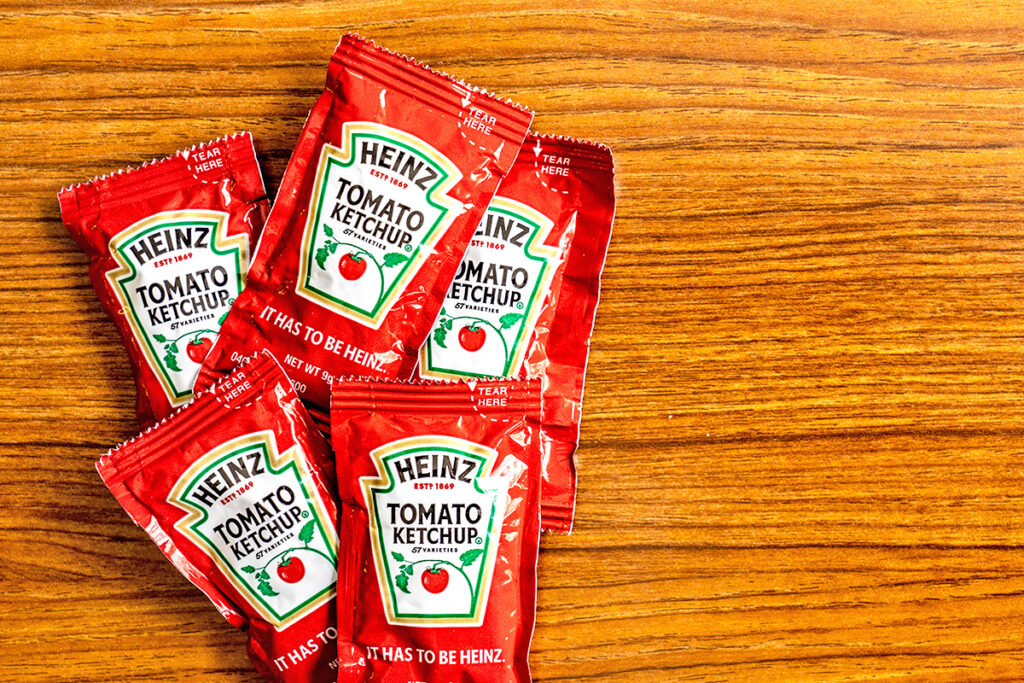
Be honest: Will you ever use those ketchup packets? Probably not. Toss any condiment packs and plastic cutlery you’ve accumulated from takeout orders.
14. Scratched Cutting Boards
Bacteria love to hang out in grooves and gouges before making their way into your dinner. If your cutting board is full of deep scores, retire it not just for style, but for safety.
15. Anything You Haven’t Used in a Year
A good rule of thumb: If you haven’t used something in a year, and it’s not seasonal or sentimental, you likely won’t miss it.