Given that washing machines exist to make other objects clean, it makes sense that you’d want to keep them clean as well. That’s easier said than done, however, since there’s no such thing as a “washing machine washer.” Though these time-saving appliances are fairly low-maintenance when it comes to cleanliness, they do carry some risks,…
When Is a Door Not a Door?
Washing machines spend the vast majority of their existence closed, which prevents airflow. As moisture develops inside, this enclosed space turns into a humid, dank environment perfect for growing mold. The problem is only compounded when you forget to take your clothes out as soon as you hear that instantly recognizable beep and they develop a musty scent after sitting for too long. To prevent all that unpleasantness, simply leave the door ajar between uses. If the open door gets in the way, aim to keep it unlatched for at least for a few hours after finishing each load.
Deep Clean
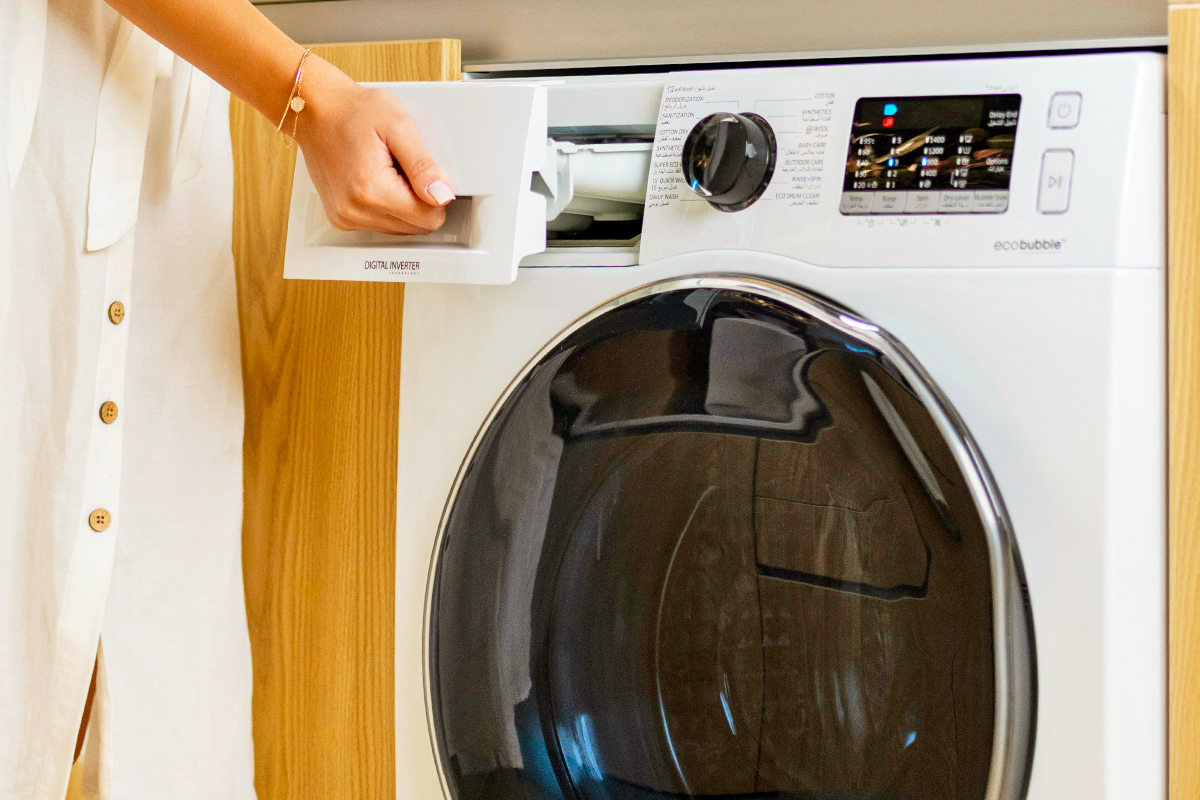
That’s not all you can do, of course. If you have a front-load washing machine, which is particularly susceptible to mold, you should pull out the detergent drawer and dry the rubber gasket with a microfiber towel after each use. For a deeper clean, mix 1 cup distilled white vinegar, 1 cup water, and 1 teaspoon liquid dish soap. Pour the solution into a spray bottle and coat the entire gasket, allowing it to sit for a few minutes. Then, use an old toothbrush to scrub any stubborn or tight spots, wiping away the grime as you go. Remember to rinse the gasket with clean water afterward to prevent potential damage to the rubber.
More from our network
House Outlook is part of Inbox Studio, which publishes content that uplifts, informs, and inspires.




Cleaning a top-load washing machine requires less elbow grease. Select the hottest water setting and the longest cycle (or largest load size). If available, use your machine’s “Clean Tub” cycle. As the water runs, add 4 cups of distilled white vinegar to the drum. Allow the machine to agitate briefly to mix in the vinegar, then stop the cycle. Let the vinegar soak for five minutes. Then, add 1/2 cup of baking soda and allow the agitator to resume. Stop the cycle again, and let the entire mixture soak for 30 minutes to an hour. Resume and complete the wash cycle.