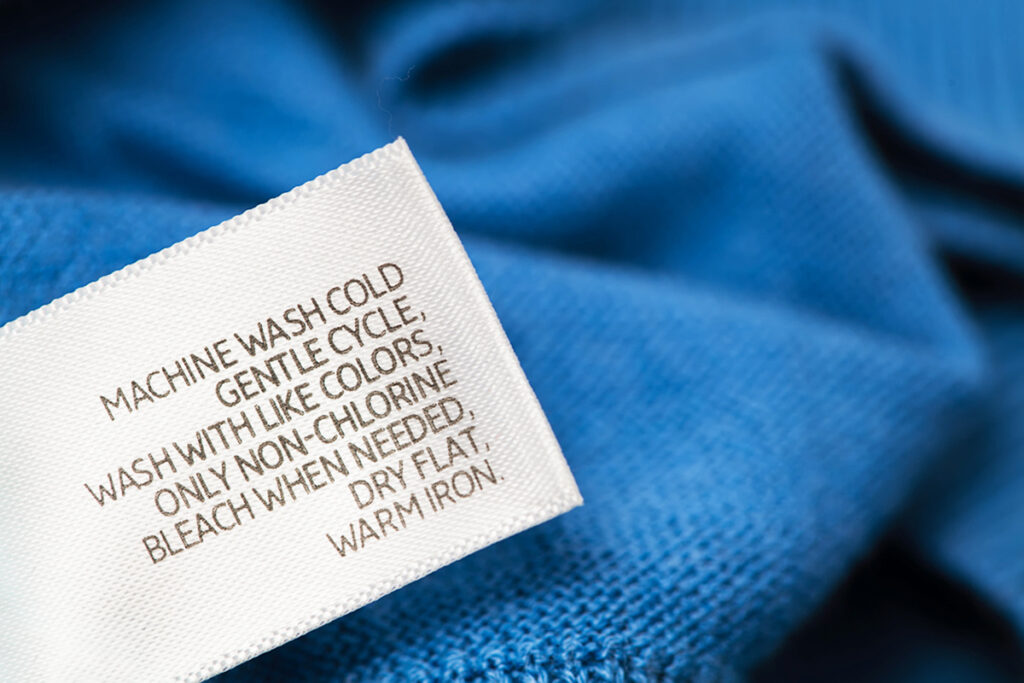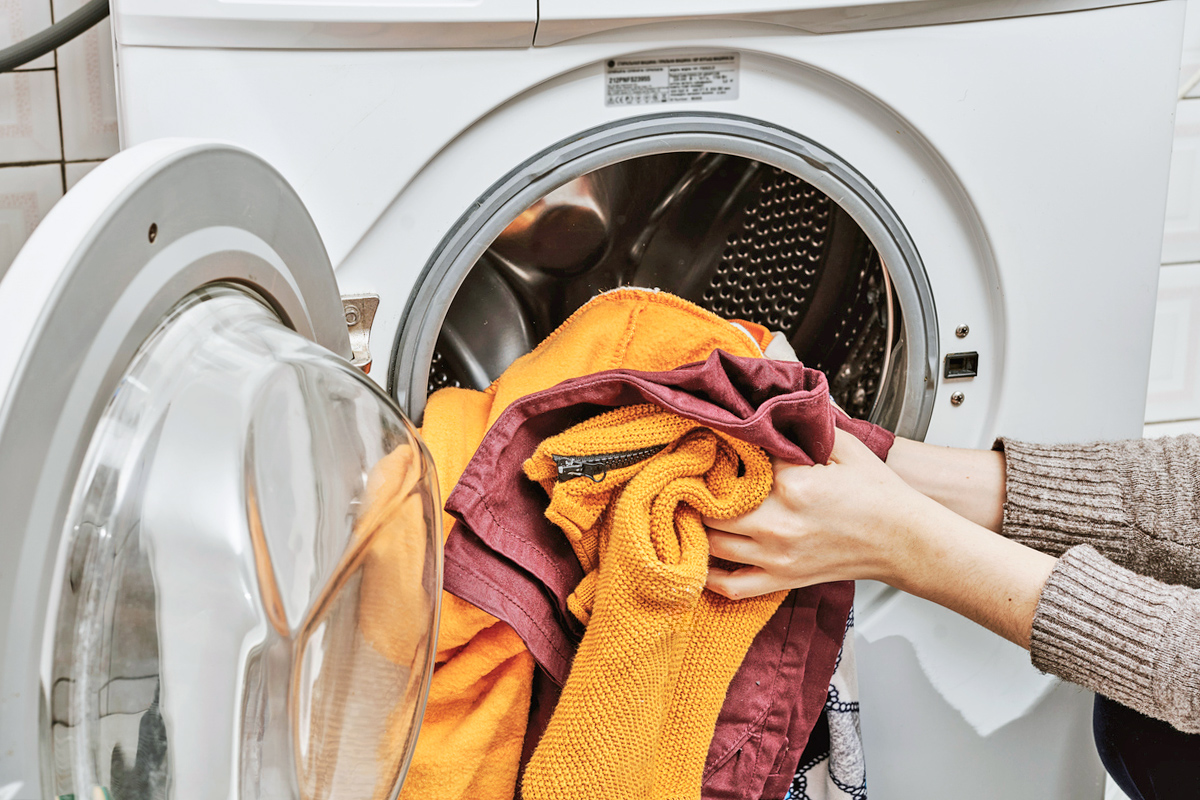
Choosing the right water temperature can be the difference between clothes that last and those that look worn out far too soon. While fabric care labels offer helpful guidance, knowing why certain temperatures work better for specific items can make laundry day a whole lot easier. Here’s a simple breakdown of when to use cold,…
Cold Water
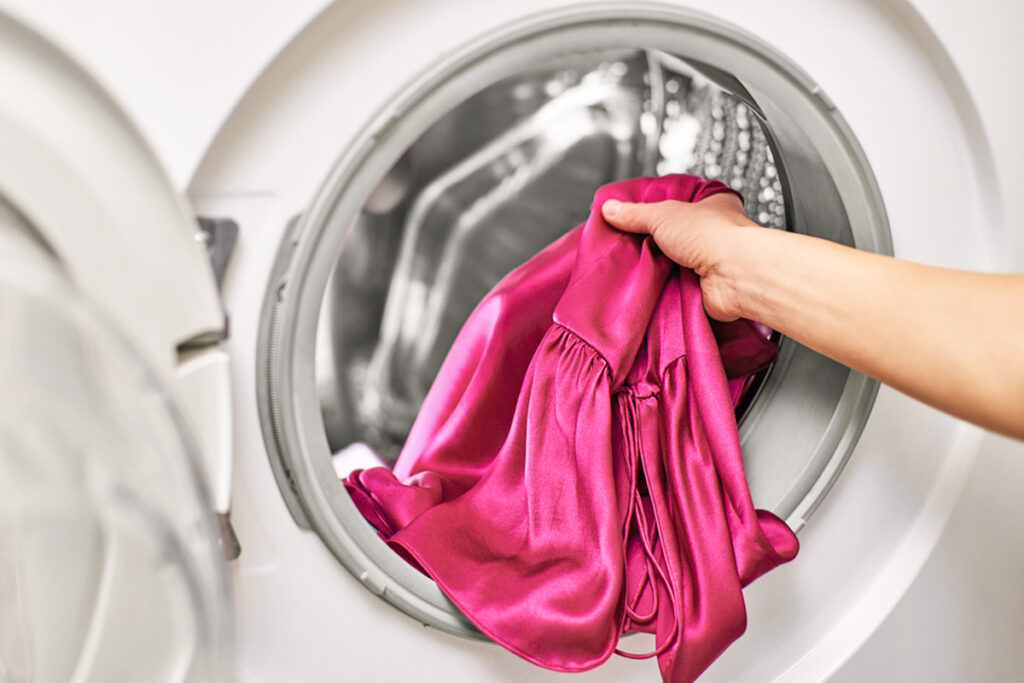
Cold water is the go-to for preserving fabric integrity and color. Because it’s gentle, it helps prevent shrinking, stretching, and fading, making it ideal for clothes you want to keep looking new as long as possible. It’s also the most energy-efficient option because the washer doesn’t have to heat the water.
Best for: Delicates such as silk, lace, and wool; bright or dark colors prone to bleeding; activewear and lightweight fabrics; and lightly soiled everyday items (think loungewear or outer layers). Most modern detergents are formulated to clean effectively in cold water, so you’re not sacrificing cleanliness by opting for a lower temperature.
Warm Water
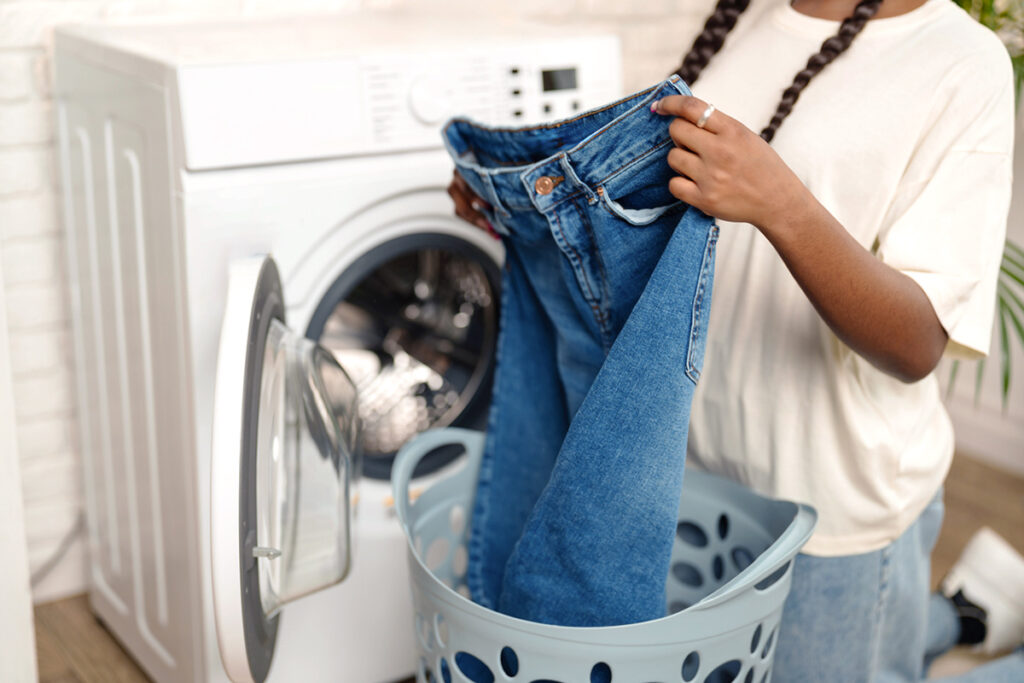
Warm water strikes a balance between gentleness and cleaning power, which is why it’s the default setting for many households. This temperature helps dissolve detergent efficiently and is tough enough to remove light to moderate soil without being too harsh on most fabrics.
Best for: Synthetic fabrics (such as polyester and nylon), cotton blends, knits, jeans, T-shirts, gym clothes, and everyday wear. It’s also a reliable option for sheets and towels that aren’t heavily soiled. Just be cautious with bright colors or items labeled for cold wash only, as warm water may gradually fade dyes over time.
More from our network
House Outlook is part of Inbox Studio, which publishes content that uplifts, informs, and inspires.



Hot Water
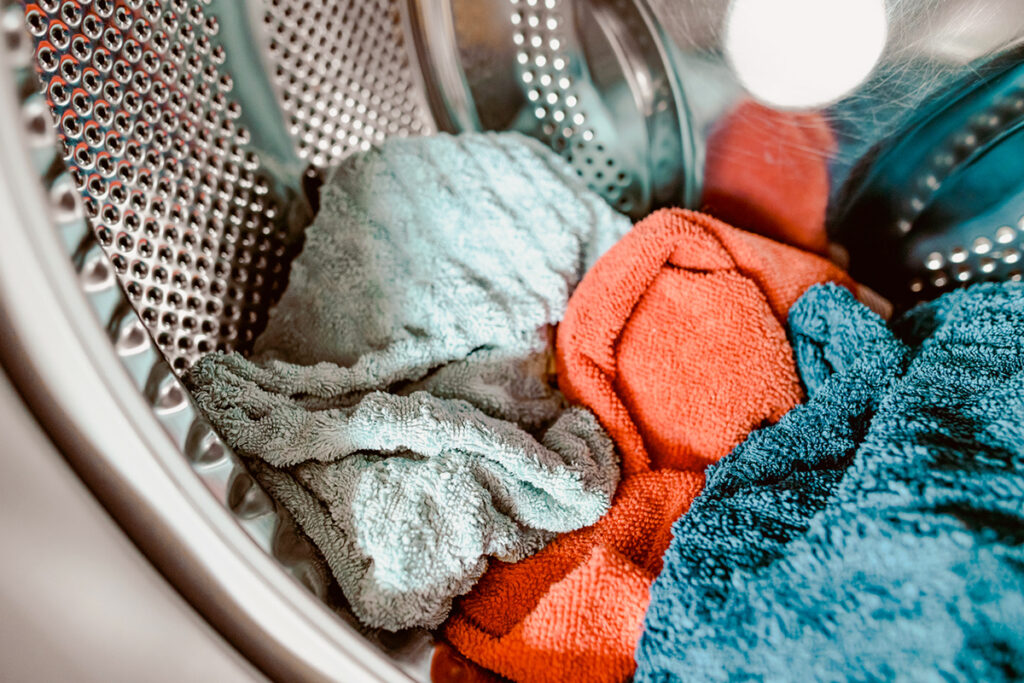
Hot water offers the most powerful clean, but with that cleaning power comes the risk of shrinkage, fading, and fabric damage. Because it uses significantly more energy, hot water should be reserved for items that truly need deep sanitizing or heavy-duty stain removal.
Best for: Heavily soiled items, kitchen towels, bath towels, bedding, underwear, cloth diapers, and anything that may harbor bacteria. Hot water helps break down oils, sweat, and grime, making it ideal for loads that need a deep clean. White cotton items also benefit from occasional hot-water washes to keep them bright and free of buildup.
The Bottom Line
When you’re unsure, cold water is the safest bet, especially for delicate, colorful, or lightly worn clothing. Warm water is an all-purpose workhorse for everyday outfits and blended fabrics. Hot water should be saved for sanitizing or tackling tough messes on sturdy materials.
And always check care labels. A quick glance can save your favorite pieces from shrinking, fading, or stretching.