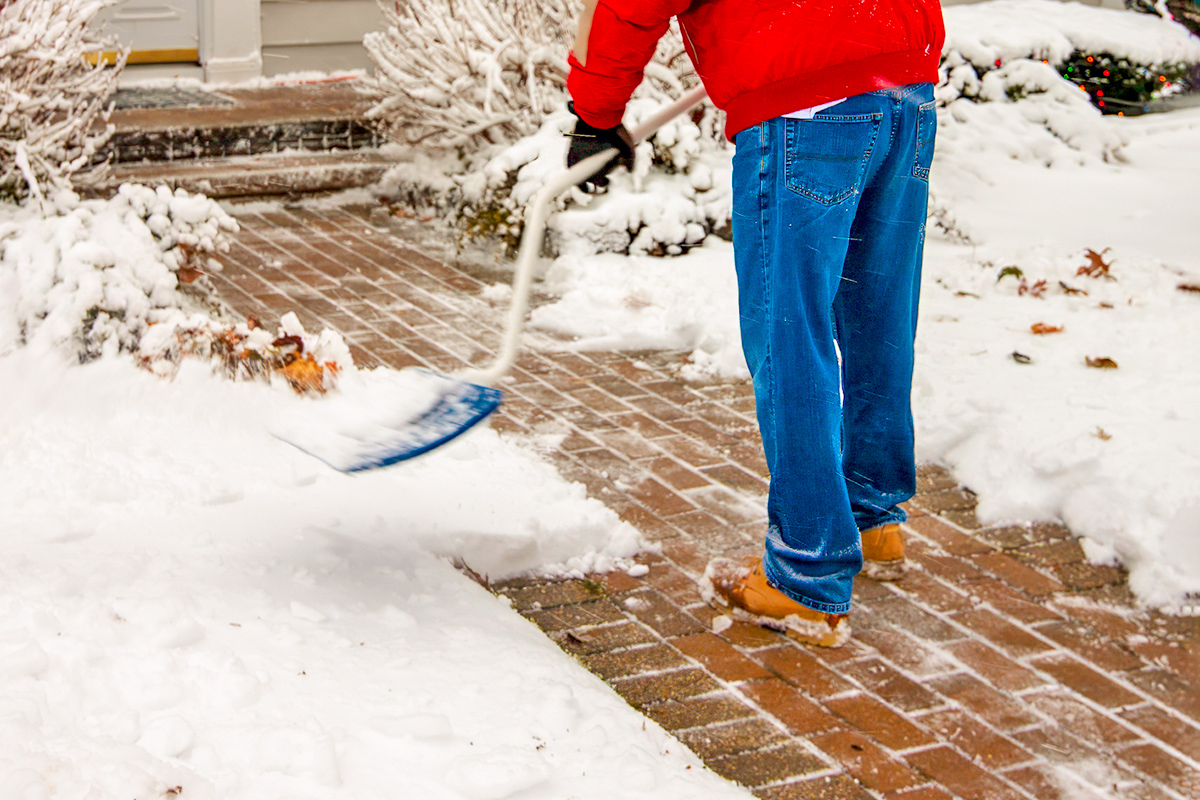
Much like a juicy steak or a relaxing bath, some things are immeasurably better when you add a little salt. The same holds true for shoveling snow; the job is a whole lot easier when salt is there to melt those fallen flurries. But while many people wait until after a snowstorm to start scattering,…
A Tip Worth One’s Salt
Salting early prevents snow and ice from bonding to the pavement and forming a solid sheet beneath your feet. Not only is ice tough to remove, but it’s also often hidden under a fresh layer of snow — making it all too easy to slip and possibly injure yourself while shoveling.
Being proactive and pre-salting your walkways is the best way to avoid these potential perils, though there are a few tricks to getting the most effective result. First, try to scatter your salt while temperatures are still above freezing. While that isn’t always possible, especially in colder parts of the country, doing so allows the salt to dissolve and creates a protective layer between the pavement and the snow. If you wait until it’s below freezing, the salt crystals will remain in their solid form instead of melting into that protective layer.
A few more tips: Aim to salt one hour before the anticipated snowfall to allow the granules enough time to dissolve. Also, keep your layers even and thin. Overuse can lead to pitted pavement or a withered lawn.
More from our network
House Outlook is part of Inbox Studio, which publishes content that uplifts, informs, and inspires.




Doing Double Duty
Just because you’ve pre-salted doesn’t mean that the work is done — you’ll want to salt after the storm too. Shovel away as much snow as possible before adding this second layer of salt, as it doesn’t have the power to melt through snow that’s several inches deep. Also, always salt immediately after you finish shoveling to prevent black ice from forming.
Different Types of Salt
Not all ice melt products are created equal. Sodium chloride (aka rock salt) is the cheapest option, but it’s also corrosive, dangerous to pets, and less effective below 20 degrees Fahrenheit. Magnesium chloride is a better (albeit more expensive) choice; it continues working in temperatures as low as -13 degrees Fahrenheit and is gentler on the environment and pets. For truly frigid conditions, opt for calcium chloride, which performs in temperatures down to -25 degrees Fahrenheit. Note, however, that it comes with a higher price tag and can easily damage nearby vegetation if applied too heavily.