Living rooms are the home’s social hub — the space where someone inevitably ends up perched on the arm of a sofa telling a story. But that kind of talkative atmosphere doesn’t just happen by accident. Interior designers say a sociable space comes down to layout, lighting, comfort, and a few subtle psychological cues. Read…
1. Remove (or Hide) the TV
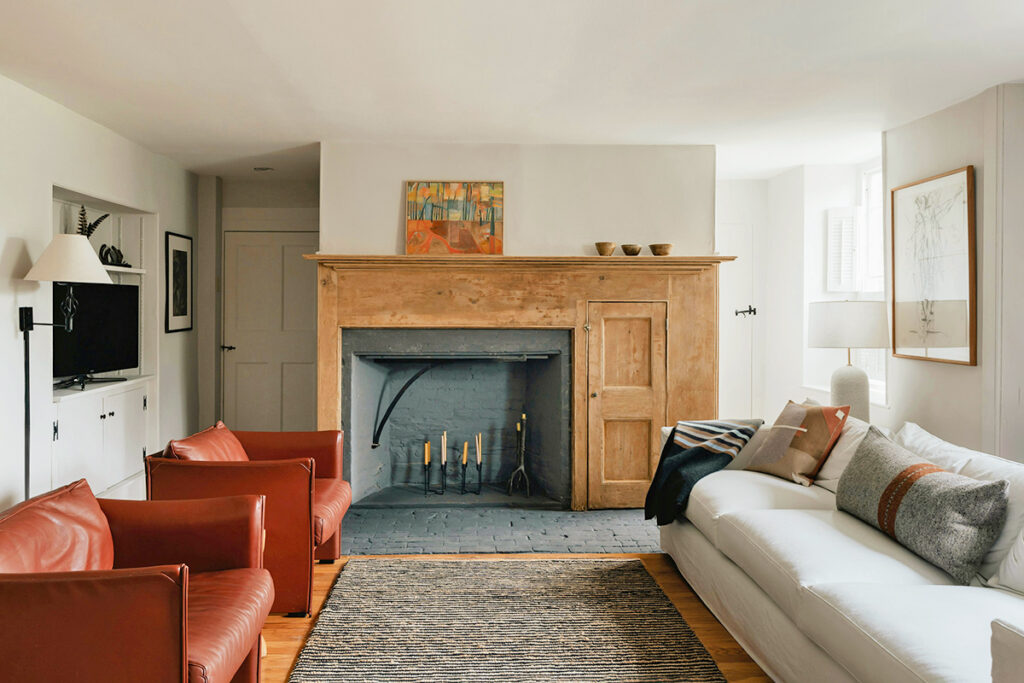
Dana Ayala, an interior designer with Southern California’s LoCal Design Studio, says the single biggest conversation killer is also the most common focal point: the television. If removing your TV isn’t realistic, make it visually disappear by opting for a model that looks like art when not in use.
“Having a TV out of view tricks the brain into focusing and relying on other things in the room for entertainment — like each other,” Ayala says.
2. Give Every Seat a Spot To Set a Drink
Hosting 101: Upon a guest’s arrival, always ask, “Would you like something to drink?” Less obvious, but equally important, is making sure there’s somewhere for them to put that drink. If there’s no place within arm’s reach to set down their glass, it’s hard for them to comfortably settle in. Leave enough open surface area on the coffee table for drinks, or use side tables, nesting tables, and trays to eliminate awkward balancing acts.
3. Arrange Seating Face to Face
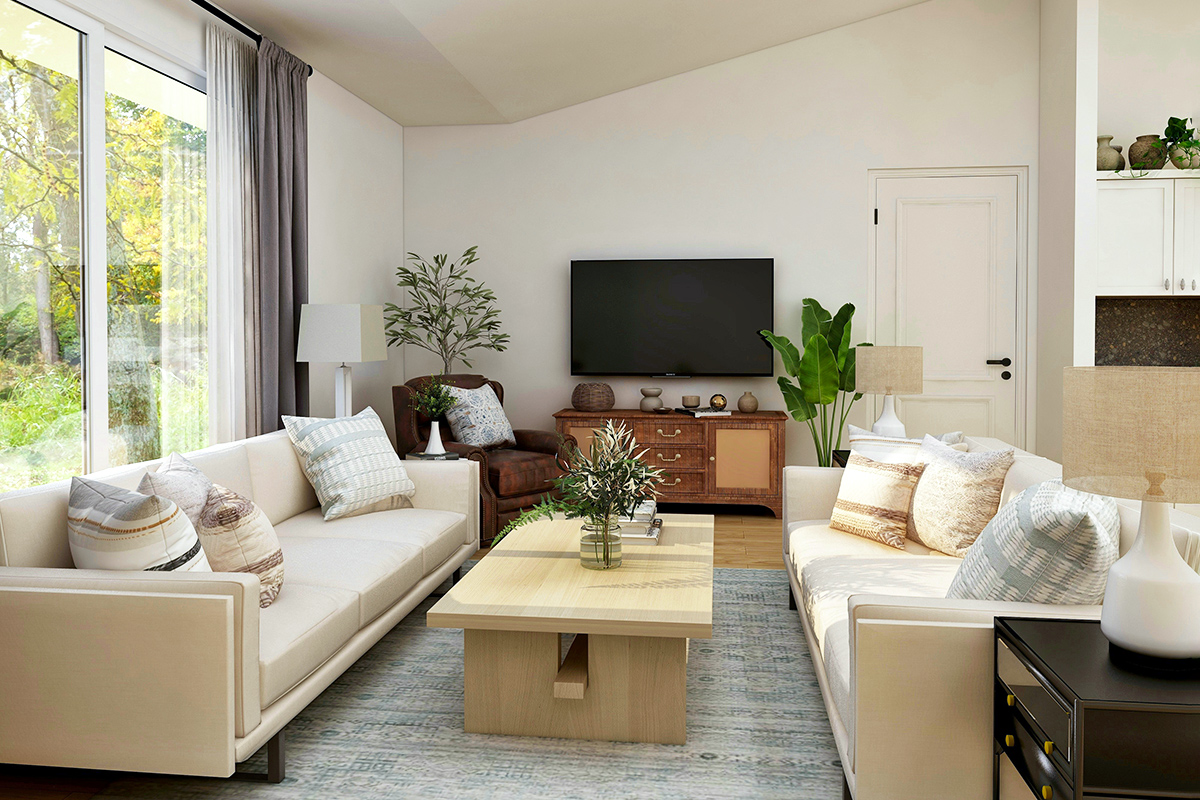
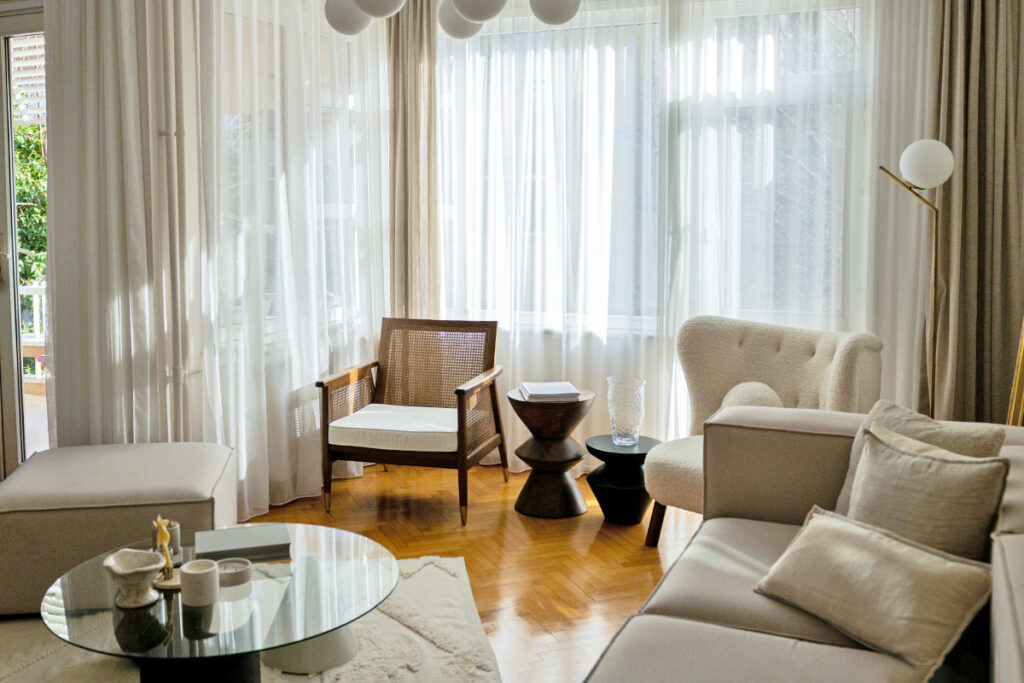
Quality conversation thrives on eye contact, so don’t arrange your furniture to accidentally prevent it. “Most people will naturally prioritize screens, but if you have the space, it’s a great idea to have seating that faces each other,” U.K.-based interior designer Lucy Stapylton-Smith says. “A conversation-friendly room usually faces inward, has a clear center, and avoids the ‘everyone in a row’ sofa problem.”
Try facing two sofas toward each other, or place a sofa opposite two chairs, to immediately change how people interact. That way, no one has to twist their body to participate in the conversation.
More from our network
House Outlook is part of Inbox Studio, which publishes content that uplifts, informs, and inspires.




4. Add Flexible Seating
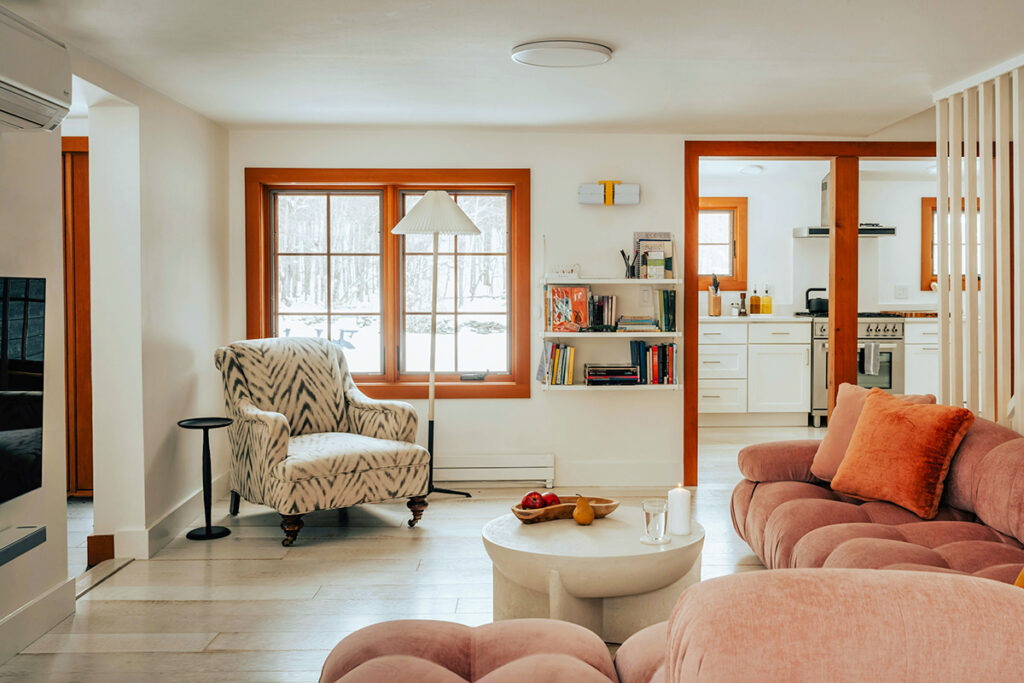
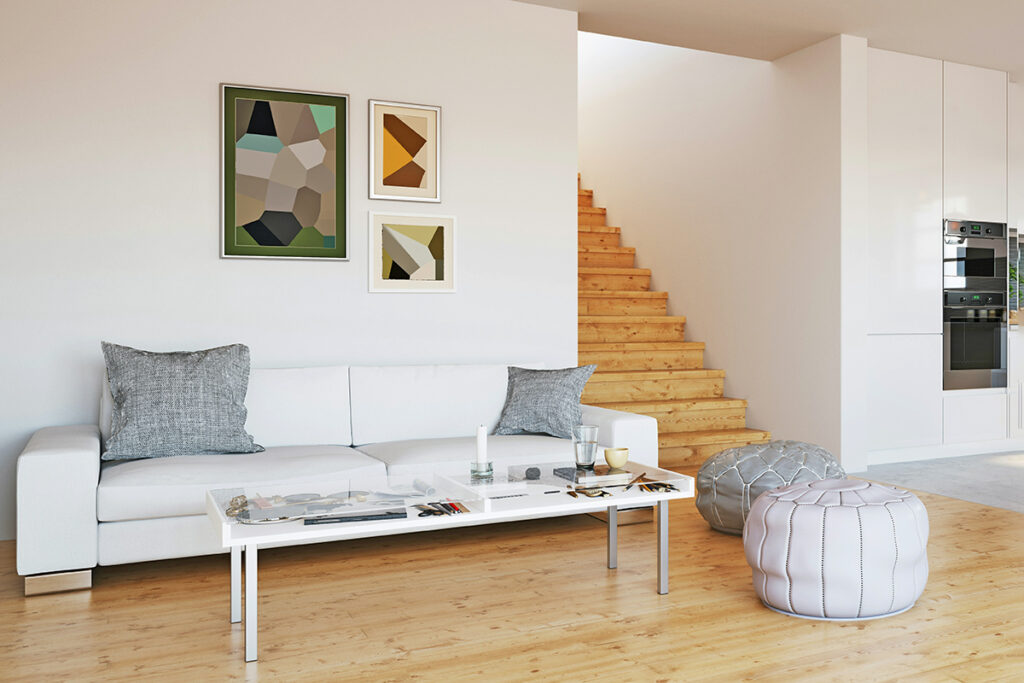
Jeannine Bogart, owner and principal designer of Chicago-based Epic Interiors, recommends adding adaptable furniture to your living room layout. “Layer in versatile pieces like ottomans for flexible footstools or extra seats — they pull the group together without cluttering,” she says. Poufs, stools, benches, and movable chairs allow guests to form smaller clusters and naturally join conversations.
5. Decorate With Conversation Starters
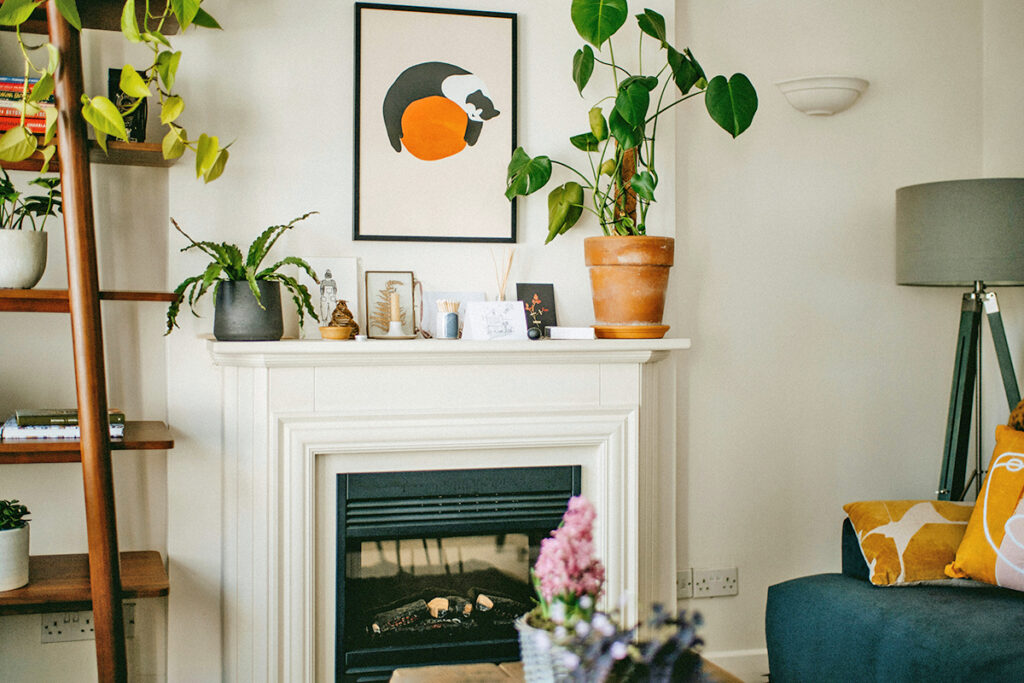
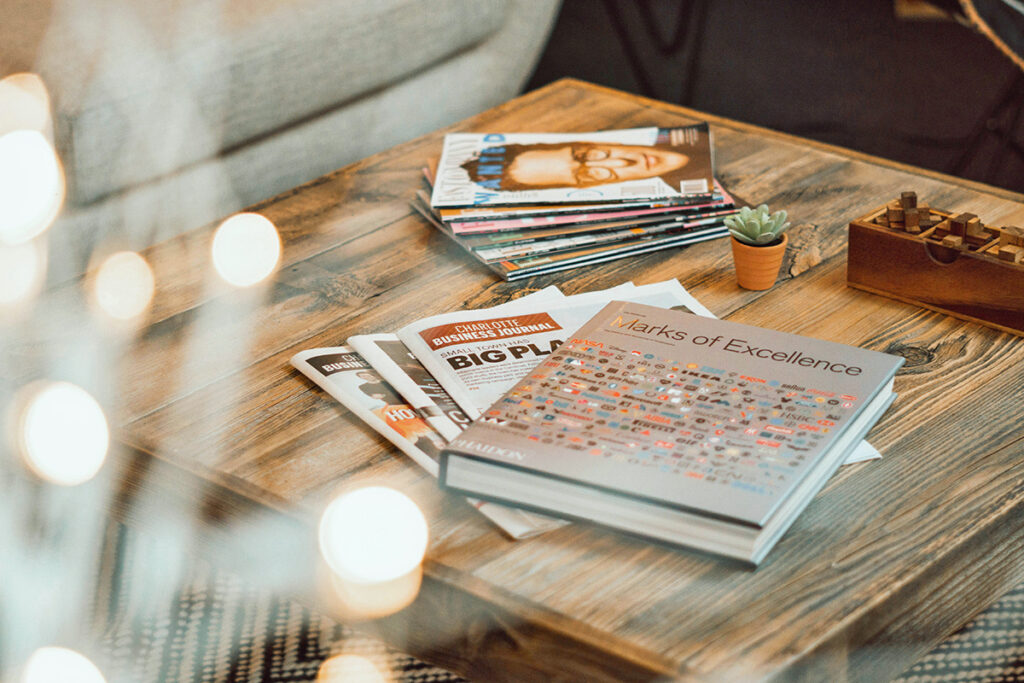
Adding a chess set, a deck of cards, a favorite art book, or a framed personal photo gives guests something to comment on. Artwork serves the same purpose. Pieces that are personal, unexpected, or story-driven give people — especially introverts or those you don’t know well — something to ask about.
6. Create Cozy Lighting
If you’ve ever spent time in a dated office building or a harsh dressing room, you know that lighting affects how long you want to stay.
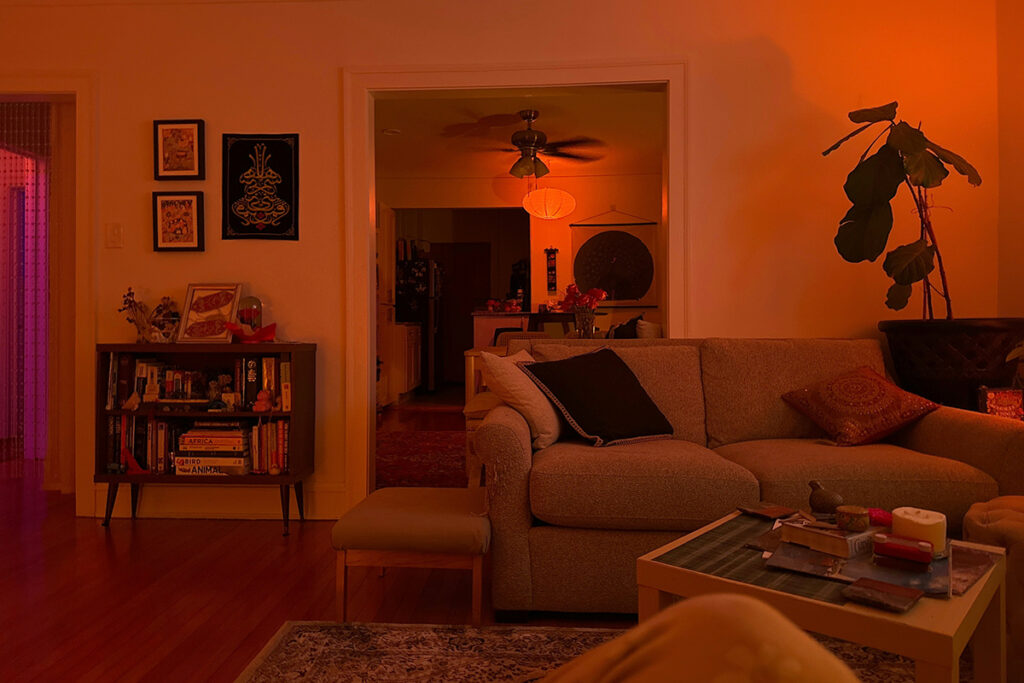
“A good conversation room will have warm ambient light, lamps at eye level, and ideally some third lighting source — like fitted shelving lights — that will bring depth to the space,” Stapylton-Smith says. “If the ceiling light is doing all the work, people won’t want to linger.”
Swap overhead lights for sconces or a statement chandelier, and add picture lights to highlight artwork. Whenever possible, put lighting sources on dimmers to put everyone at ease. “Dimming lighting [signals] the circadian rhythm and encourages fight-or-flight to slow down,” Ayala says.

7. Consider the Acoustics
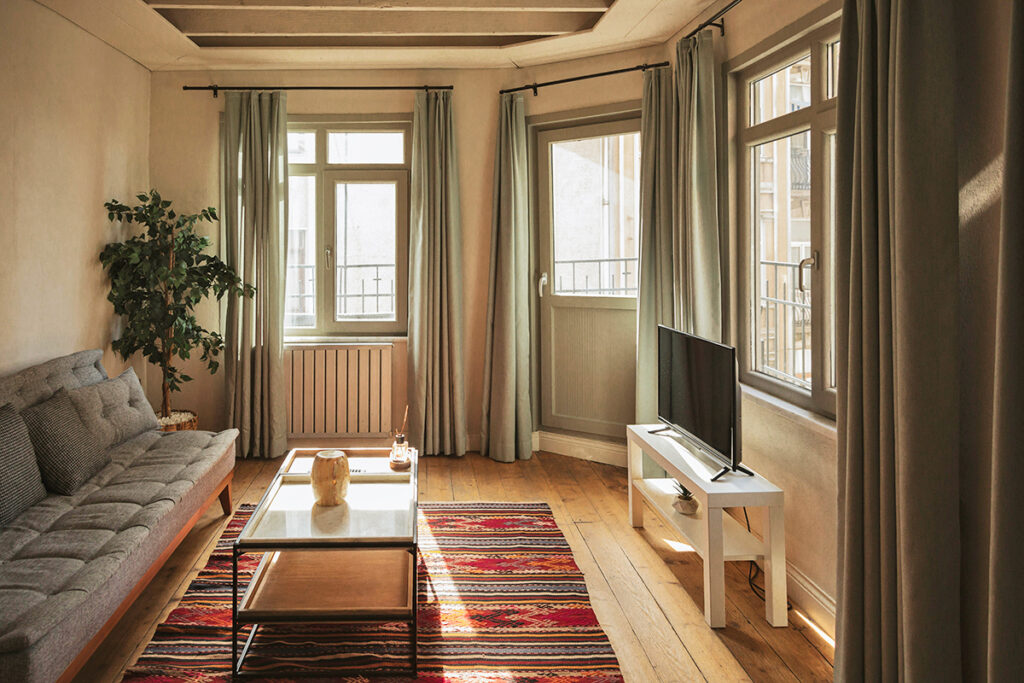
A loud atmosphere kills a conversation before it even starts. Hard floors and bare walls bounce sound around the room, while textiles absorb it. Soften the space’s acoustics with rugs, curtains, and upholstered furniture.
8. Rethink Mirrors
For high-quality conversation, minimize distractions like mirrors. Instead of placing mirrors directly across from seating, move them to entryways or hallways so guests aren’t catching their reflections while talking.
“People are inherently self-conscious, so avoiding opportunities to remind people of what they look like actually helps,” Ayala says. “You’ll notice more focused, uninhibited conversation in a room where people can let go of their self-absorption.”
9. Leave Some Breathing Room
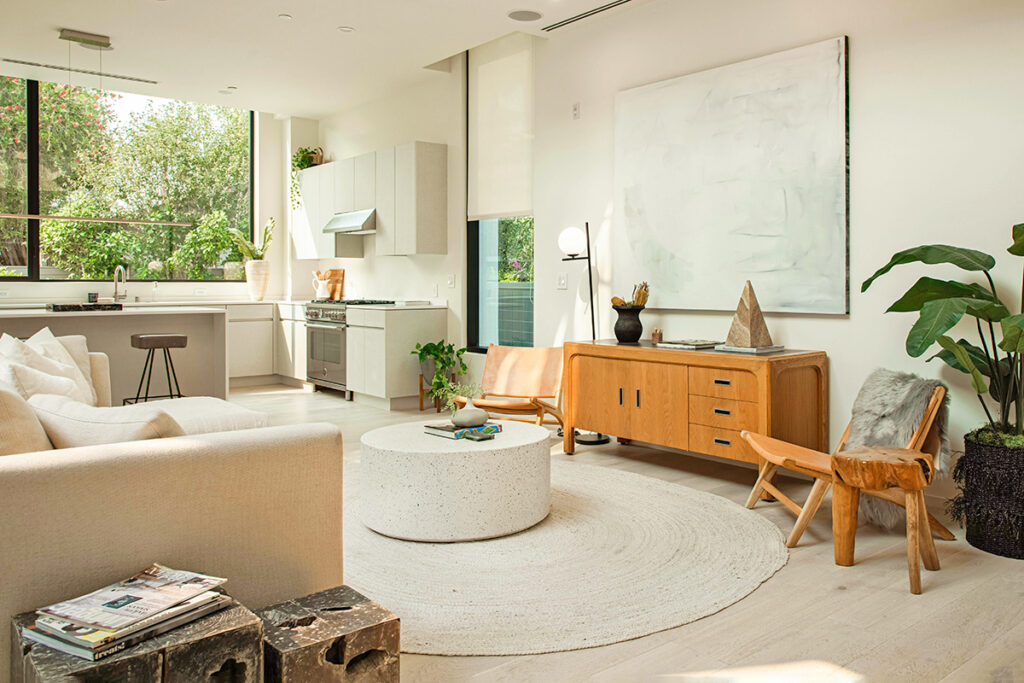
Finally, resist the urge to fill every corner with decor. “Conversation needs space,” Stapylton-Smith says. “Too many objects and you might feel like you’re visiting a showroom.” Create clear walking paths so guests can move around easily without knocking their knees into corners — or each other.