If your cakes are mysteriously flat or your muffins refuse to rise, the culprit might not be your technique — it could be your leavener. Even if your baking powder box isn’t past its expiration date, it can still lose its rising power. As it turns out, baking powder begins to degrade once it’s opened, due…
A Simple, Foolproof Test You Can Do in Seconds
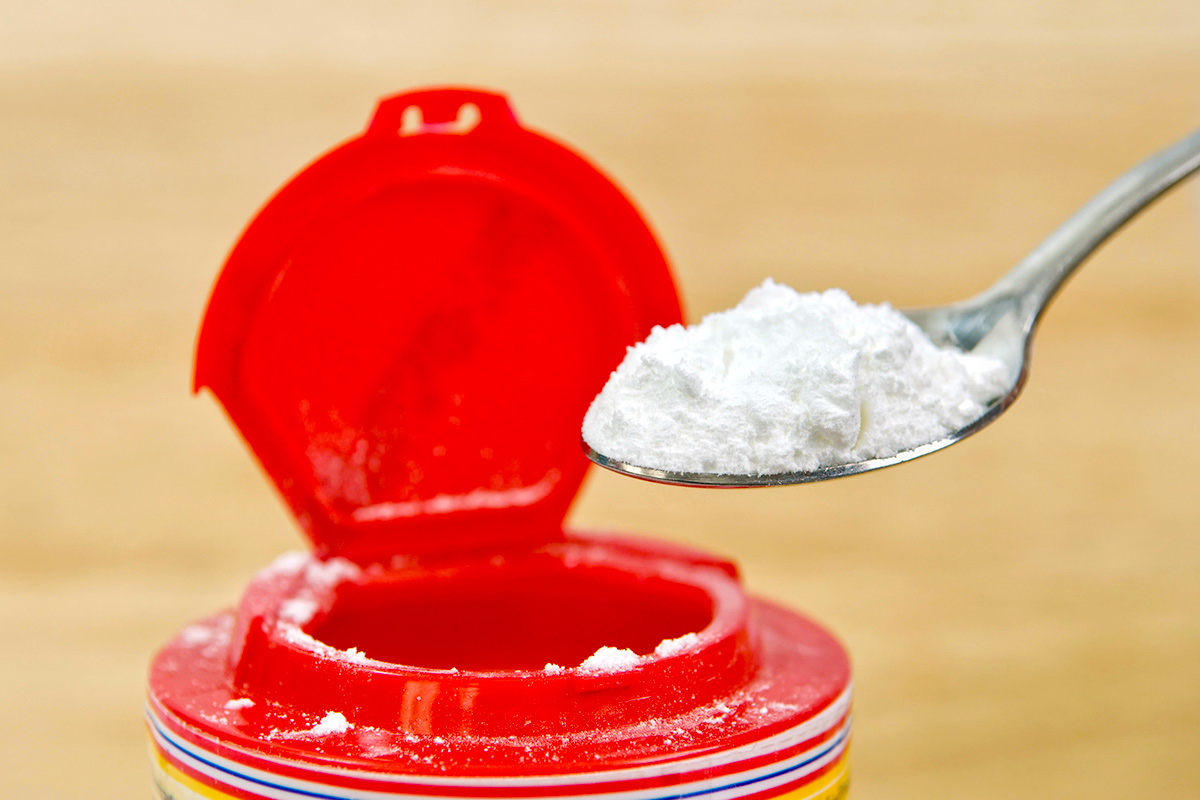
1. Scoop 1/2 teaspoon of baking powder into a small, heat-safe bowl.
2. Pour in 1/4 cup of boiling water.
3. Watch for the reaction: If it fizzles and bubbles energetically, the powder is still active and safe to use. If the reaction is muted or nonexistent, the powder is “dead” and should be discarded.
Why This Matters
Baking powder is what helps your cakes, quick breads, pancakes, and muffins rise, resulting in a light and fluffy texture. When it’s inactive, the result is heavy, dense, or flat baked goods. You might find yourself wondering why your recipe failed, even after you followed it precisely. Many home bakers overlook this step and assume they made a mistake rather than checking an ingredient that’s lost its punch.
More from our network
House Outlook is part of Inbox Studio, which publishes content that uplifts, informs, and inspires.




Storage and Longevity Tips
• Once opened, keep your baking powder in a cool, dry place. Heat and moisture are its enemies.
• Close the lid tightly after each use to minimize moisture entry. You can also place the container in an airtight food storage bag to ensure freshness.
• If you don’t bake often, test the powder before you start mixing up that special batch.
• If the “use by” date hasn’t passed, but you still see minimal fizz in the test, toss the container and buy a fresh one.
By making the fizz test part of your prep routine, you’ll add one more layer of quality control to your baking. A little effort now means no surprises later. No flat cakes, no disappointment — just beautiful rising and light textures every time.