Most houseplants originate from the tropics, where the air is thick with heat and humidity. The air inside our homes, however, is quite the opposite — temperate and dry, especially in the winter. If you want your greenery to flourish, consider bringing a humidifier into the mix. It’s the easiest way to mimic the moisture-rich…
How To Turn Any Room Into a Greenhouse
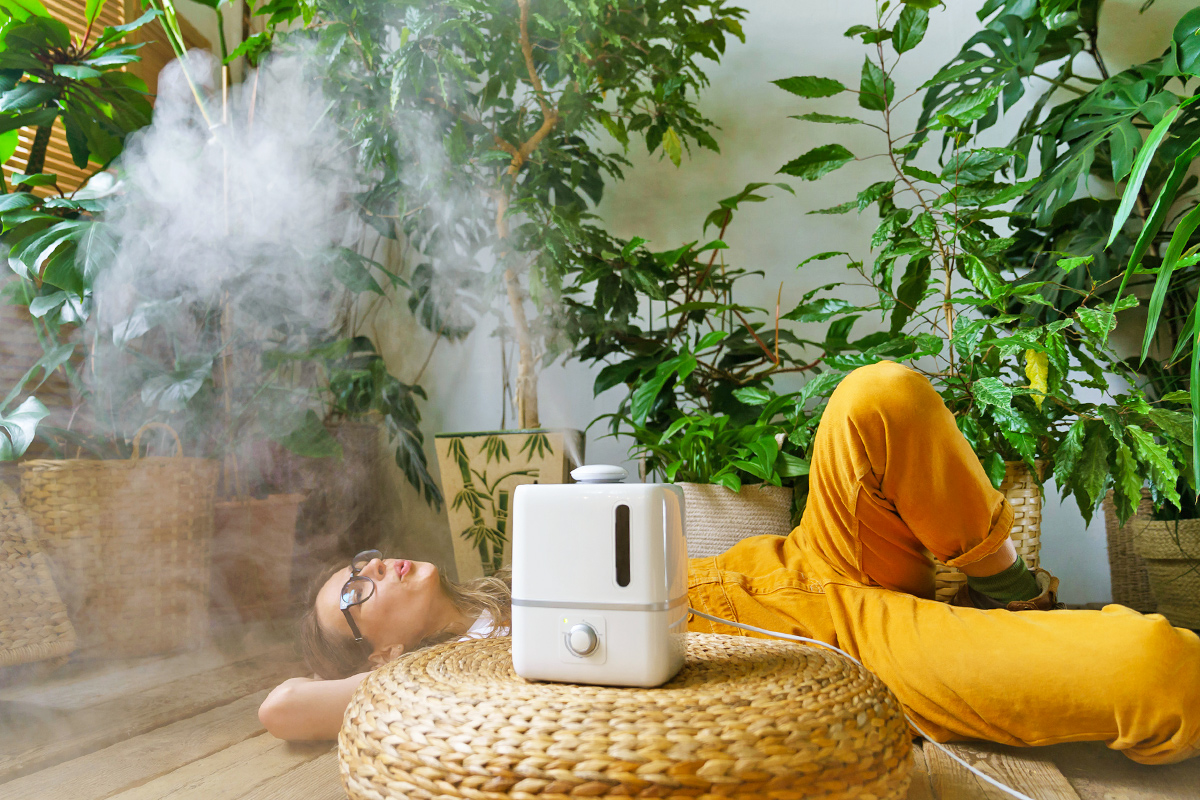
You wouldn’t want to turn your spare bedroom into a literal greenhouse, but you can easily recreate the humid microclimate of one using a humidifier. To get this right, you need to nail the timing and placement. Humidifiers should be run in the morning for around five hours to create the most humid conditions possible without overwhelming your plants. The sunlight coming through your windows will encourage any excess moisture to evaporate, reducing the risk of fungus growing on the stems and leaves. Setting your device to 50% to 60% humidity is the sweet spot for keeping plants healthy and hydrated.
The next thing to consider is where to put your humidifier. The best way to mimic the sticky air of a greenhouse is to place your humidifier in the center of the room, away from walls and windows, and 2 to 4 feet from your plants. Aim the stream of steam toward the air near the plants, never shooting it directly at them. You can raise the humidifier to plant height or keep it just below, as the mist will rise and circulate through the space. Opt for cool-mist over warm-mist humidifiers — the latter could potentially cause fungal disease or stress your plants with excess warmth.
More from our network
House Outlook is part of Inbox Studio, which publishes content that uplifts, informs, and inspires.




Plants That Thrive in Humidity
Certain plants will do better in humid conditions than others, and knowing what your plant needs is key to giving it the best quality of life. Generally, plants that love humidity include ferns, spider plants, peace lilies, monsteras, and many palm varieties. If you’re unsure what your plant needs, check online, consult your local plant store, or research the natural conditions it thrives in in the wild. For example, since ferns live near the ground in dense, low-light forests, they’ll appreciate less sun and more humidity indoors.
You won’t need to create hot and sticky conditions for plants that do perfectly fine in dry settings. If you have cacti, succulents, aloe vera, snake plants, and certain pothos varieties, simply keep them on a regular watering schedule and give them plenty of access to sunlight.