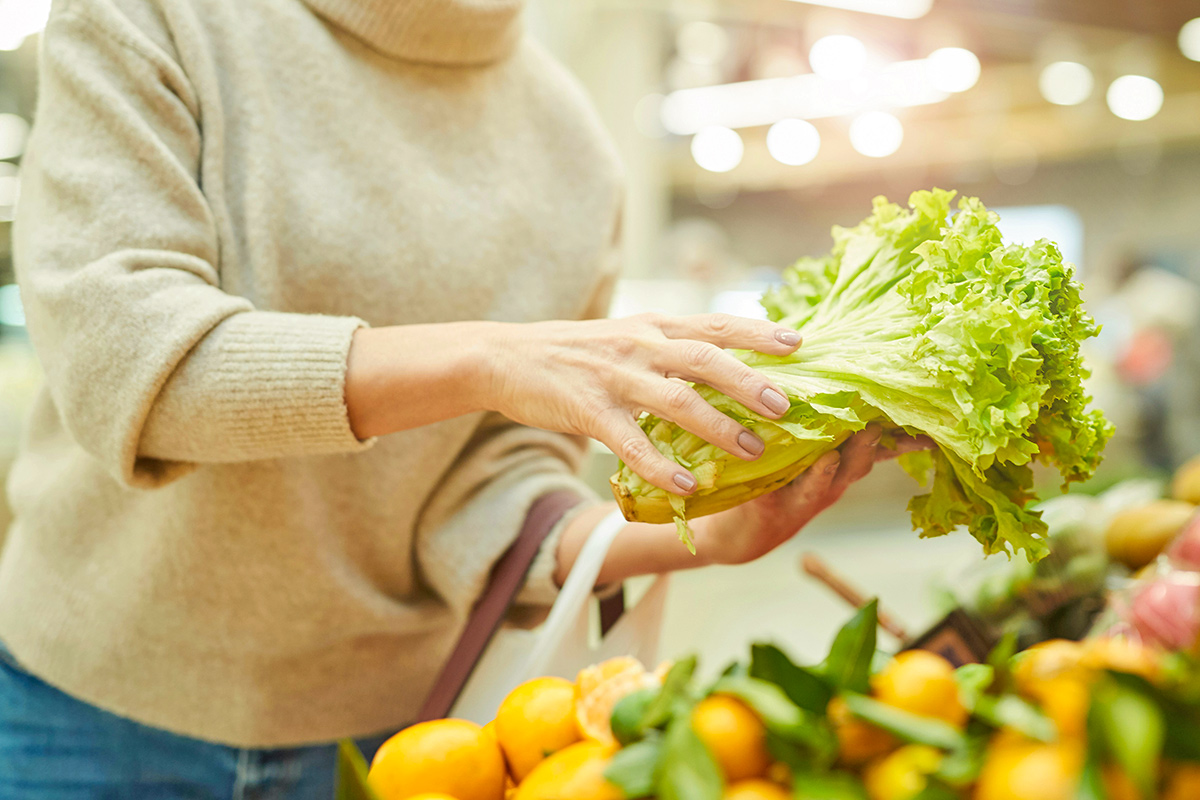
“Organic” is the exception. Any food bearing the “Certified Organic” label in the U.S. needs to meet explicit standards laid out by the USDA. That certification comes at a cost, and when grocery budgets are stretched, even the most discerning shoppers might question which foods are worth the premium. The answer usually depends on why you’re choosing organic in the first place.
So let’s take a closer look at what “organic” really means, and how it differs for specific foods.
What Does Organic Mean, Anyway?
The USDA sets different production standards for organic crops, livestock, and poultry. For crops, pesticide use is limited, and soil quality must be managed through traditional practices like crop rotation and cover crops. The feed given to animals raised for meat must be grown organically, and dairy animals need to be on a fully organic diet for 12 months before their milk meets the set criteria.
It’s also important to understand what organic is not. Large organic factory farms are in many ways similar to regular factory farms, so organic food isn’t necessarily more sustainable. An organic diet also doesn’t show any broad advantage in nutritional value, though certain studies show that the people who eat the most organic food have reduced risk of some cancers. (They’re also more likely to follow other health-promoting habits, however, so it isn’t necessarily cause and effect.) So really, your choice of organic over nonorganic comes down to personal priorities such as chemical consumption, price, or labor conditions for field workers.
More from our network
House Outlook is part of Inbox Studio, which publishes content that uplifts, informs, and inspires.



With that in mind, let’s look at specific foods that are worth buying organic.
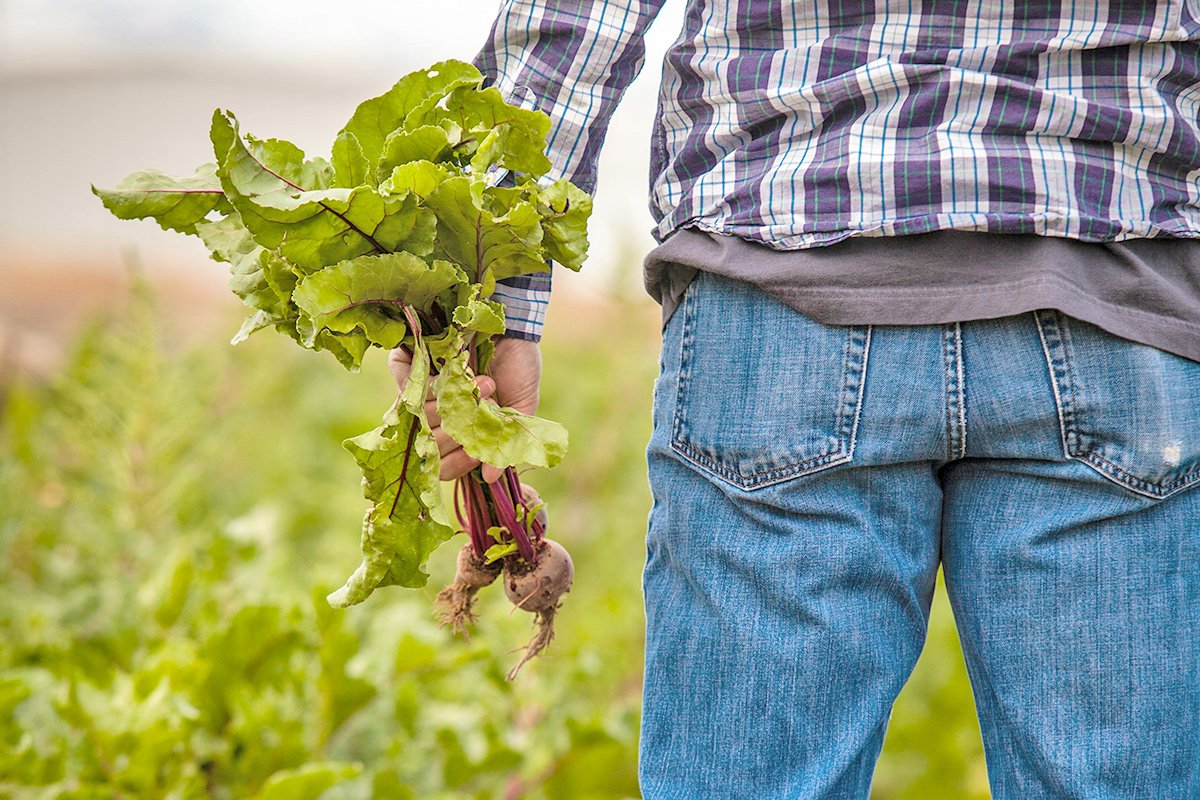
Spinach, Kale, and Other Leafy Greens
If you’re mostly looking to avoid potentially harmful chemicals, the “Dirty Dozen” is an invaluable resource. Each year, the Environmental Working Group (EWG) releases its list of produce items with the highest levels of pesticide residues.
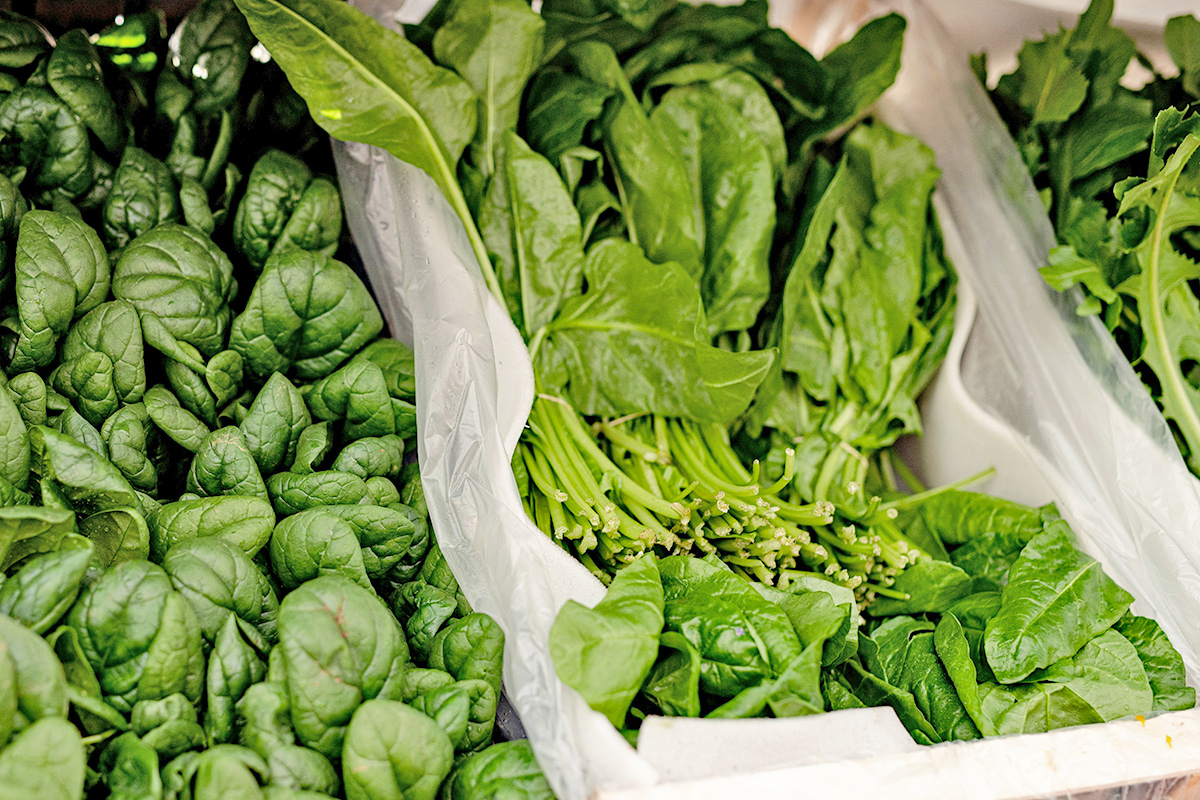
At the top of the 2026 list you’ll find conventionally grown spinach, which pound for pound contains more pesticide residues by weight than any other major crop tested. On the upside, the price premium for organic spinach is trending downward, resulting in more bang for your buck. Kale, collards, and mustard greens collectively take up the Dirty Dozen’s second spot, so leafy greens in general may hold more appeal on the organic side of the aisle.
Strawberries, Blueberries, and Blackberries
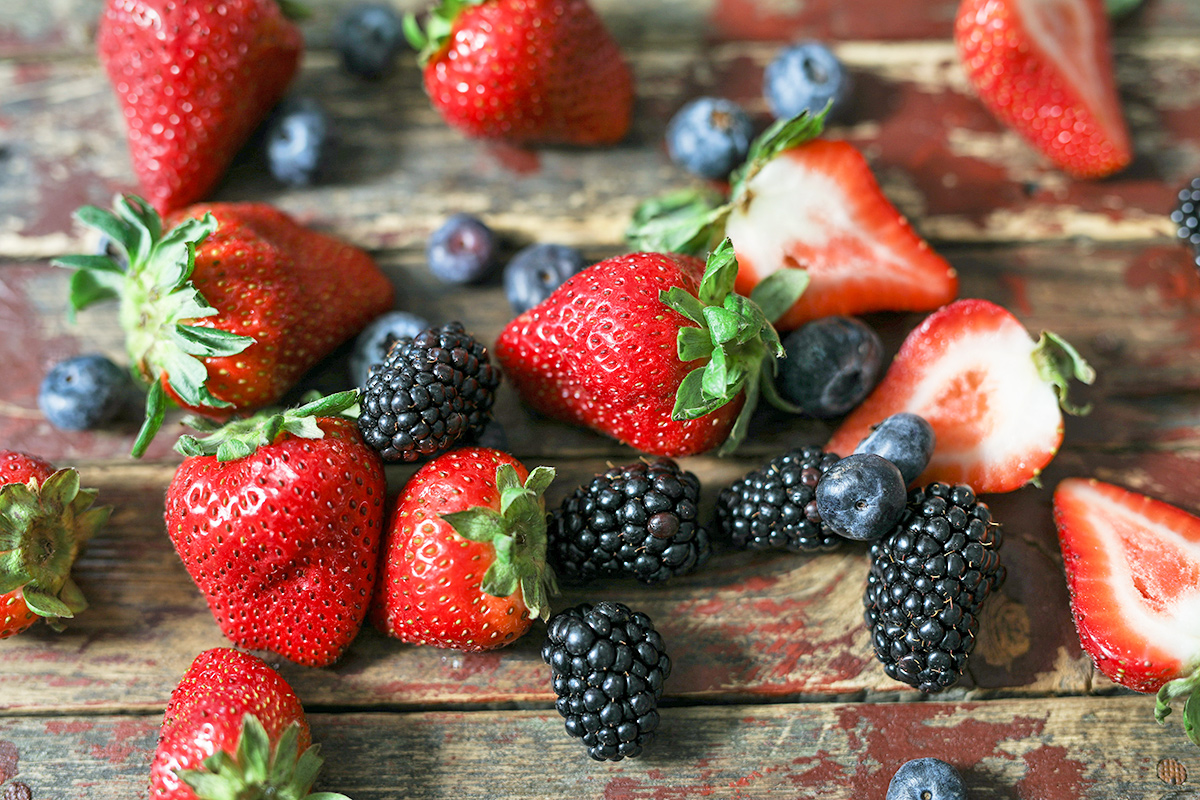
With their soft skins and high sugar content, berries tend to be magnets for pests, so it’s no surprise that all three of these popular berries appear in the Dirty Dozen. Strawberries and blueberries have been mainstays on the list, while blackberries are a relatively new arrival, having been tested by the USDA for the first time in 2023. As with spinach, the price premium for organic strawberries has dropped in recent years, making them a better buy.
Parents may be especially motivated to buy organic berries, as there’s evidence to suggest that pesticides can affect children’s growth and neurodevelopment. Also, if you’re concerned about the health of the workers who tend the crops, certain pesticides used on these berries can pose health risks to those who come in regular contact with them.
Meats and Poultry
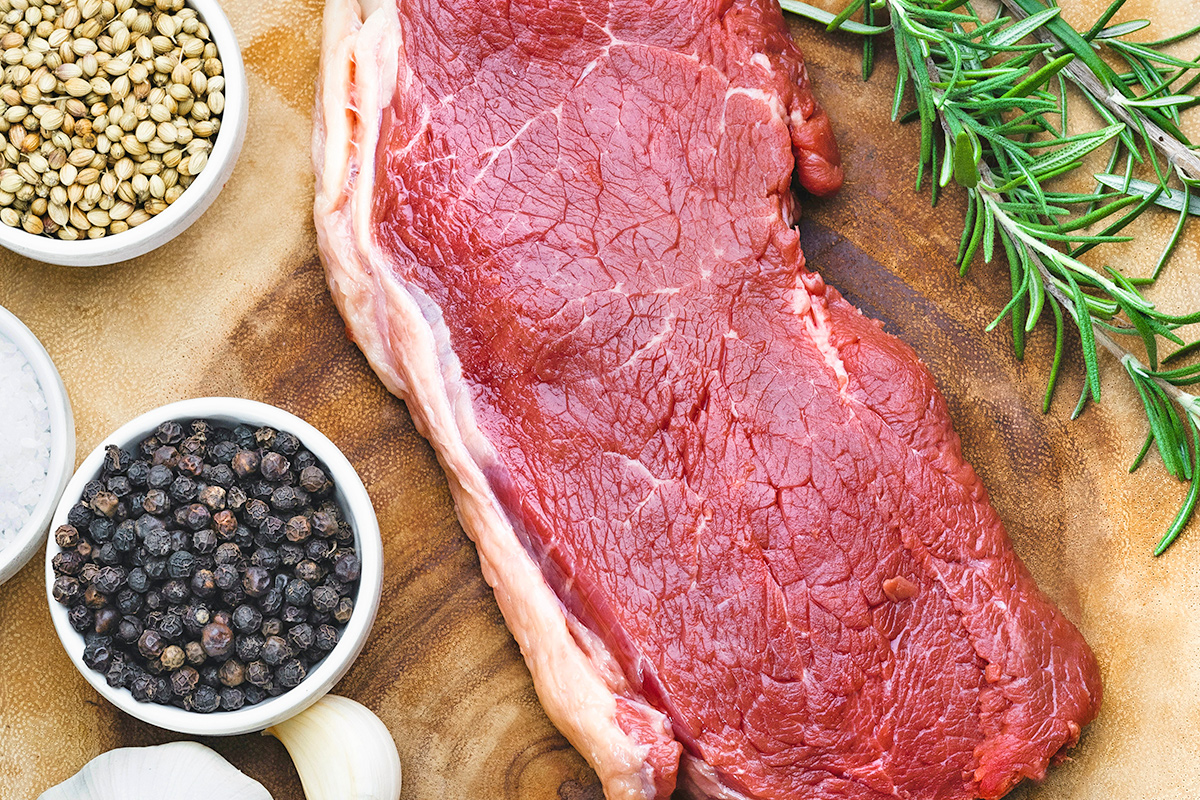
While the EWG is focused primarily on pesticides, that’s not the only reason to buy organic. Consumer Reports, for example, suggests buying organic meats if your budget permits. Why? Because conventionally reared animals are routinely fed antibiotics to prevent disease from spreading in crowded factory farms and feedlots. That creates conditions for the development of antibiotic-resistant bacteria, which are becoming a big concern in health care.
Conventionally raised cattle are treated with a range of hormones as well, including estradiol, testosterone, and recombinant bovine growth hormone (rGBH). While more research is needed into their effects on humans, there’s evidence they have a disproportionate impact on pregnancy and infancy.
Dairy and Eggs
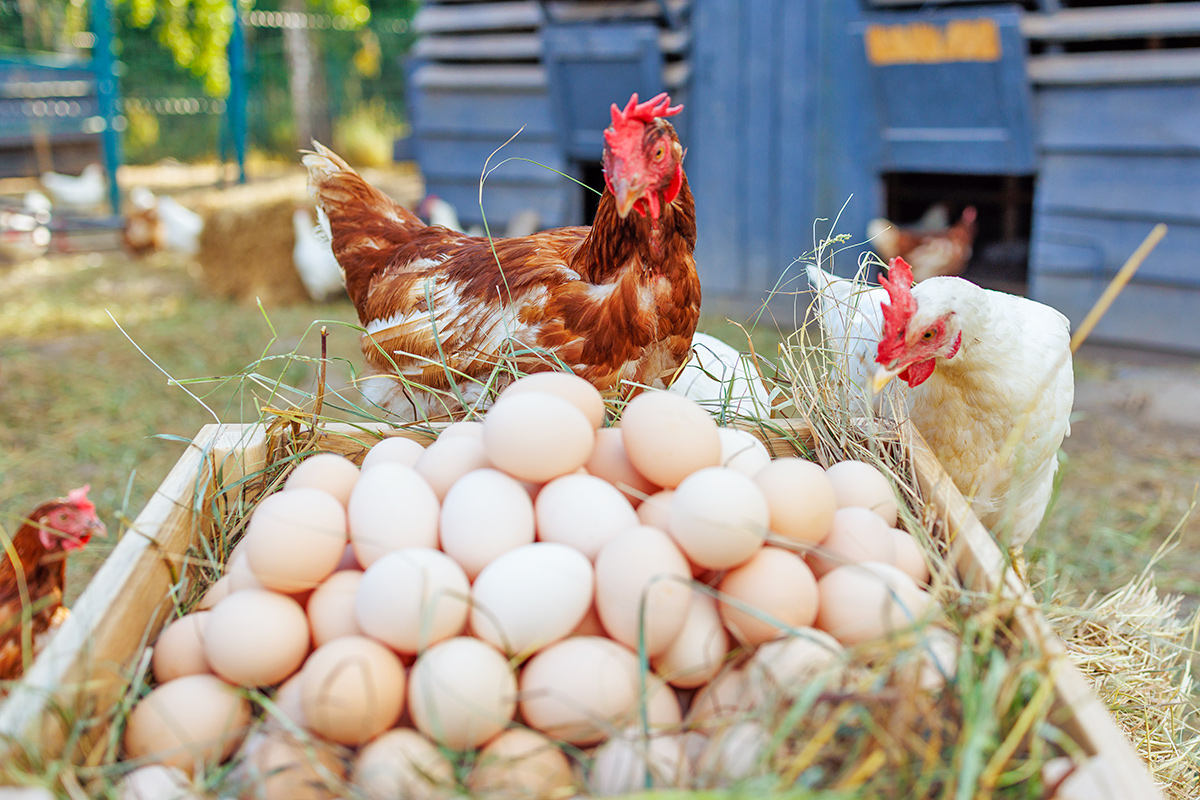
If you’re on board with organic meat, you may want to switch to organic eggs and dairy for the same reasons. The antibiotics fed routinely to nonorganic laying hens and dairy cows can help contribute to the rise of antibiotic-resistant bacteria, and hormones given to dairy cows (to boost milk production) can be passed along to humans. You won’t have to worry about either issue when you buy organic.
Apples and Pears
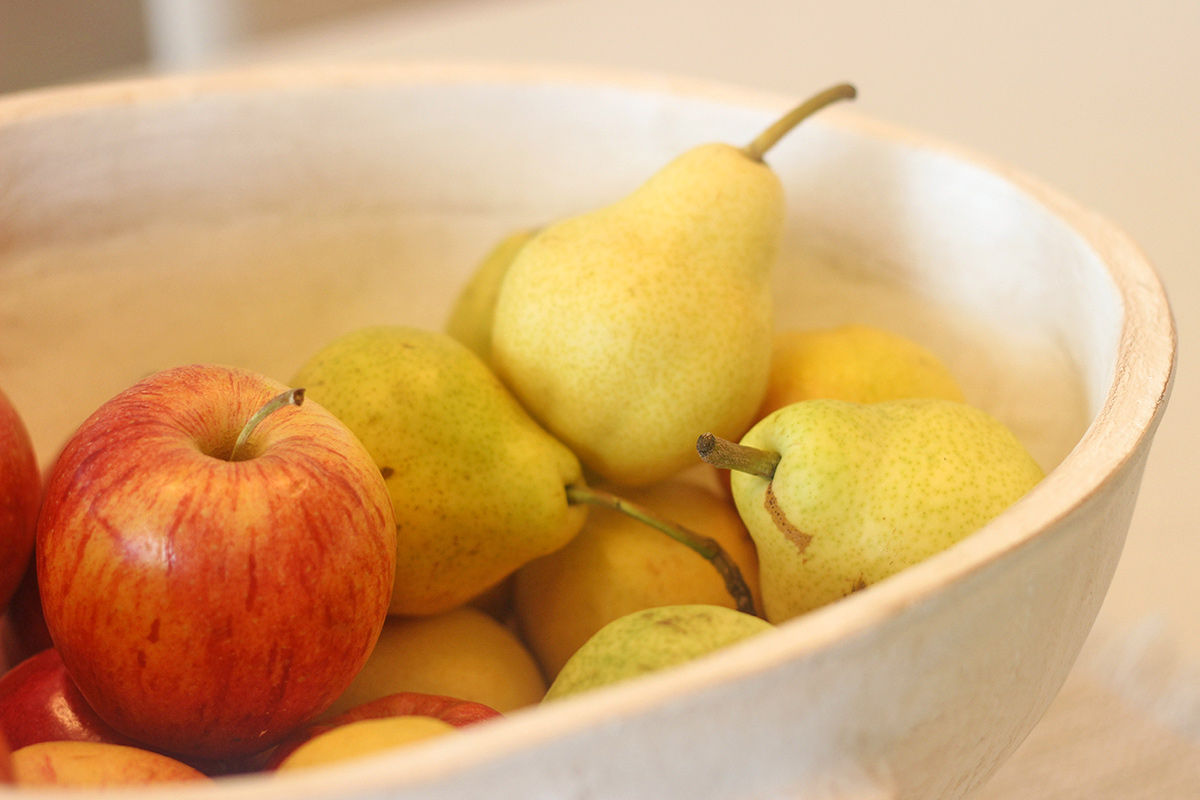
Botanists know apples and pears as pomes, close cousins within the larger rose family. Unfortunately the EWG ranks them among its Dirty Dozen for their prevalence of pesticide residues, and — in the case of apples — the common application of a chemical called diphenylamine after harvest to prevent black or brown spots from forming on the skin.
Pears have an unusually large number of pesticides and fungicides present, with 95% of the USDA’s test samples containing residues of at least one pesticide, and 70% containing four or more. Between 2010 and 2022, the number of different pesticides found on pears rose from nine to 64, and the amount of pesticide residues found on samples doubled.
Peaches, Nectarines, and Cherries
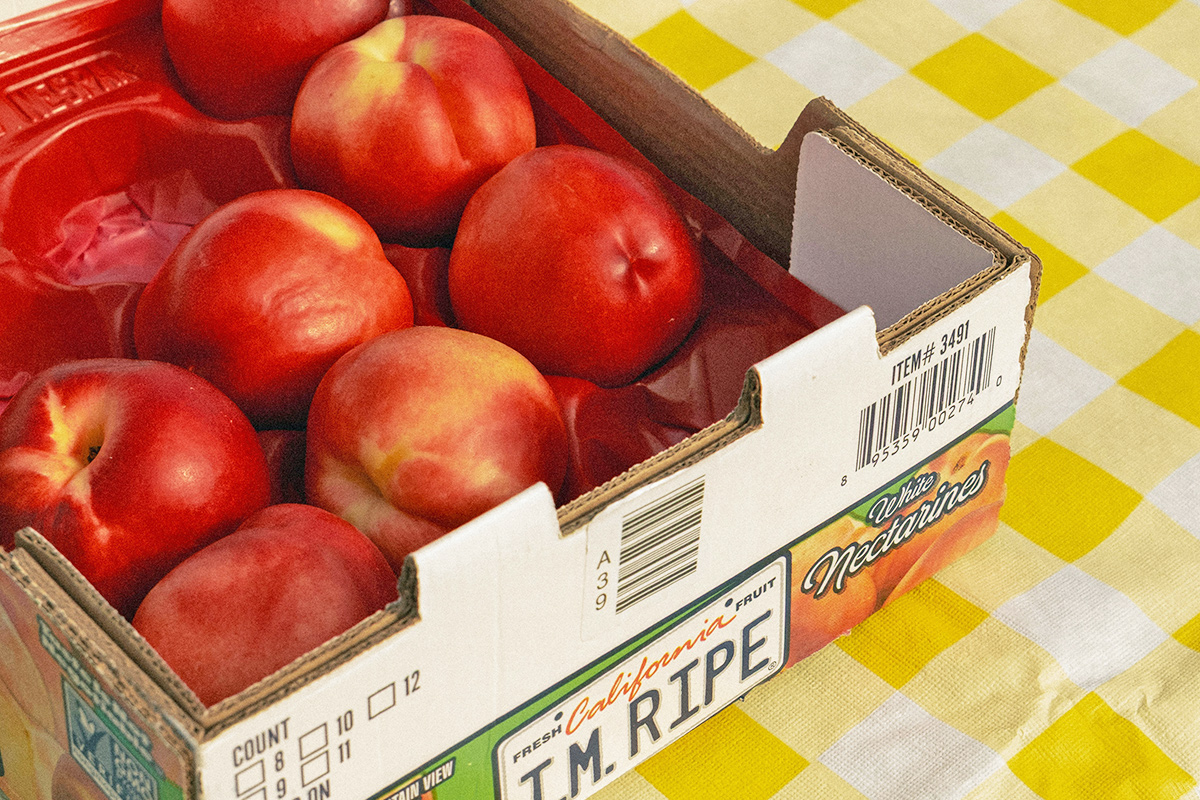
Peaches, nectarines, and cherries are all classified as stone fruits because of their hard pits. They’re also notoriously vulnerable to a range of insect pests and diseases and thus share the unfortunate distinction of containing high levels of pesticide and fungicide residues. According to USDA data, 67% of peaches tested contained four or more pesticides, with some showing as many as 19.
Other Shopping Tips
If you can’t afford to make your entire grocery list organic, the six categories above are a good start. Here are a few other ways to prioritize quality and avoid unwanted additives while staying within your budget:
• In addition to the Dirty Dozen, the EWG publishes the “Clean 15” — produce that tends to be low in pesticide residues with or without the organic label. Keep a copy on your phone so you can refer to it when you shop. (Pineapples, carrots, mushrooms, avocados, bananas, and watermelon are all included.)
• Buy frozen when you can; the quality of frozen produce overall is high, plus you don’t have to worry about spoilage and you’ll usually save money over buying fresh.
• In the case of meats, “trading down” (taking a cheaper organic cut over a premium conventional cut) can stretch your budget.
• Don’t sleep on store brands, especially for frozen and processed foods; they’re usually a better value than the flagship commercial brands.
• Shop local. There are probably growers in your area who follow organic practices but can’t justify the substantial investment required to become USDA certified.