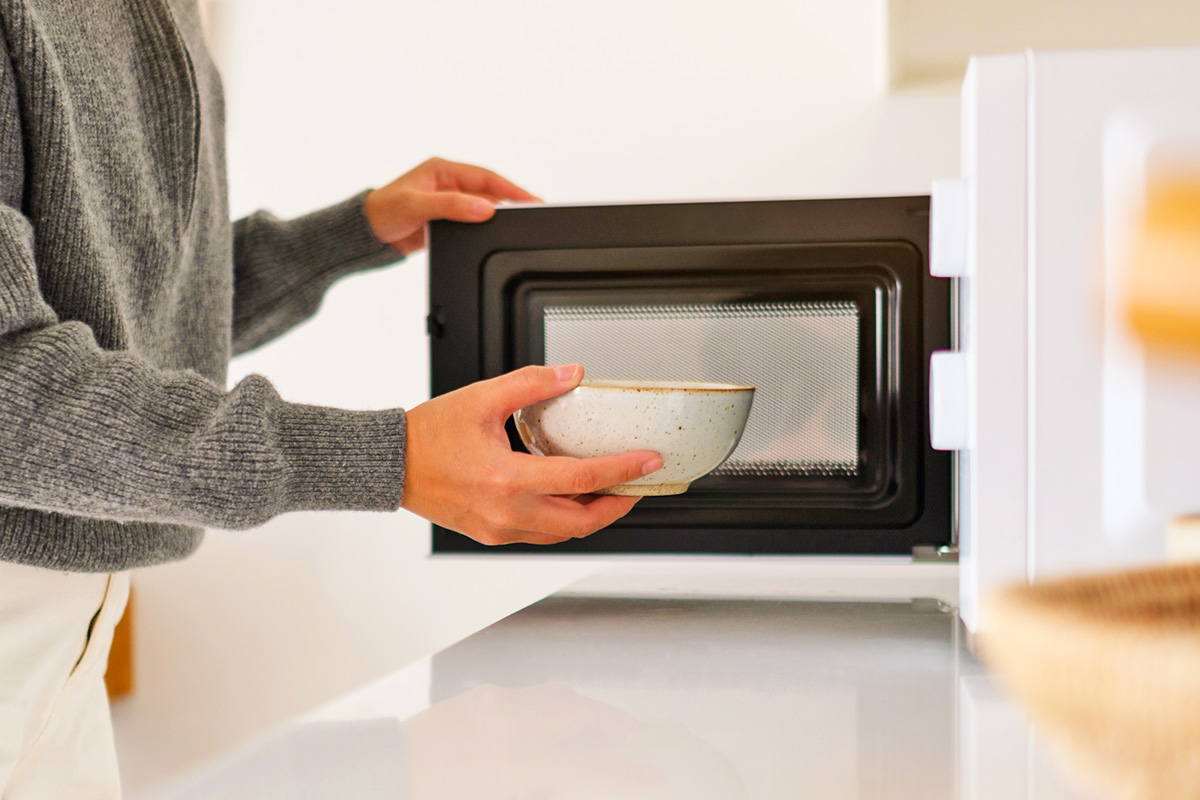
The microwave oven is one of the most revolutionary cooking devices of the last two centuries, yet it remains oddly unloved. We’ve seen a steady parade of other countertop appliances offering fast, convenient cooking and reheating — from the George Foreman Grill to the Instant Pot and the air fryer — each inspiring intense loyalty in…
It’s been over 70 years since the first domestic microwaves hit the market and 50 since they became a household staple. According to government research, nearly every home in America now has “at least one.” You could argue they get so little love because they’re commonplace. Despite that familiarity, we often forget that some foods just don’t — or at least shouldn’t — go in the microwave. In some cases, it’s a matter of quality; in others, it’s a question of actual safety. Here are 10 examples to be aware of.
1. In-Shell Eggs
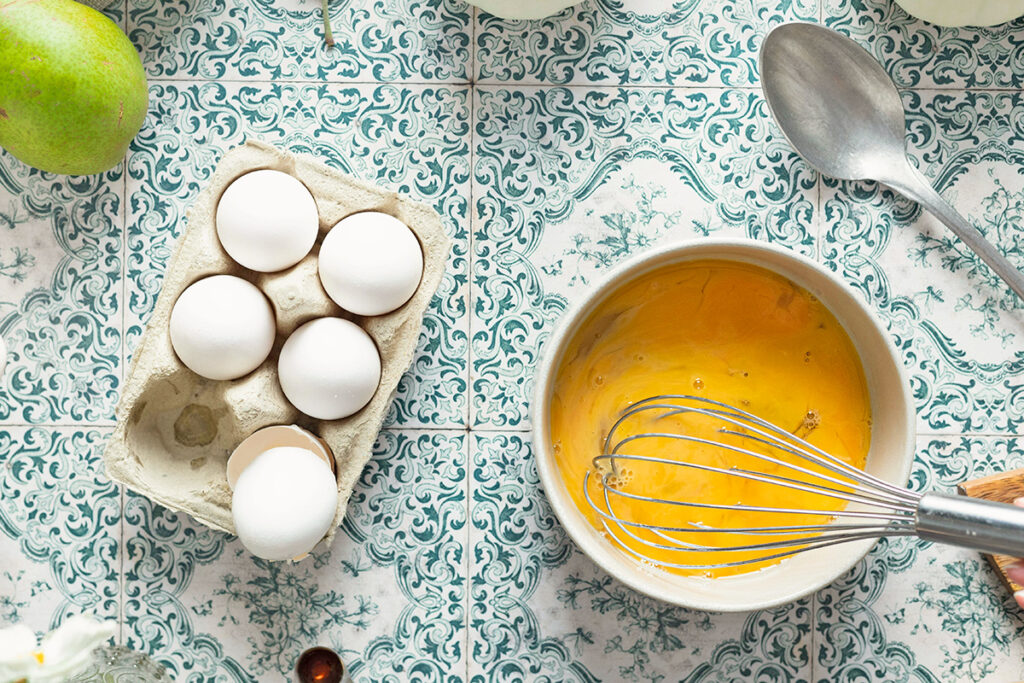
Whole eggs in their shells are a prime example of what not to microwave. You might think “nuking” a couple of eggs is a quick way to hard-cook them for salads or sandwiches, but it’s actually a recipe for disaster. Eggshells are porous enough to slowly exchange air and moisture, but they can’t cope with the rapid steam production of microwave cooking. The result is a violent explosion that, at best, makes a mess and, at worst, can damage your microwave or cause physical injury.
To cook eggs safely in the microwave, you must first crack them into a greased, microwave-safe dish. Be sure to pierce the yolk and whites a few times with a fork to allow steam to escape. Even then, eggs tend to pop and sputter, so it’s best to stir them midway through cooking.
2. Uncooked Chile Peppers
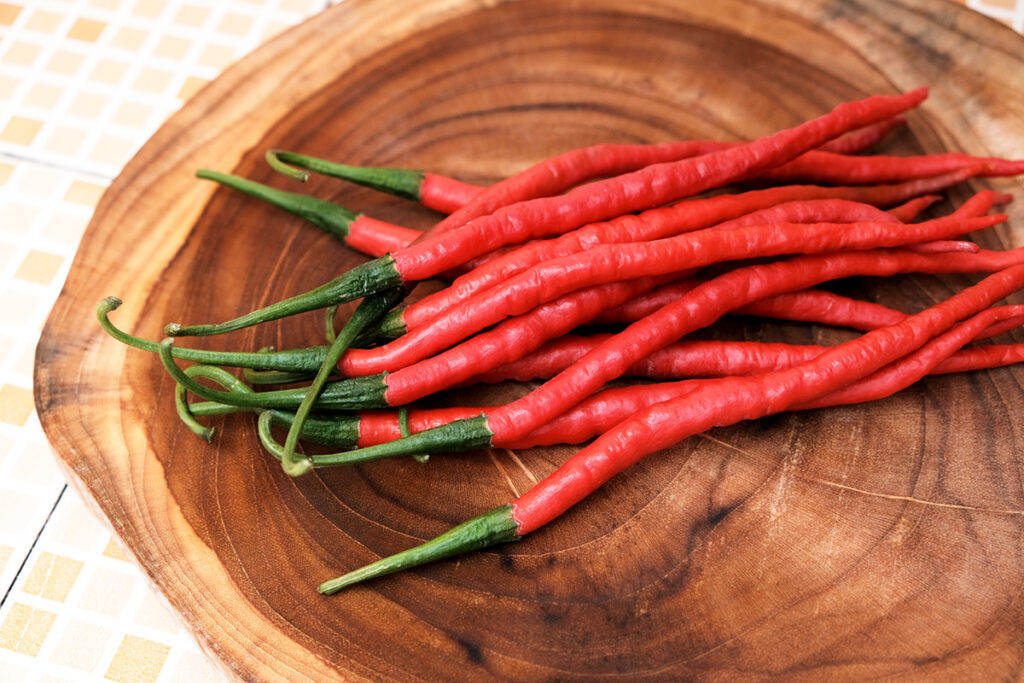
This one often comes as a nasty surprise. While it’s perfectly fine to reheat peppers that are already cooked, raw chiles are a different story. For one thing, a whole pepper can explode, leaving a spicy mess behind. But more importantly, heating raw chiles — whether whole or cleaned — releases intensely hot steam loaded with capsaicin. That’s the chemical compound that triggers a burning sensation when it comes into contact with your mouth or skin.
When you open the door, that steam hits the sensitive membranes of your eyes, nose, sinuses, throat, and lungs like a stinging cloud. If you’ve ever accidentally rubbed your eyes after chopping jalapeños, just imagine that sensation, only inhaled. It’s deeply unpleasant.
More from our network
House Outlook is part of Inbox Studio, which publishes content that uplifts, informs, and inspires.



3. Alcoholic Beverages
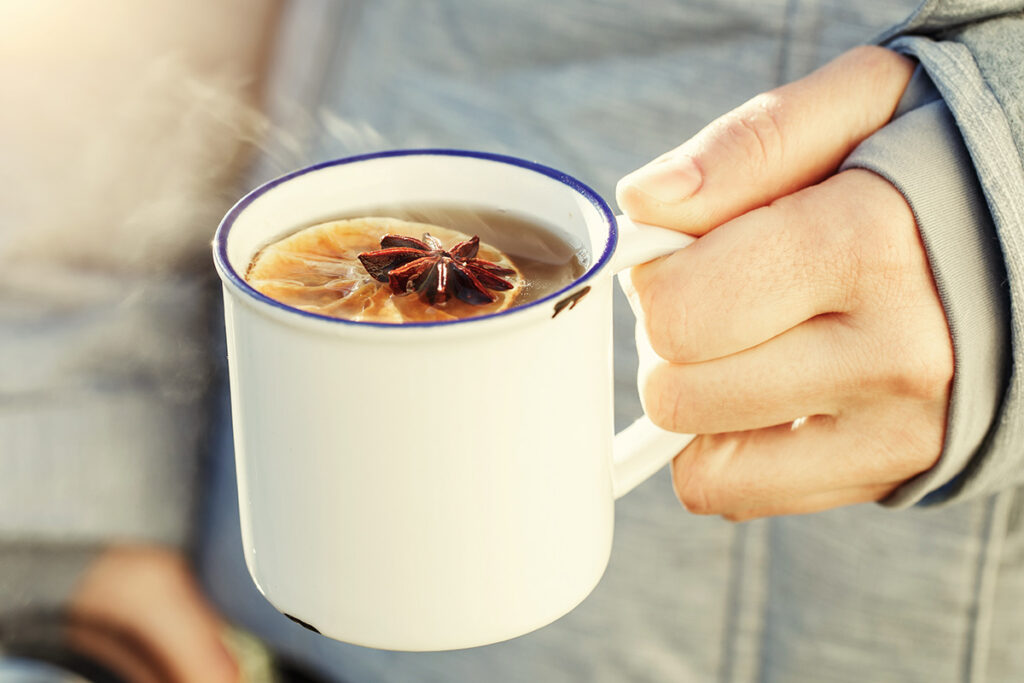
Whether it’s a mug of mulled wine on a snowy evening or a “spiked” hot chocolate after a day on the slopes, there are plenty of boozy beverages to keep you warm when the mercury dips. Some especially showy cocktails are ignited, and they catch fire more easily when preheated. The microwave isn’t a good place to warm these drinks, however. Heating high-proof alcohol releases flammable vapors that become trapped inside the microwave’s walls. If the appliance produces a random spark, these vapors can catch fire or potentially explode. For safety reasons, it’s best to warm your spirits on a stovetop over low heat.
4. Sauces
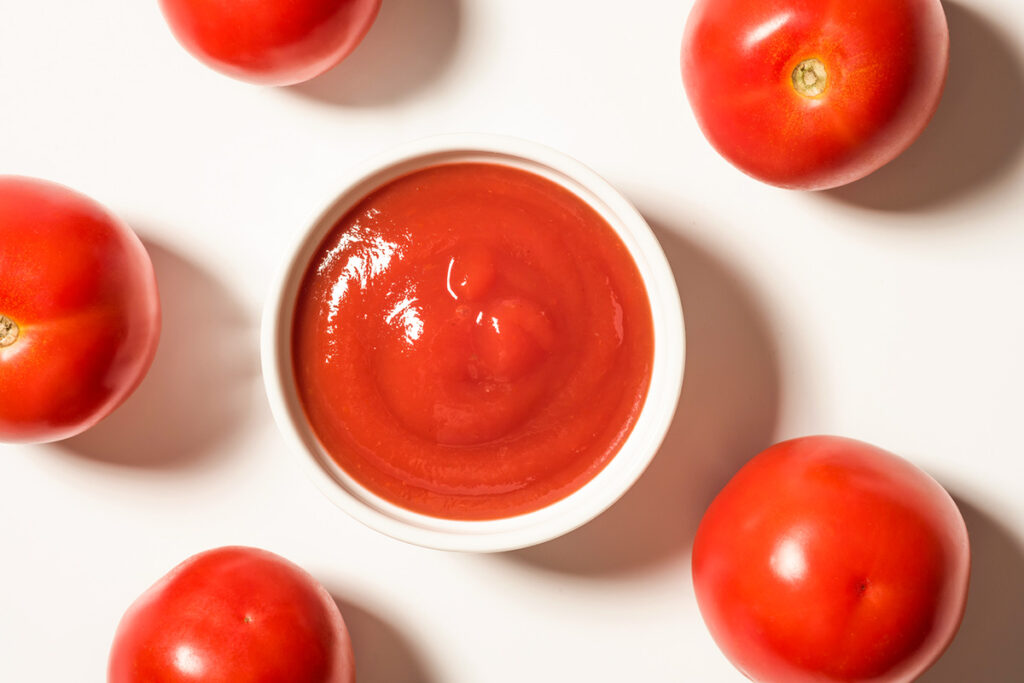
Most of us have used a microwave to heat tomato sauce, and nearly all of us have regretted it. Any moderately thick sauce will “bloop” as it heats, spattering the interior and leaving a mess that’s a pain to clean up. Aside from that inconvenience, there are culinary reasons to avoid this shortcut.
Because microwaves heat unevenly, sauces made from scratch using raw ingredients will result in a mix of over- and undercooked pockets. Reheating leftover sauces can be equally dangerous, as those cold pockets may fail to reach a food-safe temperature. Dessert sauces are particularly temperamental — custards tend to “break” into grainy lumps, while sugary, syrupy sauces can become superheated, posing a burn risk.


5. Plain Water
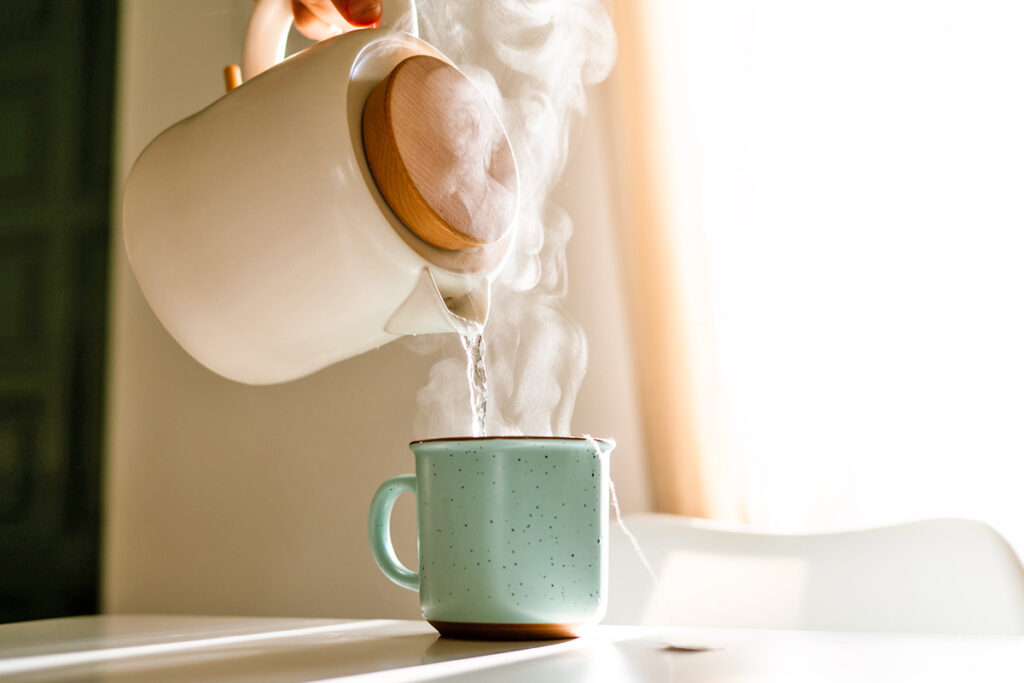
It seems harmless, but microwaving plain water is a real safety risk. If you regularly use your microwave to heat water for coffee or tea, you may be setting yourself up for an ER visit. When water boils in a saucepan, small bubbles form on the bottom and rise to the top; this process allows steam to escape and prevents the water from exceeding 212 degrees Fahrenheit.
If you’re microwaving water in a smooth mug or measuring cup, however, those bubbles may never form. The water can superheat well beyond the boiling point while its surface remains deceptively still. When that excess heat is finally released — usually when you drop in a tea bag or move the cup — the water erupts violently, often scalding whoever’s holding the cup.
6. Raw Kale and Other Vegetables
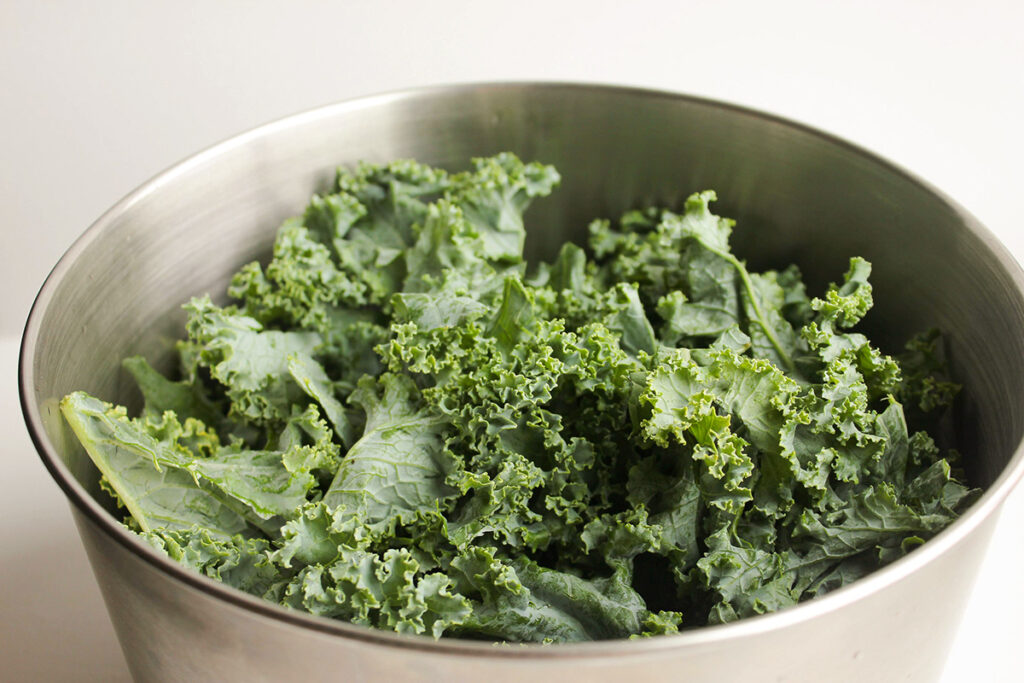
Kale’s popularity comes and goes, but a lot of people love it for its versatility and nutritional benefits. It’s especially addictive in the form of kale chips — thin, delicately crispy treats reminiscent of nori sheets. But as one NPR contributor learned, attempting to make them in the microwave can lead to fireworks.
The experts NPR spoke to had varying explanations. Other vegetables, including carrots, green beans, and some leafy greens, can produce the same effect. It’s likely these vegetables absorb minerals, such as iron and magnesium, from the soil, which then act as tiny conductors. Shape seems to matter, too; lots of thin, crinkly edges increase the likelihood of sparks. It’s best to choose another cooking method for these vegetables or at least parcook them beforehand to lower the risk.
7. Anything You’ve Previously Microwaved
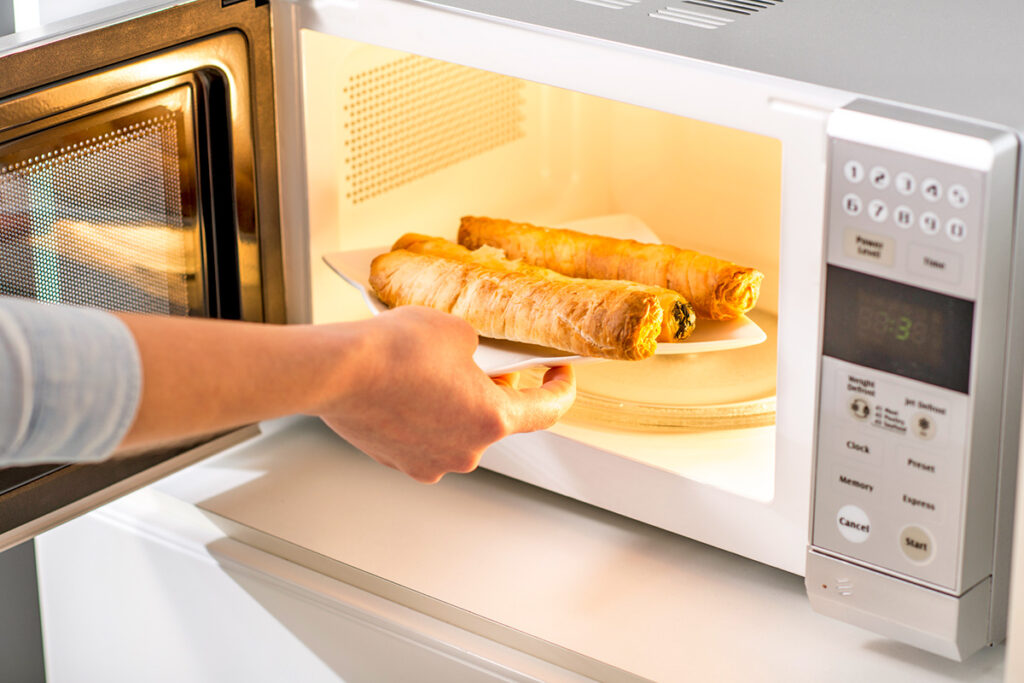
Most of us have used the microwave to gently reheat and freshen slightly stale baked goods. They’ll return to their original soft, moist texture, but only for a short time. If you let them cool, they’ll end up even harder than before. This happens because the microwave forces water out of the starches as steam, leaving the bread bone-dry.
Many other foods experience a similar decline in texture when reheated in the microwave — especially for a second or third time. But beyond this issue lies a more serious concern: food safety. As we’ve mentioned, microwaves heat unevenly. This creates a risk that some portions of your meal stayed in the food-safety “danger zone” longer than you realized, and could do so again when you heat them the next time. The more time bacteria have to grow, the more likely they are to make you sick.
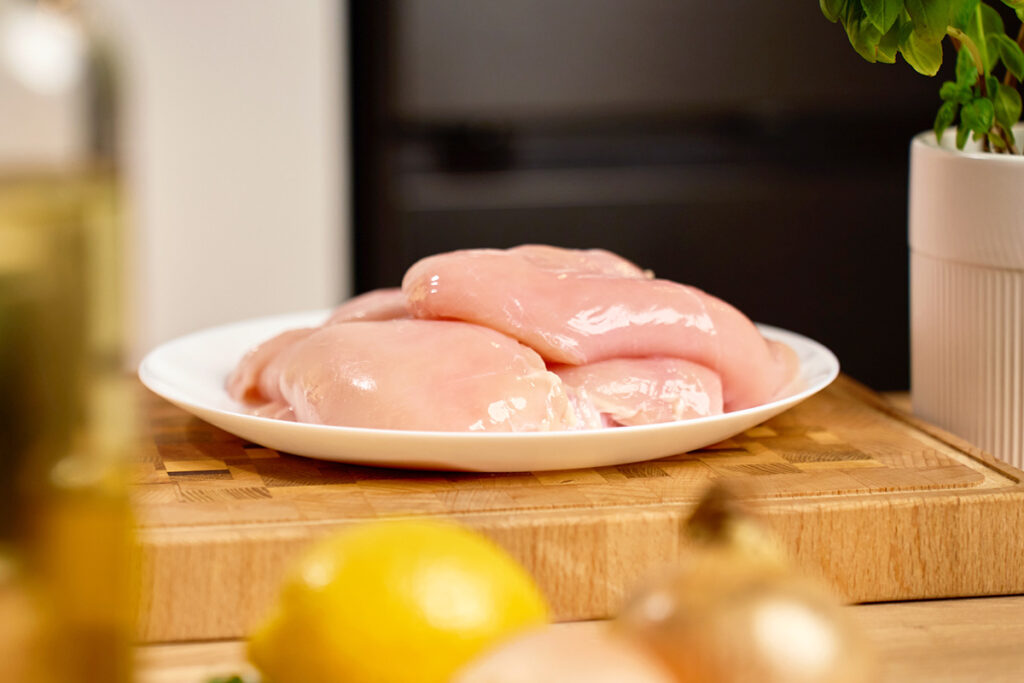
8. Raw Meats, Fish, and Poultry
It’s almost dinnertime and you forgot to defrost the chops. What do you do? For many of us, the answer is “throw them in the microwave for a minute or two.”This method is a bad idea for a couple of reasons, even if you use the “defrost” setting instead of full power.
Because microwaves heat unevenly, some parts of the meat may start cooking while other parts stay frozen. When you cook it the rest of the way, those precooked parts will become tough and unpalatable. With delicate proteins such as fish or boneless chicken, it can really ruin their texture. More importantly, it presents a food-safety risk. The USDA warns that microwave-thawed meats should always be cooked immediately because certain parts may have reached temperatures where bacteria can thrive.
9. Breaded and Fried Leftovers
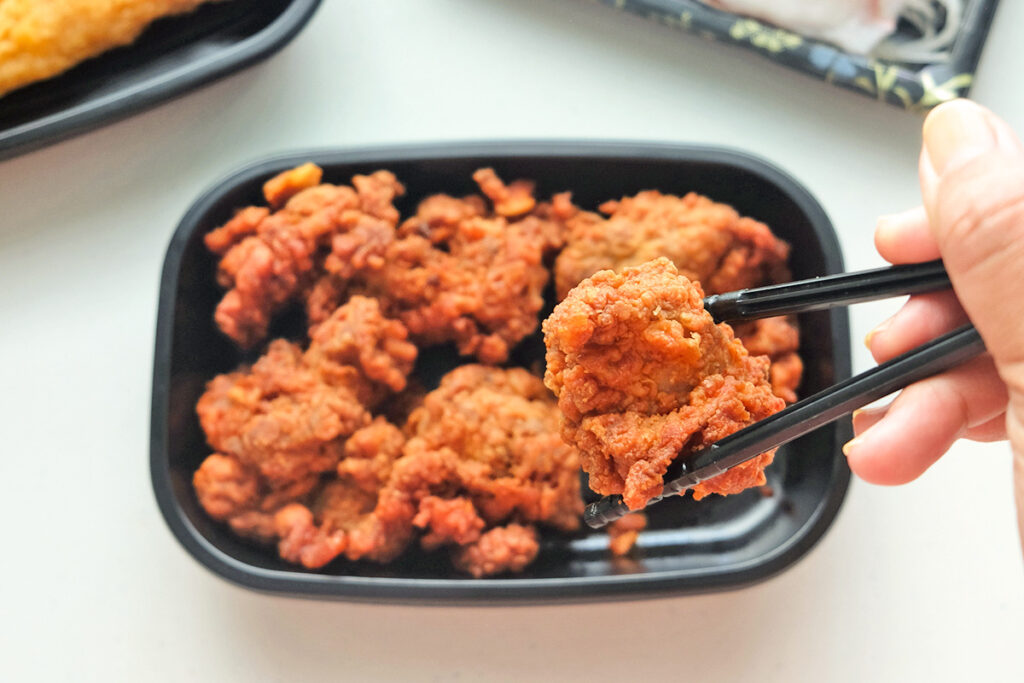
Even those of us with the healthiest intentions often find it hard to resist breaded, battered, and fried foods. There’s something about that crisp outer layer paired with a tender, juicy center that makes for an irresistible combination.
Unfortunately, you’ll lose that entirely if you reheat your leftovers in the microwave. Your meal will keep much more of its original appeal in a toaster oven or air fryer, which recrisps the coating as it heats. If you’re in a hurry,l microwave the food briefly to take the chill off before finishing it in the oven or air fryer.
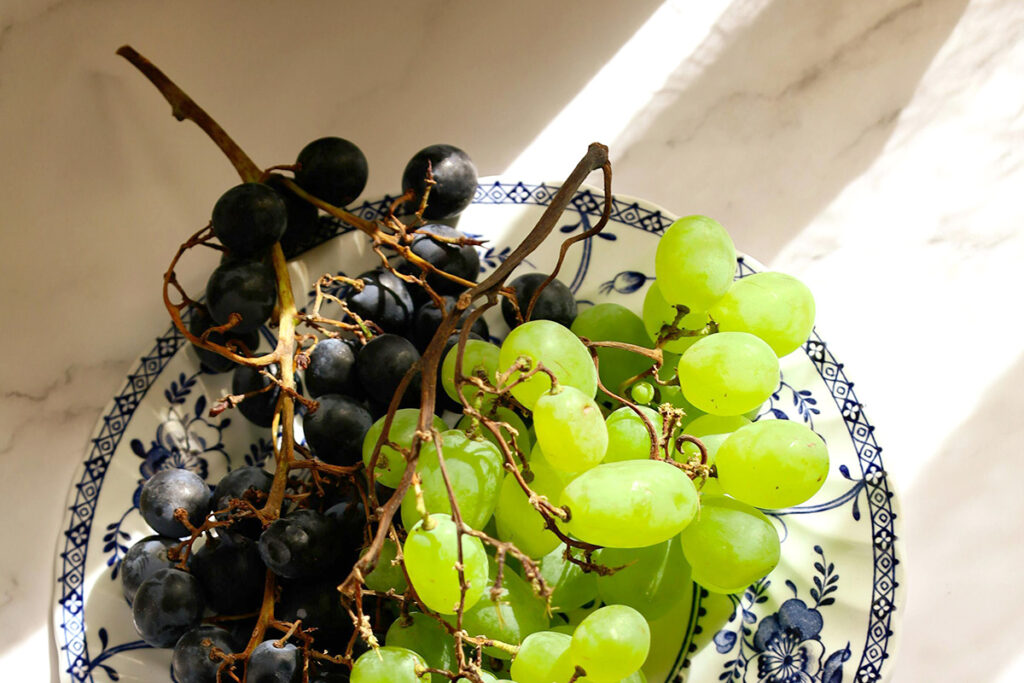
10. Grapes
This next one is a bit of a curveball, since few of us cook grapes on purpose (though they make a great garnish for chicken or herb-crusted fish). However, a quirk of physics makes the humble grape surprisingly dangerous in a microwave.
Here’s the gist: Microwaves are actually a form of radio waves. While their wavelength is roughly 4.7 inches long, it shrinks significantly upon entering the high-moisture interior of a grape. Once the waves match the size of the fruit, they become trapped inside. When two grapes touch, they act as a bridge for that trapped energy, resulting in a burst of super-hot plasma that can completely destroy a microwave.
Anything small and juicy, such as a blueberry, cherry tomato, or quail egg, can cause a similar effect. As for the impact, the researchers who nailed down the science of this one went through a lot of microwaves — 12, to be exact.