Garlic is one of the world’s favorite flavors, and you’d have to think long and hard to name a cuisine that doesn’t use it. It pairs perfectly with just about anything savory, and while garlic powder is a handy pantry staple, fresh garlic is the undisputed king. It delivers bigger, bolder flavor and more versatility,…
The Chemistry of Garlic Flavor, and Why It Matters
Garlic’s flavor comes from a high concentration of sulfur compounds inside its juicy cloves — a trait it shares with the rest of the onion family. This is important because sulfur is a highly reactive element. When you chop fresh garlic, you’re breaking down the cell walls and allowing the garlic’s own enzymes to mingle with those compounds. The biggest players here are a molecule called alliin and an enzyme called alliinase. Once the garlic’s cell walls are crushed, the enzyme converts the alliin to allicin — the molecule responsible for garlic’s pungent flavor.
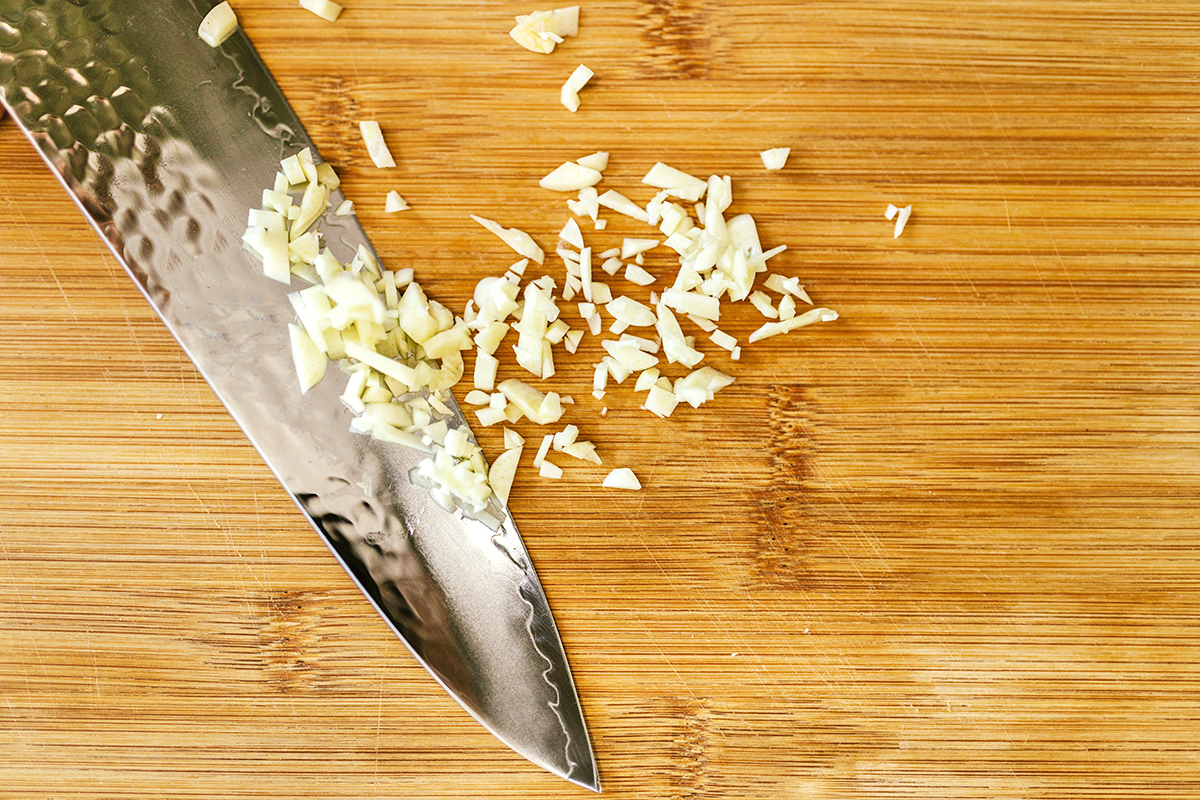
Chefs know that the finer you chop garlic, the more allicin is produced. A coarse chop, for example, smashes fewer cell walls, resulting in a lower concentration of allicin. If you chop your garlic finely or mince it to a paste, you’re creating significantly more allicin. Either way, allowing it to rest for 10 to 15 minutes after putting down your knife gives the alliinase time to do its work, building a richer and more complex garlic flavor.
More from our network
House Outlook is part of Inbox Studio, which publishes content that uplifts, informs, and inspires.




Patience Is a Virtue
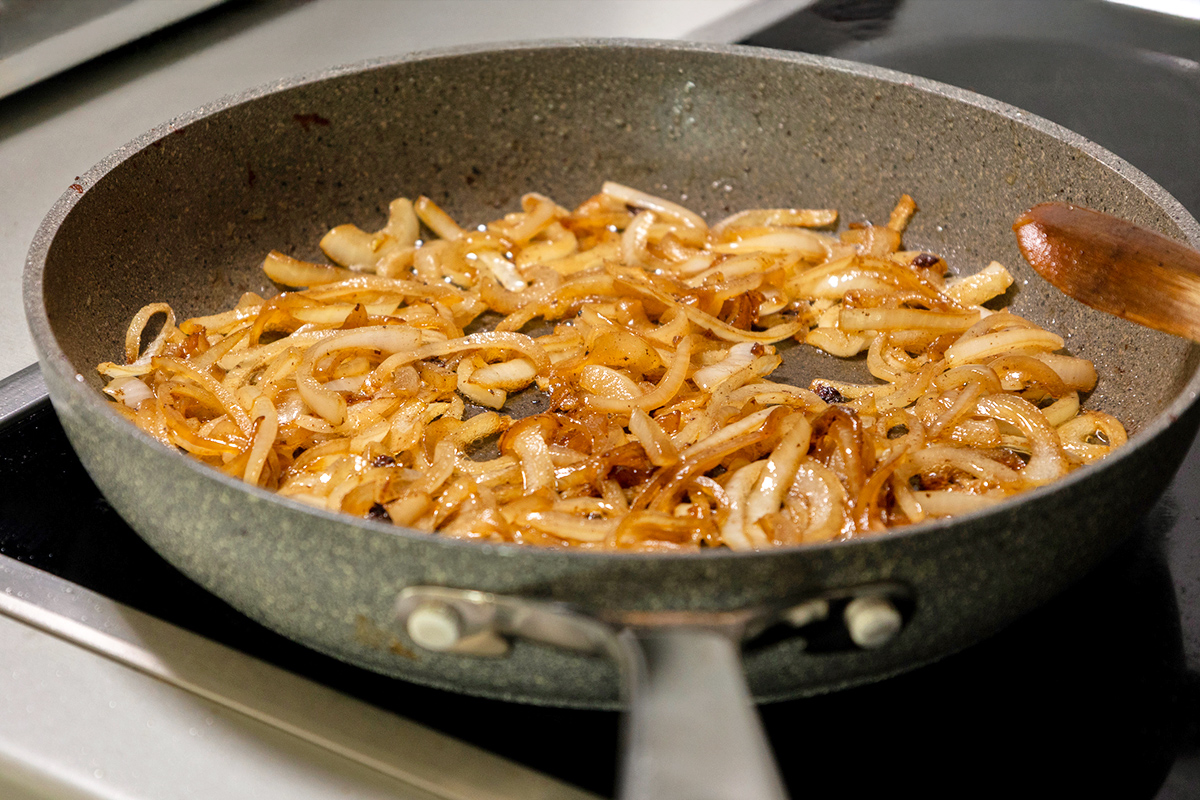
There’s another benefit to that resting time: Many cooks tend to put their chopped garlic into the pan too early, while the onions and other aromatic ingredients are just beginning to soften. This makes it easy to scorch the garlic, which makes it bitter and unpleasant. If you wait and add the garlic at the last minute, stirring frequently before adding any liquids or other ingredients, it has all the time it needs to mellow out and become aromatic.