Dish soap might live next to your kitchen sink, but its cleaning power goes far beyond plates and pans. Designed to break down grease and grime, this everyday staple can tackle messes all over your home — often with better results than specialty cleaners. The best part? You likely already have it on hand, making…
Beyond dinner cleanup, dish soap can help cut through stubborn buildup, refresh overlooked surfaces, and simplify tasks you might normally dread. If you’re looking to streamline your cleaning routine, these lesser-known uses might surprise you.
1. Remove Grease Buildup From Cabinets
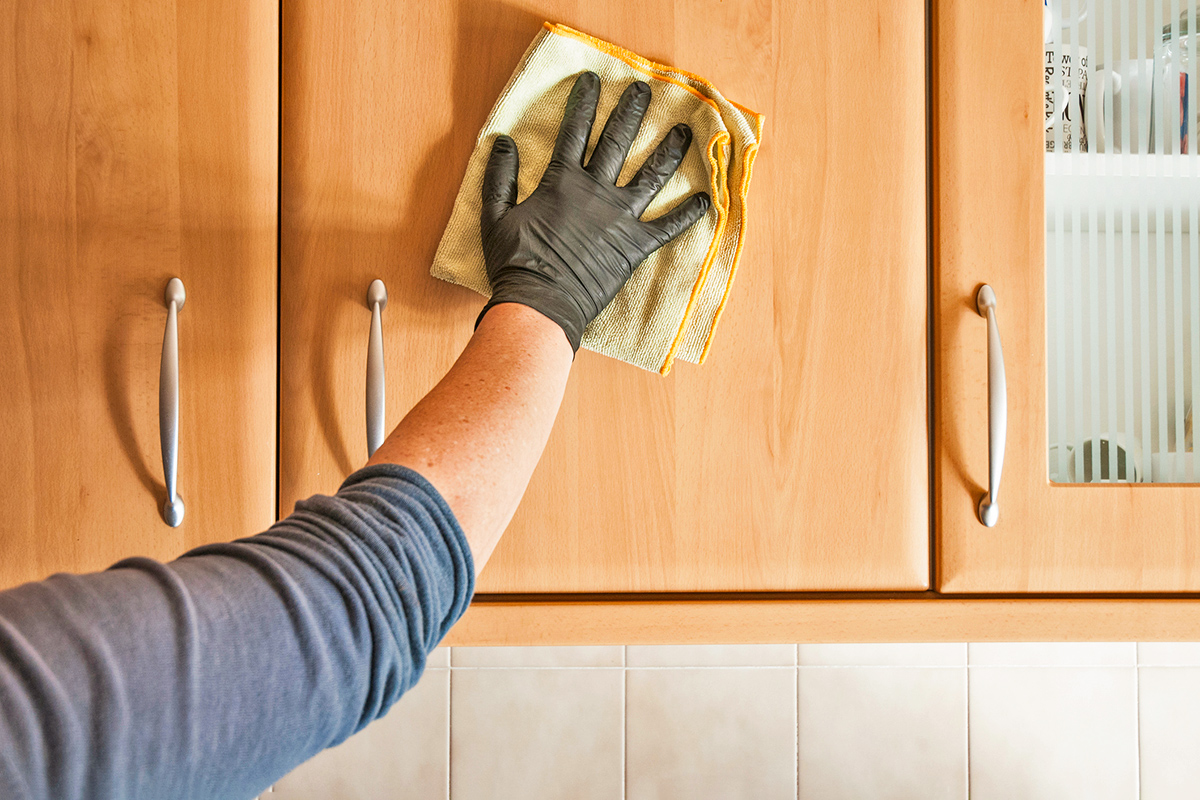
Kitchen cabinets near the stove inevitably collect grease. This residue leaves surfaces looking dull or sticky, but dish soap is formulated to cut through exactly that kind of buildup.
Mix a few drops of dish soap with warm water and dip a microfiber cloth into the solution. Wring it out until it’s damp, then gently wipe cabinet faces. For tougher spots, use a soft sponge. Finish by wiping with a clean, damp cloth to remove any soap residue, then dry with a towel. Your cabinets will look noticeably fresher — without harsh cleaners.
More from our network
House Outlook is part of Inbox Studio, which publishes content that uplifts, informs, and inspires.




2. Clean Patio Furniture
Outdoor furniture quickly becomes grimy from dust, pollen, and seasonal use. Instead of pulling out a specialized outdoor cleaner, you can use dish soap to do the job just as well.
Fill a bucket with warm water and add a small amount of dish soap. Use a sponge or a soft-bristle brush to scrub plastic, metal, or resin furniture. The soap breaks down dirt and sticky residue without damaging surfaces. After a thorough rinse with a garden hose, allow everything to air-dry. This quick clean will revive your outdoor seating just in time for your next gathering.
3. Brighten Cloudy Glass Light Fixtures
Glass light fixtures and shades tend to collect dust, cooking residue, and fingerprints — all of which can leave them looking cloudy and dim. After turning off the light and letting the bulbs cool, carefully remove the glass pieces. Wash them in a sink filled with warm water and a few drops of dish soap, much like you would any delicate dish. Use a soft cloth or sponge to gently clean the surface, then rinse and dry thoroughly with a lint-free towel before reinstalling. You will find the difference in brightness is surprisingly noticeable.