How many cooking oils do you keep in your pantry? Ideally, we’d have exactly the right type of oil for every culinary task, but that would get unwieldy quickly. Cooking oils are perishable, after all, and take up a lot of shelf space. Most home cooks find it easier to use one general-purpose oil as…
But here’s the thing: While all oils eventually go bad, extra-virgin olive oil begins losing its fresh flavor the minute it’s pressed. Its distinctive profile comes from polyphenols, natural antioxidants that help the oil stay stable. However, these compounds are delicate and fade over time. This causes the oil to “go flat” long before it actually becomes unsafe to consume. So, buying the freshest bottle you can find is the secret to getting the best flavor.
The “Best By” Date Isn’t Your Guide to Freshness
Now, you might think picking a fresh oil is easy: Just look at the “best before” date and you’re good, right? Well …not exactly. Those dates are unregulated at the federal level in the United States, so manufacturers can be quite generous with them. The date you actually want is the harvest date, which you’ll find on any high-quality bottle of extra-virgin olive oil. Keep in mind that olives are harvested in late fall and early winter — typically October through December in the Northern Hemisphere, and April through June in the Southern Hemisphere.
Look for a harvest date within the past year — the more recent, the better. It takes time to press, bottle, and ship the oil, so while the timeline varies by producer and region, aiming for a year or less is your best bet. Premium olive oils offer a range of grassy, peppery, herbal, floral, or fruity notes, but these qualities fade quickly after pressing. So, wherever you happen to live, make freshness your top priority.
More from our network
House Outlook is part of Inbox Studio, which publishes content that uplifts, informs, and inspires.




A Few More Olive Oil Tips
Here are a few more tips for finding the best bottle:
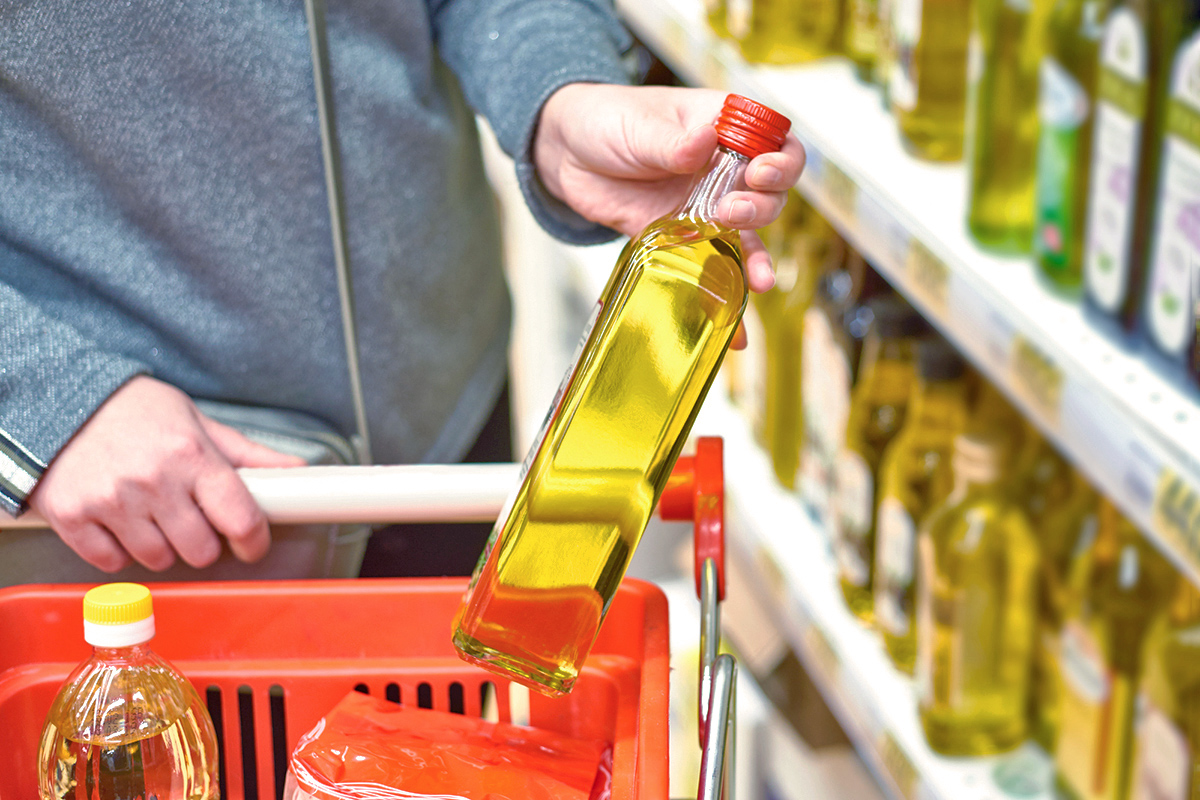
• Always buy your oil in a dark glass bottle or a tin. Light degrades the oil faster.
• California-grown EVOO is lab-verified by law. Oils with a designated geographic origin, such as DOP/PDO (Europe) or COOC (California), usually adhere to stricter quality standards.
• Attend tastings whenever you can. You’ll soon be able to recognize quality just by the flavor.
• Some oil producers sell directly to the consumer. This cuts out the retail lag time, which ideally results in fresher oil.