But winter, which is the fallow season for growth, is no less important. This is the time for garden planning and preparation, when you take stock of the previous year’s lessons and brainstorm the things you’ll do — or change — in the coming months. As a lifelong gardener (my father’s gardening magazines were among my earliest reading), I recommend these 12 things you can do in winter to make your garden more successful.
1. Show Your Hand Tools Some TLC
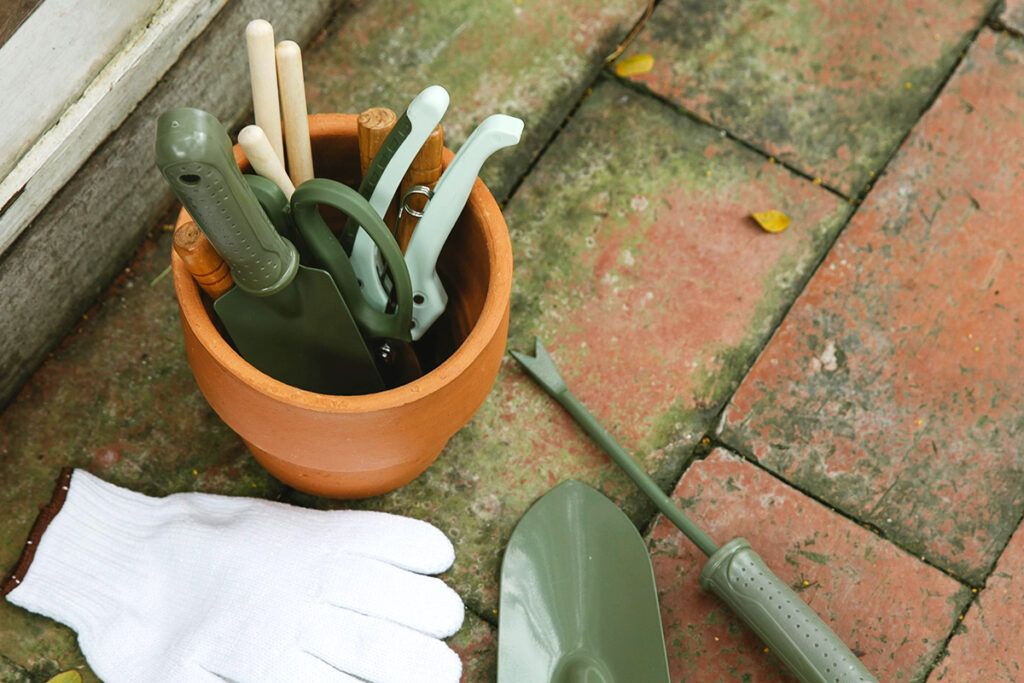
Even if you have a lawn tractor with all the attachments and a shed full of cordless outdoor power tools, hand tools remain fundamental to any gardener. It makes sense to use this relative downtime to return them to top condition so they’ll last longer and work better. Block off some time before spring to:
• Condition the wooden handles with linseed oil or tung oil to prevent cracking and rot.
• Replace any handles that are badly damaged.
• Remove rust from blades and working surfaces.
• Oil or repaint blades as needed. (I like to use bright colors that make them easier to spot.)
• Sharpen the blades of not just your clippers, trimmers, and pruning shears, but also your shovels and hoes. They’ll cut through roots and dense soil with less effort.
• Clean and lubricate the moving parts of clippers and pruners and check if your wheelbarrow axle needs grease.
These aren’t just practical steps; they are a soothing, satisfying activity in their own right. And if you haven’t already, ensure your hoses are drained and your outdoor faucets are protected, lest a late-winter cold snap arrive.
2. Mothball Your Yard Machines
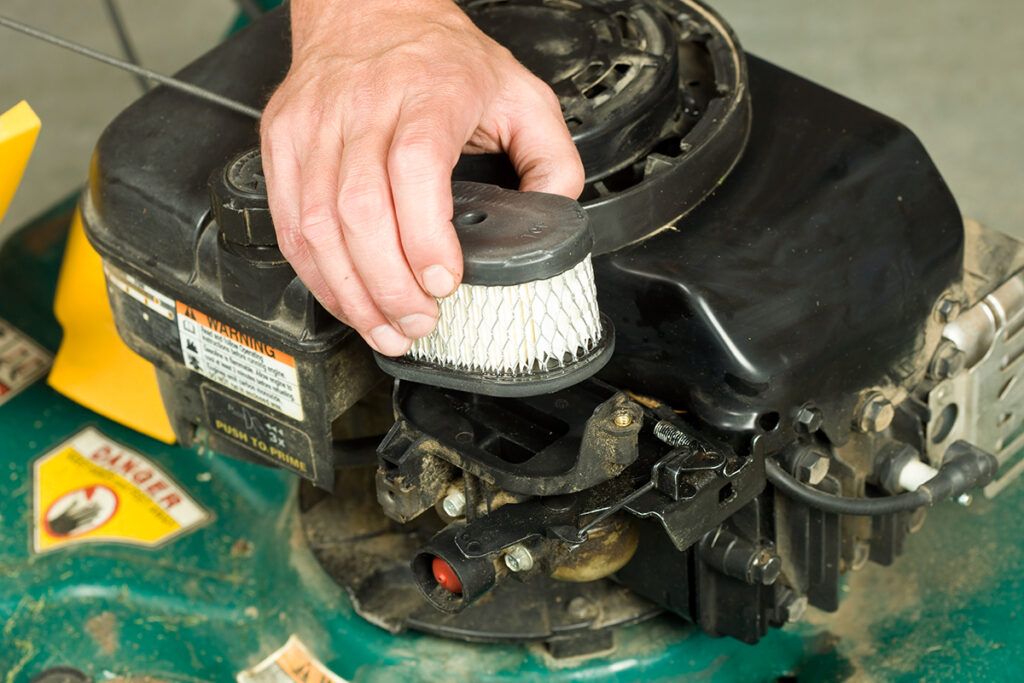
Hand tools may be the foundation of your gardening life, but power tools are what really take the backbreaking labor out of a great garden. Whether cordless or gas-powered, these machines also benefit from offseason care. Without getting too far into the metaphorical weeds — since every model has its own needs — here are a few standard maintenance tasks to complete this winter:
• Drain or use up any unused gasoline. Alcohol-blended gas separates in cold weather and can gum up your carburetor; transfer it to another machine you’re still using, such as a snowblower or chainsaw.
• Clean each machine thoroughly, lubricate moving parts according to the manufacturer’s instructions, and treat any rust spots.
• Sharpen the tines on your tiller to ensure it’s ready for spring soil.
• Store your machines in a weatherproof storage area, or make sure they’re at least adequately covered to keep out ice and snow.
• Stock up on consumables, such as string trimmer line, to beat the spring rush.
More from our network
House Outlook is part of Inbox Studio, which publishes content that uplifts, informs, and inspires.





3. Plan Your Spring Garden in Detail
Garden planning is the single best way to give yourself a leg up for spring. Having an overall plan for what you’ll grow — and how you’ll grow it — sets the tone for the entire year. By investing time now, you can prepare efficiently, ensure your supplies are ordered before you start, and avoid unnecessary trial and error.
Here are a few things to think about as you formulate your plan:
Look back on past harvests: Pinpoint the crops you wish you’d grown more of and those that resulted in a surplus, so you can adjust your planting for this year. (Tip: Choosing early-, mid-, and late-season varieties of your favorite produce, such as tomatoes and beans, helps stagger your harvest.)
Evaluate your cultivars: Assess and track which cultivars (i.e., specific plant varieties) tasted good and grew well, versus those that were disappointing. This will help you decide whether to try something different this season.
Improve the layout: Decide if you want to expand, shrink, or reconfigure your garden’s layout to take better advantage of sun, drainage, or soil quality.
Plan for new structures: Determine whether you need to add any new physical features, like drainage channels or structures such as trellises and raised beds.
Learn from your mistakes: Review any specific irritations or shortcomings from last year’s garden and brainstorm what you can do differently this year.
Keeping a detailed garden journal throughout the year helps immensely. I’ll confess I’ve struggled with it myself, but even partial records are better than relying entirely on memory.

4. Invest in New and Upgraded Tools
Once you’ve settled on next season’s gardening plan, take some time to review the tools you have and how they measure up against your vision for the space. One benefit of cleaning and maintaining your tools is that doing so gives you a realistic look at how well they’re holding up and whether it’s time to replace or upgrade them. You may even find that your new plans require a specialized tool or two. If you buy them now during the offseason, you’ll have plenty of time to familiarize yourself with them before gardening season starts in earnest.



5. Build Any New Structures You Need
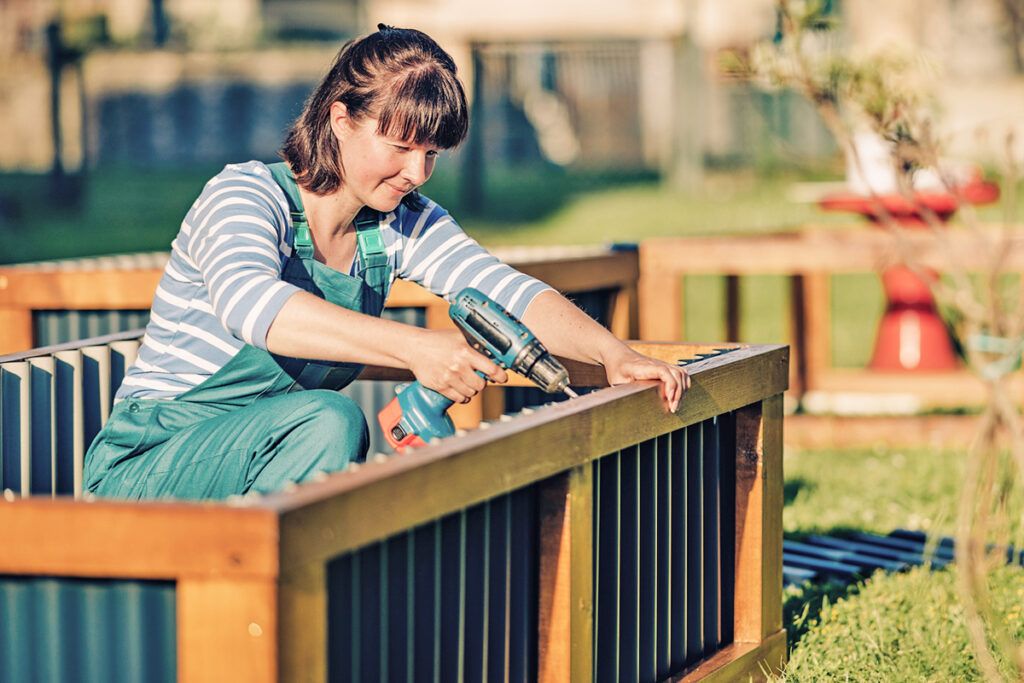
Planning your garden in advance also gives you those long winter evenings to build any new structures you might need. Depending on your goals, this could be anything from simple cold frames and raised beds to a full-scale greenhouse or potting shed. Of course, not everyone has the tools or space for these projects. But if you network with other gardeners in your area, you can often find opportunities to share space, expertise, and materials.
6. Test the Germination Rate of Your Saved Seeds
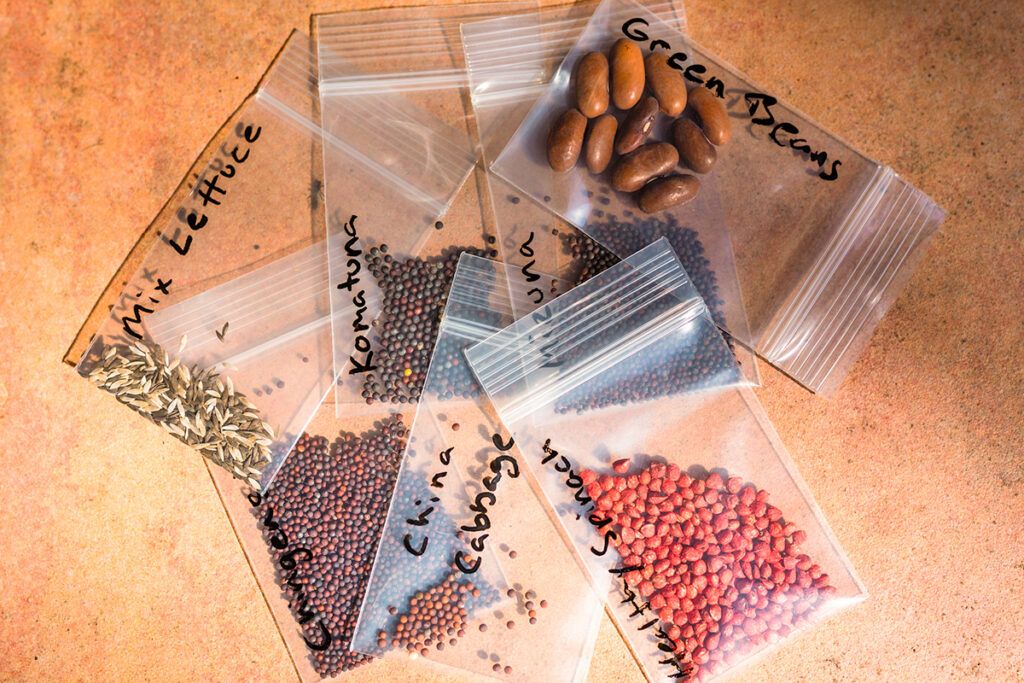
Most gardeners wind up with extra seeds at the end of planting season, and some of us — myself included — deliberately save seeds for the following year. However, some seeds remain viable for years, while others have a remarkably short shelf life. As a general rule, larger seeds outlast smaller ones, though some (looking at you, parsnips) notoriously don’t keep even for one season.
Testing your seeds’ viability takes only a few minutes of hands-on effort, followed by a week or two of waiting. If you get at least 70% germination, go right ahead and plant those seeds when the time comes. For lower germination rates, it’s your call: If you’re starting indoors, for example, you can sow two or three seeds per cell to maximize your odds, then pinch off any additional sprouts, keeping only the most vigorous seedling.
7. Get Your Seed and Bulb Orders in Early
The climate where I live is very similar to that of coastal Maine, my closest U.S. neighbor. For short-season gardeners like me — who do the bulk of our planting in late May — it’s hard to feel any urgency about placing that seed order early. But waiting is a mistake. For one thing, browsing seed catalogs and seed-company websites is just plain fun, so why not enjoy yourself?
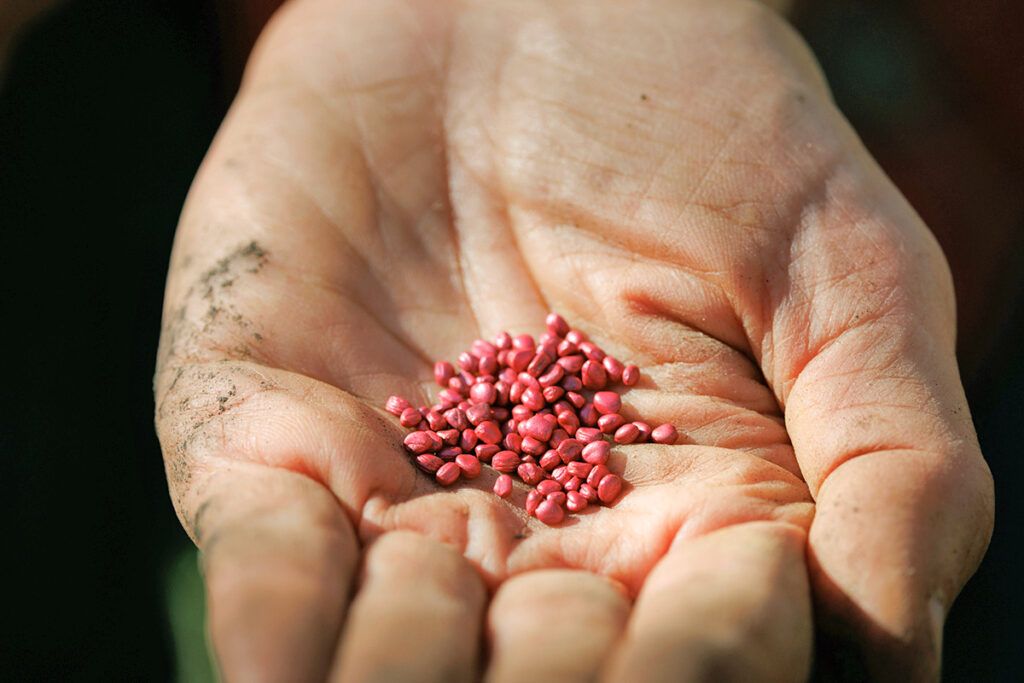
On a more practical note, suppliers often sell out of popular seeds, bulbs, and corms well before planting time rolls around. If you’re slow with your order, you might miss out on cultivars you’ve been wanting to try or those you’ve had excellent results with in the past. This is especially true if you make a point of buying your seeds from small, regional suppliers who specialize in varieties that are well suited to local conditions. While they may technically be the same cultivars you’d find elsewhere, seeds from local growers are often hand-selected for your specific climate over many generations — a “cheat” for growing a more resilient garden.
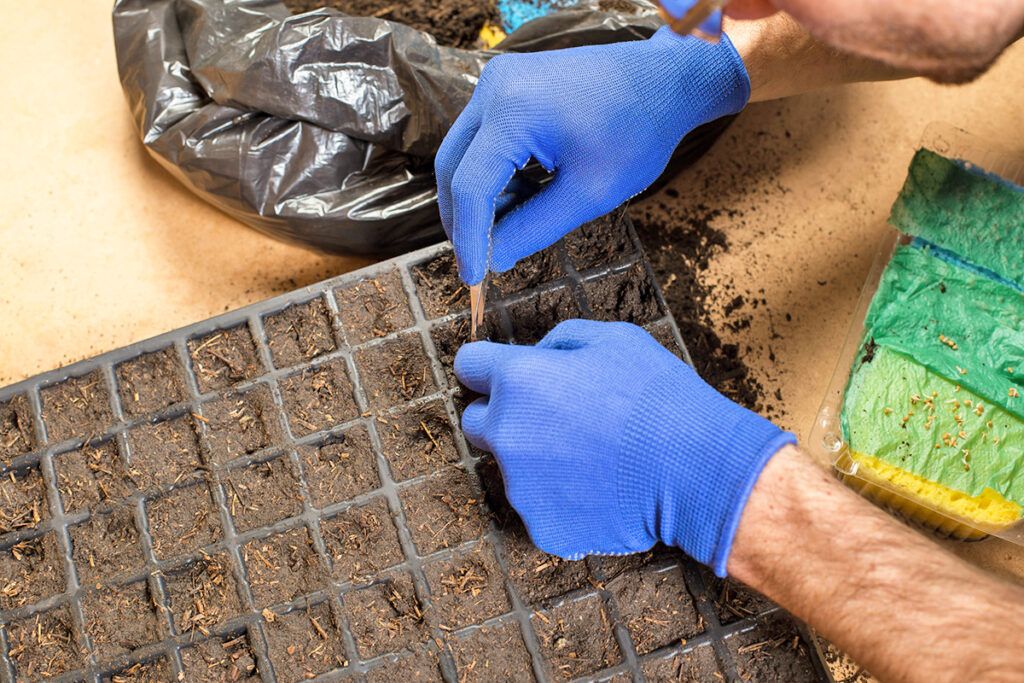
8. Prepare Your Seed-Starting Area
This is something warm-climate gardeners can skip, but those of us in cooler regions often start long-season plants indoors. We then transplant them to our gardens once the risk of frost has passed. Timing varies depending on your location, but the process goes much more smoothly if you organize your space and supplies ahead of time.
The ideal setup is a south-facing window with good natural light that can hold your seed trays or open flats. Once you’ve determined how many seed-starting containers you need, make sure you have enough surfaces to accommodate them. TV trays, folding card tables, and multitier cooling racks are all reliable options. Depending on the lighting situation, you may need supplemental grow lights; most seedlings appreciate 14 to 16 hours of light, which just isn’t possible during the winter.
You should also check your inventory of trays, planting cells, potting soil, and whatever else you need. Finally, consider placing a few small fans near your seedlings to circulate the air. It results in sturdier stems and helps prevent disease and mold problems too.
9. Work Up a Planting Schedule
One of the most important details of the gardening season is figuring out exactly when everything needs to be planted. (It’s right up there with knowing your climate zone.) It goes without saying that the best time to do this is well before planting season begins.
Start by figuring out your area’s average last-frost date. You can find this information through your local extension service, weather apps, or websites. (Tip: Over time, your own garden journal can become an invaluable resource for this — especially if you install a home weather station to capture data specific to your microclimate.) Next, check your seed packets to find out how many weeks each variety needs indoors before transplanting. Finally, count that number of weeks backward from your last-frost date to pinpoint your “start planting” date.
Once you’ve done the math, record those dates in your planner, calendar app, or garden journal. The plants with the longest lead times go on the calendar first, followed by those that need less time indoors. As you get within a couple of weeks of your last-frost date, you can block out time to plant cold-hardy seeds that go in “as soon as the soil may be worked,” and, finally, the heat-lovers that must wait until “all danger of frost has passed.”

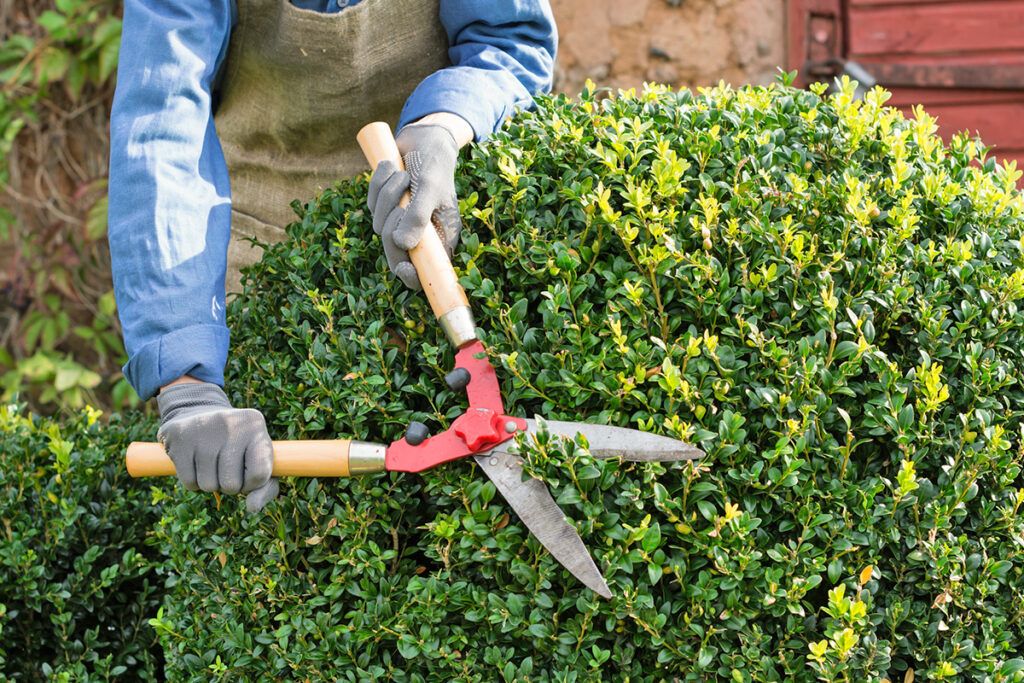
10. Prune Trees and Shrubs
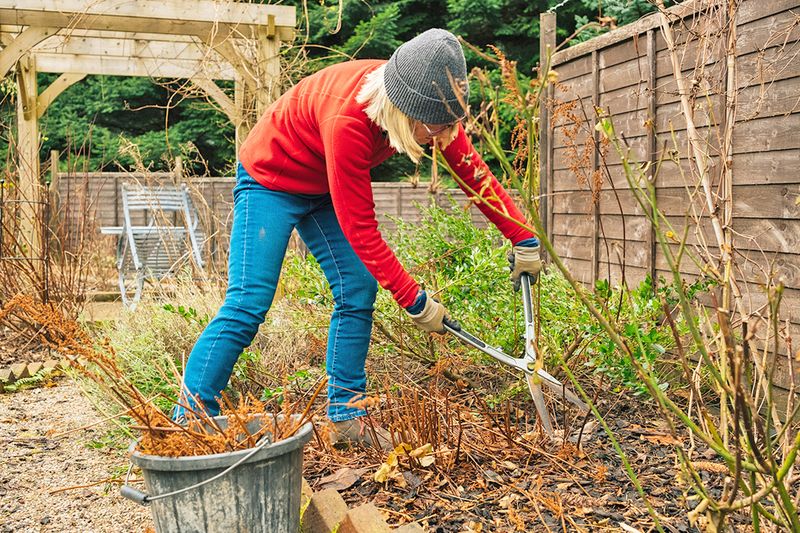
Late winter or very early spring — just before they come out of dormancy — is the ideal time to prune many trees and shrubs. Generally speaking, you should skip anything that blooms in spring. These varieties typically set buds on last year’s growth, so pruning them in winter means losing those blossoms (and for edibles, the corresponding fruit).
Summer-blooming trees and shrubs are the ones to prune in late winter, as they flower on new growth that starts in spring. This group includes roses, crepe myrtle, rose of Sharon, certain hydrangeas, and most fruit trees. To be safe, check with your local garden center or extension service — or do a few online searches — to find specific pruning instructions for each tree or shrub.
If trees growing near your garden are casting too much shade over your beds, late winter is also a good time to thin them out and let in more light. (Again, just check with your local extension service first.) For larger trees, you may want to hire a professional arborist to do the work for you.
11. Make Time for Problem-Solving and Troubleshooting
This is an all-winter activity that keeps the mind busy from autumn’s first frost until the spring thaw. Every year brings a mix of new problems and the same old frustrations you’ve faced before. Now is the time for brainstorming creative solutions.
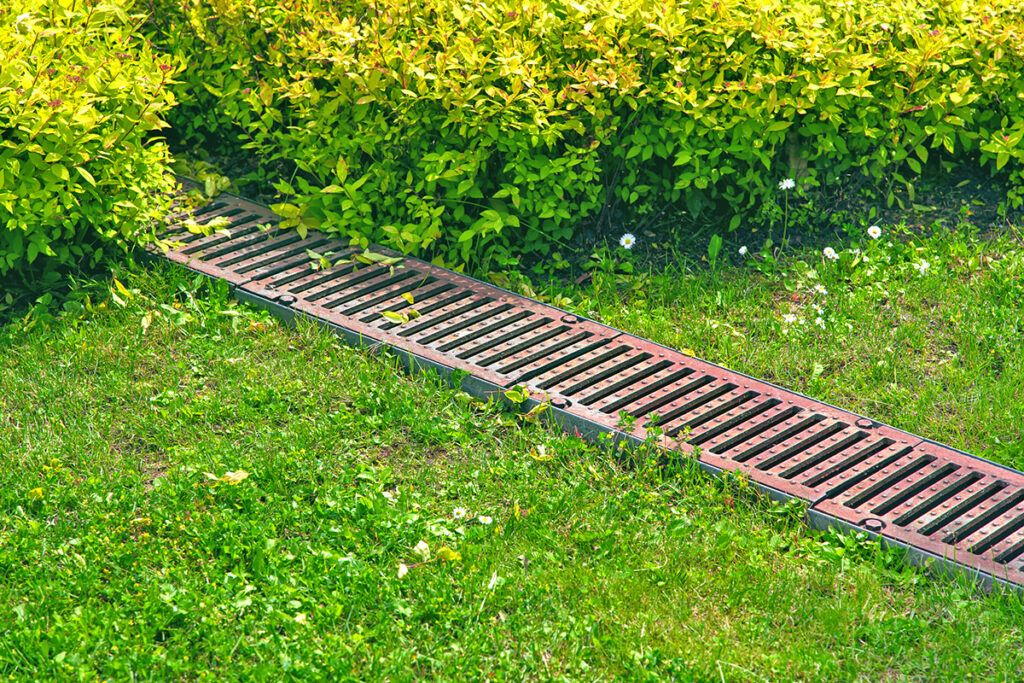
In my area, for example, springs are short, cold, and wet, and the snow often melts before the ground thaws. To manage this, I’ve arranged my beds to slow runoff and dug channels to improve drainage while corralling meltwater, allowing it to seep slowly into the ground and replenish the aquifer. Whatever your specific challenges may be, use this time to mitigate predictable problems and consider how you’ll respond to less-predictable issues as they crop up.
Late winter is a good time to gauge which parts of your garden receive the most light; the areas where the snow melts first (or the morning dew dries the quickest) are your “hot spots.” You can use this information to decide where to situate your most sun-seeking plants and where to tuck away those that prefer a bit of shade.
12. Test and Adjust Your Soil
You can fit soil testing in as the last task of fall or the very first task of spring — whichever suits your climate and personal inclinations. Because my springs are wet and cold, I typically aim for late fall.
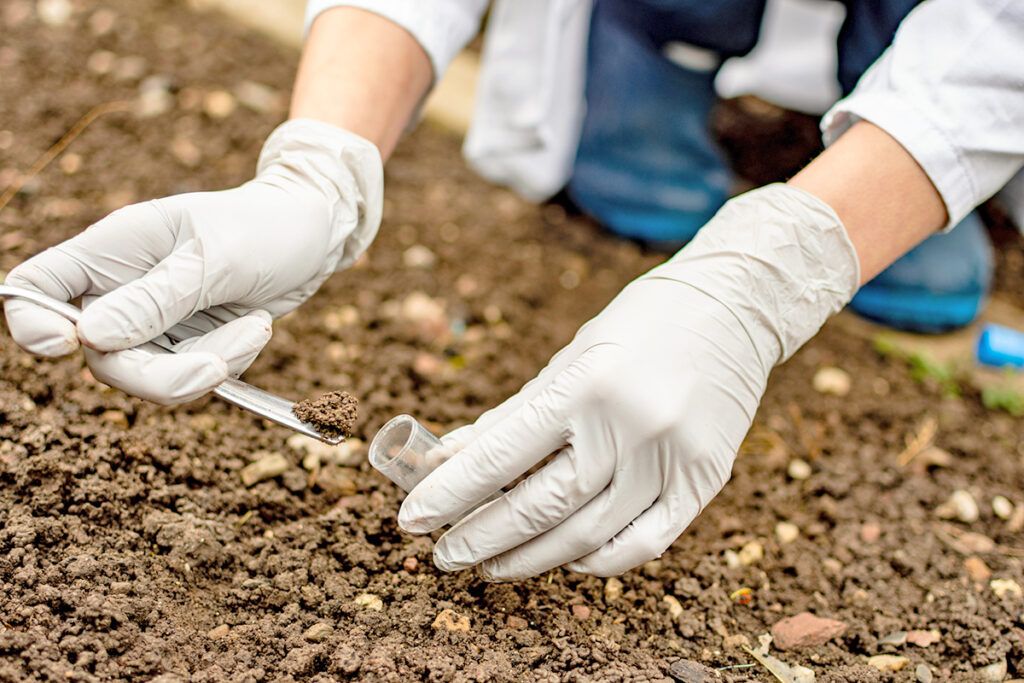
Use the offseason to test your soil and determine what it needs for the next growing season. If your test shows you need to raise the pH, for example, consider adding fireplace ashes to the soil (which will impart nutrients as well). You can apply other amendments such as mulch, compost, or slow-release fertilizers in early or late winter so they have time to settle before spring.
By ticking all of these boxes over the course of the winter, you’ll be well positioned for your best garden yet once spring rolls around.