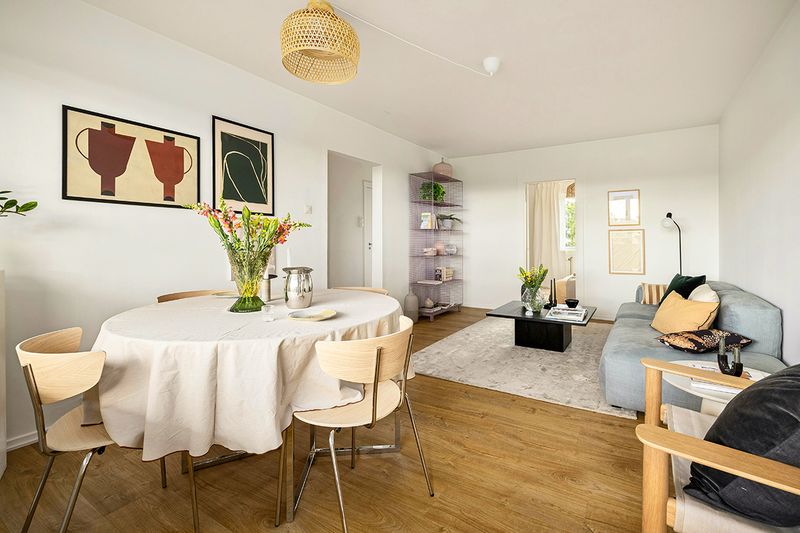
Interior designer Nancy Cavaliere relies on a clever, easy-to-follow “3-4-5 rule” for decorating. This simple formula — three patterns, four style influences, and five colors or textures — brings clarity to the chaos of design, helping to create a layered, personality-filled space. Think of it less as a rigid rule and more like a recipe that’s hard to mess up.
Without a framework like the 3-4-5 rule, a room can feel unintentionally random or, conversely, overly matchy-matchy. This approach helps you strike the perfect balance, resulting in a space that feels thoughtfully collected over time, rather than forced or overdesigned.
What Is the 3-4-5 Rule?
Cavaliere’s formula is straightforward. To her, a well-designed space should feature three patterns, four style influences, and five colors or textures. Together, these elements serve as the foundation for a creative, confidence-boosting design.
More from our network
House Outlook is part of Inbox Studio, which publishes content that uplifts, informs, and inspires.





Three patterns: Whether you opt for striped drapery, floral wallpaper, or a zebra-print rug, patterns add movement and energy. The secret is varying the scale and mood of each pattern (so, avoid pairing two small-scale florals), while connecting them through a shared color palette or overall vibe.
Four style influences: This layer grounds a space with character and a sense of history. Instead of committing to a single style, mix pieces that nod to different design eras. For example, pair a contemporary minimalist sofa with a mid-century modern accent chair and a traditional floor lamp. The result feels curated and personal — not like a “room-in-a-box” bought in a single afternoon.
Five colors or texture: A variety of tones and textures ensures a space feels layered, not flat. You can incorporate these through paint, upholstery, and finishes. Don’t underestimate the power of texture, either; bouclé, velvet, wood, stone, and metal all count toward your total. Textures add depth and a tactile quality that makes an ordinary room feel like a place where you can kick up your feet and stay awhile.