Anyone who lives in the countryside has likely heard some variation of this folk wisdom: “Never cut down a tree in winter.” That’s because during the colder months, it’s difficult to tell if a tree is dead or merely dormant, and overeager gardeners run the risk of cutting down a perfectly healthy specimen.
The same logic applies to woody-stemmed garden plants and houseplants. Perennial plants, shrubs, and biennials wintering outdoors go dormant while waiting for spring to arrive. Even some houseplants may enter a dormancy period that makes them look dead. But you don’t need a degree in botany to tell if a plant is gone for good or just resting — you need only one common item that’s probably already in your pocket.
Scratch the Surface
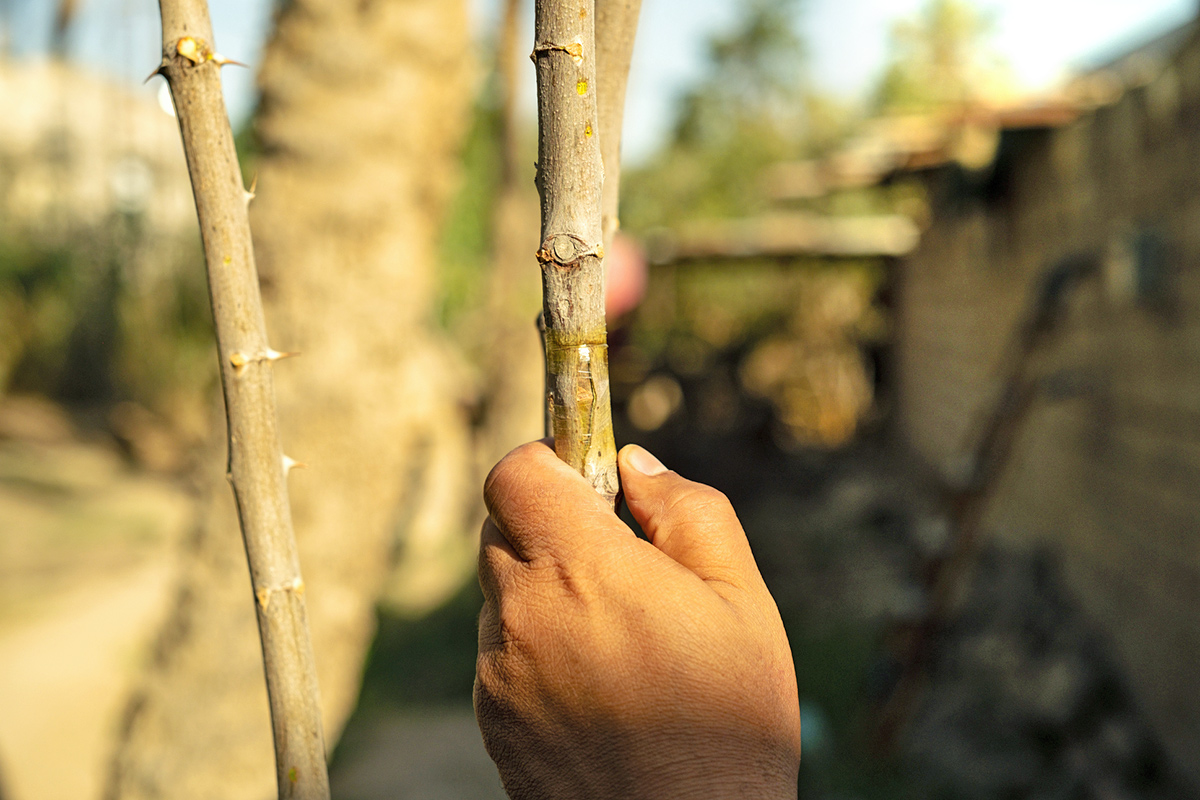
This hack really is as simple as it sounds. Pick a spot on a branch or main stem and use the edge of a coin to gently scrape away the outer layer of bark. The color you find underneath tells you everything you need to know.
More from our network
House Outlook is part of Inbox Studio, which publishes content that uplifts, informs, and inspires.




If the tissue is brown and dry, that branch or stem is dead. If you find moist green tissue, the plant is still alive — it’s just dormant and waiting for spring. One warning: For large plants or vines, finding one dead spot doesn’t necessarily mean the entire plant is a goner. Test several stems, especially near the root crown, to make sure you don’t tear out a healthy plant just because of a few dead branches.
Don’t Have a Coin?
Coins are ideal because they’re blunt enough to avoid damaging the plant, but you have other options. For delicate garden plants like woody herbs, your thumbnail will often do the job. For sturdier plants with thicker bark, the edge of a spoon is a similarly safe alternative.